-

10,500-Year-Old Fishing Gear Discovered in Siberia’s Yenisei Region
A fragment of carved deer antler, shaped into a hook thousands of years ago, is rewriting what we know about early human survival in northern Eurasia. Archaeologists in Krasnoyarsk have identified fishing equipment dating between 9,000 and 10,500 years ago—evidence that communities in Yenisei Siberia mastered complex riverine technologies at the dawn of the Holocene.…
-
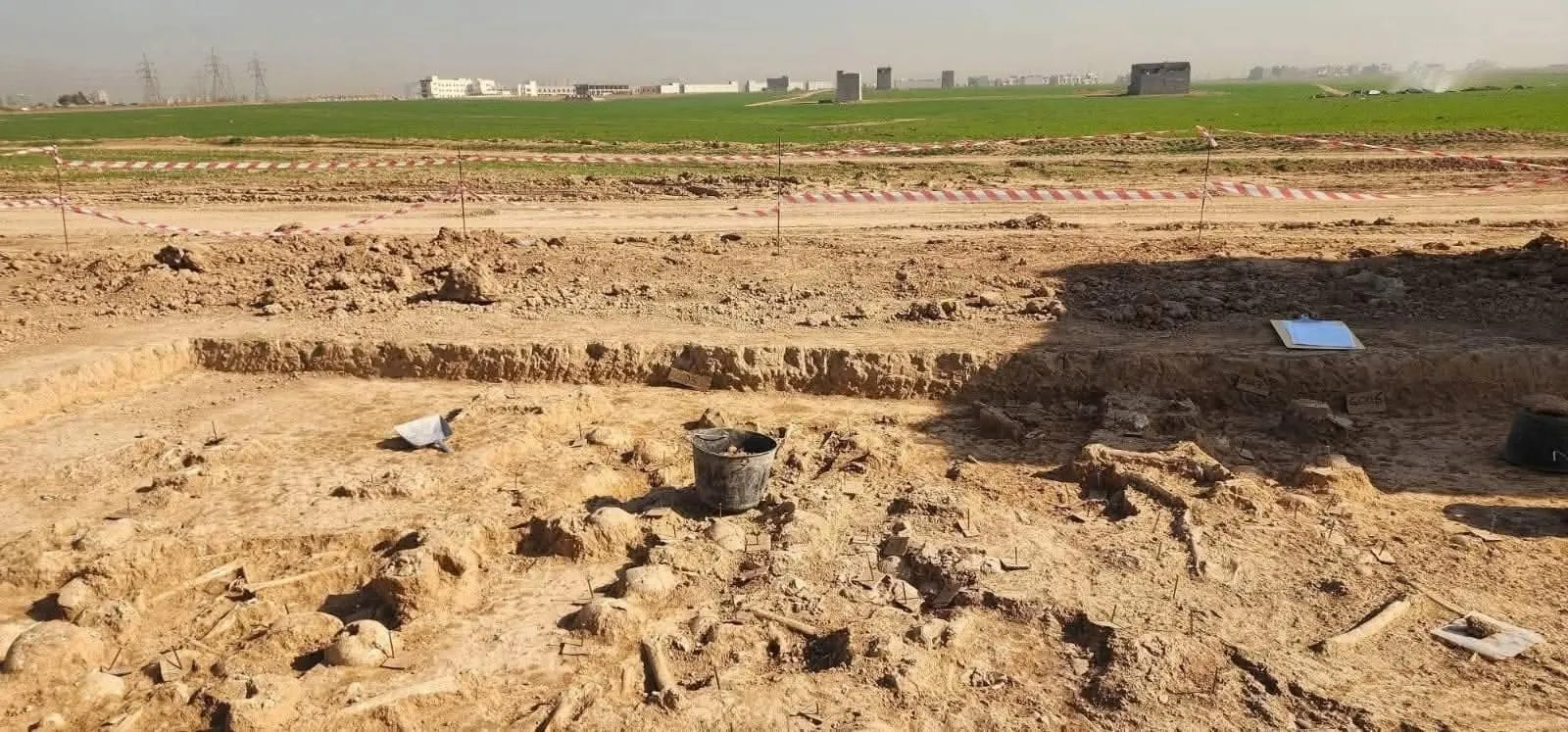
7th-Century Cemetery with Over 100 Skulls Discovered in Erbil During Construction Work
Archaeologists in the Kurdistan Region of Iraq have uncovered a 7th-century cemetery beneath a modern neighborhood in Erbil, revealing more than 100 human skulls and a small assemblage of grave goods that may shed new light on the region’s late antique past. The discovery was made in the Baghlou Minara district of Erbil after construction…
-
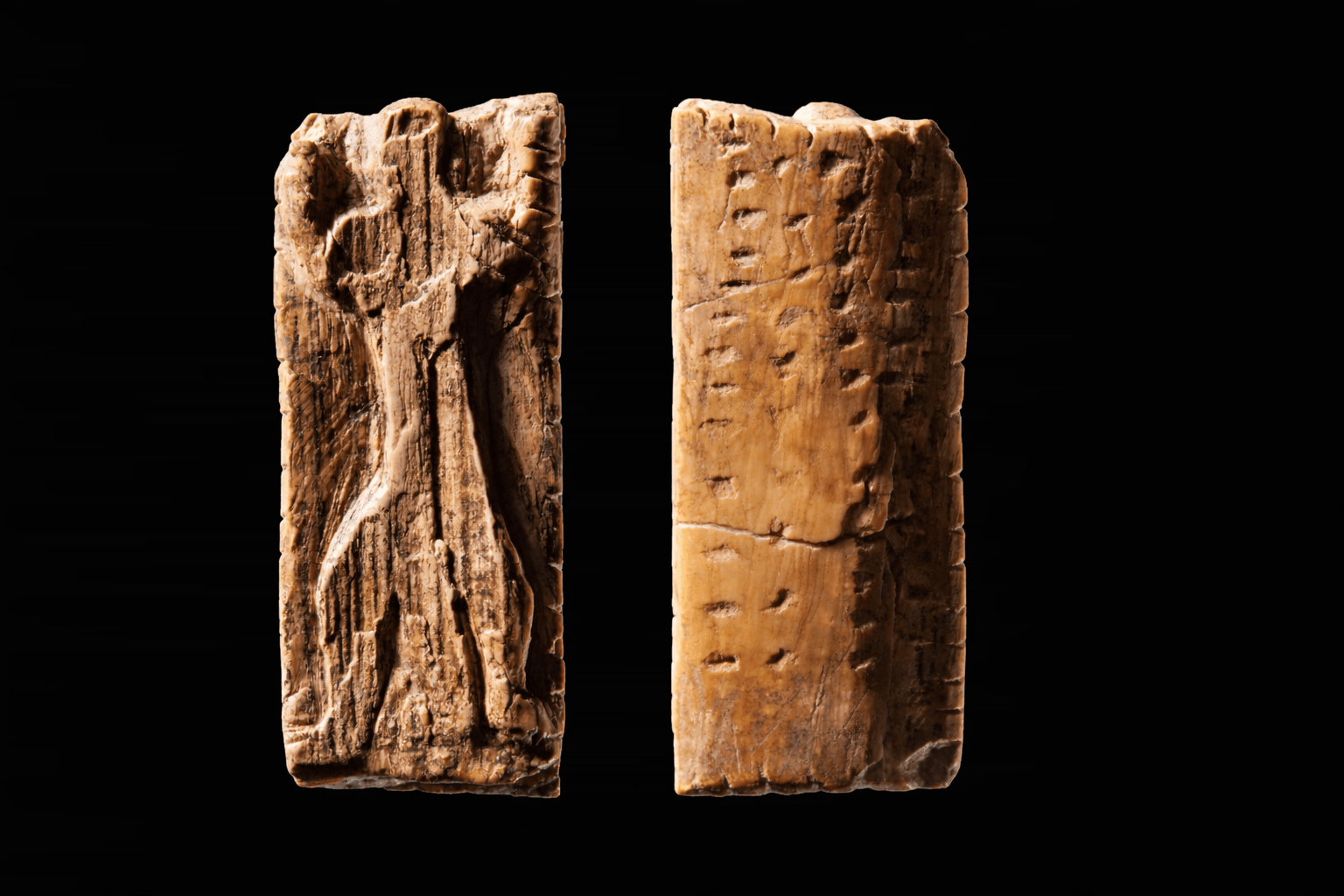
The Origins of Writing May Reach Back 40,000 Years, Study Suggests
Before clay tablets and urban bureaucracies, before agriculture reshaped human life, Ice Age hands were carving deliberate patterns into ivory. Rows of dots. Repeated crosses. Carefully spaced notches. For decades, archaeologists described these markings as symbolic or decorative. A new computational study now argues something more radical: these 40,000-year-old signs may represent one of the…
-
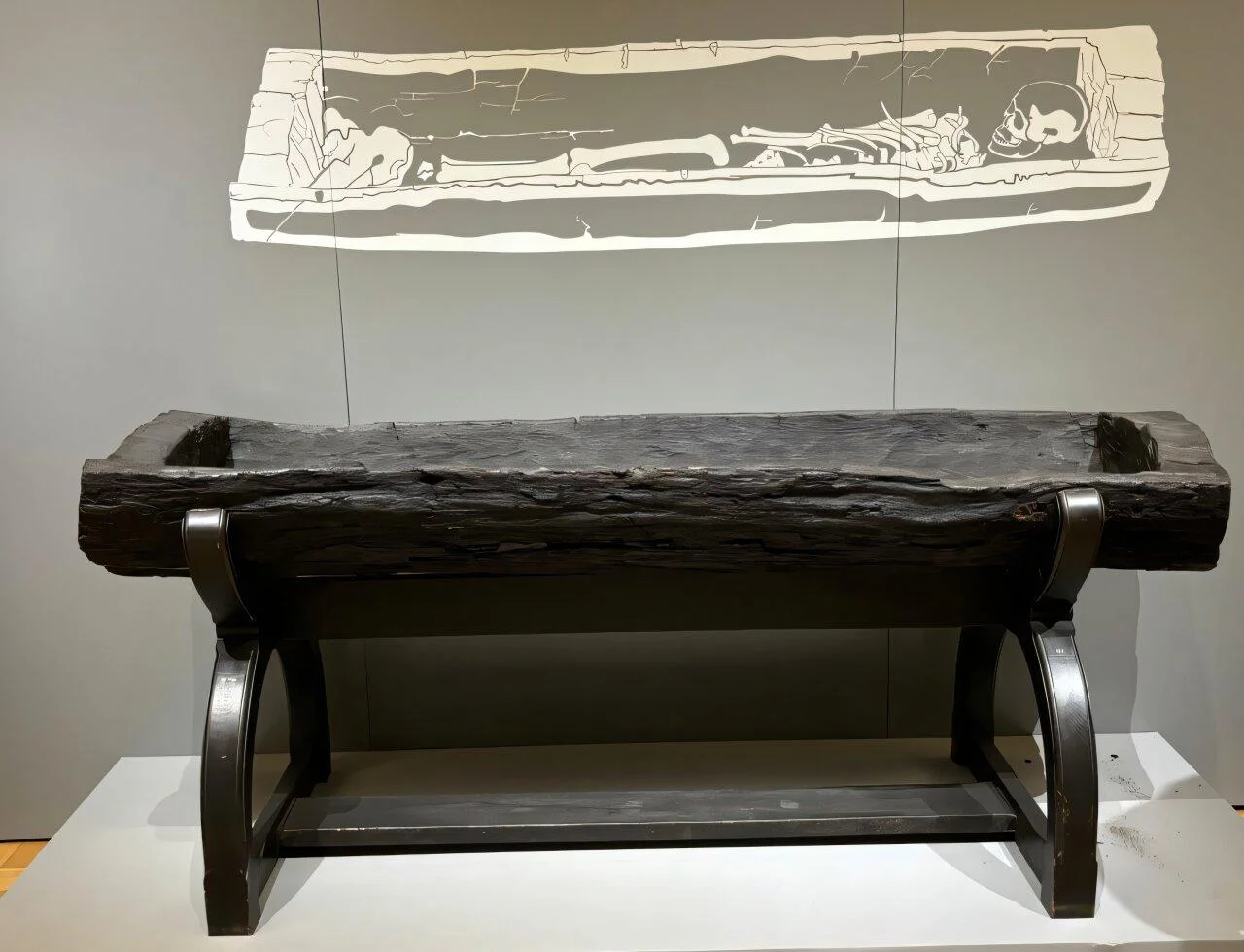
The True Date of the 2,000-Year-Old Wooden Coffin of the “Princess of Bagicz” in Poland Revealed
A windswept stretch of Poland’s Baltic coast has quietly reshaped one of the most persistent chronological puzzles in European archaeology. The so-called “Princess of Bagicz” — the only well-preserved wooden log coffin from the Roman Iron Age ever found in Poland — has finally been dated with precision, resolving a discrepancy that troubled researchers for…
-
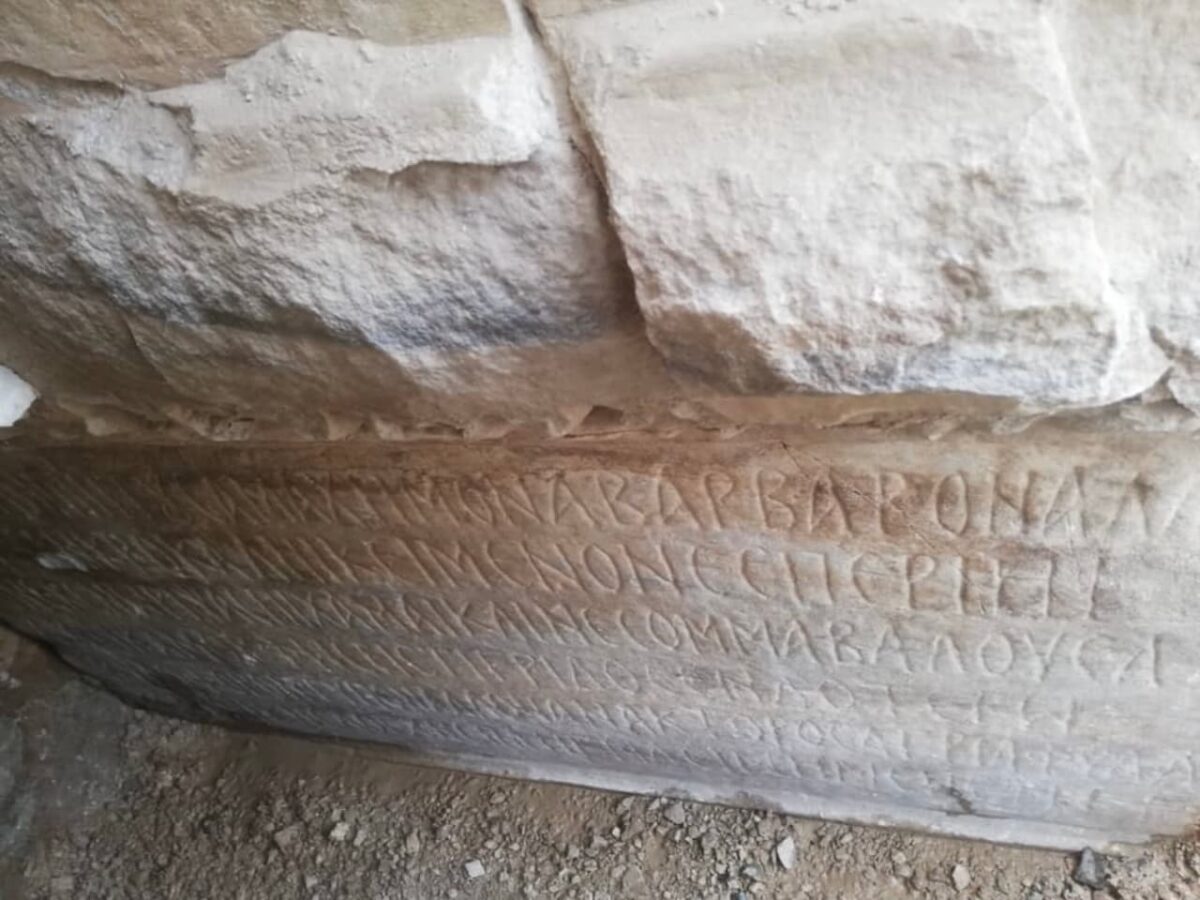
Greek Inscription Found in Syria’s Great Mosque of Homs May Help Locate the Lost Temple of the Sun
A Greek inscription discovered beneath a column inside the Great Mosque of Homs is reopening a long-standing debate about the precise location of the ancient Temple of the Sun at Emesa — the sanctuary whose high priest rose to become Roman emperor in the third century under the name Elagabalus. The inscription, carved directly into…
-

Serbia’s 2,800-Year-Old Mass Grave Reveals Systematic Killing of Women and Children in the Early Iron Age
An interdisciplinary study published in Nature Human Behaviour has brought renewed attention to one of Europe’s largest prehistoric mass graves. At the site of Gomolava in northern Serbia, archaeologists uncovered the remains of more than 77 individuals buried around 2,800 years ago. Almost all were women and children. The demographic pattern is striking. In most…
-
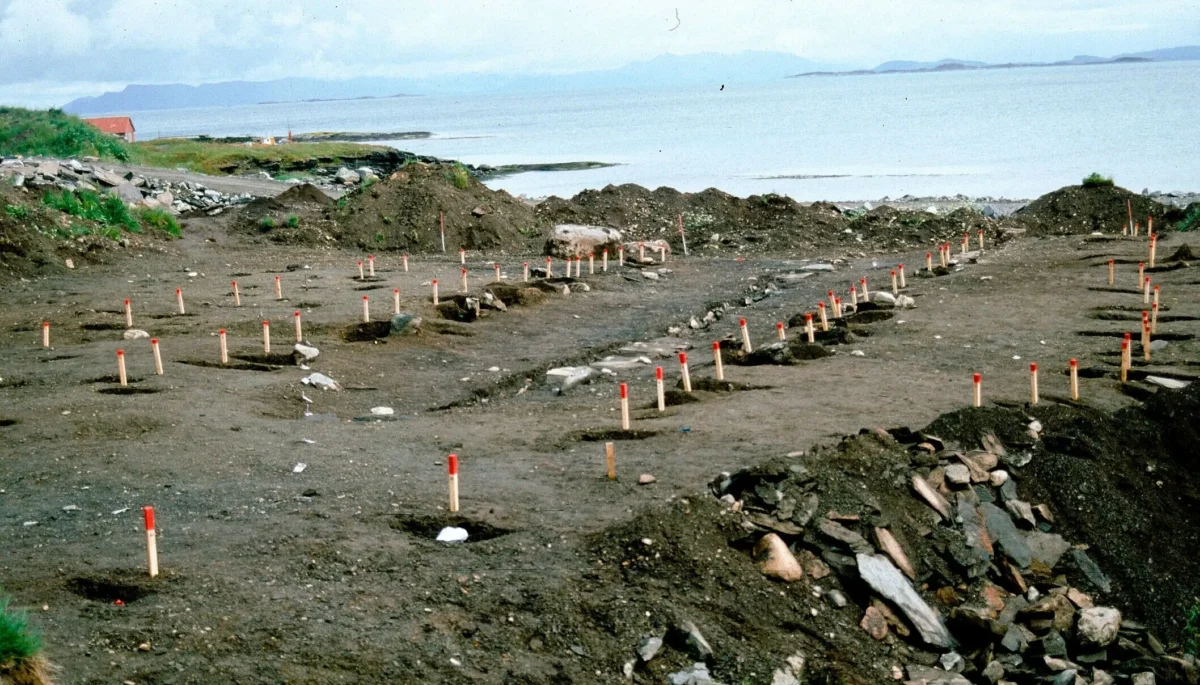
Viking Sea Power May Have Emerged in the Roman Era — Not the 8th Century
The Viking Age is traditionally dated to AD 793, when Scandinavian raiders attacked Lindisfarne. But new archaeological interpretations suggest that the foundations of Viking-style sea power may reach back to the Roman Iron Age — between AD 180 and 540. In reporting highlighted by Science Norway, archaeologist Frans-Arne Stylegar argues that organized naval infrastructure existed…
-
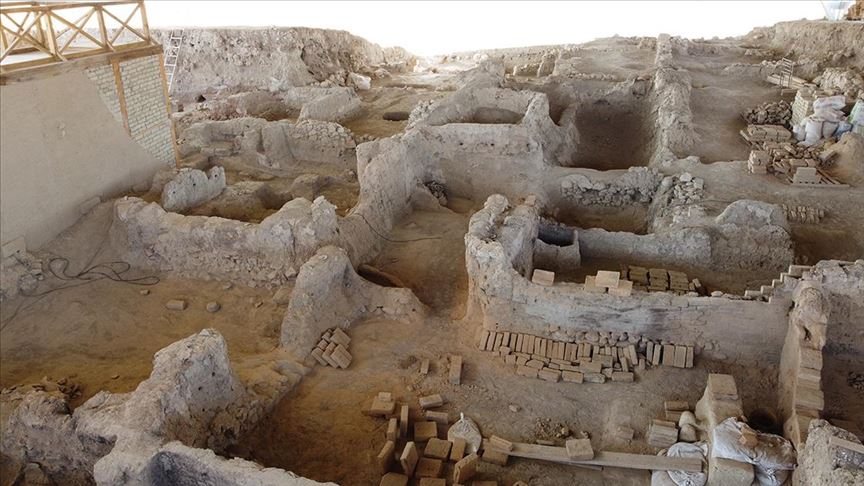
Anatolia’s Earliest Indigo-Dyed Textile Discovered at Bronze Age Beycesultan
A 3,900-year-old blue textile fragment uncovered in western Türkiye has been identified as the earliest known indigo-dyed fabric in Bronze Age Anatolia. The discovery, made at Beycesultan Höyük, also includes the region’s first confirmed evidence of single-needle knitting—revealing a level of textile sophistication previously undocumented in Anatolia during the second millennium BC. The research, led…
-

8,000-Year-Old Petroglyphs Found in Venezuela Could Reframe Early South American Symbolism
In the highland community of Quebrada Seca, northeastern Venezuela, authorities have confirmed the discovery of a major petroglyph complex estimated to be between 4,000 and 8,000 years old. If the upper range proves correct, this would place the engravings among the earliest known symbolic expressions in eastern Venezuela. The site lies 3.5 kilometers from San…