-
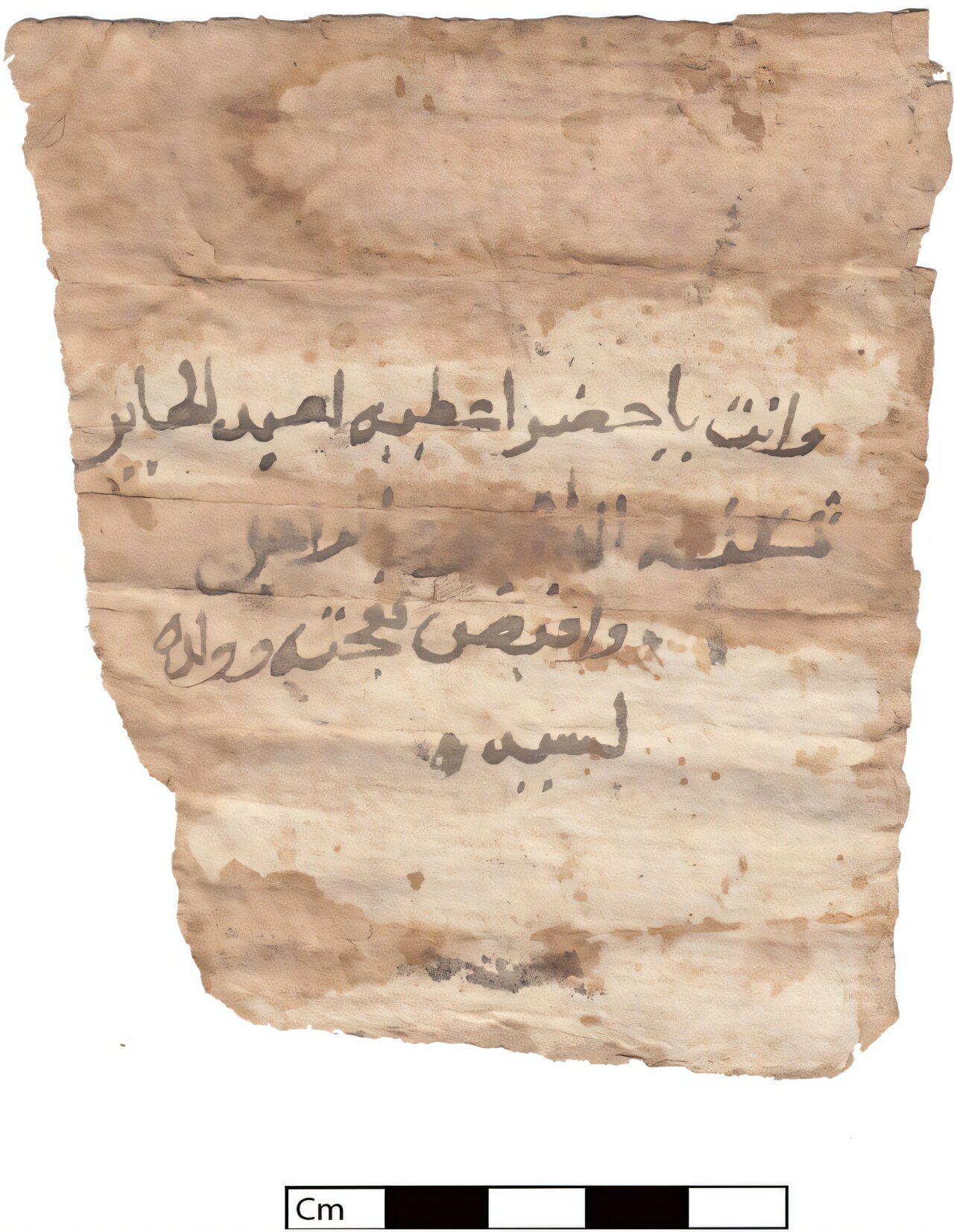
Arabic Document from 17th-Century Rubbish Heap Confirms Existence of Nubian King Qashqash
A new study published in Azania: Archaeological Research in Africa confirms the historical existence of King Qashqash, a ruler of post-medieval Dongola long regarded as semi-legendary. The evidence comes from an Arabic administrative order discovered in a 17th-century rubbish heap during excavations at Old Dongola. A King Steps Out of Oral Tradition Until now, Qashqash…
-
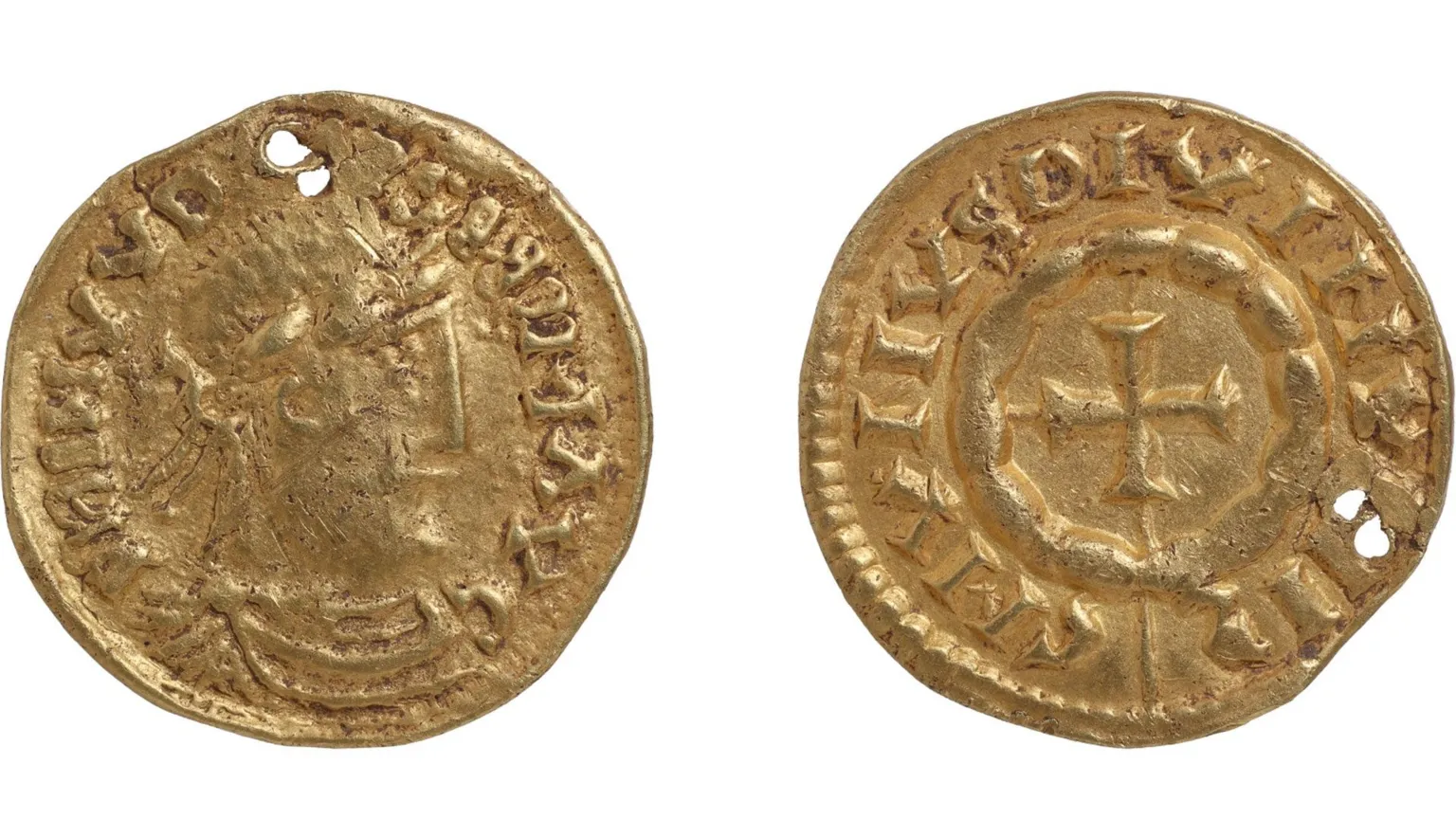
Viking Gold Pendant Found in Norfolk Linked to the Great Heathen Army
A thin disc of gold, buried for more than a thousand years in a Norfolk field, is now being linked to the advance of the Great Heathen Army — the Scandinavian force that reshaped early medieval England after landing in AD 865. Discovered near Dereham in 2024, the object is an imitation of a gold…
-

Roman Gold Mines Confirmed in the Pyrenees: Scientific Dating Reveals Imperial Extraction in Hispania
For generations, gold shimmered quietly in the sands of the Segre River. Ancient texts hinted at its value. Archaeologists suspected Roman hands had worked these deposits. But until now, there was no firm scientific proof. A new interdisciplinary study has confirmed that Roman alluvial gold mining operated in the Eastern Pyrenees between the 1st and…
-
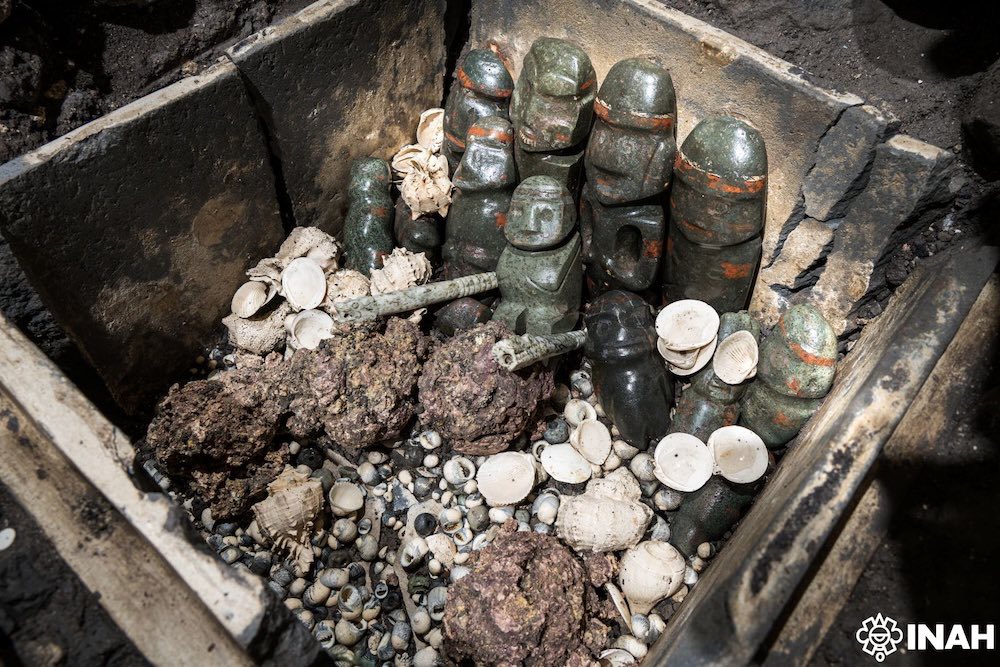
Massive 15th-Century Ceremonial Offering Discovered at the Heart of Tenochtitlan
Archaeologists working under the Templo Mayor Project (PTM) have revealed what may represent the largest single ceremonial offering ever documented at the Mexica capital during the reign of Motecuhzoma Ilhuicamina. The discovery adds a new dimension to our understanding of ritual power at the sacred heart of Tenochtitlan. The findings come from ongoing excavations at…
-
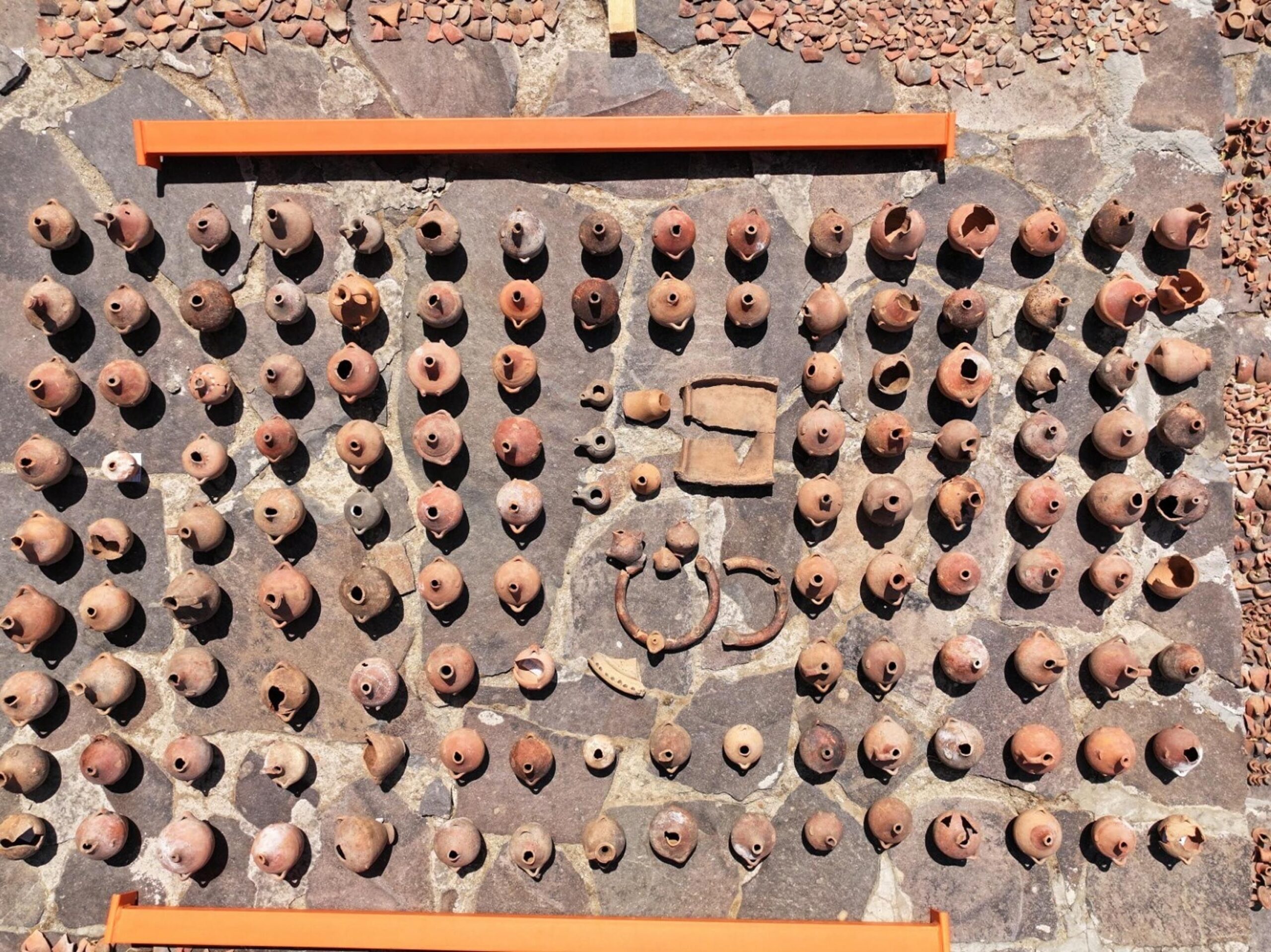
3,000 Ritual Water Vessels Unearthed at Aigai’s Demeter Sanctuary in Western Türkiye
On a windswept ridge above the fertile plains of western Anatolia, archaeologists have uncovered something unexpectedly intimate: thousands of small clay vessels once filled with water and offered in devotion. Excavations at the Demeter–Kore Temple in the ancient city of Aigai have revealed approximately 3,000 terracotta hydriskoi — small ritual water containers — concentrated in…
-
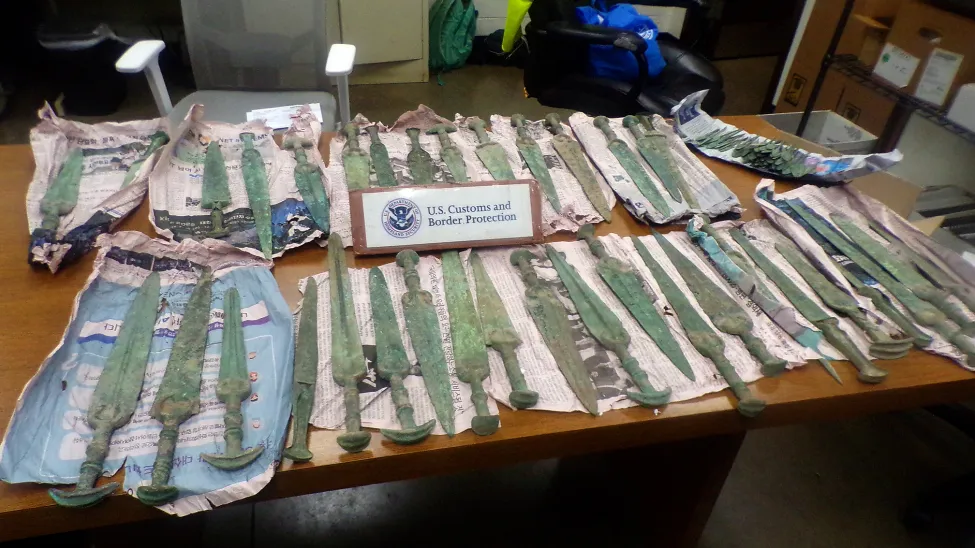
4,000-Year-Old Bronze Age Swords Seized in the U.S.: Suspected Looted Artifacts Traced to Iran
U.S. Customs and Border Protection officers in Philadelphia recently intercepted a shipment of 4,000-year-old Bronze Age swords that had been falsely declared as ordinary “metal decorative articles.” Inside, however, were 36 copper-alloy short swords and 50 copper-alloy arrowheads—authentic Bronze Age weapons dating back nearly 4,000 years. The artifacts, believed to originate from northwestern Iran, were…
-

Not Climate Alone: Could Pregnancy Risks Have Weakened the Neanderthals?
For decades, the disappearance of the Neanderthals has been told as a story of cold winds and new rivals. Around 40,000 years ago, Homo neanderthalensis faded from Eurasia. The explanations are familiar: abrupt climate swings, shrinking habitats, and the steady expansion of Homo sapiens. Yet a new study published in the Journal of Reproductive Immunology…
-
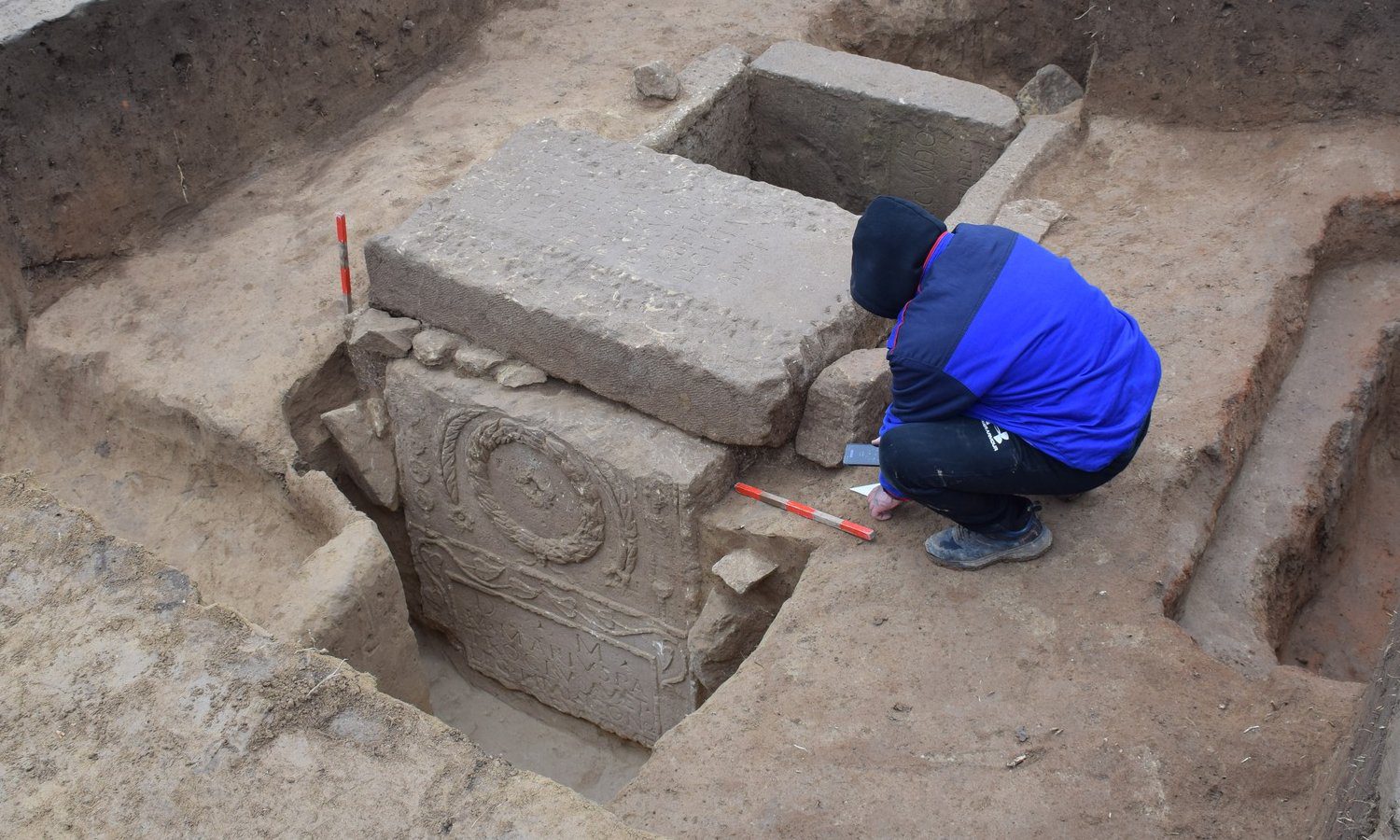
Centurion of the First Italic Legion Revealed in Newly Discovered Nove Necropolis Grave
On the edge of the Danube, where Rome once stationed thousands of soldiers — including those of the First Italic Legion — to guard its northern frontier, a broken slab of stone has quietly returned a forgotten name to history. Rescue excavations in the western necropolis of Nove, near modern Svishtov in Bulgaria, have identified…
-
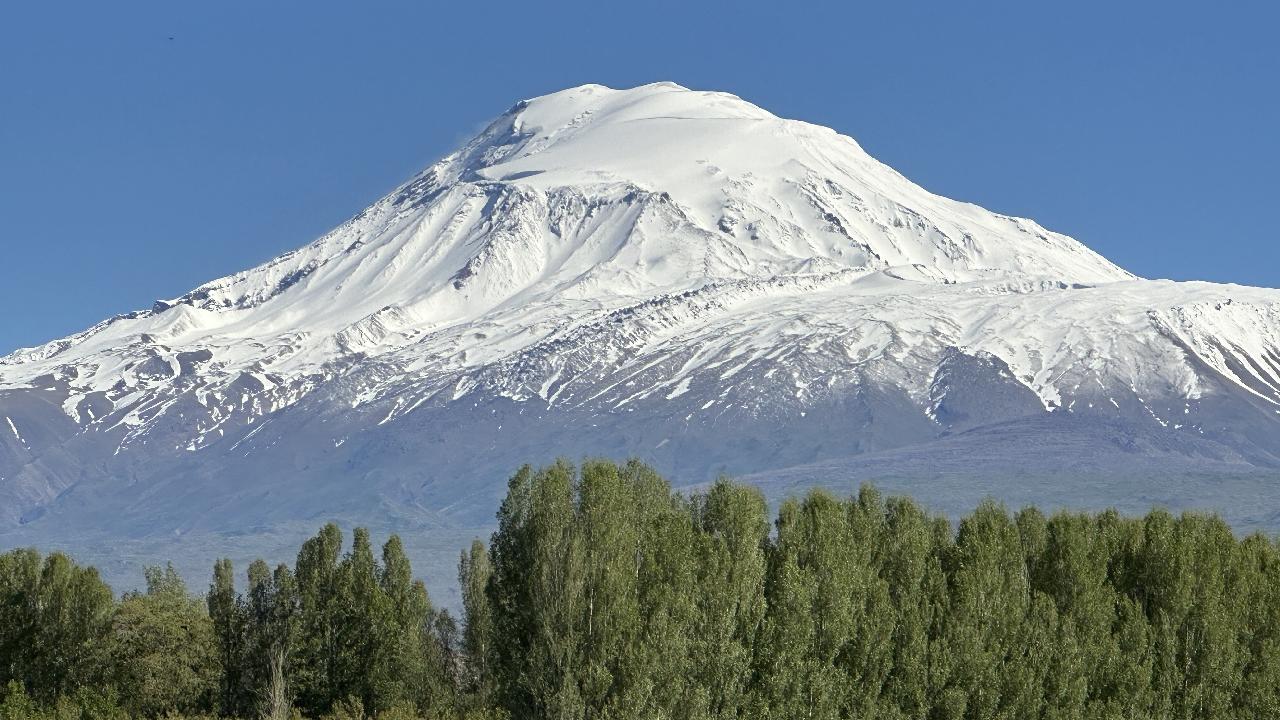
Mount Ararat Between Scripture, Identity, and Scholarship: Why the Ark Debate Still Matters
Few mountains carry as much symbolic weight as Mount Ararat. It stands inside modern Türkiye, dominates the skyline of Armenia’s capital, and appears—directly or indirectly—in the sacred narratives of multiple faiths. Its significance today is less about archaeological discovery and more about how different traditions interpret the same terrain. A new academic reassessment does not…