-
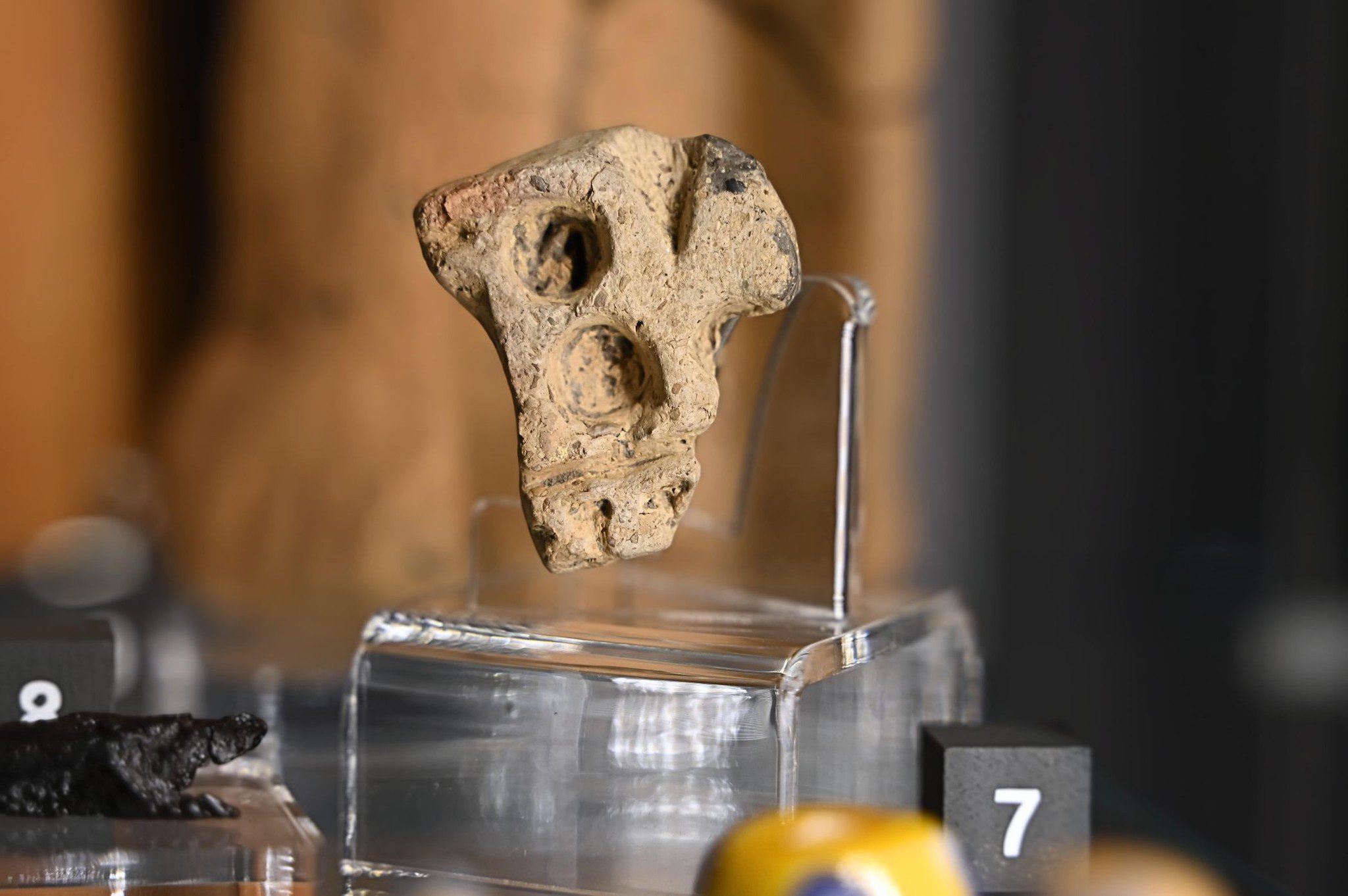
2,500-Year-Old Clay Stamp Found in Poland May Be the Country’s First Pintadera
A small clay object unearthed in southeastern Poland may rewrite part of the country’s Early Iron Age story. Archaeologists believe a 2,500-year-old artifact discovered near Jarosław could represent the first pintadera ever identified on Polish soil — a clay stamp likely used to decorate textiles or apply pigment to the human body. The object was…
-
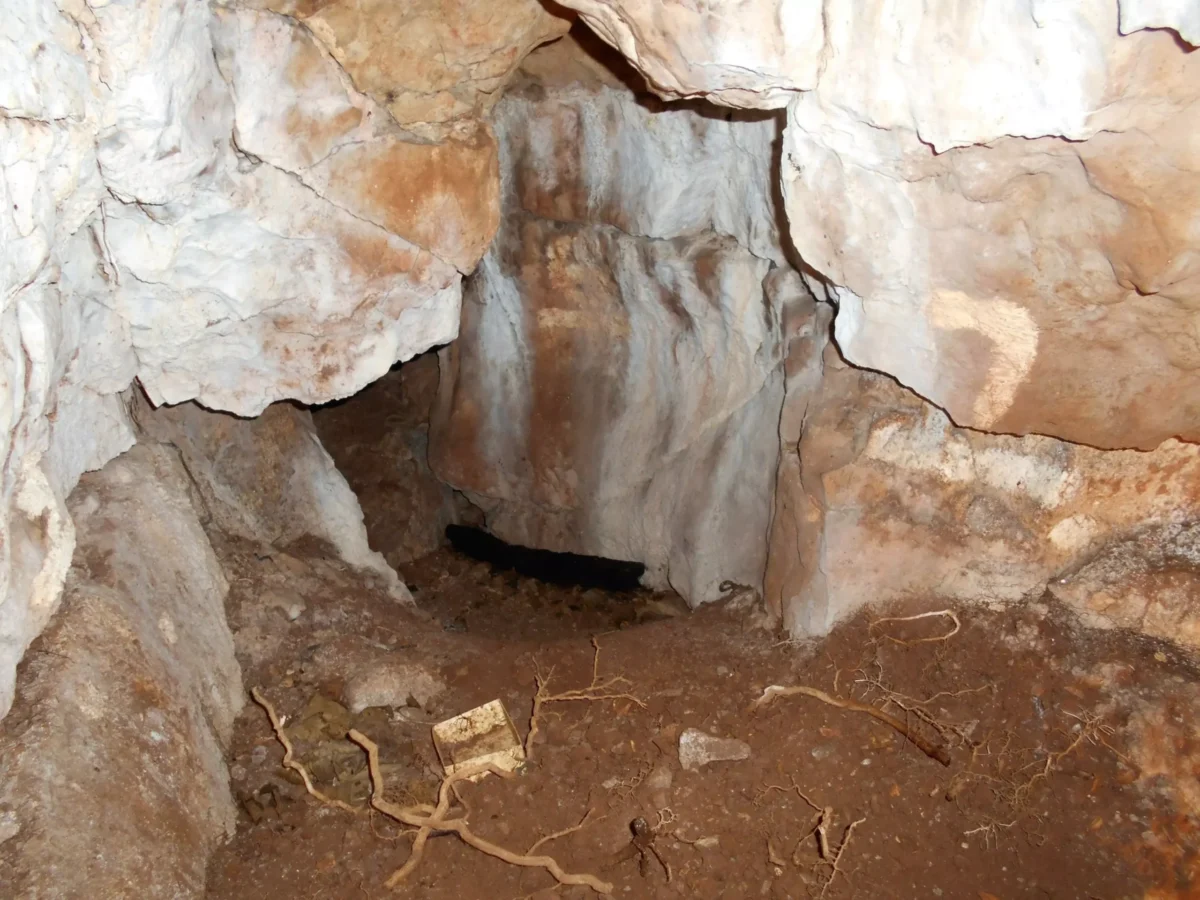
11,000-Year-Old Girl Identified Through DNA Becomes Northern Britain’s Earliest Confirmed Individual
An 11,000-year-old burial uncovered in a small limestone cave in Cumbria has now been identified as a young girl, making her the earliest known individual from northern Britain whose sex and age have been scientifically confirmed through DNA analysis. Discovered at Heaning Wood Bone Cave near Great Urswick, the child—affectionately named the “Ossick Lass”—lived during…
-
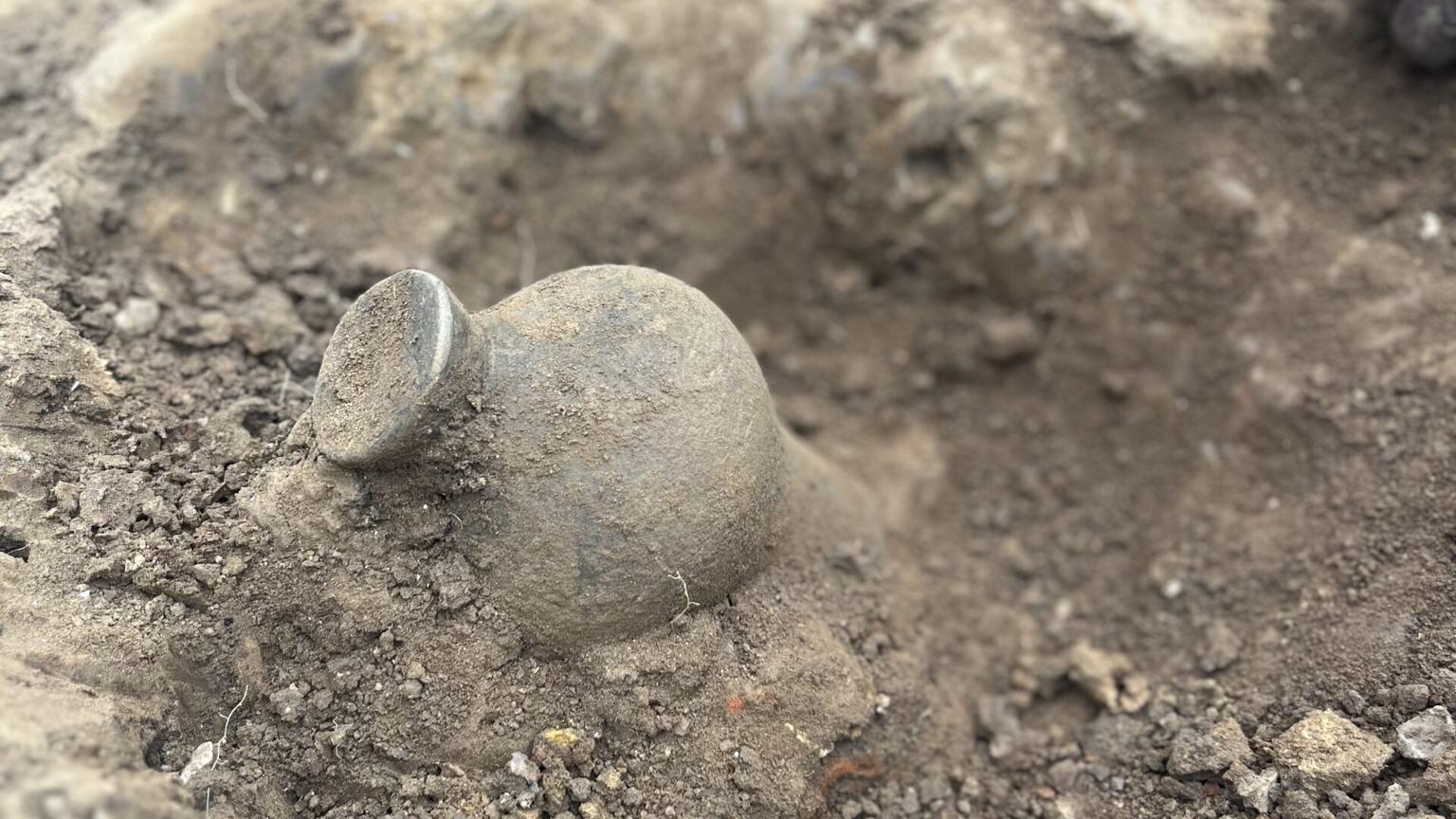
1,600-Year-Old Roman Cup Found Upside Down in East Yorkshire May Mark Lost Shrine
When archaeologists working in East Yorkshire lifted a small grey ceramic cup from the soil, it emerged almost completely intact — despite having been buried for roughly 1,600 years. The vessel dates to the 4th century AD, the closing chapter of Roman Britain. On its own, it is an ordinary example of Romano-British greyware: locally…
-
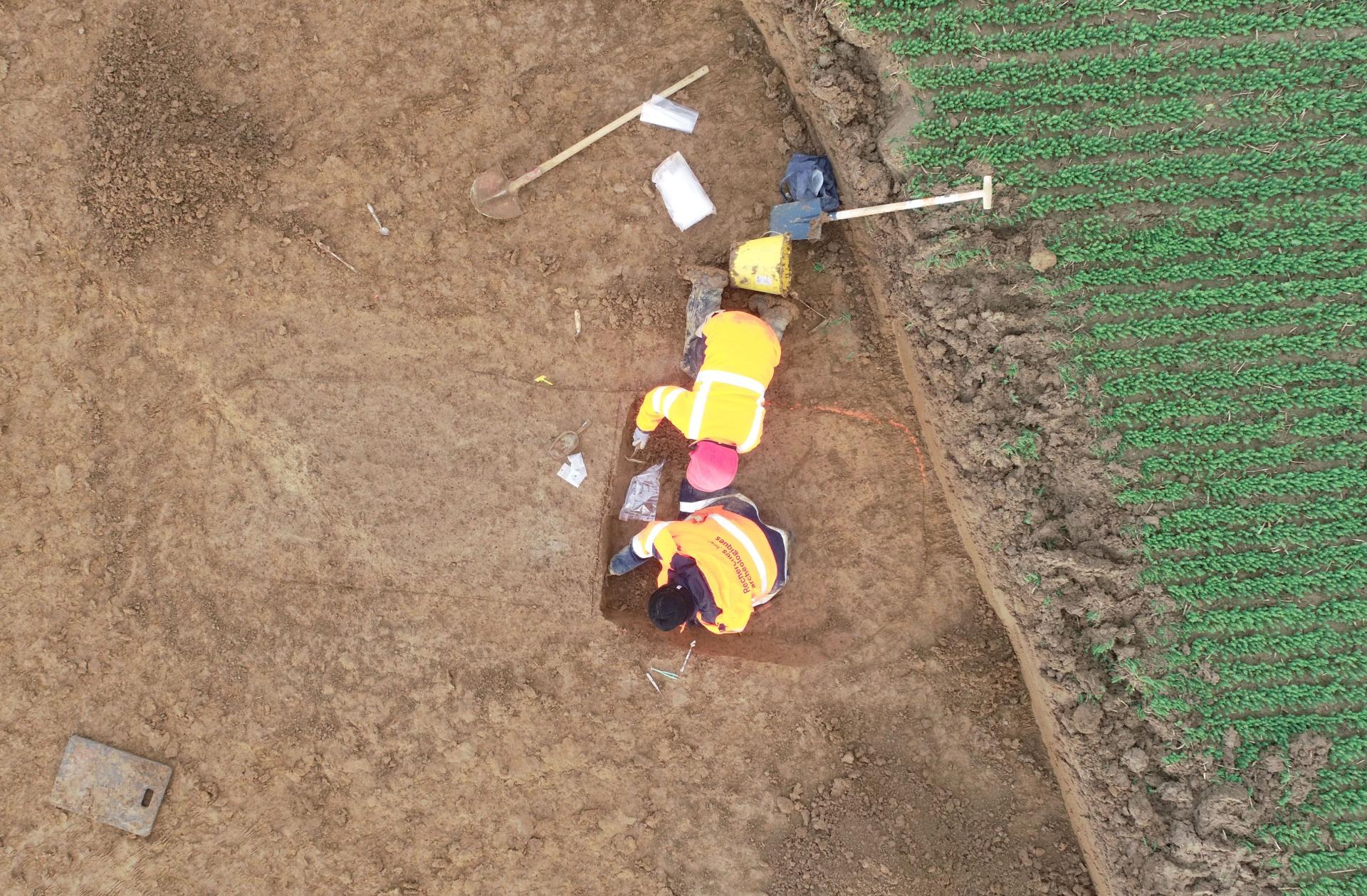
Bronze Age “Princely Tomb” Discovered in Normandy Reveals Elite Warrior Network
Archaeologists have uncovered a richly furnished “princely tomb” dating to around 1900–1800 BCE in Ecouché-les-Vallées, Normandy — a region where such elite burials are exceptionally rare. A Warrior Equipped for the Afterlife Inside the grave pit, researchers identified a remarkable assemblage of prestige objects: 31 finely crafted flint arrowheads, two bronze daggers, and a fragment…
-

A 4th-Century Amulet Linked to “Cancer” Comes to Light at Pisidian Antioch’s Temple of Men
A small object recovered during the 2024 excavation season at Pisidian Antioch in southwestern Turkey is drawing renewed attention for what it may reveal about illness, belief, and personal devotion in Late Antiquity. The artifact, a modest amulet dated to the 4th century CE, bears the image of a crab — a symbol closely associated…
-
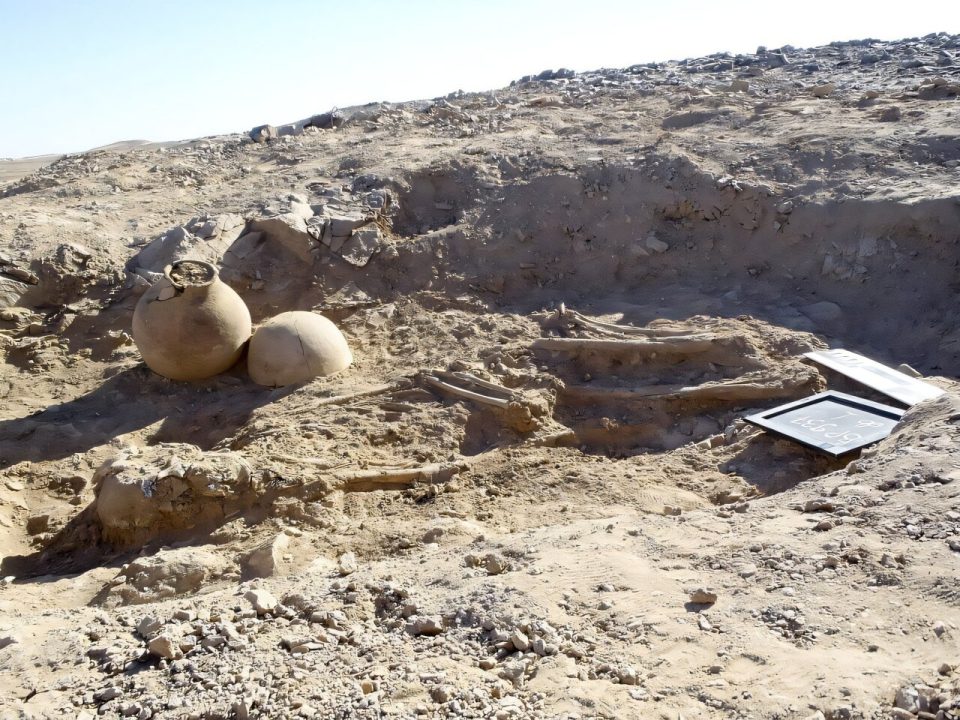
4,000-Year-Old Kerma Period Burial Discovered in Sudan’s Bayuda Desert
A 4,000-year-old grave uncovered in Sudan’s remote Bayuda Desert is offering new insights into Kerma burial customs and the region’s ancient environment. The discovery, made by Polish archaeologists, sheds light not only on funerary practices but also on daily life in a semi-desert landscape that once looked very different from today. The excavation is being…
-
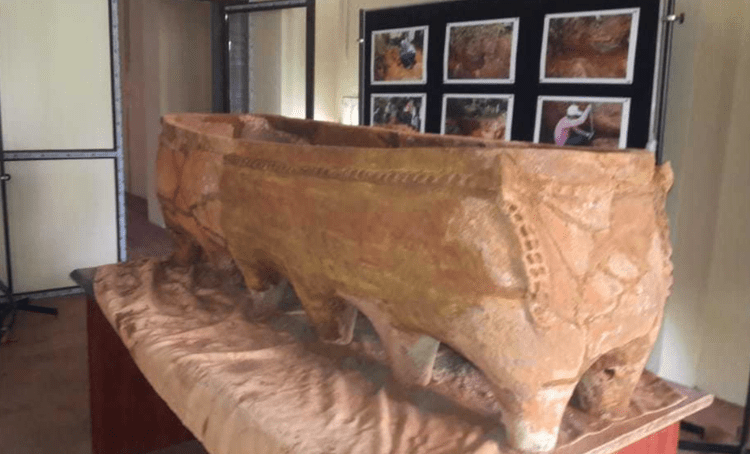
2,300-Year-Old Twelve-Legged Terracotta Sarcophagus Unearthed in Pallavaram, Southern India
In the crowded urban sprawl south of Chennai, history has surfaced in the most unexpected way. Beneath roughly two meters of soil in Pallavaram, archaeologists have uncovered a 2,300-year-old terracotta sarcophagus resting on twelve carefully crafted legs — a discovery that is reshaping our understanding of early historic cultures in southern India. A Rare Megalithic…
-
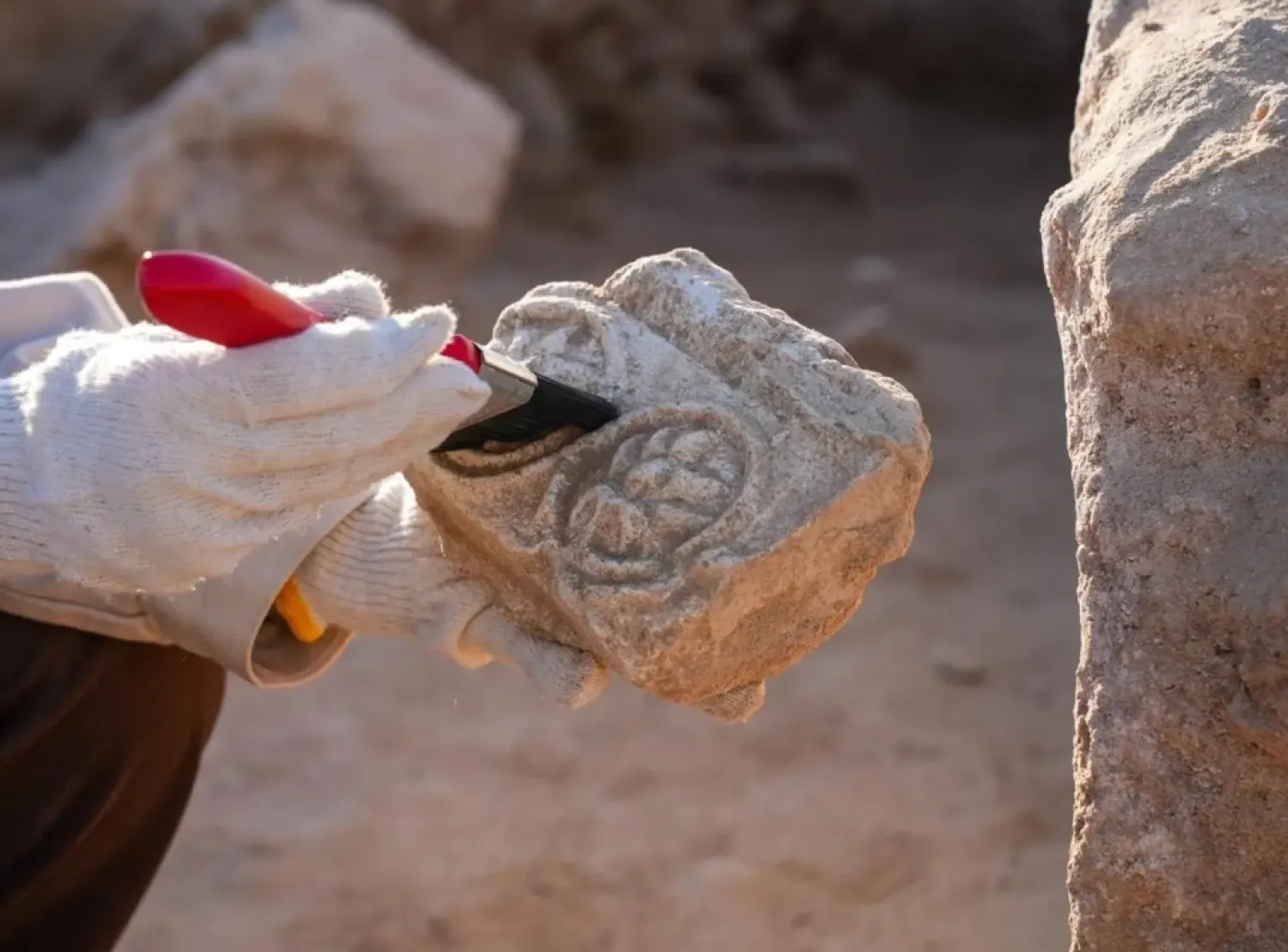
147 Architectural Units Discovered at Ra’s Qurayyah Port in Eastern Saudi Arabia
The Saudi Heritage Commission has uncovered 147 architectural units during the second excavation season at Ra’s Qurayyah Port in the Al-Ahsa Governorate of Saudi Arabia. According to the Commission, the newly identified structures include residential buildings, large courtyards, and wells, indicating the presence of a well-organized coastal settlement rather than a small outpost. The scale…
-

11-Year-Old Discovers 48-Million-Year-Old Turtle Fossil on Public Lands in Wyoming
It looked like an ordinary stone. But in the vast, wind-swept terrain of southwestern Wyoming, an 11-year-old boy paused — and changed the story of a 48-million-year-old landscape. Last fall, while exploring Bureau of Land Management (BLM) public land in the Greater Green River Basin, young fossil enthusiast Touren made a discovery that has since…