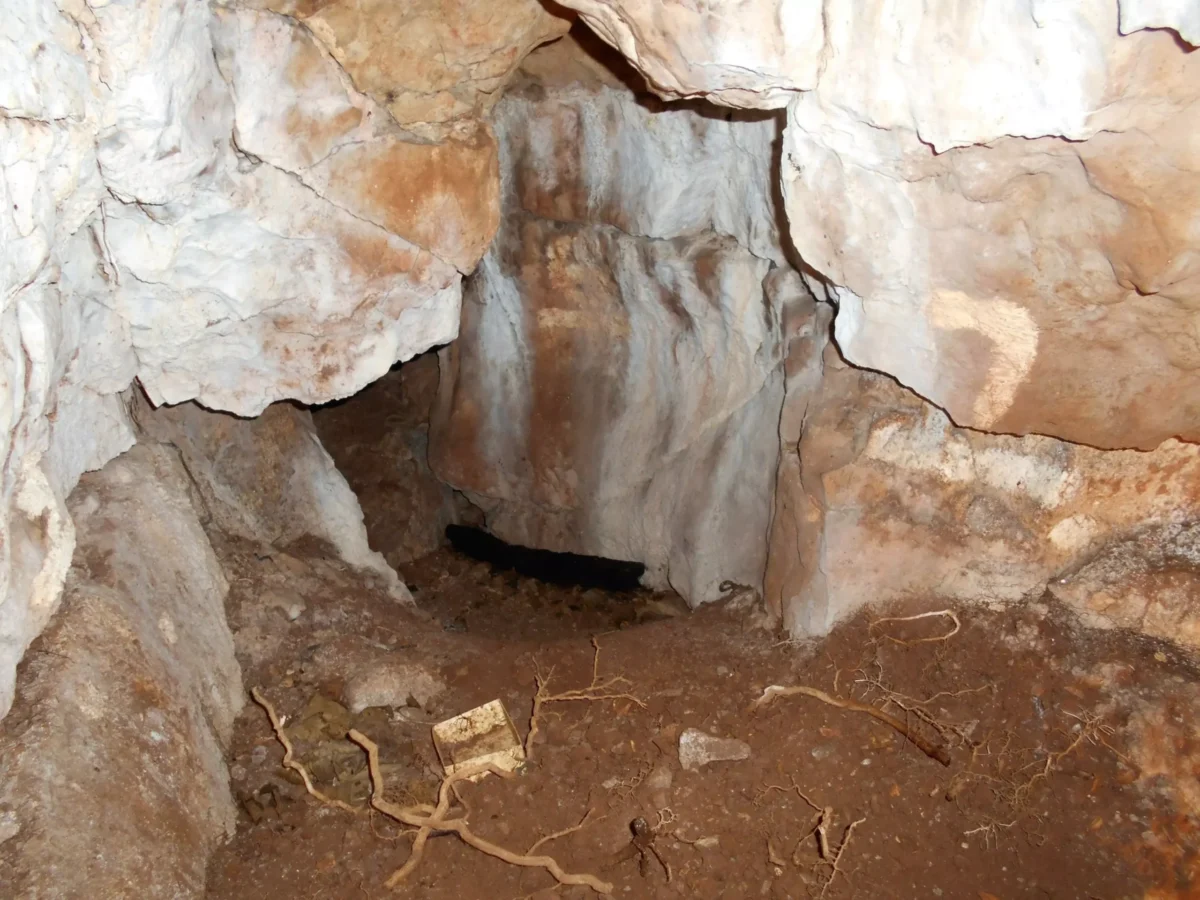
An 11,000-year-old burial uncovered in a small limestone cave in Cumbria has now been identified as a young girl, making her the earliest known individual from northern Britain whose sex and age have been scientifically confirmed through DNA analysis.
Discovered at Heaning Wood Bone Cave near Great Urswick, the child—affectionately named the “Ossick Lass”—lived during the Early Mesolithic shortly after the last Ice Age. Radiocarbon dating places her burial between 9290 and 8925 BC, a time when forests were reclaiming landscapes newly freed from glacial ice.
Ancient DNA Unlocks Identity
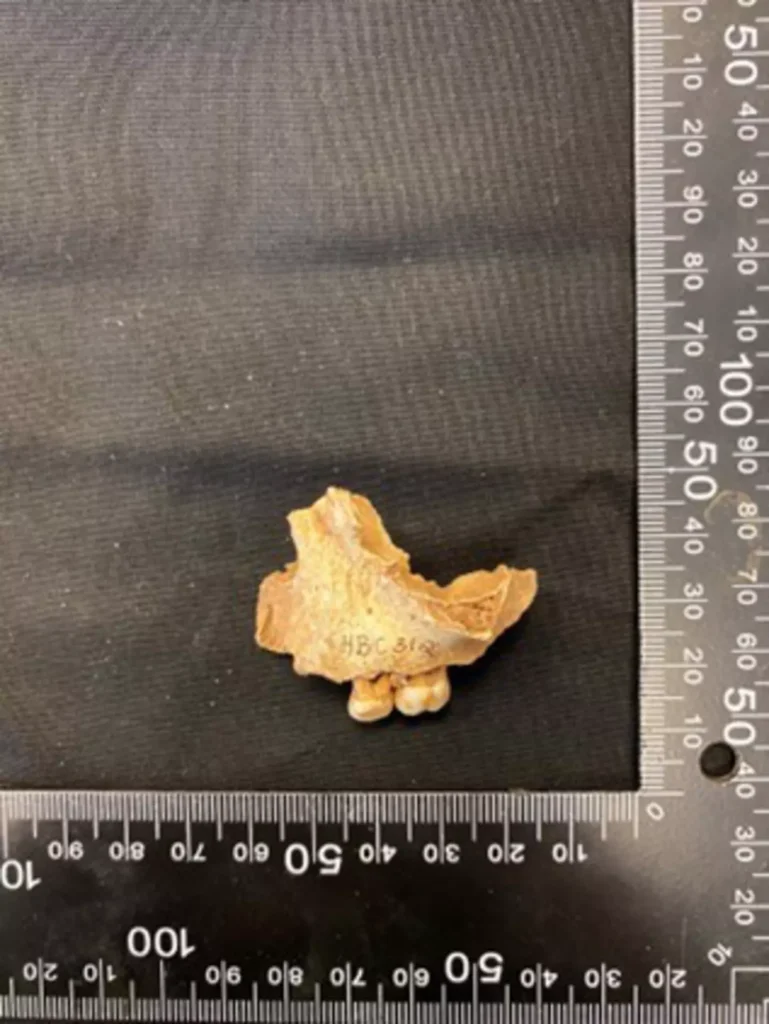
An international research team led by archaeologists at the University of Lancashire successfully extracted ancient DNA from the fragile remains. Despite poor preservation typical of early Holocene burials, scientists recovered enough genetic material to determine that the child was female and between 2.5 and 3.5 years old.
The findings, published in the Proceedings of the Prehistoric Society, mark a rare achievement in Mesolithic bioarchaeology. It is the first time researchers have identified both sex and age of such ancient remains in northern Britain with this level of precision.
Evidence of Care and Ritual
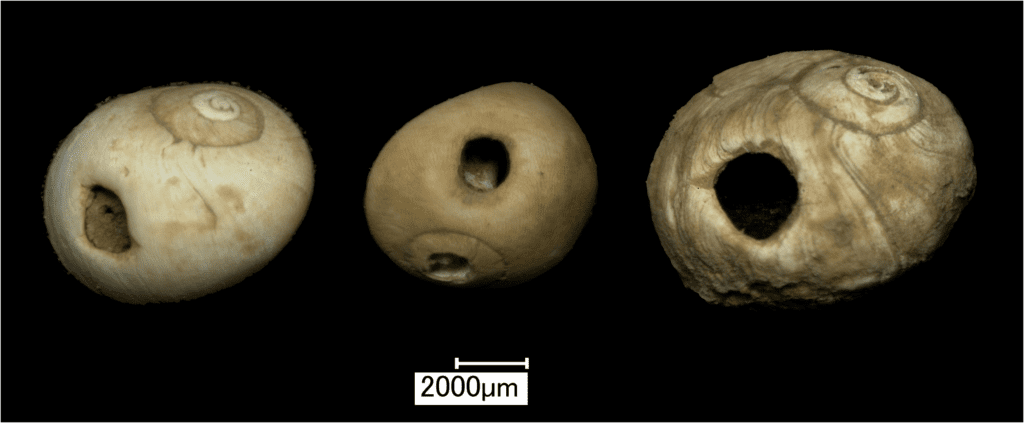
Archaeological evidence suggests the burial was intentional. Perforated shell beads, a deer tooth pendant, and other ornaments were found in association with the remains, all radiocarbon dated to roughly 11,000 years ago.
These objects point to structured funerary practices and symbolic behavior among some of Britain’s earliest post-glacial communities.
Excavations, led by local archaeologist Martin Stables, revealed that the cave served as a burial place across millennia. At least eight individuals were interred there during three prehistoric phases: the Early Mesolithic, Early Neolithic, and Early Bronze Age. The site reflects a long-standing ritual significance rather than a случайный deposition.
Rewriting Northern Britain’s Prehistory
Evidence of Mesolithic life in northern Britain is rare due to glacial erosion and limited preservation. Until now, the region’s earliest securely dated burial came from Kent’s Bank Cavern. The identification of the Ossick Lass pushes confirmed evidence of northern post-Ice Age communities further back in time.
More than a scientific milestone, the burial offers something deeply human: proof that even 11,000 years ago, communities marked loss with care, ornament, and ritual. In a newly warming world at the dawn of the Holocene, people were already shaping traditions that linked memory, landscape, and belief.
Warburton K, Peterson R, Barrington C, et al. Farthest North: Human Remains from Heaning Wood Bone Cave, Cumbria, UK and their European context. Proceedings of the Prehistoric Society. 2025;91:47-66. doi:10.1017/ppr.2025.10077
Cover Image Credit: Martin Stables – Proceedings of the Prehistoric Society