The Saudi Heritage Commission has uncovered 147 architectural units during the second excavation season at Ra’s Qurayyah Port in the Al-Ahsa Governorate of Saudi Arabia.
According to the Commission, the newly identified structures include residential buildings, large courtyards, and wells, indicating the presence of a well-organized coastal settlement rather than a small outpost. The scale of the remains suggests sustained habitation and structured urban planning.
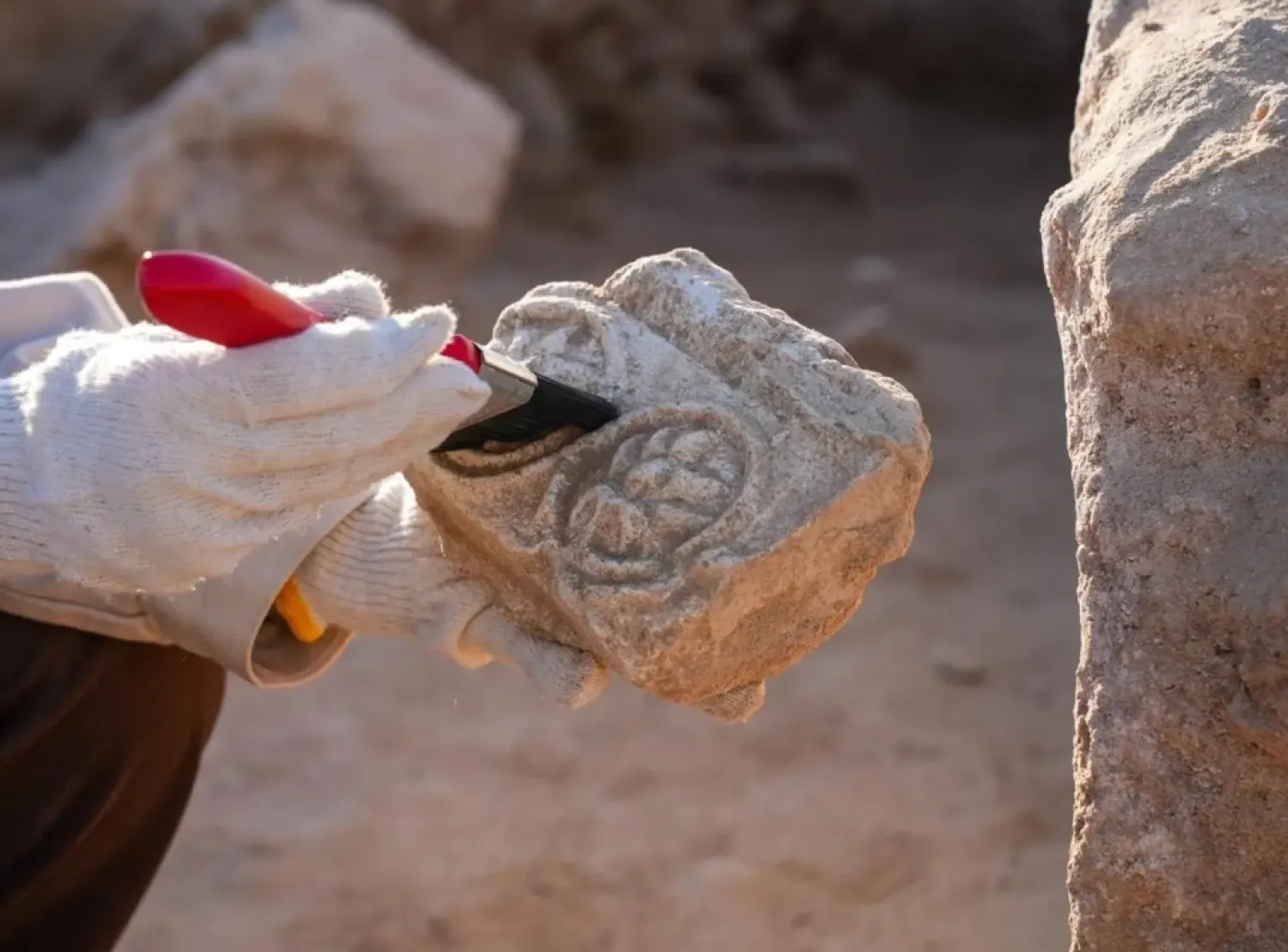
Among the most significant finds is a silver dirham dated to 148 AH (765–766 CE) from the Abbasid Caliphate period. Archaeologists also recovered glazed pottery fragments and bronze ornaments. These materials confirm that the site was active during the early Islamic era.
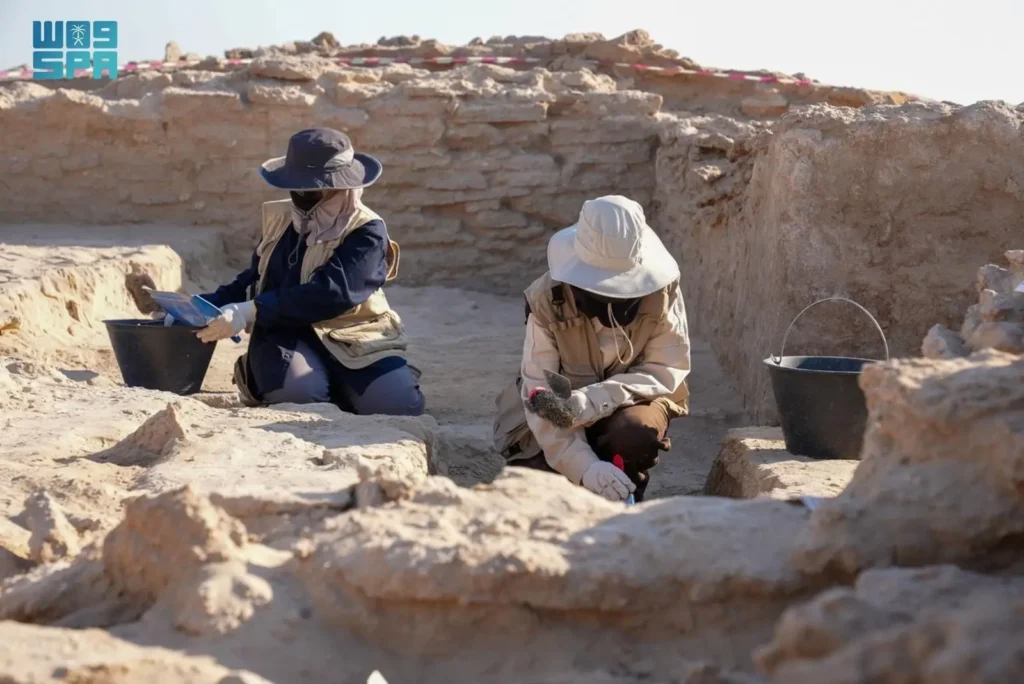
Scientific sampling and comparative analysis further indicate that Ra’s Qurayyah was occupied from the pre-Islamic period through the early Islamic centuries, continuing until approximately the late 4th century AH (10th century CE). This long occupation span points to the port’s regional importance along Gulf trade routes.
In its statement, the Heritage Commission emphasized that the excavation forms part of broader efforts to document and protect Saudi Arabia’s archaeological heritage. No direct quotations were included in the official release.
The discovery strengthens evidence that eastern Arabia hosted structured maritime settlements connected to wider commercial networks during both pre-Islamic and Abbasid periods.