-
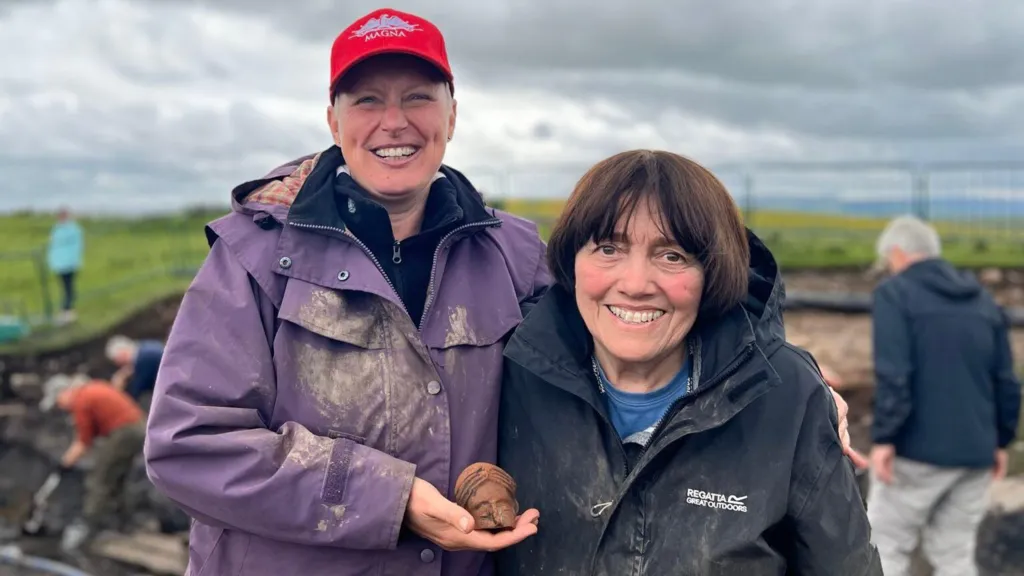
Volunteers Unearth Rare Roman Terracotta Head at Magna Fort
A routine excavation along the northern defences of Magna Roman Fort has produced an unexpected and unusually intimate discovery — a small terracotta head, recovered not by a senior specialist, but by two volunteers working side by side in the trench. Rinske de Kok and Hilda Gribbin were carefully clearing soil when the fired clay…
-
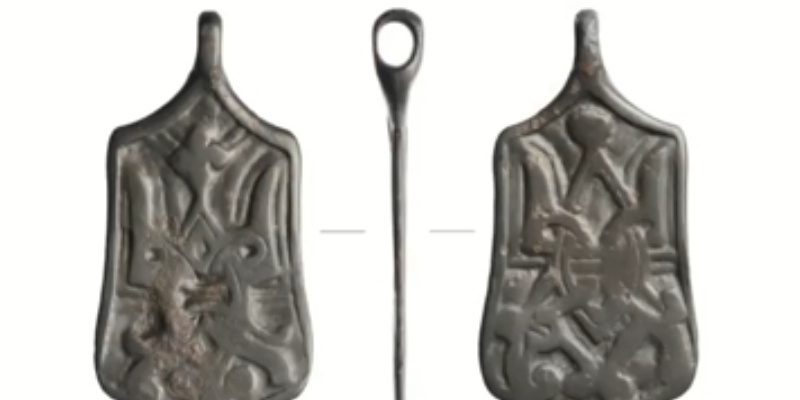
Rare Rurikid Trident Pendant Discovered in Old Ladoga Sheds Light on Early Rus’ State Formation
A small pendant unearthed in northern Russia is offering unusually concrete evidence of how power functioned in the earliest phase of the Rus’ state. Archaeologists excavating in Old Ladoga have discovered a rare 10th–11th century heraldic pendant bearing the trident emblem of the Rurikid dynasty. Scholars believe the object did not serve as simple adornment.…
-

Archaeologists Discover 116-Meter Lead Aqueduct In Situ at Petra
For years, Petra’s water system was described as practical, efficient, mostly gravity-driven. That picture just shifted. On the slopes of Jabal al-Madhbah, archaeologists have identified a 116-meter pressurized lead pipeline preserved in situ — a feature rarely documented in open-air aqueduct corridors in the eastern Mediterranean. The find sits within a 2,500-square-meter survey zone and…
-
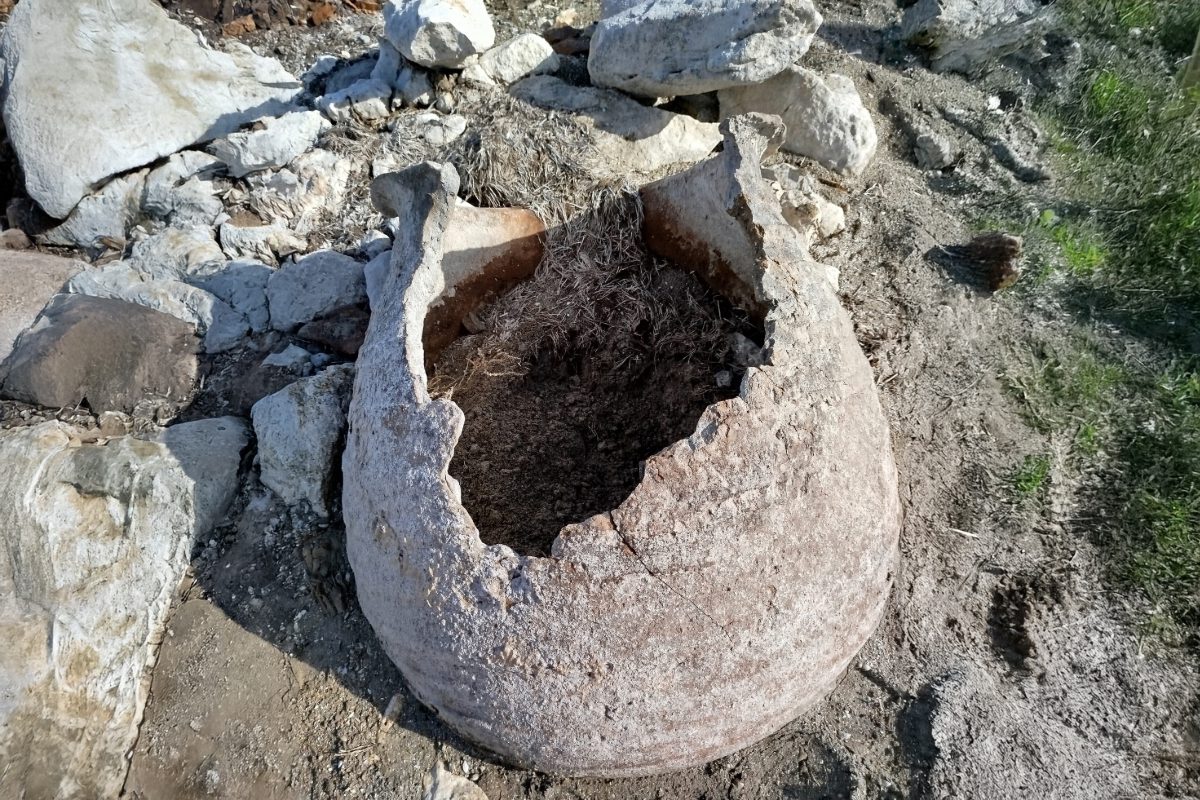
Drought Reveals Possible Ancient Jar Burials Along the Shores of Lake Eğirdir in Türkiye
A receding shoreline. Cracked earth where water once stood. And rising from the exposed lakebed—massive ceramic jars, partially buried in silt. Along the shores of Lake Eğirdir in southwestern Türkiye, severe drought has revealed what may be an ancient burial ground. As water levels dropped dramatically in recent years, villagers in Beydere began noticing large…
-
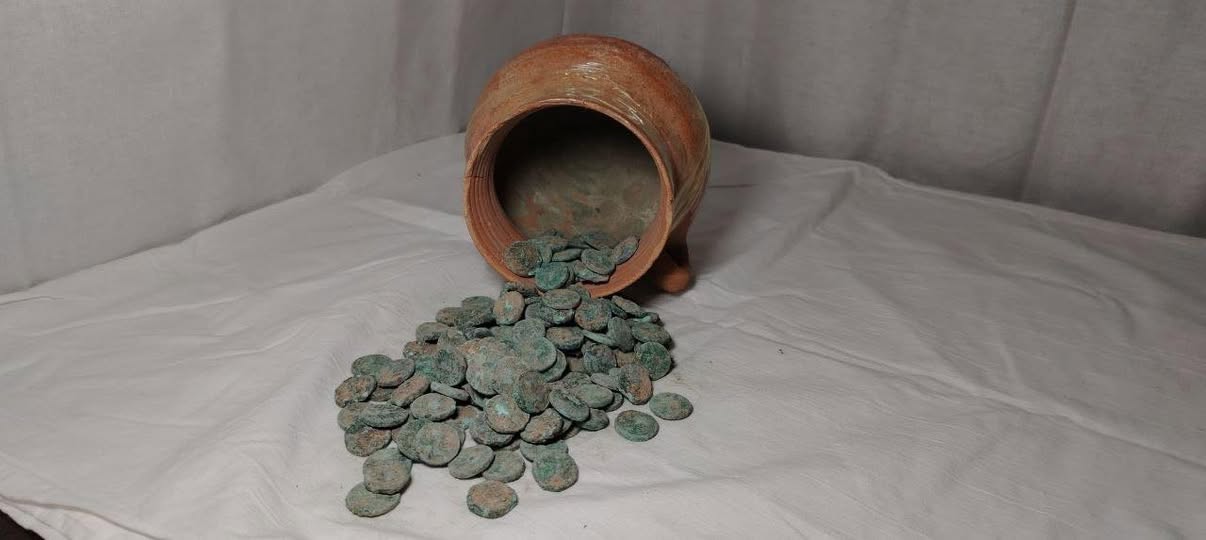
2,000-Year-Old Kushan Coin Hoard Unearthed in Tajikistan Sheds Light on a Forgotten Empire
A farmer’s routine work in southern Tajikistan has led to a discovery that reaches back nearly two millennia. In the Shahritus district, more than 150 copper coins dating to the 1st century AD were found buried inside a small ceramic vessel—an intact hoard from the early days of the Kushan Empire. The find, announced in…
-

9th-Century Skull with Surgical Opening Suggests Early Brain Operation in Viking-Age Britain
A shallow pit beneath an ancient hill in Cambridgeshire has yielded a discovery that feels unexpectedly modern: a young man from the ninth century whose skull bears the unmistakable sign of surgical intervention. The remains were uncovered during a training excavation by students from the University of Cambridge at Wandlebury Iron Age hill fort. Among…
-
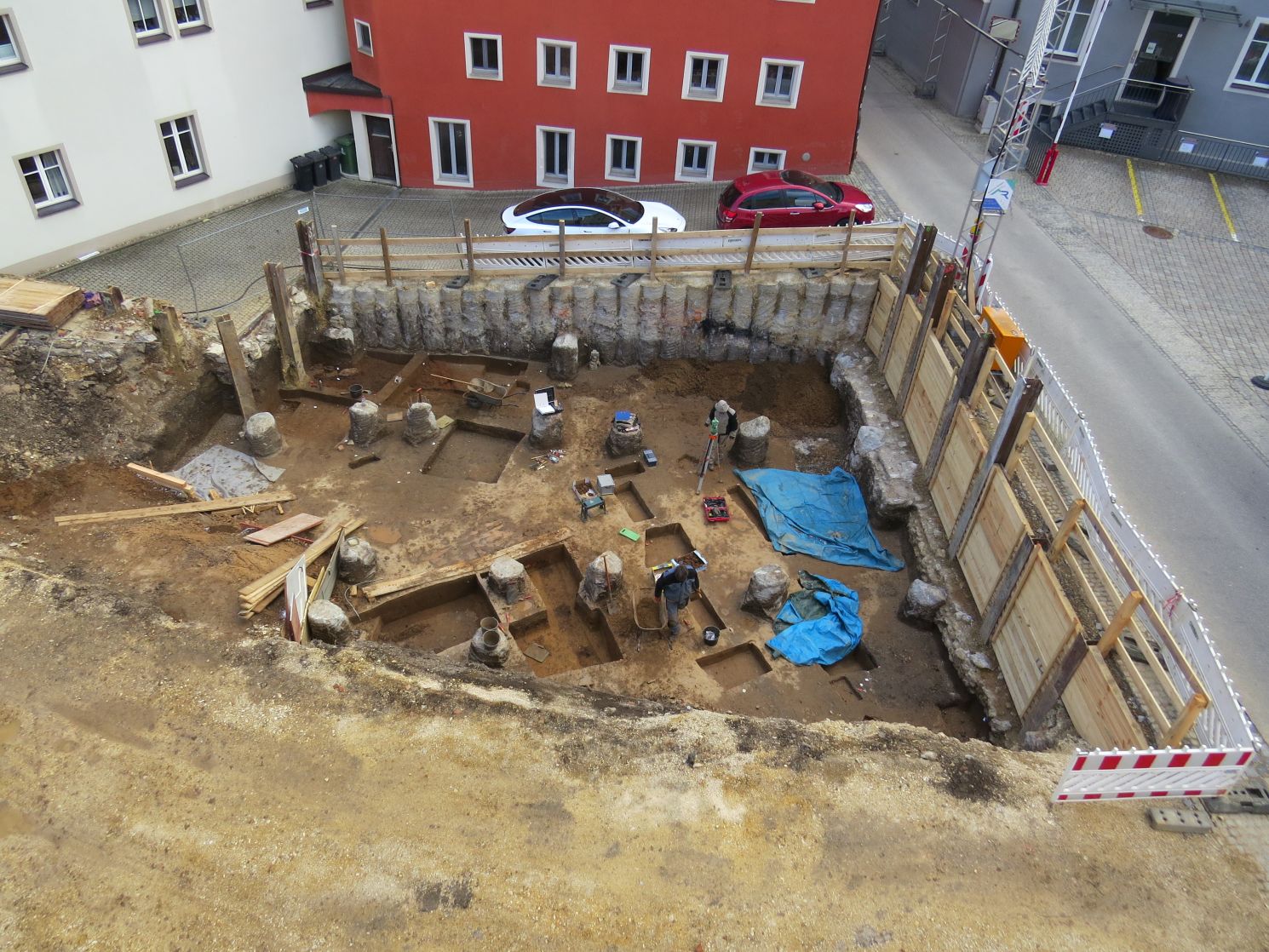
A Hidden Mithras Temple Found Beneath Regensburg Reveals Bavaria’s Oldest Roman Cult Site
In the very center of Regensburg, where medieval streets and baroque façades dominate the eye, something far older has surfaced. Quietly. Almost accidentally. What began as a routine archaeological assessment in the Old Town has led to one of the most consequential Roman discoveries in Bavaria in years: the remains of a Mithraeum—a sanctuary dedicated…
-

DNA Study Reveals Greece’s Deep Mani Preserved Ancient Hellenic Ancestry and Pagan Traditions for Centuries
For most of medieval Europe, the worship of ancient gods faded as Christianity reshaped cultural and religious life. Yet at the southern edge of Greece, a rugged peninsula known as Deep Mani appears to have followed a different path. A new DNA study now suggests that communities in this isolated region preserved ancient Hellenic ancestry…
-
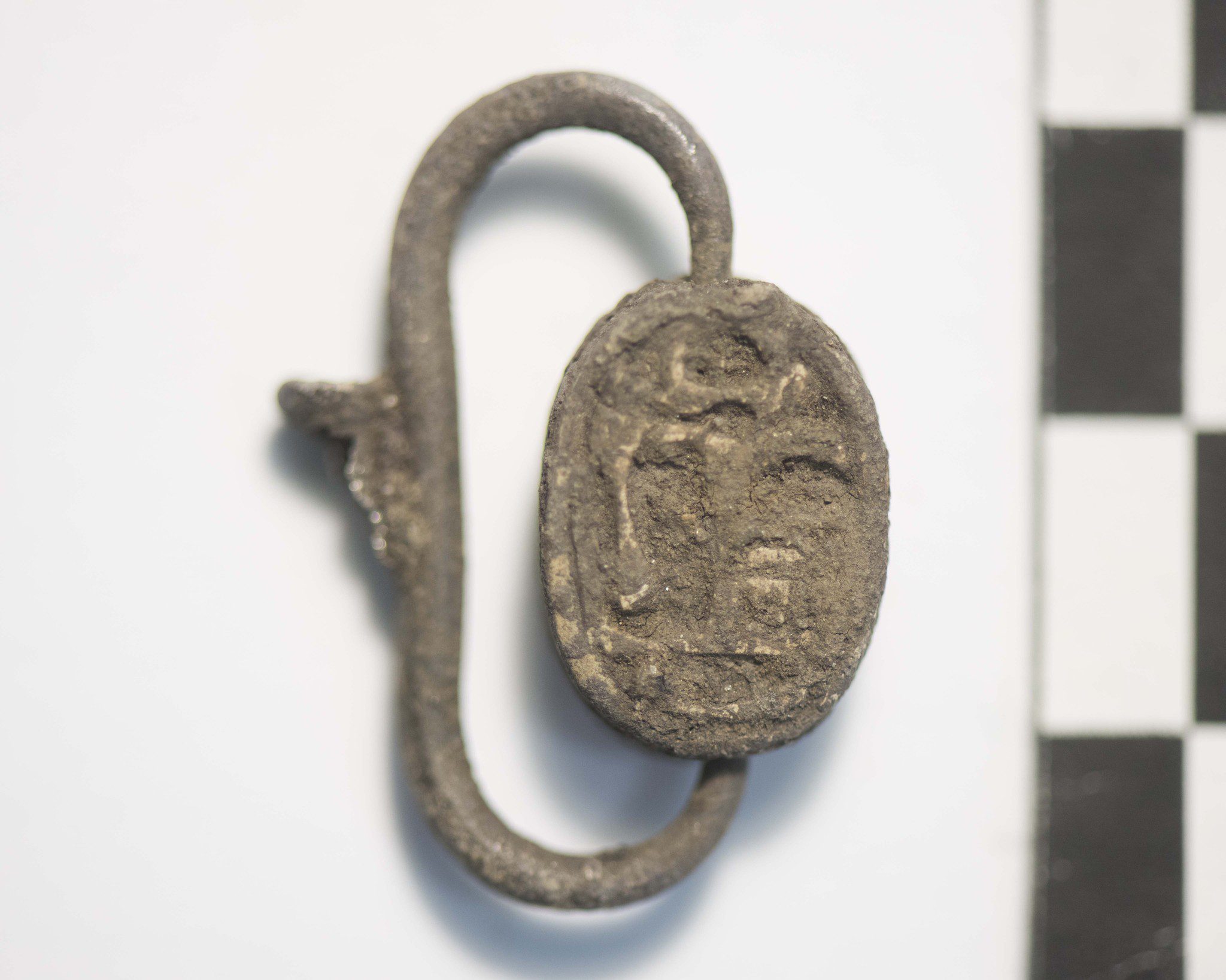
A 3,000-Year-Old Phoenician Scarab Seal Discovered in Sardinia’s Mountain Interior
Archaeological excavations in the rugged interior of Sardinia have revealed a discovery that is already reshaping discussions about ancient Mediterranean exchange networks. At the Nuragic site of Ruinas, near the mountain town of Arzana, researchers uncovered a steatite scarab seal that appears to provide compelling evidence of direct contact between Nuragic communities and the Phoenician…