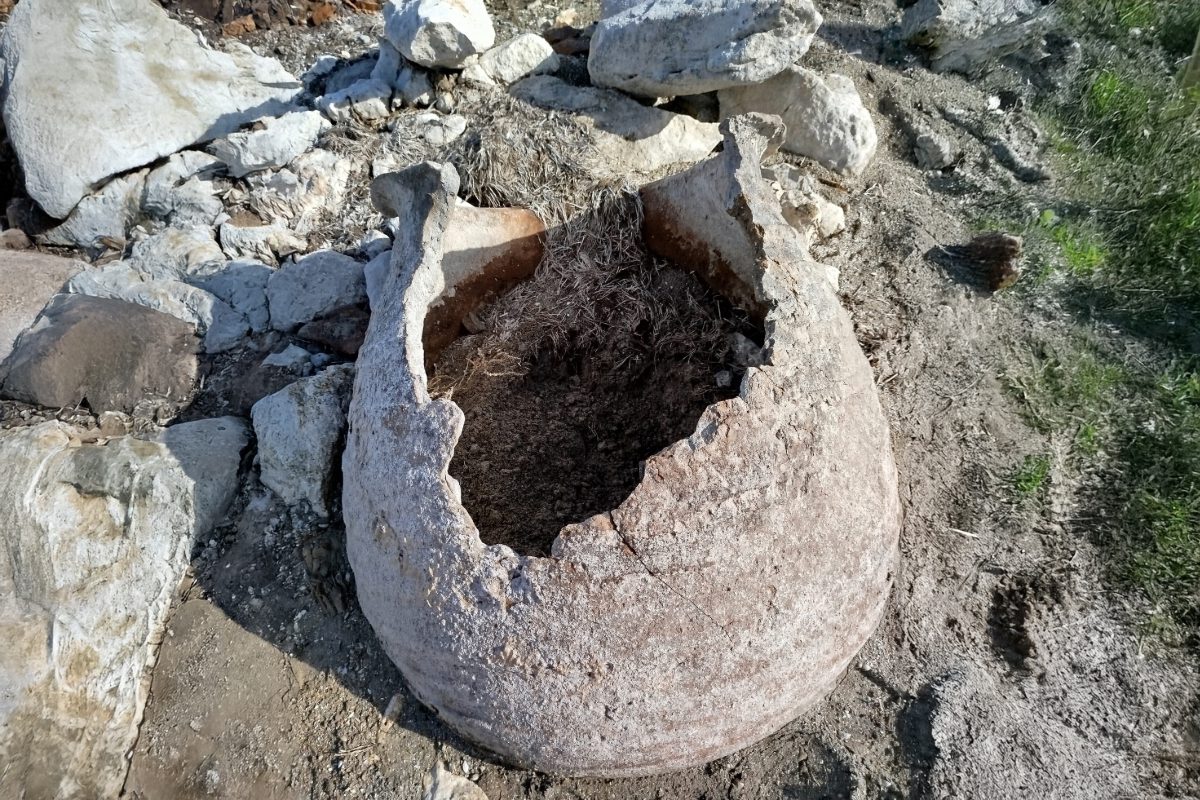
A receding shoreline. Cracked earth where water once stood. And rising from the exposed lakebed—massive ceramic jars, partially buried in silt.
Along the shores of Lake Eğirdir in southwestern Türkiye, severe drought has revealed what may be an ancient burial ground. As water levels dropped dramatically in recent years, villagers in Beydere began noticing large storage jars emerging from the mud. Some were intact. Others had already been broken open.
Inside several of them, locals reported fragments of what appear to be human bones.
The discovery has triggered concern, curiosity—and urgency.
A Lake Pulls Back, History Surfaces
Lake Eğirdir, Türkiye’s second-largest freshwater lake, has been shrinking under the pressure of prolonged drought. As the waters recede, previously submerged stretches of shoreline are being exposed for the first time in decades.
It was along this newly revealed strip near Beydere village that multiple large ceramic jars—some rising prominently from the lakebed—were spotted.
Preliminary observations suggest these may be pithos burials, a funerary tradition widely practiced in Anatolia during Antiquity. In this method, the deceased—often infants or children, though sometimes adults—were interred inside large storage jars and buried in cemeteries or settlement peripheries.
If confirmed, the site could represent a previously undocumented necropolis linked to one of the many ancient communities that once thrived around the lake.
Not all of the jars remain intact.
Several appear to have been deliberately broken, likely by individuals searching for valuables. Scattered ceramic fragments and bone pieces were observed around damaged vessels, raising fears of irreversible archaeological loss.
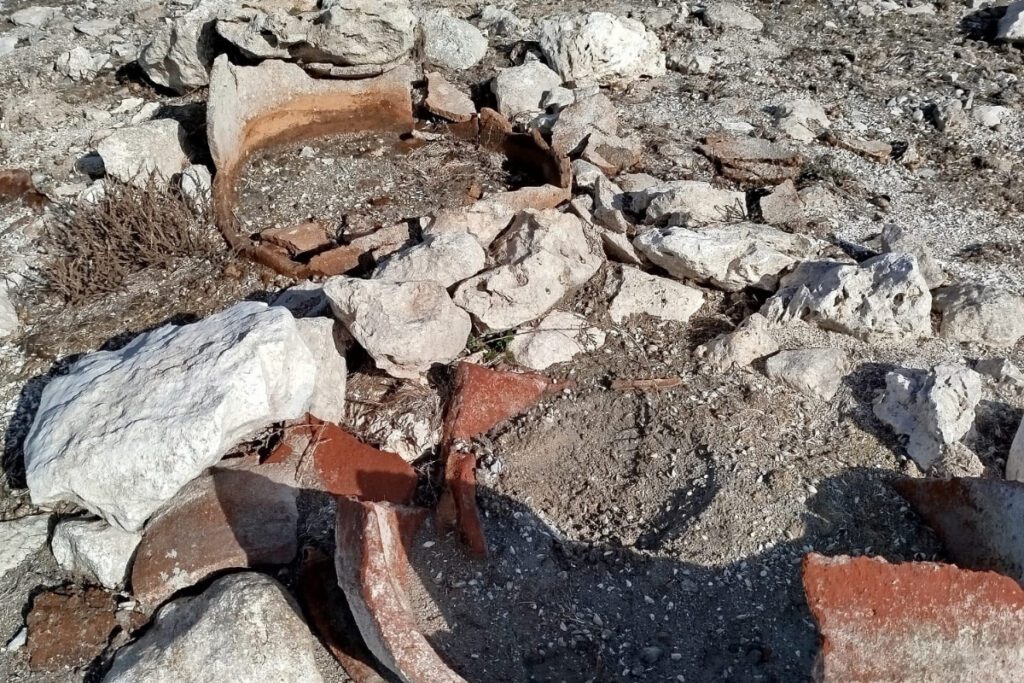
Experts warn that unauthorized interference at such sites can permanently destroy contextual information—details about burial orientation, associated artifacts, or stratigraphy that are crucial for understanding chronology and cultural practices.
Each shattered jar is more than broken pottery. It is a broken data point in the historical record.
Local residents have called for increased protection measures and rapid intervention by professional archaeologists.
“We Reported It Immediately”
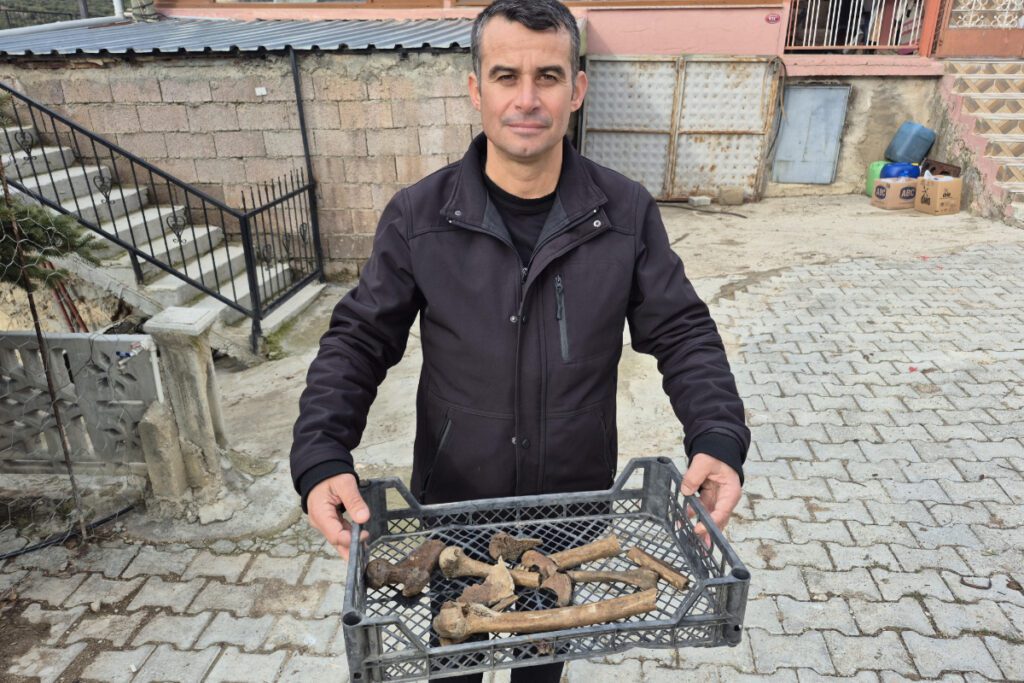
Ali Dalfidan, headman of Beydere village, stated that the discovery was promptly reported to local authorities. According to Dalfidan, bone fragments believed to be human were carefully collected and safeguarded to prevent further damage.
“We saw several large jars emerging along the shore as the lake receded,” he explained. “Some contained bone remains. We think they could be jar burials. But when we noticed that a few had been broken, we became concerned and contacted the authorities. We want experts to examine the area properly.”
A Region Layered With Civilizations
The Lake Eğirdir basin has been inhabited since Antiquity and bears traces of successive civilizations, including Roman, Byzantine, Seljuk, and Ottoman communities. Previous archaeological surveys in the region have identified ceramic fragments, architectural remains, and burial areas from various periods.
Jar burial traditions were especially common during the Hellenistic and Roman eras across parts of Anatolia. Their presence along Lake Eğirdir’s shoreline would suggest that ancient settlements once extended closer to the water—or that burial grounds were established near the lake’s edge.
Climate change and drought are reshaping modern landscapes. In some cases, they are also revealing forgotten chapters of human history. But exposure comes with risk. Without swift documentation and protection, newly surfaced sites can be damaged before proper archaeological assessment takes place.
For now, the receding waters of Lake Eğirdir have opened a window into the past. Whether that window leads to a formally documented archaeological site—or to irreversible loss—depends on what happens next.