-

Europe’s Oldest Textiles Emerge from an 8,000-Year-Old Neolithic Village Beneath an Italian Lake
Beneath the still waters of central Italy, archaeologists have uncovered a rarely preserved side of early human life—textiles, baskets, and cords woven nearly 8,000 years ago. The finds come from the submerged Neolithic settlement of La Marmotta, offering one of the clearest windows yet into Europe’s earliest fiber technologies. Unlike stone tools or pottery, organic…
-
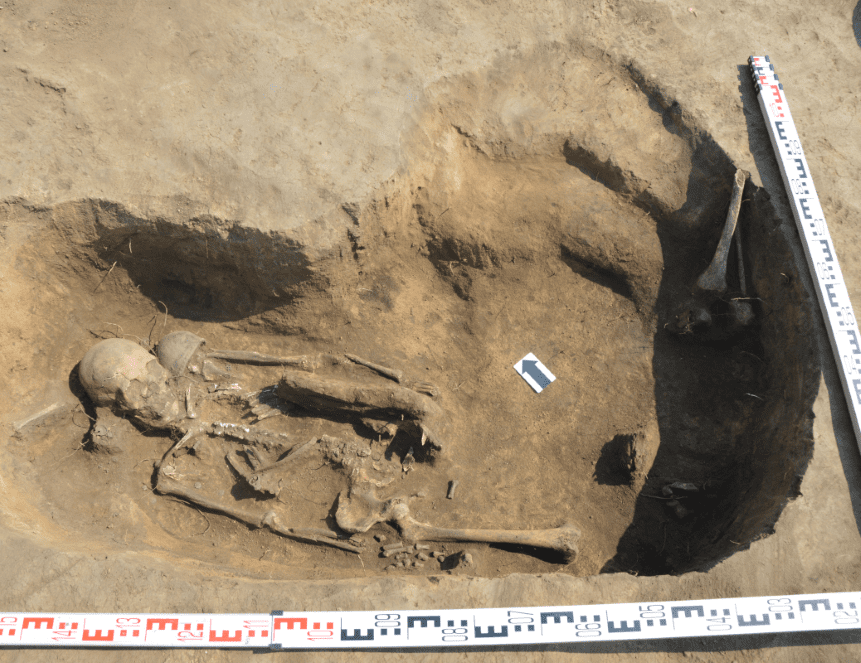
A Bear-Depicted Bronze Plaque from Early Medieval Altai Reveals a Forgotten Cultural Frontier
For more than thirteen centuries, it lay unnoticed in the soil along a quiet Siberian river. When it resurfaced, the object was small—a bronze plaque no wider than a hand—but its implications reach far beyond its size. Unearthed at the Chumysh-Perekat burial ground in southern Siberia’s Altai region, the plaque depicts three bears arranged in…
-
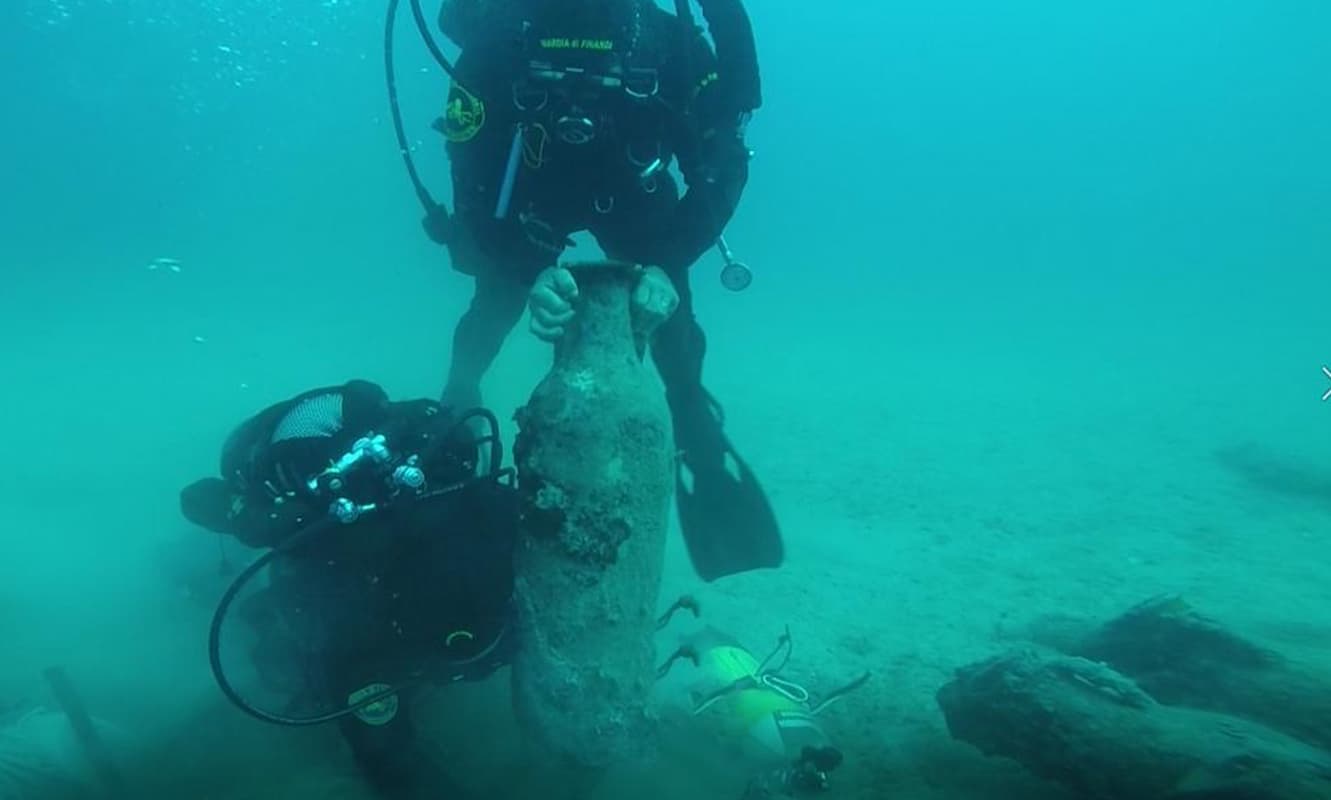
A Roman Cargo Giant Emerges from the Ionian Sea off Italy
Beneath the clear, unforgiving waters of the Ionian Sea, a silent witness to Rome’s maritime economy has been waiting for centuries. A large Roman merchant ship, discovered a few miles off the coast of Gallipoli in southern Italy, is now being revealed to the public after months of deliberate secrecy. The wreckfound in June 2025,…
-
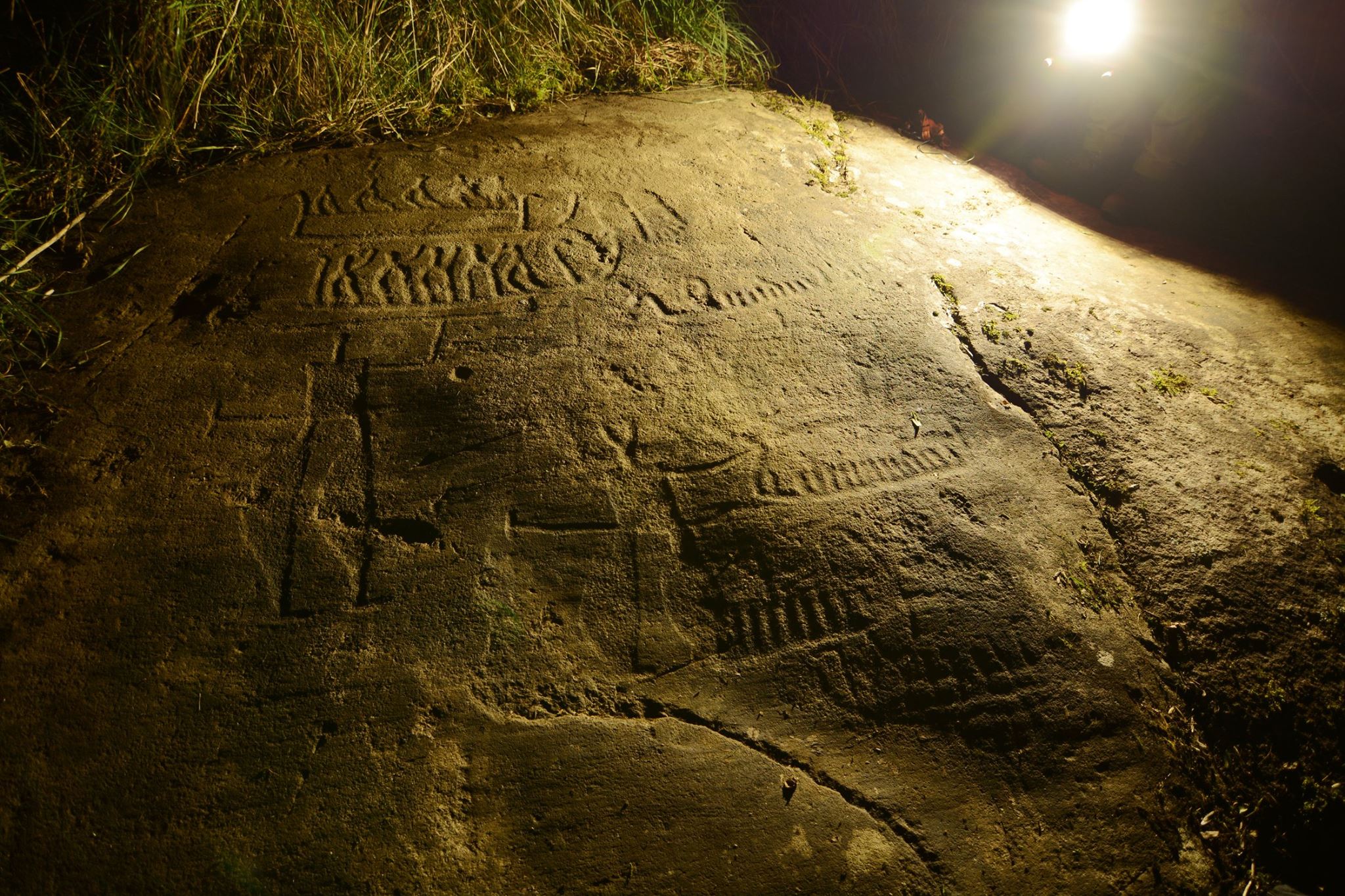
3,000-Year-Old Bronze Age Rock Carvings Discovered Beneath a Hill in Norway
A quiet hillside in eastern Norway has revealed a remarkable cluster of Bronze Age rock carvings, hidden in plain sight for more than 3,000 years. Discovered beneath a prominent hill in the Bærum region near Oslo, the newly documented images—ranging from large ship motifs to rare human imprints—are reshaping archaeologists’ understanding of how prehistoric Scandinavian…
-

Inca Child Sacrifices May Have Continued Long After Death, New CT Scans Reveal
High in the Andes, where thin air and freezing temperatures preserve the past with brutal clarity, the bodies of sacrificed Inca children have long been seen as silent witnesses to a single moment of ritual death. New research suggests that this assumption may be wrong. A bioarchaeological study led by Dagmara Socha at the University…
-
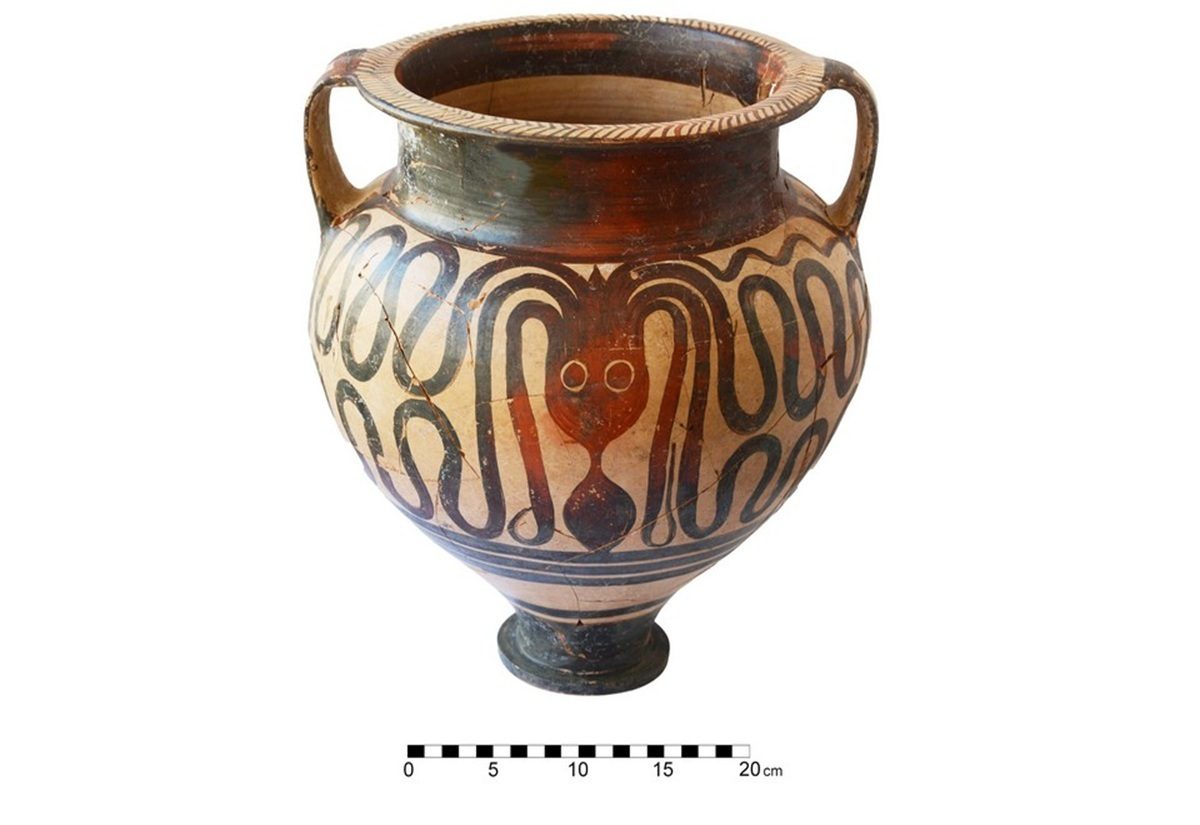
The Tombs That Stayed Closed: How Hala Sultan Tekke Reveals Cyprus’ Forgotten Power
Some archaeological discoveries impress by their scale. Others by their beauty.What archaeologists encountered at Hala Sultan Tekke in 2025 was different. These tombs mattered because they were left alone. For more than three thousand years, two Bronze Age burial chambers lay sealed after their stone ceilings collapsed in antiquity. No later burials. No looting. No…
-

The Port That Connected Mesopotamia to India: Archaeologists Rediscover Alexandria on the Tigris
A city that once stood at the crossroads of continents has quietly returned to the map of ancient history. Long forgotten beneath shifting rivers, modern borders, and decades of conflict, Alexandria on the Tigris was a major port founded in the age of Alexander the Great, controlling the flow of trade between Mesopotamia, India, and…
-
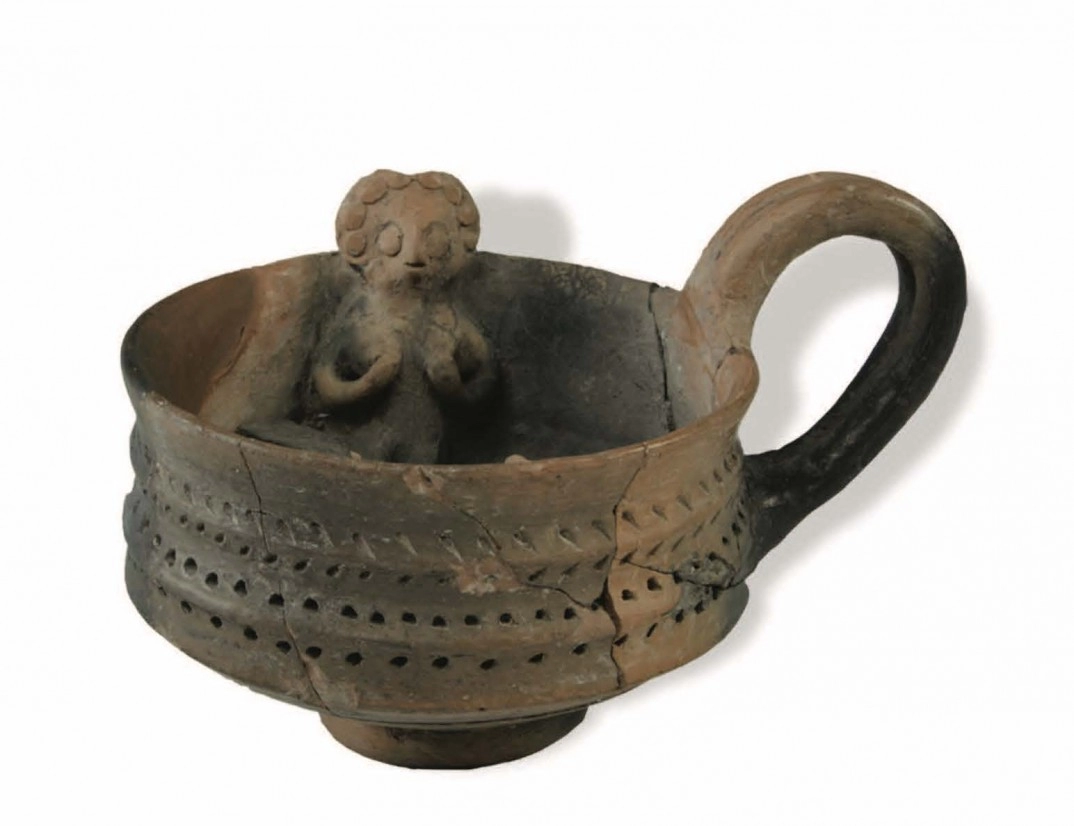
A Hittite Goddess Vessel from Eskiyapar and the Ritual of “Drinking the God”
The Hittites are often remembered for their fortified capitals, stone reliefs, and royal archives carved onto clay tablets. Yet behind their political power lay a dense and symbolic religious world, one in which gods were not distant beings but active participants in daily and ceremonial life. Some of their most intriguing rituals are described in…
-

5,000-Year-Old Rock Inscription in Sinai Reveals the Earliest Visual Claim of Political Power
In a remote desert valley of the Sinai Peninsula, a single carved image is forcing historians to rethink how—and how early—states projected power beyond their borders. A rock inscription dating back nearly 5,000 years has now been identified as one of the earliest known visual displays of political domination, predating many of the symbolic tools…