-

A Late Roman Bone Box Unlike Any Other Emerges from a Grave in Roman Britain
For months, archaeologists working at Milestone Ground in Broadway kept one discovery out of the spotlight. Now revealed, the find stands out as one of the most unusual small objects recovered from Roman Britain in recent years: an intact, finely carved bone box with no known parallels. The artefact, dating to the late Roman period,…
-

A 3,300-Year-Old Face Emerges from a Dilmun Grave in Bahrain
In the packed earth of a Middle Bronze Age burial in southern Bahrain, archaeologists have come face to face with something rarely encountered in Gulf archaeology: a crafted faience head, placed beside the dead more than three millennia ago. Discovered at the Hilla (Al-Hillah) site, the object is as striking as it is enigmatic—and may…
-

An Exceptionally Heavy 1,800-Year-Old Gold Roman Fidelity Ring Discovered at Bononia
Nearly six meters beneath the streets of modern Vidin, archaeologists uncovered an exceptionally heavy gold Roman fidelity ring lost nearly 1,800 years ago—an object that speaks not of war or imperial power, but of marriage, status, and social identity in the Roman world. The discovery was made during the final days of the 2025 excavation…
-
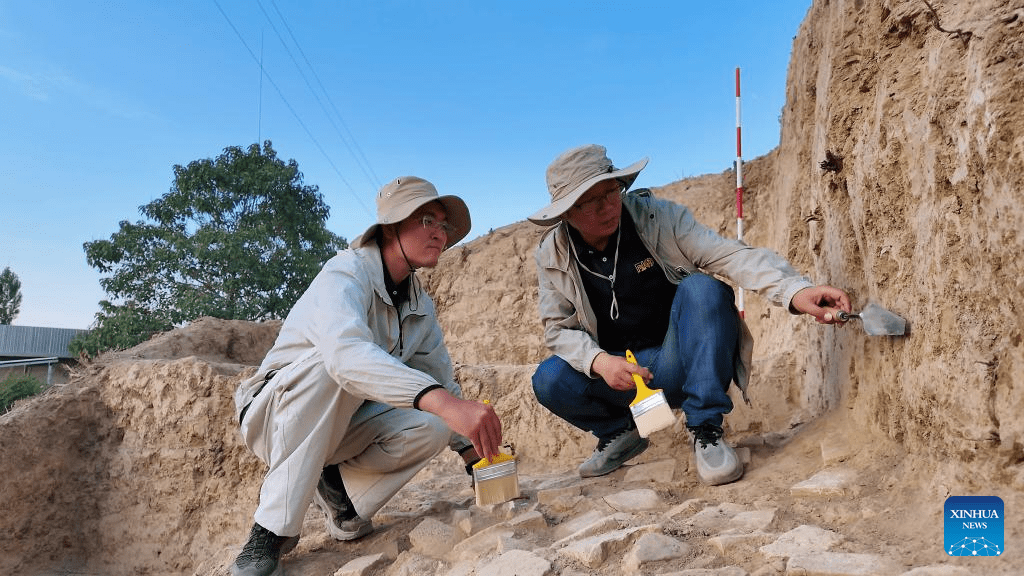
1,300-Year-Old Ancient City Walls Discovered in Kuva Along the Silk Road
Archaeologists working in eastern Uzbekistan have uncovered ancient city walls at Kuva that were built, altered, and reused over a period of nearly 1,300 years, revealing the long-term resilience of a key Silk Road settlement. Dating from the 3rd century BC to the 10th century AD, the fortifications provide rare physical evidence of continuous urban…
-

A Unique Bone Stylus from Ancient Gela Redefines Craft, Ritual, and Symbolism in Classical Greece
Archaeologists working in the ancient Greek city of Gela, on Sicily’s southern coast, have uncovered an object so unusual that specialists describe it as a true unicum—a discovery without known parallels in the archaeological record of Classical Greece. The find is a finely carved ceramist’s stylus made of bone, dated to the 5th century BCE,…
-

Byzantine Monastic Complex Discovered in Upper Egypt
In Upper Egypt’s Sohag region, archaeologists have uncovered a remarkably intact monastic residential complex dating to the Byzantine era — a discovery that offers rare, concrete insight into how early Christian monks organized their daily lives, prayer routines, and communal spaces. The site, excavated at Al-Qariah Bil-Dueir in the Tama district by an Egyptian mission…
-
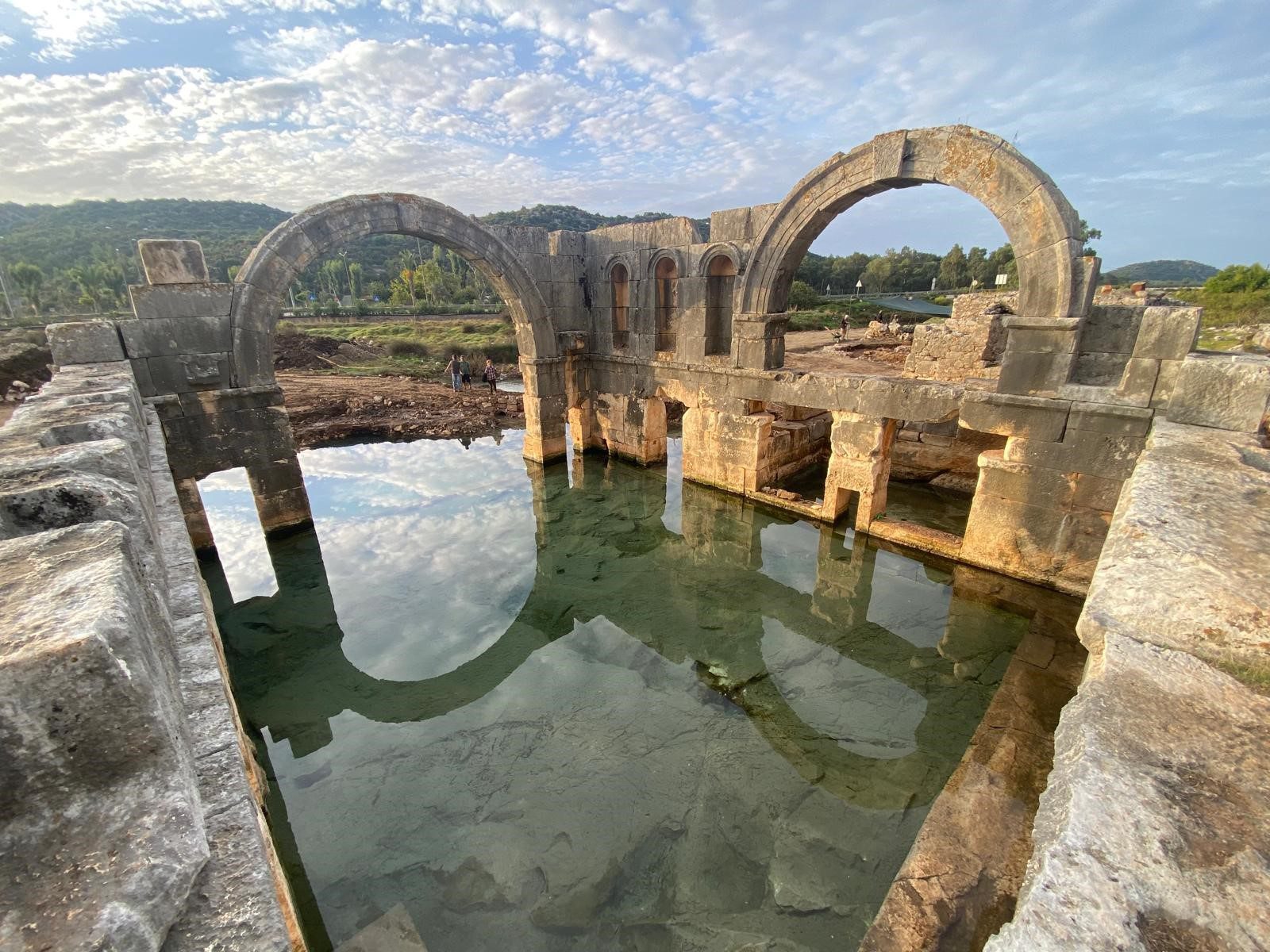
An 1,800-Year-Old Roman Bath Unlike Any Other Is Uncovered at Ancient Myra
At Myra Ancient City, archaeologists have uncovered an 1,800-year-old Roman bath whose design does not correspond to any known bath or water monument in the region. The discovery introduces a previously undocumented type of Roman thermal architecture, reshaping long-held assumptions about imperial-era building practices in Lycia. A Site Long Known, but Long Untouched The structure…
-
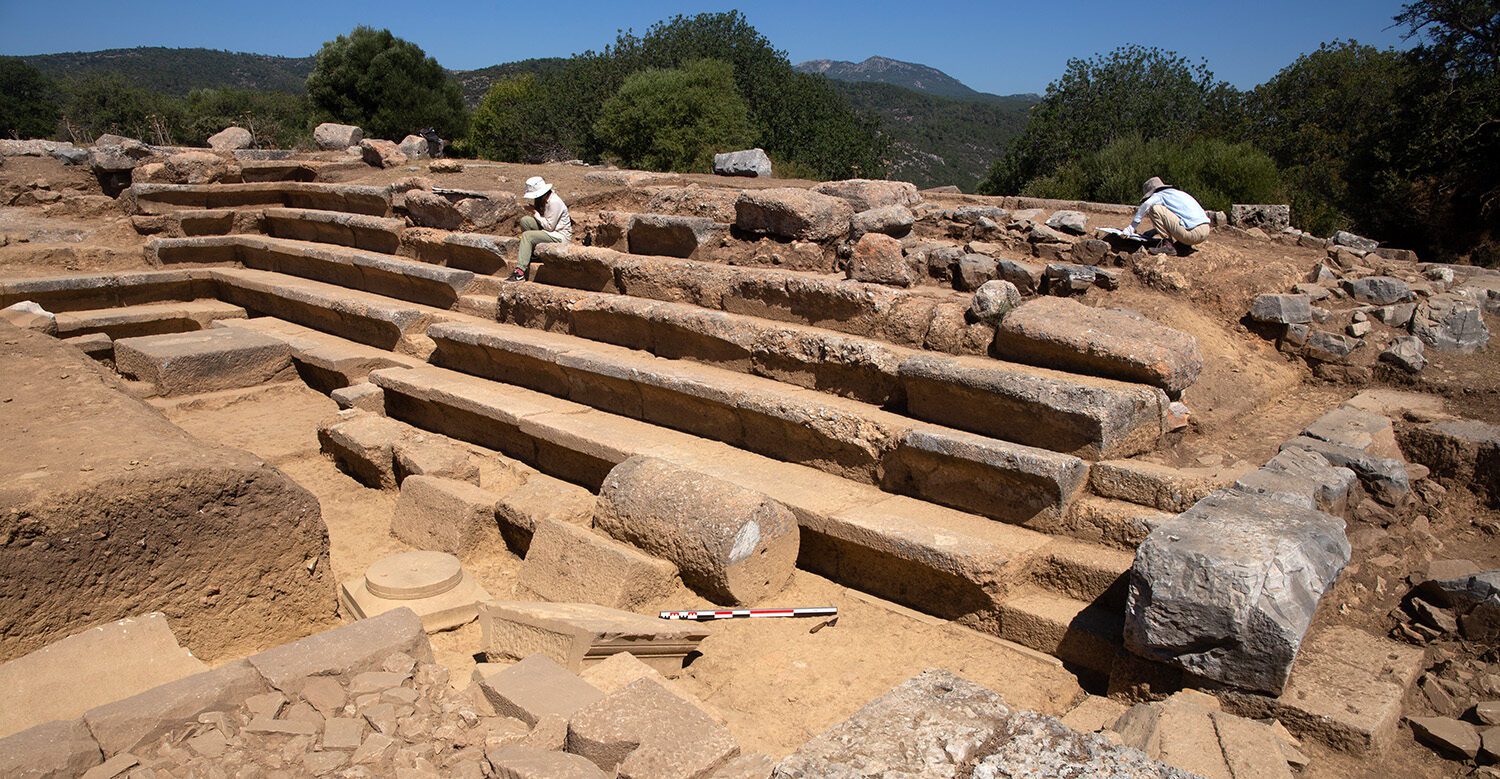
Persian Gold Hidden Beneath a Greek City: What a Hoard at Notion Reveals About Imperial Power
On the western edge of Anatolia, far from royal capitals and imperial courts, the Greek-founded harbor city of Notion once found itself entangled in the financial machinery of one of antiquity’s greatest empires. The evidence did not come in the form of inscriptions or monumental architecture—but from a modest ceramic pot buried beneath the floor…
-
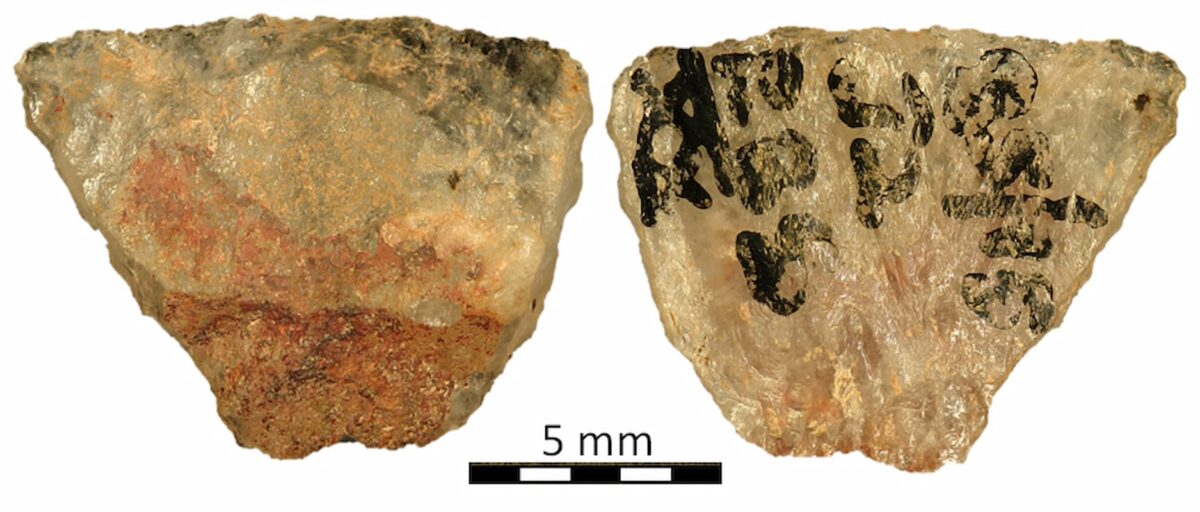
Ancient Poisoned Arrowheads: Chemical Traces Push Complex Hunting Back 60,000 Years
A set of quartz arrowheads from southern Africa has quietly rewritten the deep history of human technology. Chemical residues preserved on these small stone points reveal that early Homo sapiens were coating their weapons with plant-based poison around 60,000 years ago—tens of millennia earlier than any previously documented, direct evidence for such a practice. The…