-

Before Homo sapiens Had a Name: 773,000-Year-Old Fossils in Morocco Redraw Humanity’s Deepest Roots
For decades, the search for humanity’s deepest origins revolved around a familiar map: East Africa as the unquestioned cradle, Europe as the stage for later divergence, and the Sahara as a vast biological wall in between. New fossil evidence from Morocco now forces a fundamental reassessment of that narrative. At a quarry on the Atlantic…
-

A Jewel of Power: Pearl-Inlaid Ivory Archer’s Ring from an Artuqid Palace Stuns Archaeologists
Archaeologists working at Hasankeyf have uncovered an object so rare that it has no known parallel in medieval archaeology. During the 2025 excavation season, a luxuriously decorated ivory archer’s ring (zihgir)—inlaid with pearls, silver, and turquoise—was discovered within the Great Palace complex, immediately raising questions about power, identity, and elite display in medieval Anatolia. An…
-
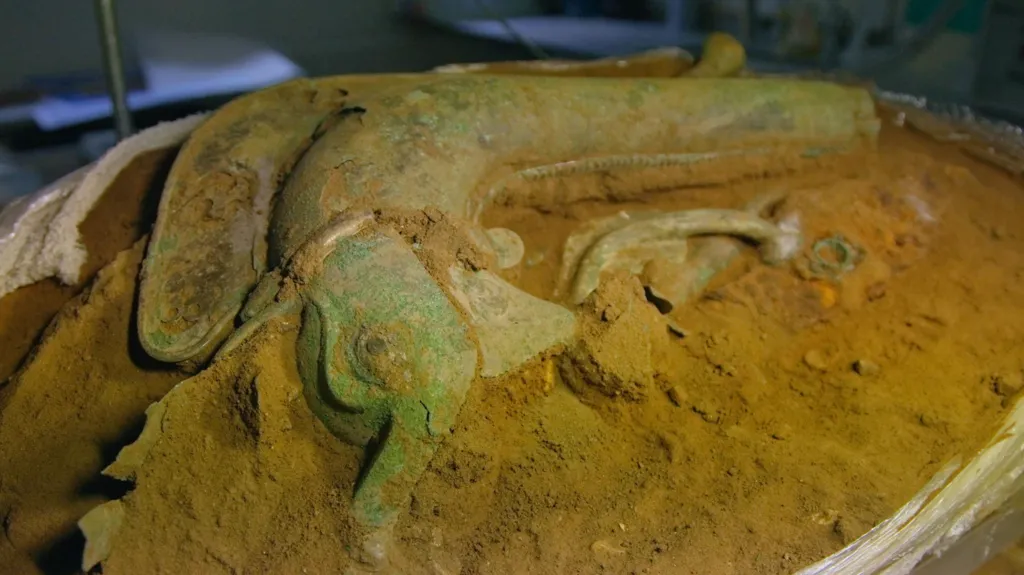
Iron Age War Relics Rewrite Britain’s Past: Europe’s Most Complete Carnyx Found with a Rare Boar Standard
An unassuming construction site in eastern England has yielded one of the most extraordinary Iron Age discoveries ever made in Britain. Archaeologists working near Thetford, in Norfolk, have uncovered two exceptionally rare war objects buried together—a combination so unusual that researchers say it could transform how Iron Age warfare, symbolism, and sound are understood. At…
-

Astonishing Claim from Madagascar: Teniky May Be a Medieval Persian Zoroastrian Sanctuary
Hidden deep within the rugged canyons and rainforests of Isalo National Park, the archaeological site of Teniky has long been regarded as one of Madagascar’s most perplexing enigmas. Carved sandstone niches, dry-stone walls, and its extreme isolation have puzzled researchers for decades. For years, the dominant explanation linked the site to shipwrecked Portuguese sailors of…
-
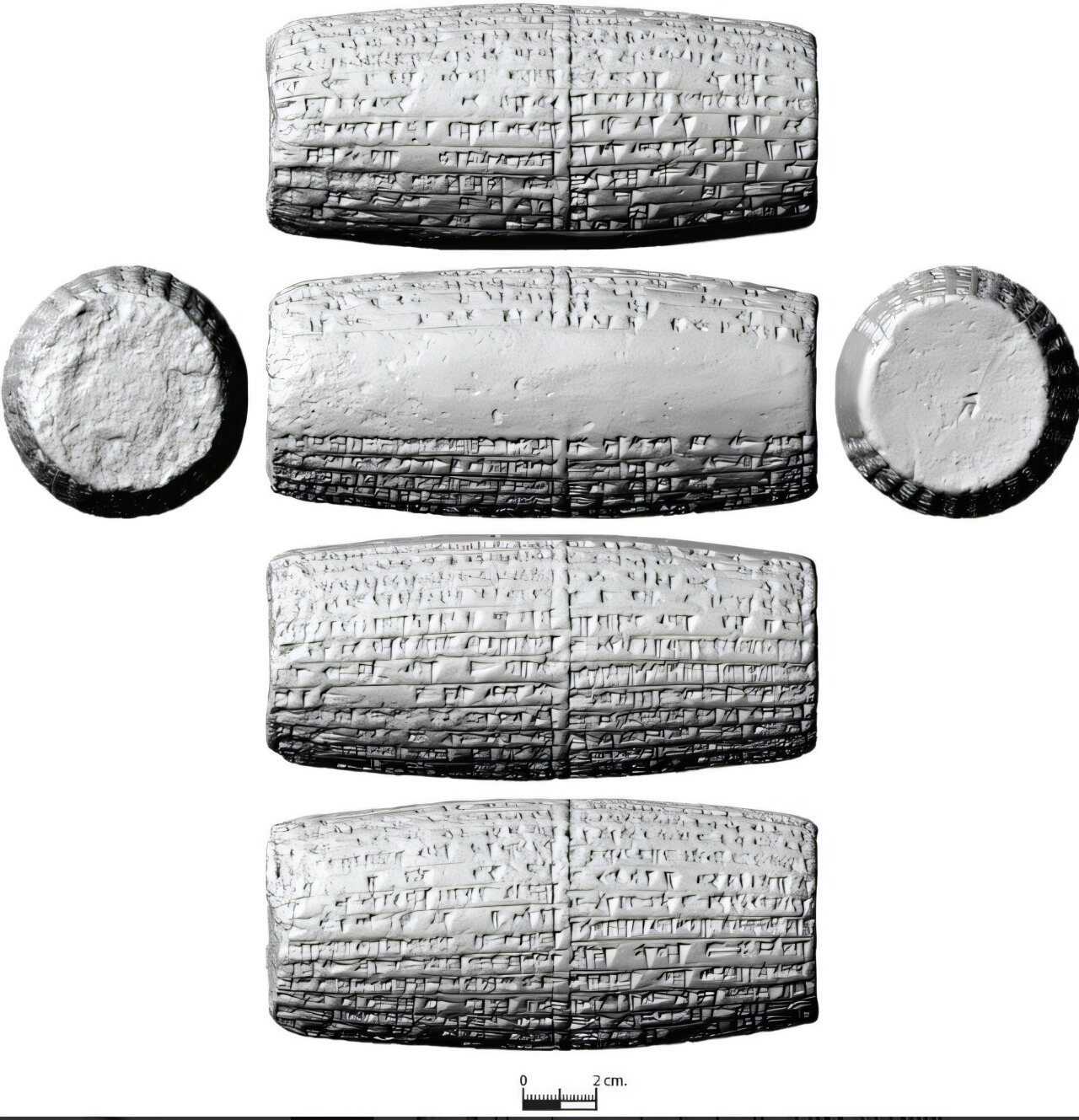
Newly Studied Clay Cylinders Reveal Nebuchadnezzar II’s Work at the Ziggurat of Kish
For generations, Nebuchadnezzar II’s involvement at the ancient city of Kish was inferred rather than proven. His name appeared on scattered stamped bricks, hinting at royal intervention, but no formal building inscription had ever confirmed his hand in restoring the city’s monumental ziggurat. That gap has now been decisively closed. Two inscribed clay cylinders—quietly handed…
-

A 5,000-Year-Old Dolmen Reenters History: Medieval Islamic Burials Transform the Meaning of Menga
For most of its modern history, the Menga Dolmen has been treated as a closed chapter of European prehistory—a monumental relic frozen in the Neolithic past. New research now shows that this assumption is fundamentally wrong. Far from being abandoned after antiquity, Menga was intentionally reclaimed as a sacred space during the Islamic Middle Ages,…
-

Hybrid Camels on the Rhine: Archaeologists Reveal an Unexpected Chapter of Roman Basel
Archaeological research in Basel has produced an unexpected finding that is reshaping assumptions about daily life on the northern frontier of the Roman Empire. Beneath the modern city, researchers have identified the remains of a hybrid camel dating to the fourth century CE, offering rare and concrete evidence that camels were not confined to desert…
-
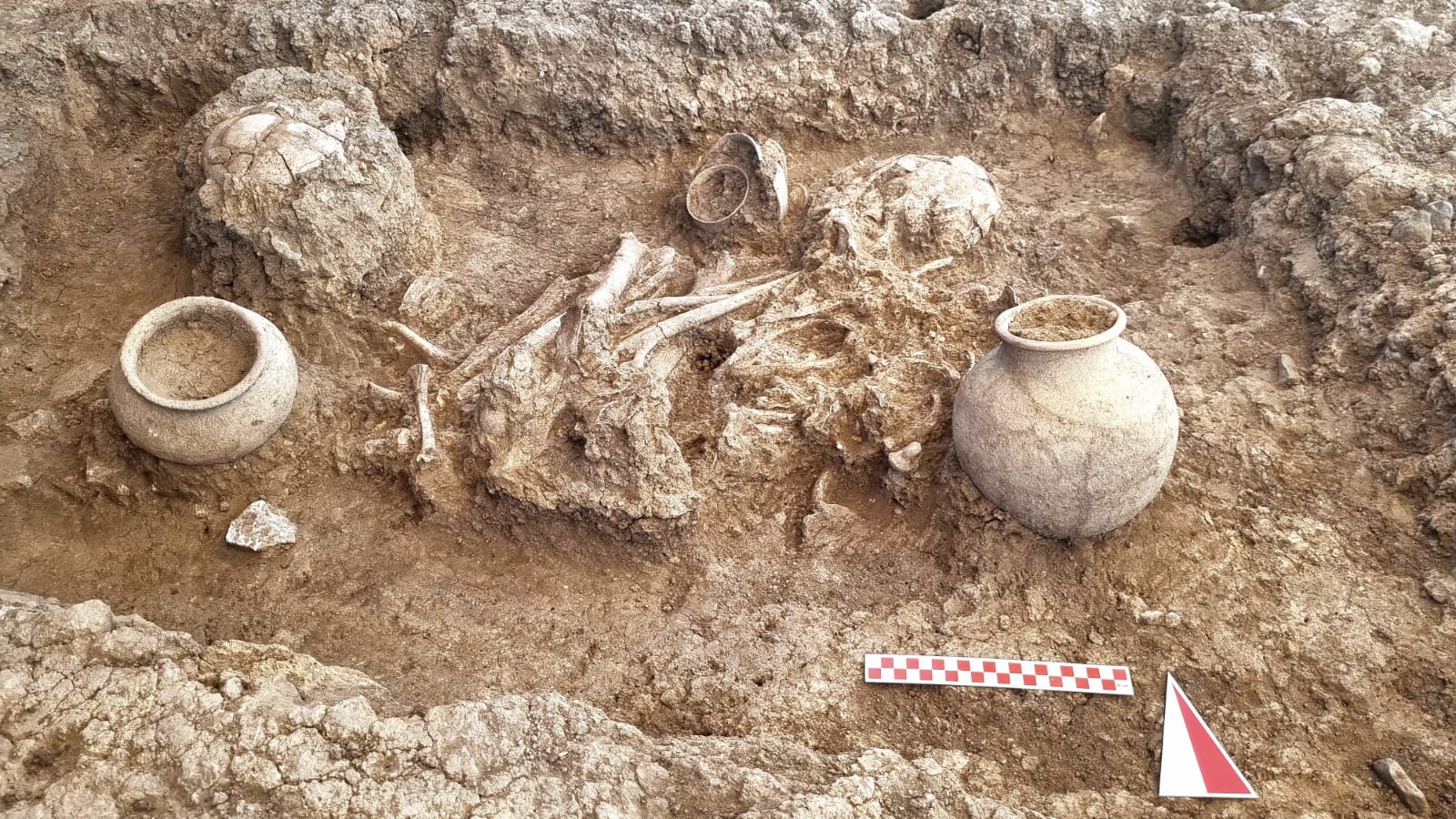
DNA Evidence from Çayönü Tepesi Is Redrawing the Origins of Neolithic Communities
In southeastern Anatolia, at the prehistoric settlement of Çayönü Tepesi, human bones that have rested underground for millennia are beginning to tell a new story. Ongoing genetic research is now revealing how early farming communities were shaped not in isolation, but through sustained contact across Anatolia, Mesopotamia, and the Caucasus. What the Bones Reveal About…
-
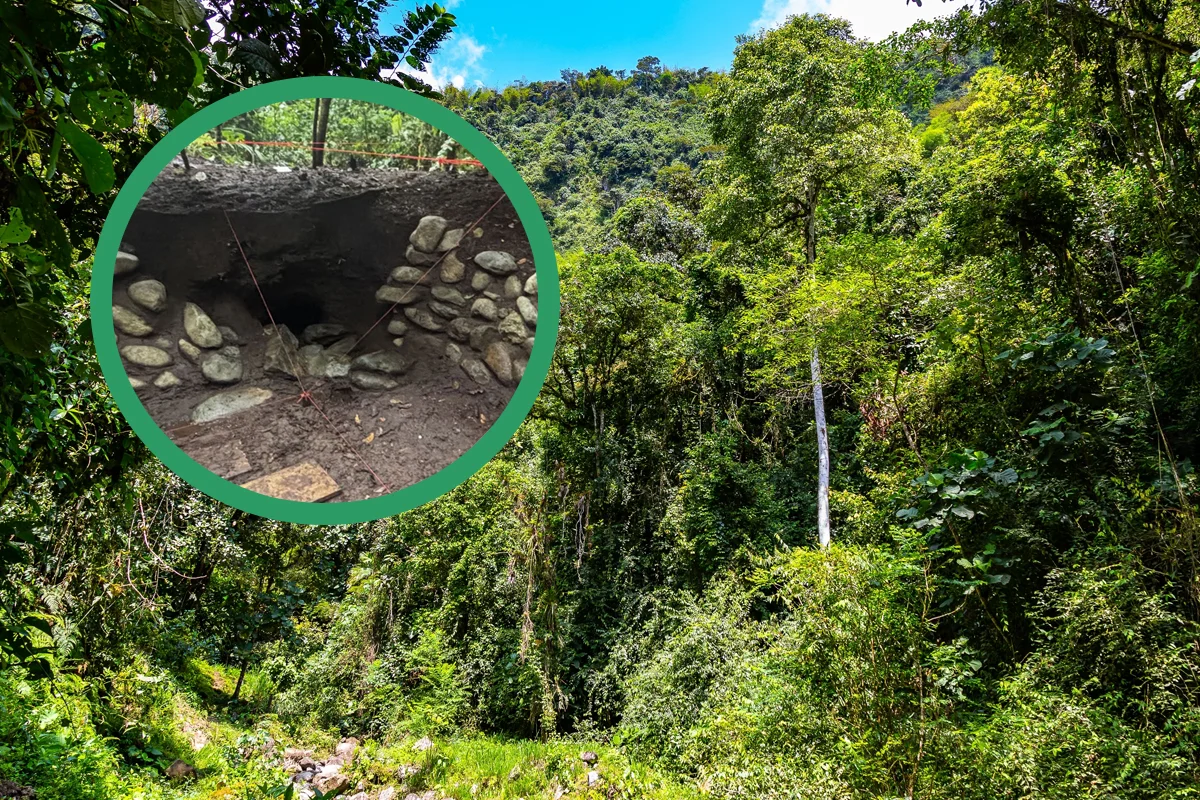
LiDAR Uncovers a Vast Lost Pre-Hispanic Landscape in Ecuador’s Andean Chocó
Deep beneath the dense rainforest of north-western Ecuador, traces of a forgotten human world are quietly resurfacing. What long appeared to be untouched jungle is now understood as a carefully shaped cultural landscape, revealed through airborne LiDAR scanning in the Andean Chocó region near Quito. A Forest That Concealed Centuries of Human Planning The discovery…