-
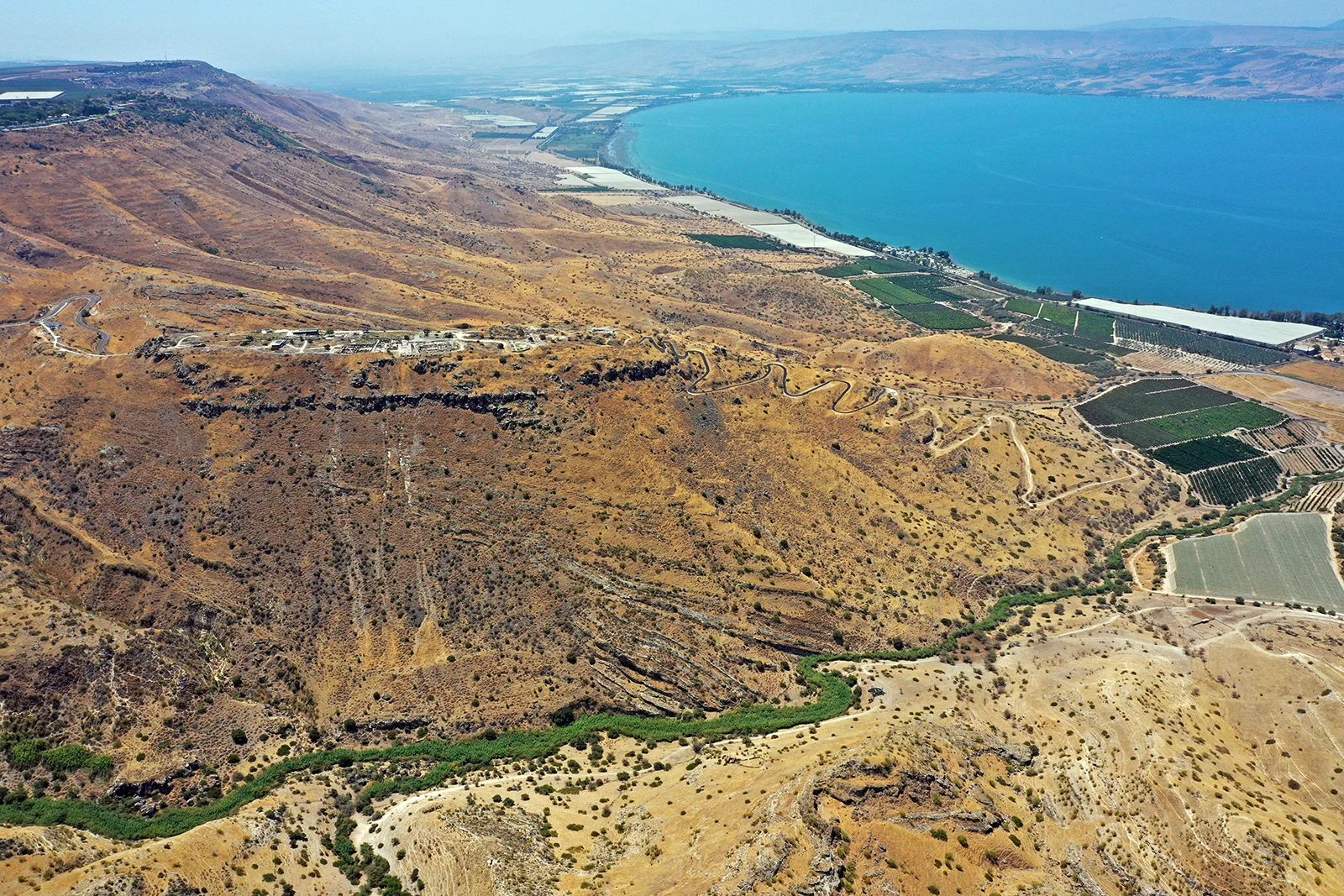
A 1,600-Year-Old Nursing Home Has Been Discovered in a Byzantine City Near the Sea of Galilee
At first glance, it looked like an ordinary mosaic floor. But a short inscription embedded in stone told a very different story—one that reaches into the social heart of the Byzantine world. Archaeologists working at the ancient city of Hippos, overlooking the Sea of Galilee, have uncovered what may be the earliest archaeological evidence of…
-

The Silk Road City Beneath the Water: A Medieval City Discovered in Lake Issyk-Kul
Archaeologists have confirmed the existence of a medieval Silk Road city lying beneath the waters of Lake Issyk-Kul—a discovery that reshapes historical understanding of Central Asia’s submerged past. The site, identified as the long-lost settlement of Toru-Aygyr, was revealed by researchers from the Russian Academy of Sciences and officially announced on November 18, 2025. Hidden…
-
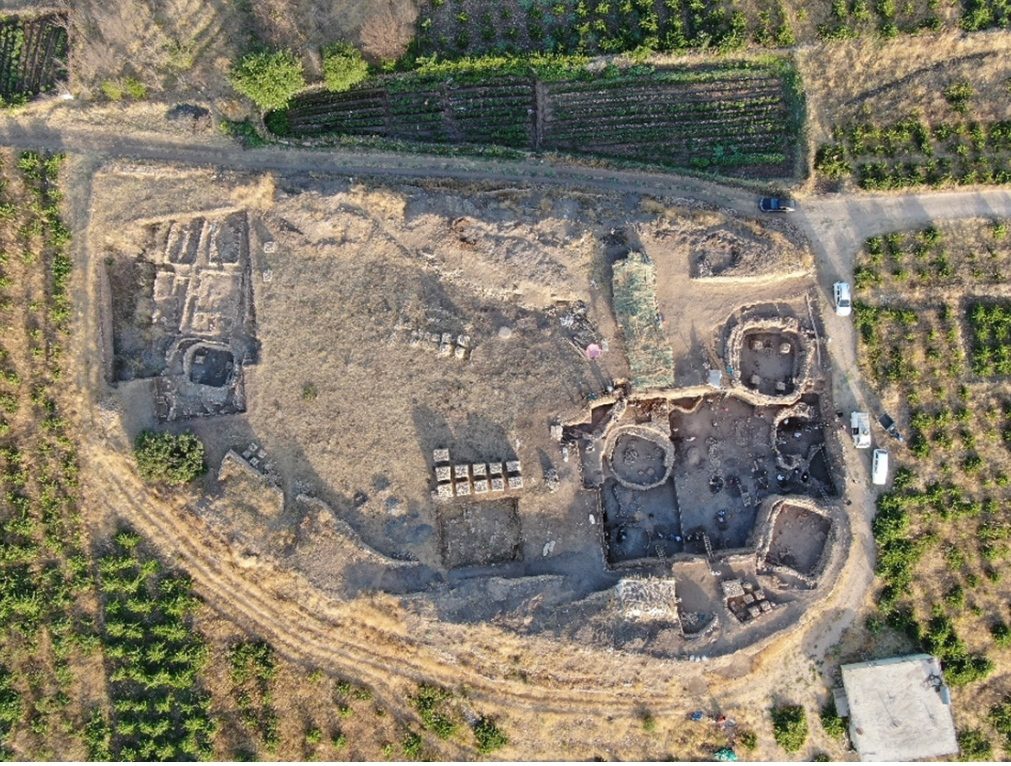
According to archaeologists, finds from the Gre Fılla Mound show the region was contemporary with Göbeklitepe
Archaeological research at the Gre Fılla Mound in southeastern Türkiye indicates that the site belongs to the same broad cultural horizon as Göbeklitepe, placing the region firmly within the Pre-Pottery Neolithic period. The available material evidence suggests that Gre Fılla was part of a wider network of early sedentary communities, active approximately 11,000 to 12,000…
-

Lost City of Almanzor May Have Been Found: LiDAR Data Points to Medina Alzahira
For more than a century, the exact location of Medina Alzahira, the vanished seat of power built by Almanzor at the height of Umayyad rule in al-Andalus, has remained one of medieval Iberia’s most persistent archaeological riddles. Dozens of hypotheses were proposed. None could be anchored to verifiable physical evidence. That may now have changed.…
-

Europe’s Lost Black Death Graves Found: Scientists Identify First Systematically Proven Plague Mass Burial
A long-missing chapter of medieval Europe’s deadliest pandemic is finally emerging from the ground An interdisciplinary research team has identified compelling evidence of a Black Death mass grave near the abandoned medieval village of Neuses, just outside Erfurt. The discovery represents the first systematically identified plague burial site in Europe, offering rare physical confirmation of…
-

5,000-Year-Old Rock Art Sites Discovered in Saudi Arabia’s Soudah Peaks
A rugged highland zone in southwestern Saudi Arabia has yielded one of the most extensive recent rock art discoveries in the region. The Saudi Arabia’s Heritage Commission, working in partnership with Soudah Development, has announced the identification of 20 previously undocumented rock art sites across the Soudah Peaks area. The newly recorded sites lie within…
-
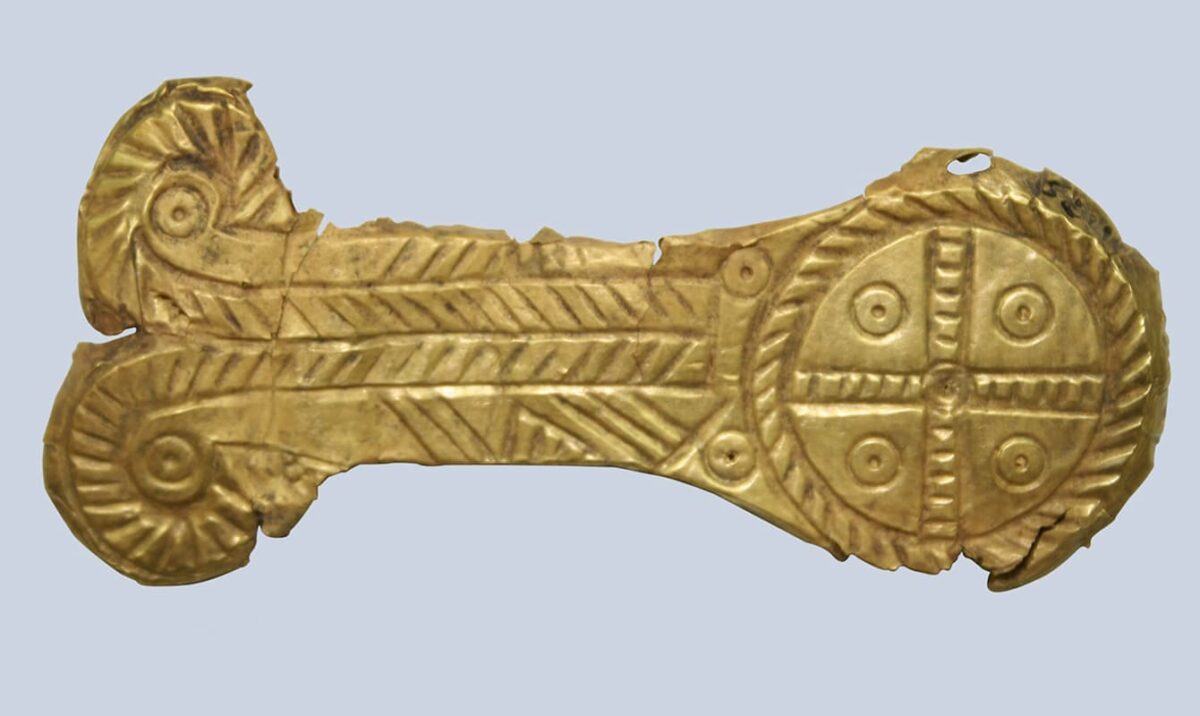
Northern Suns in Mycenaean Gold: How European Solar Symbols Reached a Greek Island
A pair of modest-looking gold ornaments from Mycenaean graves on the Ionian island of Kefalonia has opened an unexpectedly wide window onto the connected world of the Late Bronze Age. According to a new study published in the European Journal of Archaeology, the solar symbols embossed on these objects did not originate in the Aegean…
-
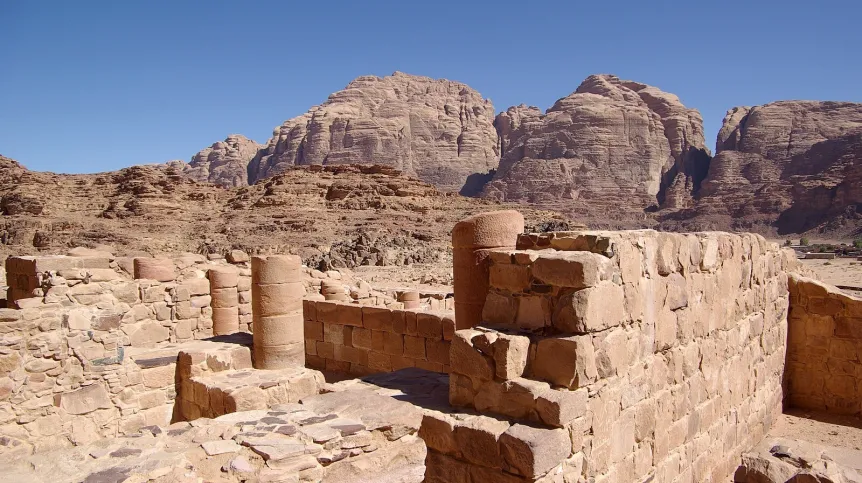
Who Built the Gods’ Houses? Sacred Architecture and Temple Builders of the Ancient Near East
A temple in the ancient Near East was never just a place of worship.It was a statement—of divine presence, political authority, and collective identity. Every stone mattered. Damage to a sacred block could mean death. Even removing a tool from a temple workshop was believed to risk divine punishment. And yet, behind these imposing sanctuaries…
-

A Late Roman Bone Box Unlike Any Other Emerges from a Grave in Roman Britain
For months, archaeologists working at Milestone Ground in Broadway kept one discovery out of the spotlight. Now revealed, the find stands out as one of the most unusual small objects recovered from Roman Britain in recent years: an intact, finely carved bone box with no known parallels. The artefact, dating to the late Roman period,…