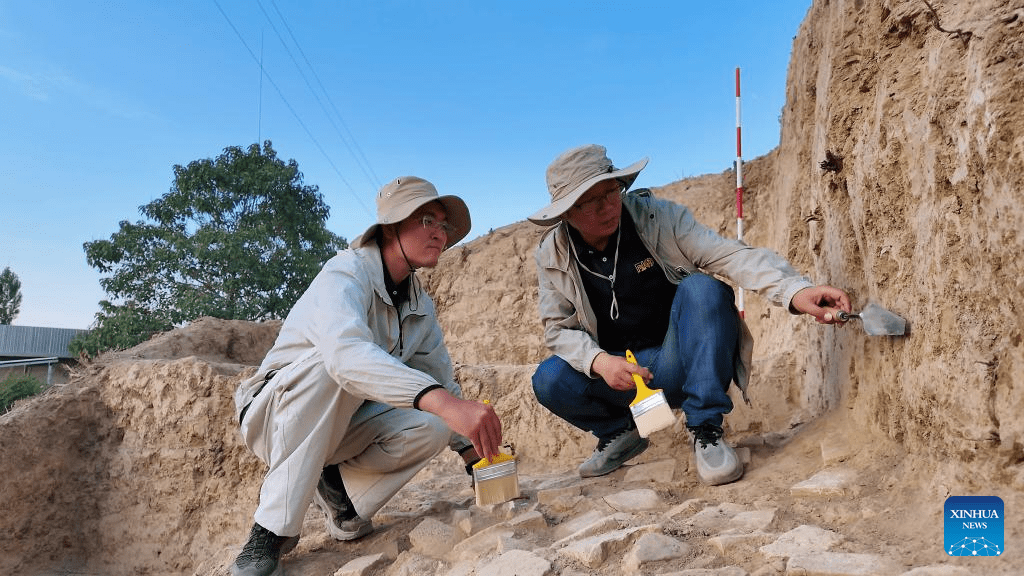
Archaeologists working in eastern Uzbekistan have uncovered ancient city walls at Kuva that were built, altered, and reused over a period of nearly 1,300 years, revealing the long-term resilience of a key Silk Road settlement. Dating from the 3rd century BC to the 10th century AD, the fortifications provide rare physical evidence of continuous urban life in Central Asia across multiple political and cultural eras.
A Strategic Urban Center in the Fergana Valley
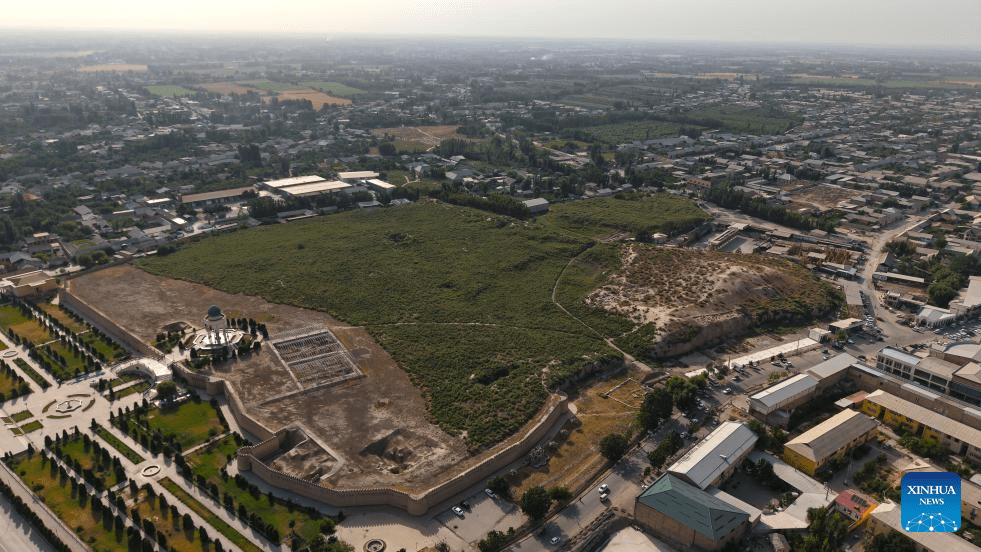
Located in the fertile Fergana Valley, Kuva once covered approximately 110,000 square meters and occupied a critical position along the Silk Road. Rather than functioning as a temporary stop for caravans, the city developed into a stable urban hub with defensive, administrative, and residential zones.
Historical records link the region to Dayuan, a powerful polity described in early Chinese sources. The Han-dynasty envoy Zhang Qian documented Dayuan more than two millennia ago, emphasizing its agricultural wealth and strategic importance in long-distance exchange between East and West.
Walls Built to Endure—and Adapt
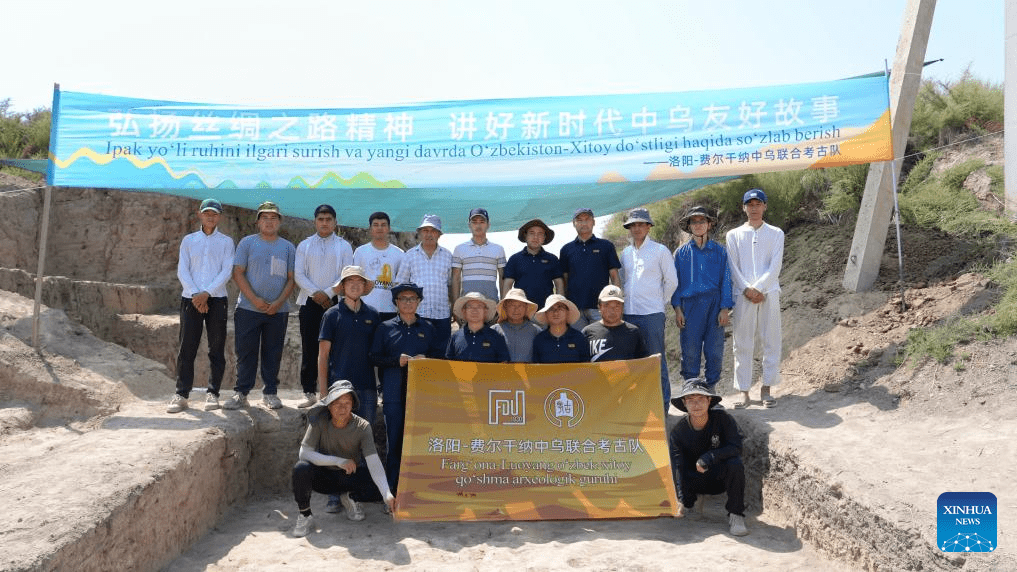
Since 2023, a joint archaeological mission led by the Luoyang Institute of Archaeology and Fergana State University has carried out systematic excavations at Kuva. The team has identified remains of city gates, streets, workshops, house foundations, and a palace complex, confirming the city’s long-term urban character.
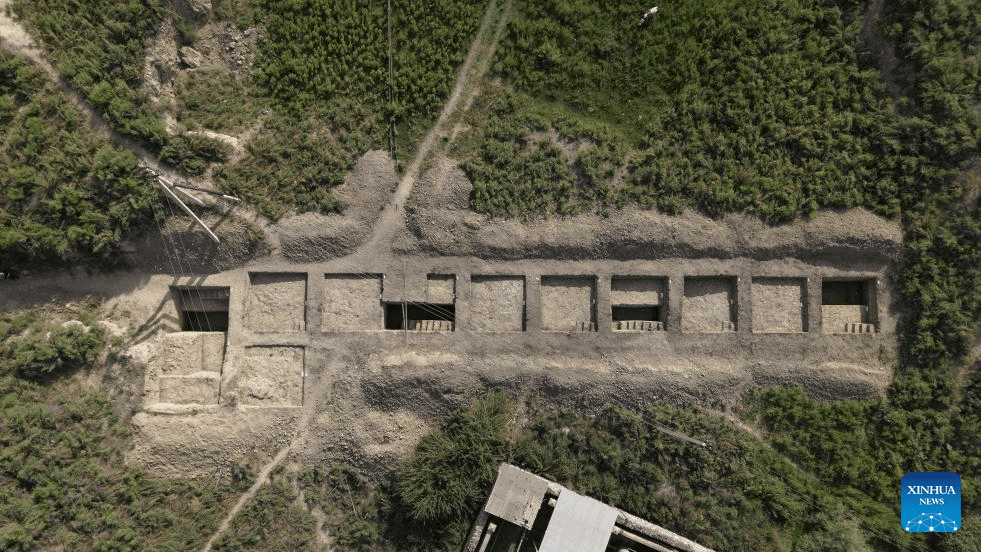
Research conducted during the 2025 season focused on the northern gate and its surrounding moat. Archaeologists documented multiple construction phases, revealing that the city walls were repeatedly redesigned in both layout and function. Built with a combination of adobe blocks and mud bricks, the fortifications reflect changing defensive needs and architectural practices over centuries.
Architecture as Evidence of Long-Term Urban Life
The prolonged use and continual modification of Kuva’s walls highlight the city’s ability to adapt to shifting political and economic conditions. Rather than being abandoned or replaced, the fortifications were repaired, reinforced, and reimagined, indicating sustained occupation and administrative continuity.
These architectural changes also provide valuable material for studying construction techniques, material choices, and possible cultural influences spanning the Hellenistic period, the Roman–Parthian world, and the early medieval era of Central Asia.
Reconstructing the City’s Inner Layout
Beyond the fortifications, archaeologists conducted a detailed survey of the eastern sector of the palace complex. This work revealed wall foundation trenches and a surrounding moat, offering crucial clues for reconstructing the overall layout of the city.
Further excavations planned for the palace area aim to clarify how Kuva’s administrative, residential, and defensive zones were organized and how these spaces evolved over time.
As research continues, Kuva is emerging as one of the clearest archaeological examples of long-term urban continuity along the Silk Road, demonstrating how a city could survive, adapt, and remain vital for more than a millennium.