-

A “Buddha” in a Viking Grave: The 1,000-Year-Old Bucket That Traveled Across Cultures
When archaeologists uncovered the Oseberg ship burial in 1904, most of what they found had already been crushed by time. Wood splintered. Stone collapsed inward. Objects meant for eternity were flattened under a millennium of pressure. One item, however, refused to disappear. A wooden bucket—slightly warped, yet astonishingly intact—emerged from the grave almost whole. Attached…
-
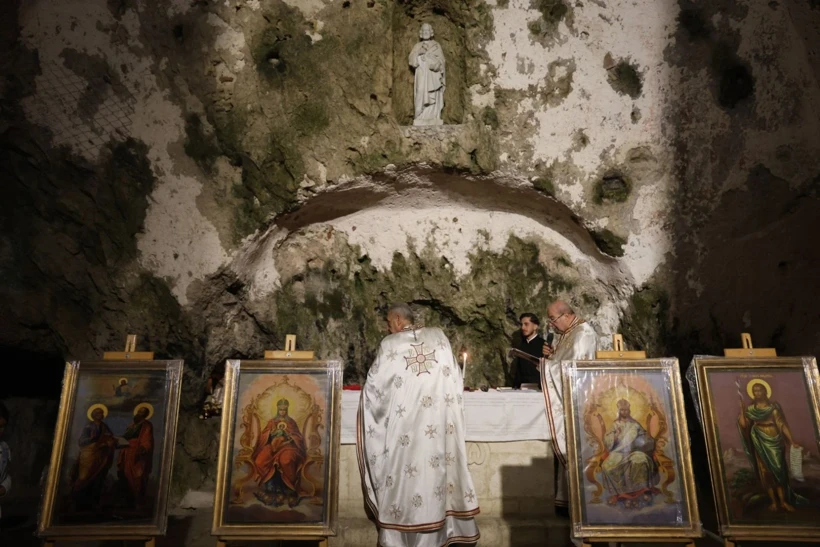
Christmas Liturgy Held at the World’s Oldest Cave Church in Antakya
A Christmas liturgy was held at Saint Pierre Church, a site revered in Christian tradition as the world’s oldest cave church. Set into the rocky slopes near Habib-i Neccar Mountain, the ancient sanctuary once again hosted prayers and hymns, linking a present-day religious ceremony with the earliest chapters of Christian history. The liturgy was led…
-
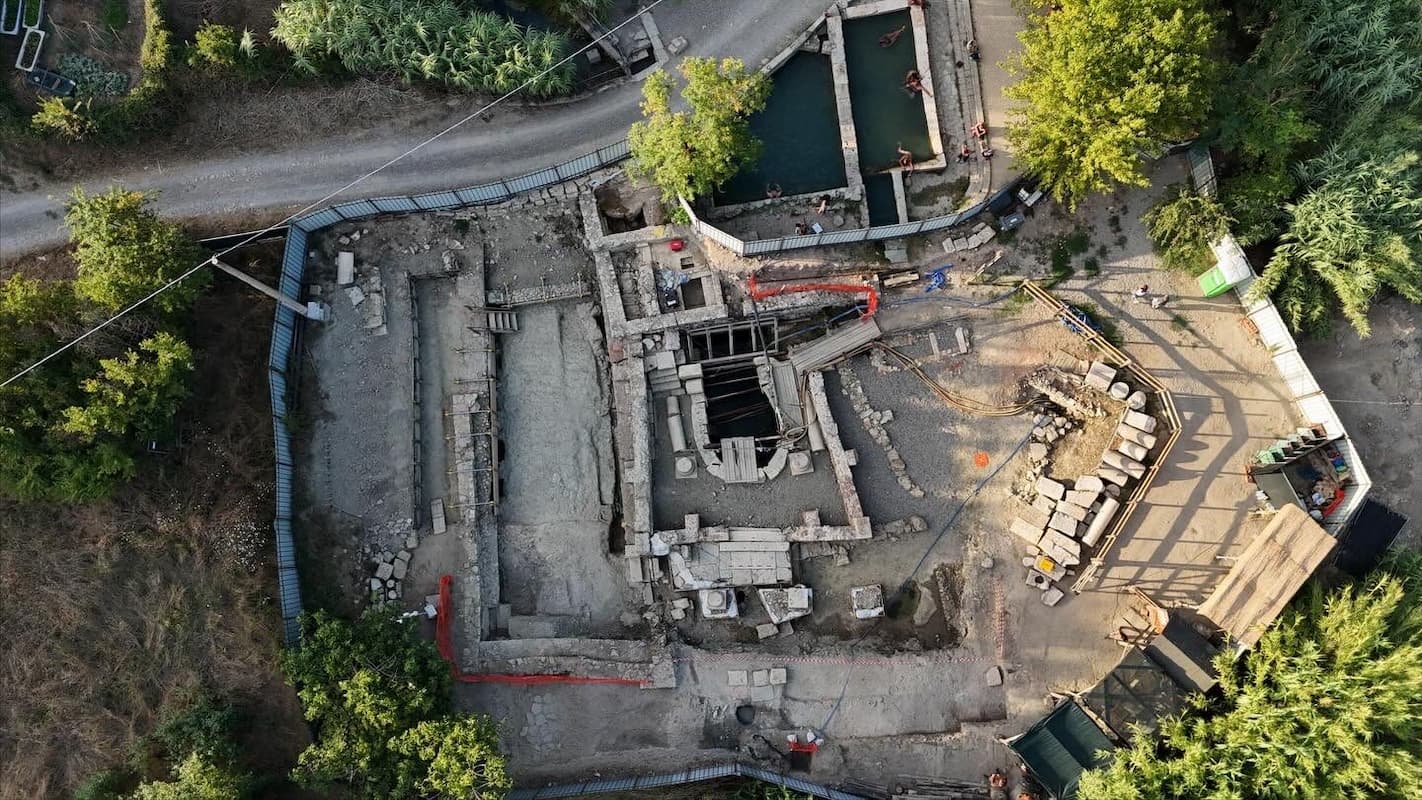
An Etruscan Medical School Emerges at San Casciano dei Bagni
New discoveries from the 2025 excavation season at the Bagno Grande Sanctuary in San Casciano dei Bagni are forcing scholars to rethink the boundaries between religion, medicine, and scientific knowledge in the ancient Mediterranean. Long understood primarily as a thermal healing sanctuary, the site now appears to have functioned as one of the most sophisticated…
-
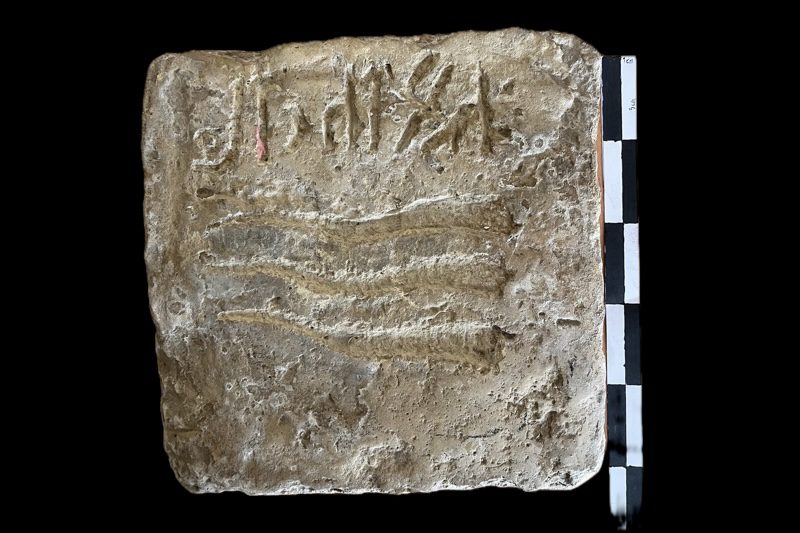
A 1,100-Year-Old Turkic Inscription Linked to the Oghuz Discovered in Kazakhstan
A modest stone kept for years inside a small school museum in southern Kazakhstan is now reshaping scholarly views on early Turkic literacy. Identified in August 2025, the Kultobe Inscription provides rare evidence that the Oghuz Turks were using written Turkic well before the 13th century—long before Oghuz Turkic is traditionally thought to have emerged…
-
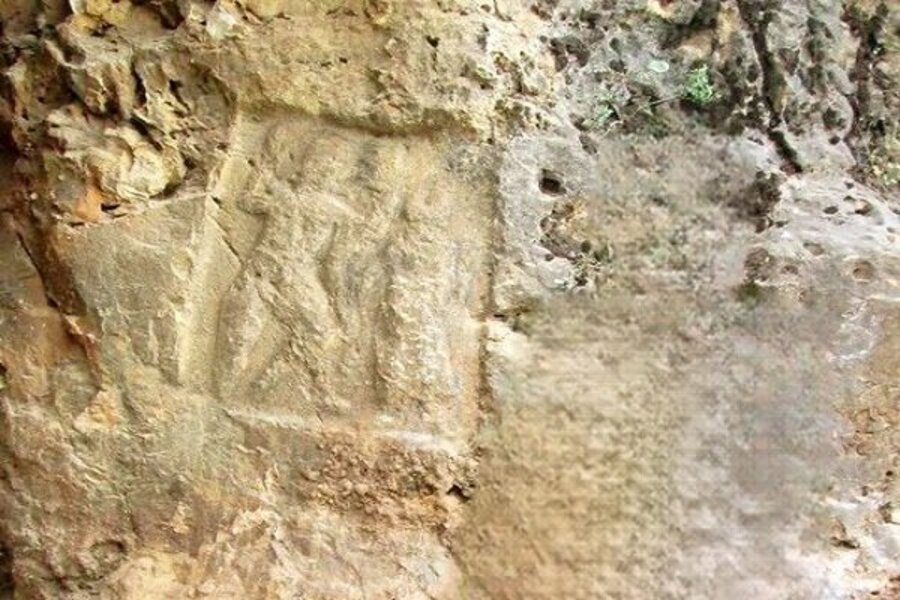
Elymaean Rock Carving in Iran Shows Possible Parallels with the Hercules–Hydra Myth
A newly identified Elymaean rock carving in southwest Iran is drawing scholarly attention due to its unusual iconography and its possible visual parallels with the myth of Hercules battling the Hydra. The relief was discovered in the Kuh-e Manar highlands of Andika County, located in Khuzestan Province, a region closely associated with Elymaean cultural activity…
-
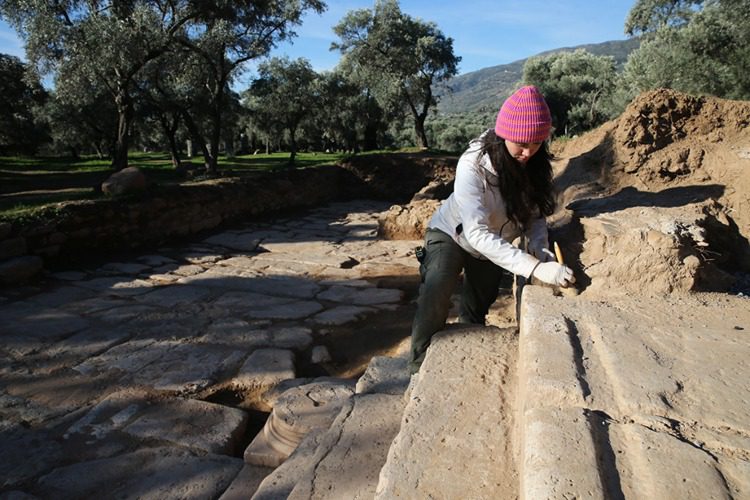
A Forgotten Route to Knowledge Reappears at Nysa: Roman Steps Leading to an Ancient Library Uncovered
At first glance, it was just another stretch of a Roman street. But as archaeologists continued to peel back the layers at Nysa Ancient City, a long-missing element of the city’s intellectual landscape quietly emerged. A set of marble steps—unused for nearly eighteen centuries—has revealed how ancient visitors once ascended from the city’s main thoroughfare…
-
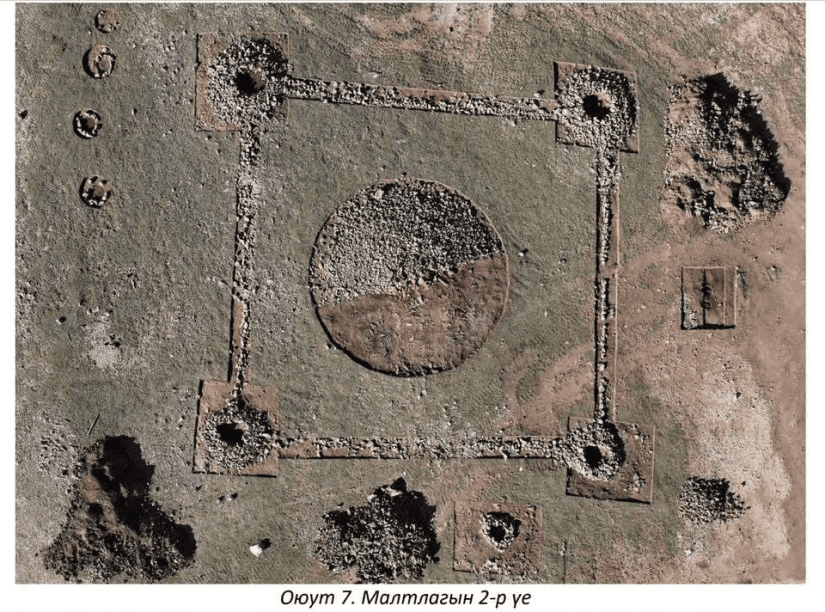
Copper Surveys in Mongolia Uncover 3,000-Year-Old Nomadic Burial Mounds
Geological surveys conducted at Mongolia’s Oyut Deposit have unexpectedly revealed a series of ancient nomadic burial mounds, shedding new light on funerary traditions that span from the Bronze Age to the medieval period. What began as a search for copper has instead exposed a ritual landscape shaped by steppe communities more than three millennia ago.…
-

Rome to Introduce Controlled Access to the Trevi Fountain to Curb Overtourism
Rome is preparing to reshape how visitors experience one of its most iconic landmarks. Starting in February, the city will introduce a controlled access system for the Trevi Fountain, aiming to ease overcrowding while generating new resources for conservation and site management. The decision was announced by Rome’s mayor, Roberto Gualtieri, who said the new…
-
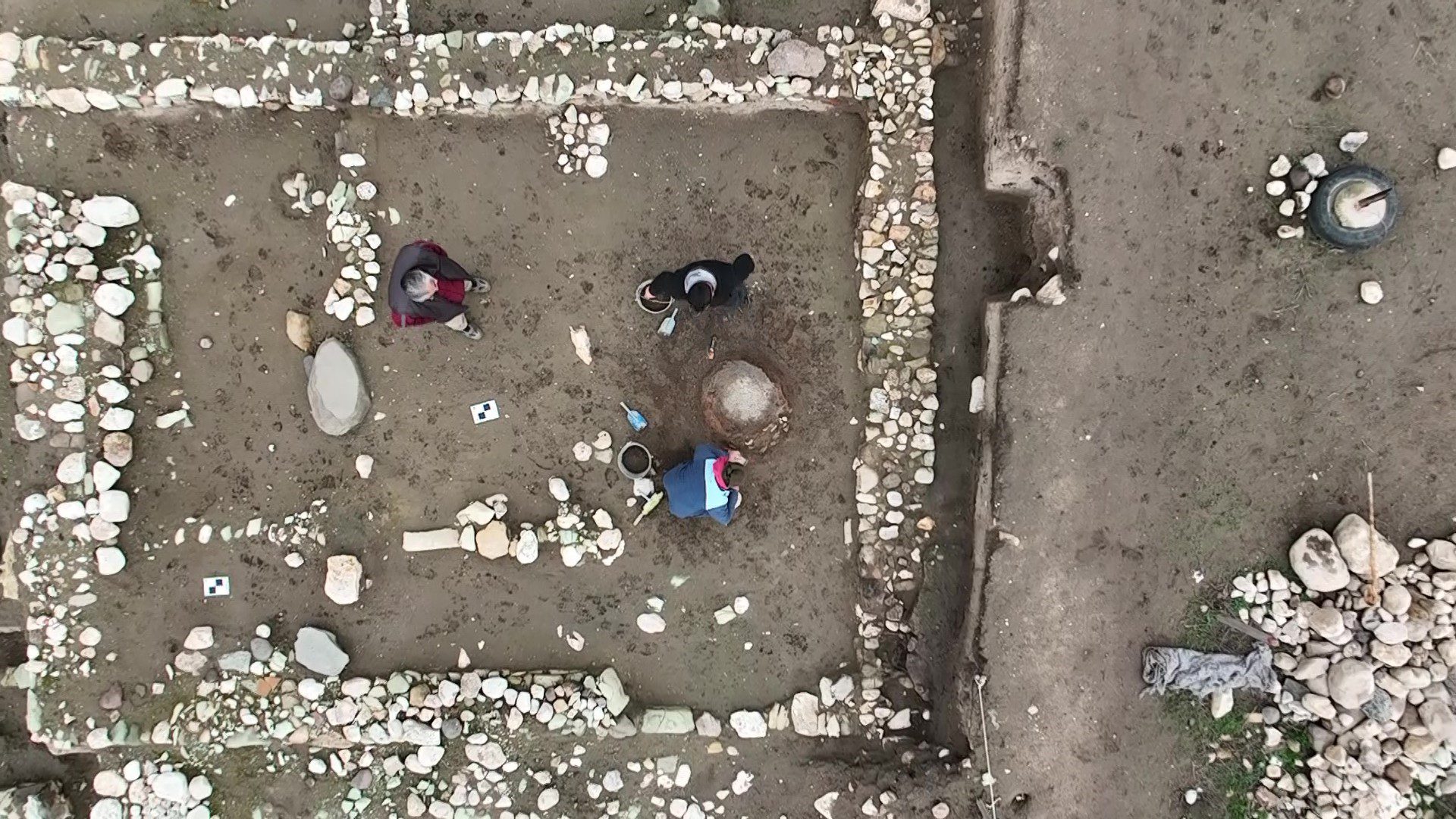
Turkish Archaeologists Unearth a 2,600-Year-Old Tandoor at Oluz Mound
Cut into the ground and built from fired clay, the oven uncovered at Oluz Mound does not immediately look ancient. Its shape, depth, and construction resemble the tandoors still used in many parts of Anatolia today. Yet archaeological evidence shows that this installation dates back 2,600 years, to a time when the region formed part…