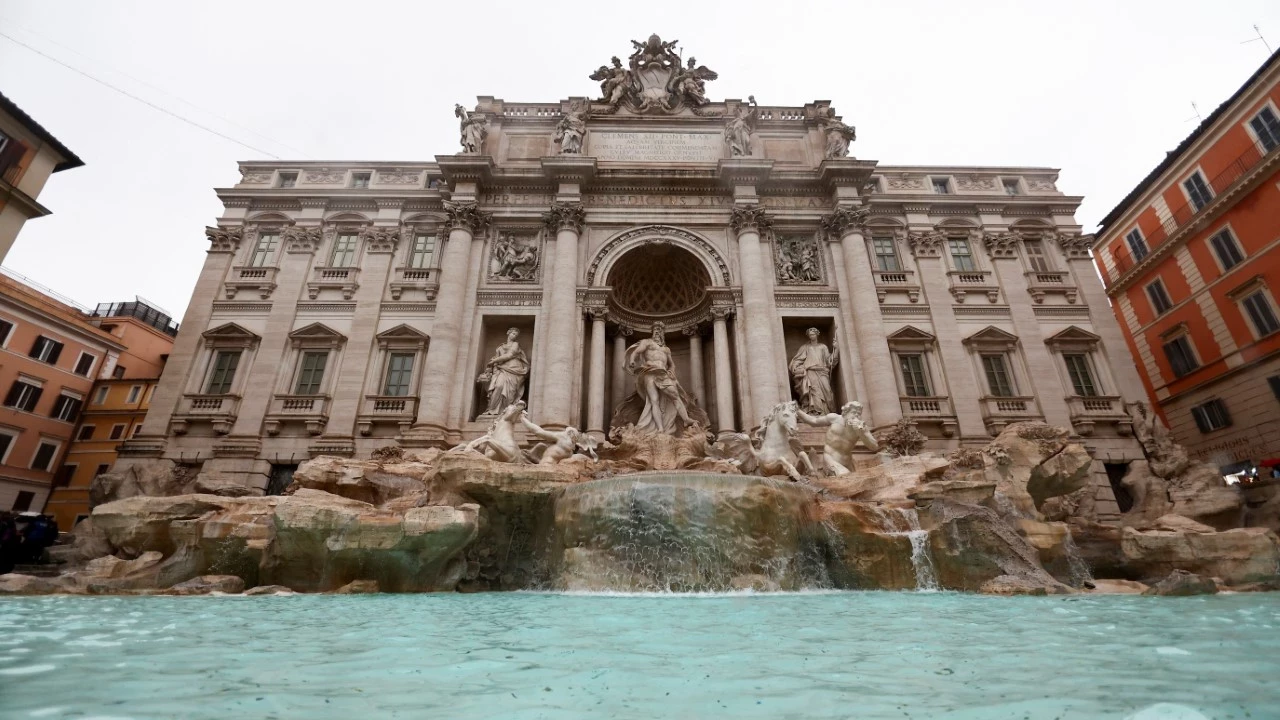
Rome is preparing to reshape how visitors experience one of its most iconic landmarks. Starting in February, the city will introduce a controlled access system for the Trevi Fountain, aiming to ease overcrowding while generating new resources for conservation and site management.
The decision was announced by Rome’s mayor, Roberto Gualtieri, who said the new system is expected to generate around €6.5 million annually, with funds earmarked for maintenance and heritage protection.
Managing Crowds at a Global Landmark
Gualtieri stressed that the initiative is not intended as a deterrent but as a practical response to growing visitor pressure. “The aim is not to restrict access, but to create a less chaotic flow,” he said, noting that the charge required to step onto the fountain’s surrounding stone steps will remain symbolic rather than prohibitive.
Roman residents will continue to enjoy free access, while visitors who prefer not to pay will still be able to view the monument from the surrounding square, which will remain open and free to the public.
What Will Change for Visitors
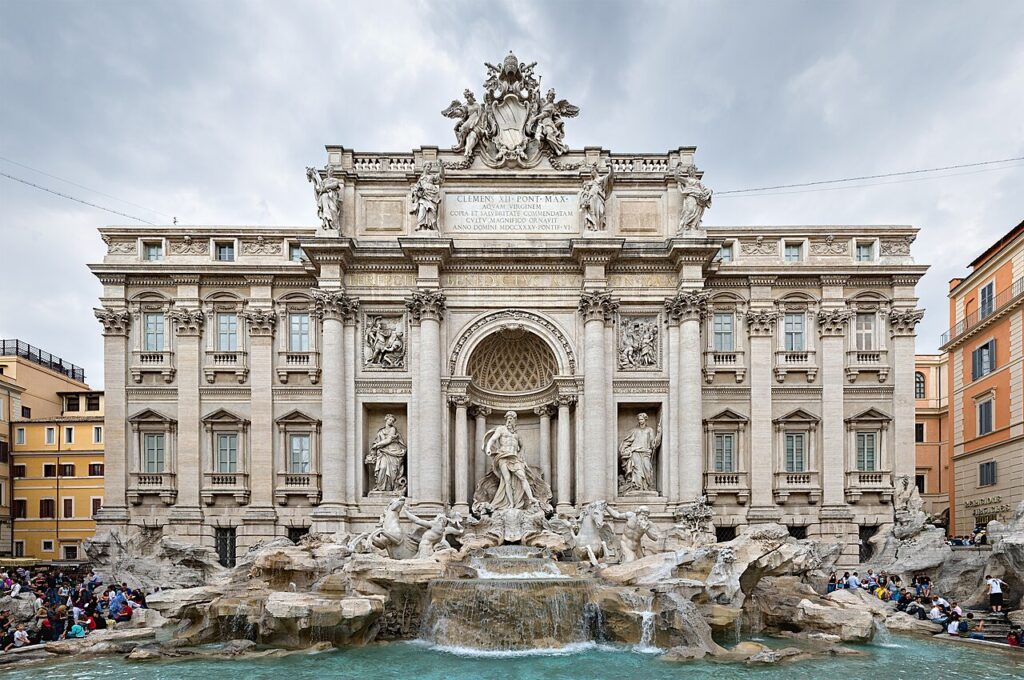
Under the planned system, tourists wishing to sit or stand on the stone steps encircling the fountain’s basin will be required to enter through a controlled access point. The broader piazza, from which the fountain remains fully visible, will not be affected.
City officials acknowledge that some visitors may choose to admire the monument from a distance, a shift they believe could help relieve pressure on the site during peak hours.
A Baroque Masterpiece Under Pressure
Completed in 1762, the Trevi Fountain is one of the defining monuments of late Baroque Rome. Designed around the dramatic figure of Oceanus, the fountain embodies the power and unpredictability of water, symbolizing the seas and rivers of the world through sculpted motion and cascading flow.
The site is also bound to a centuries-old tradition: visitors toss coins into the water, believing it ensures a return to Rome. This ritual alone draws millions of visitors each year and generates substantial revenue already directed toward charitable and conservation initiatives.
Nearly Nine Million Visitors This Year
According to municipal figures, the Trevi Fountain has attracted around 9 million visitors so far this year, placing it among Europe’s most visited heritage landmarks. City leaders argue that without intervention, such volumes risk undermining both visitor experience and long-term preservation.
Part of a Wider Shift in Italy
Rome’s move reflects a broader rethinking of heritage management across Italy. In 2023, the city introduced an entrance fee for the Pantheon, while Venice has experimented with paid entry during peak tourism periods. Verona, meanwhile, has recently begun charging visitors to access the balcony associated with Shakespeare’s Romeo and Juliet.
Officials describe these measures as part of a necessary recalibration—balancing open access to cultural heritage with the realities of mass tourism in historic cities.