-
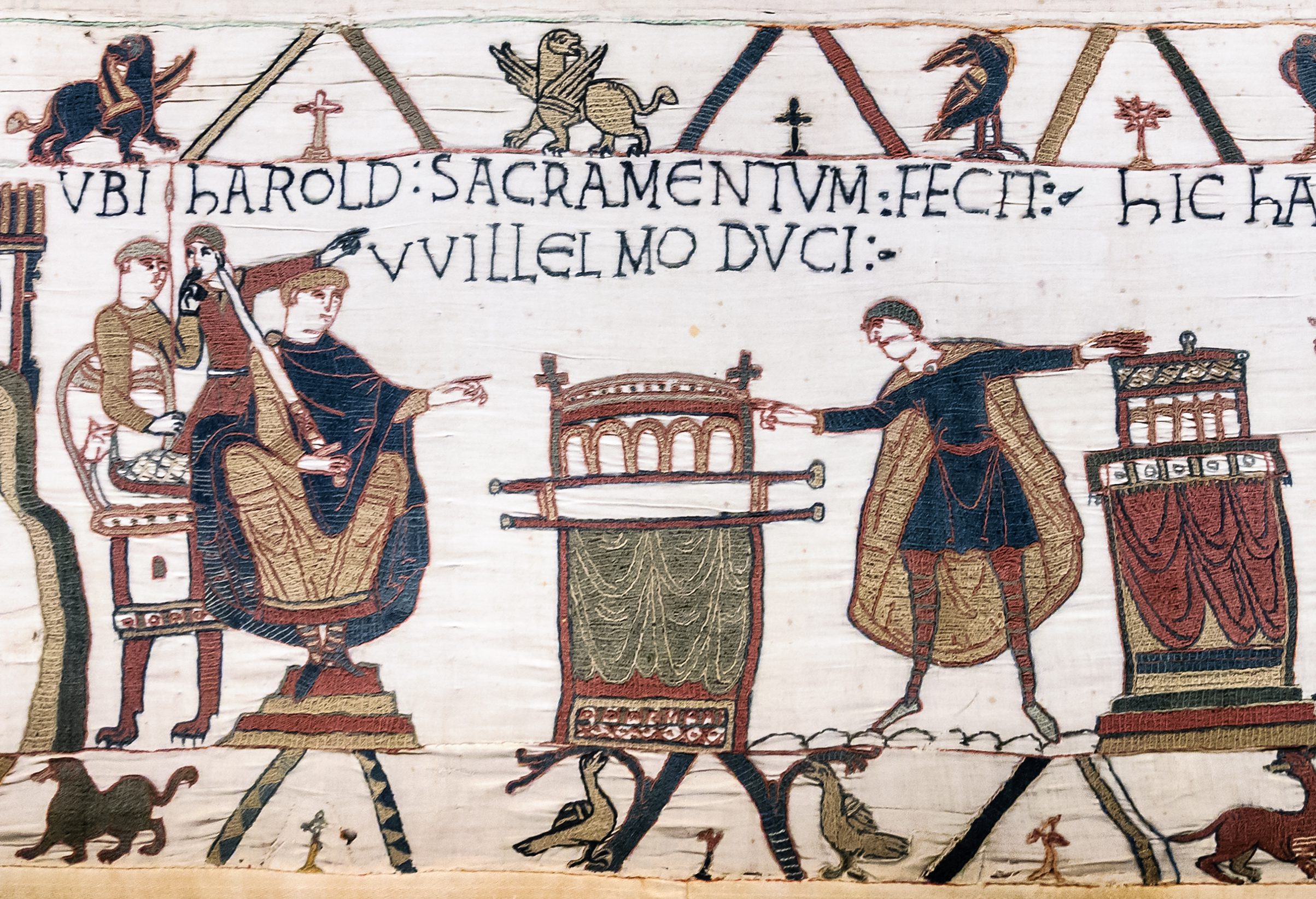
A Possible Royal Hall of England’s Last Anglo-Saxon King Emerges in Northern England
Archaeologists working in northern England believe they may have uncovered one of the final monumental expressions of Anglo-Saxon elite power: a high-status hall complex that may be linked to Harold Godwinson, the last Anglo-Saxon king of England. If the interpretation holds, the site could represent a rare physical survival of royal life on the eve…
-
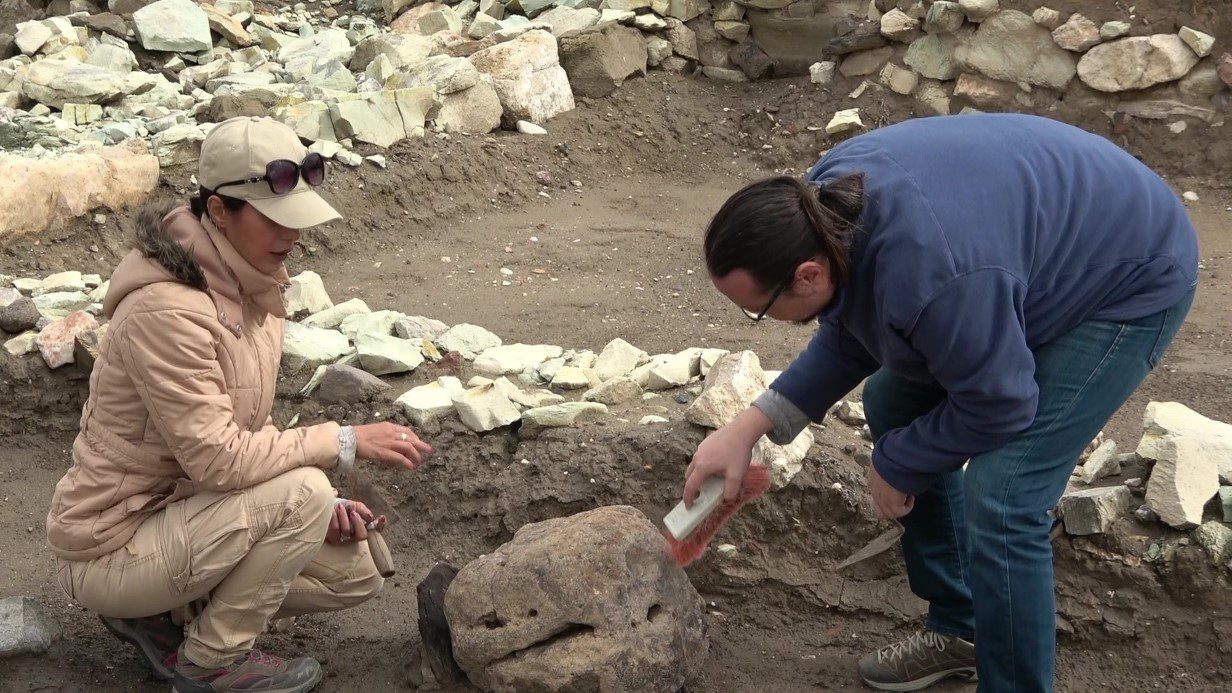
Possible Phoenician Infant Burials Discovered Deep in Anatolia Raise New Questions About Ancient Rituals
Archaeologists excavating the ancient mound of Oluz Höyük in central Anatolia have uncovered a group of infant and fetal burials that may point to Phoenician ritual practices far beyond their traditionally known Mediterranean heartland. Placed inside ceramic jars and carefully arranged within a sacred context, the burials are unprecedented in Anatolia and are now prompting…
-
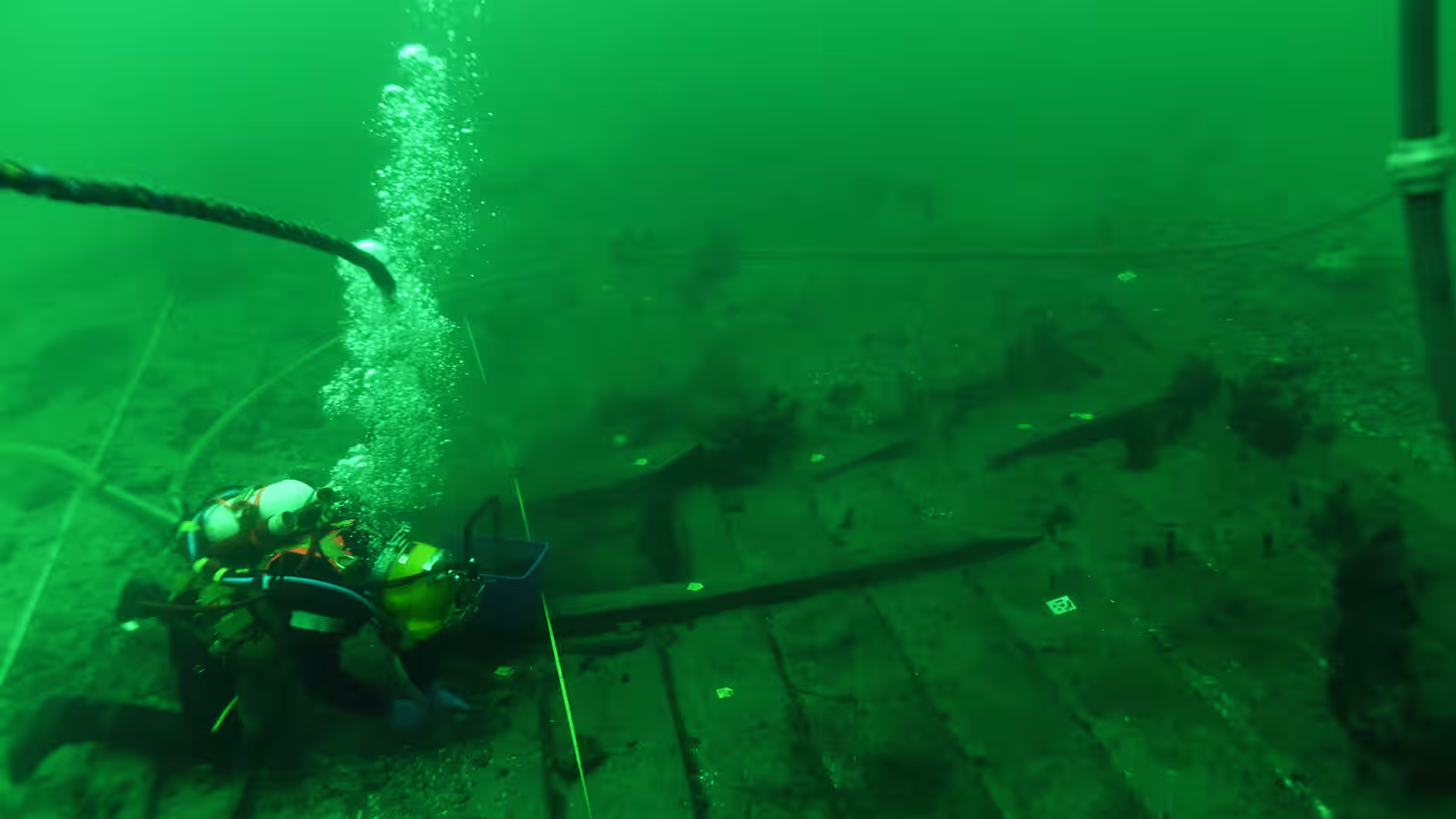
A 600-Year-Old Giant Emerges from the Øresund: Europe’s Largest Cog Ship Ever Found
Marine archaeologists working off the coast of Copenhagen have identified a 600-year-old shipwreck as the largest medieval cog vessel ever discovered—a find that significantly recalibrates what historians understood about the scale of Northern European trade at the end of the Middle Ages. The wreck, known as Svælget 2, could carry up to 300 tons of…
-
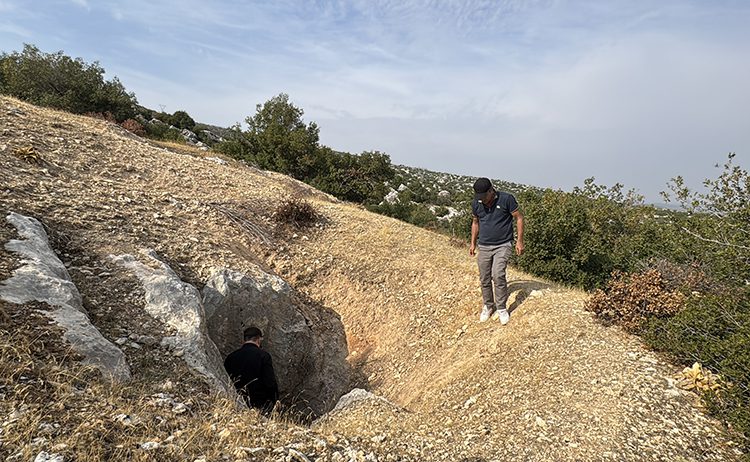
Rare 1,800-Year-Old Domed Roman Tomb Unearthed in Anatolia
Hidden within the rugged hills of southeastern Anatolia, a newly identified Roman-period tomb is offering an unusually intimate glimpse into elite burial traditions of the 2nd century CE. Archaeologists working near the town of Besni, in Adıyaman, have documented a domed funerary chamber unlike anything previously recorded in the province—both in scale and in architectural…
-
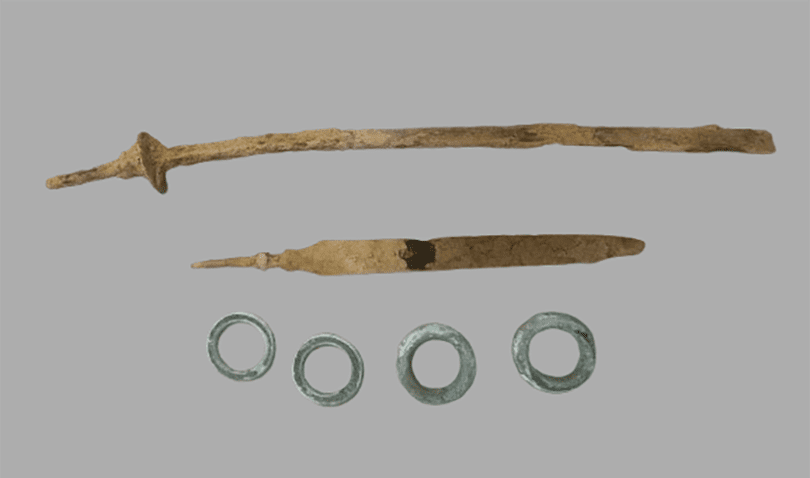
Layers Beneath the Rice Fields: Ancient Artifacts Reveal Millennia of Life in Vietnam’s Ha Tinh Highlands
Archaeologists working in Vietnam’s central highlands have identified a dense concentration of ancient artifacts buried beneath active rice fields in Ha Tinh province—a discovery that is reshaping understanding of long-term human settlement along the country’s western frontier. The finds emerged in the mountainous border commune of Son Kim 2, where farmers in the Lang Che…
-
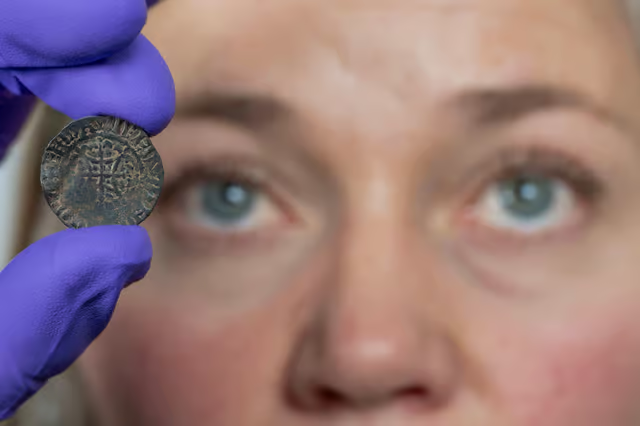
The Oldest Coin Ever Minted in Scotland Was Discovered Near Edinburgh by a Metal Detectorist
A silver coin struck nearly 900 years ago has emerged as the earliest known example of coinage ever minted in Scotland, following its discovery near Edinburgh by a metal detectorist. The find, uncovered in a wooded area close to Penicuik in Midlothian, is now officially part of the national collection after being allocated to National…
-
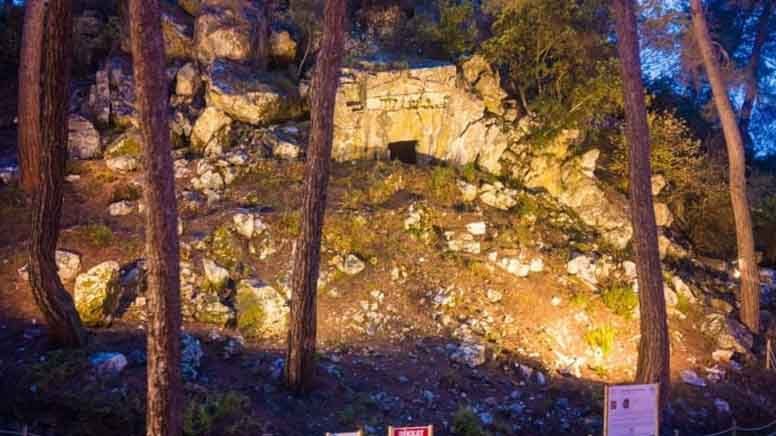
A 2,500-Year-Old Doric Rock-Cut Tomb from Ancient Caria Is Being Preserved in Marmaris
Carved directly into the limestone above Marmaris, a coastal town on Turkey’s southwestern Aegean shoreline, a 2,500-year-old rock-cut tomb is drawing renewed scholarly attention as conservation measures secure its long-term survival. Known as the Yeşilbelde Rock Tomb, the monument has been placed under strict protection—not as a result of a new discovery, but because its…
-
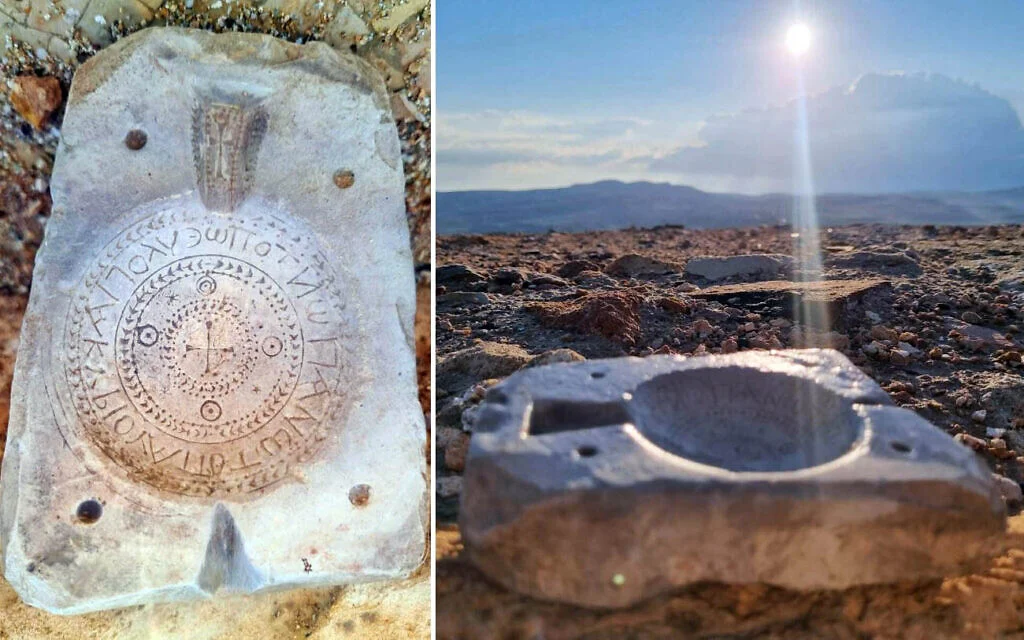
A Byzantine Pilgrimage Industry Revealed by a 1,400-Year-Old Souvenir Mold in the Judean Desert
Archaeologists working at Hyrcania, a remote hilltop complex in the Judean Desert, have uncovered a rare limestone mold that once produced small pilgrimage flasks more than 1,400 years ago. The discovery offers unusually direct evidence for how Christian pilgrimage functioned not only as a spiritual journey, but also as a localized craft economy during Late…
-
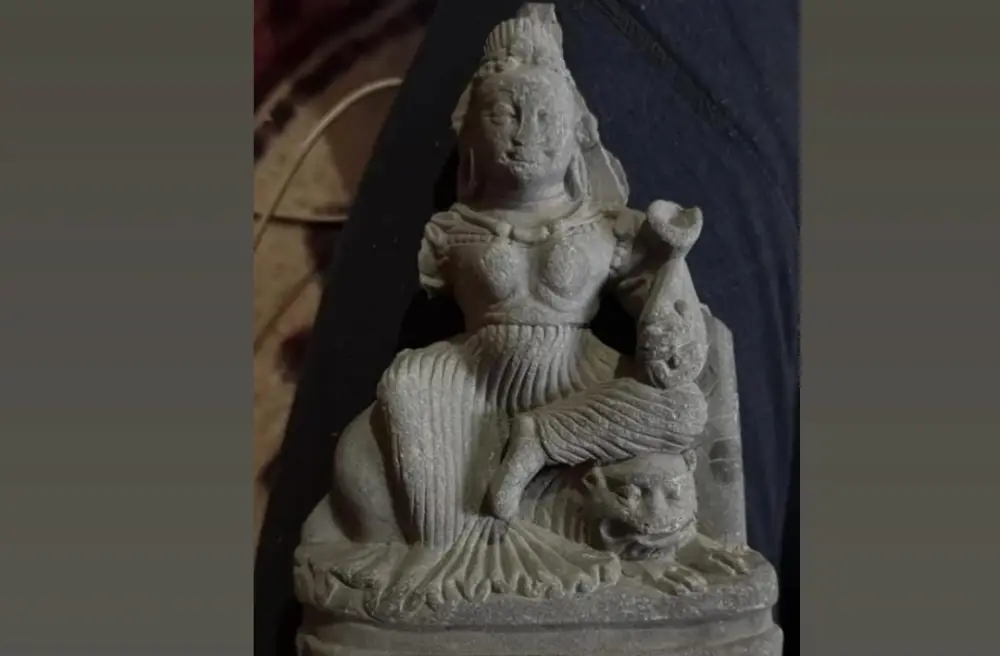
Ancient Idol of Goddess Durga Found in Kashmir’s Jhelum River
An ancient stone idol identified as the Hindu goddess Durga has been recovered from the Jhelum River, revealing a striking material trace of Kashmir’s deep and often hidden religious past. The sculpture was found along the Baramulla stretch of the river, partially embedded in silt, and immediately drew the attention of local authorities and heritage…