-
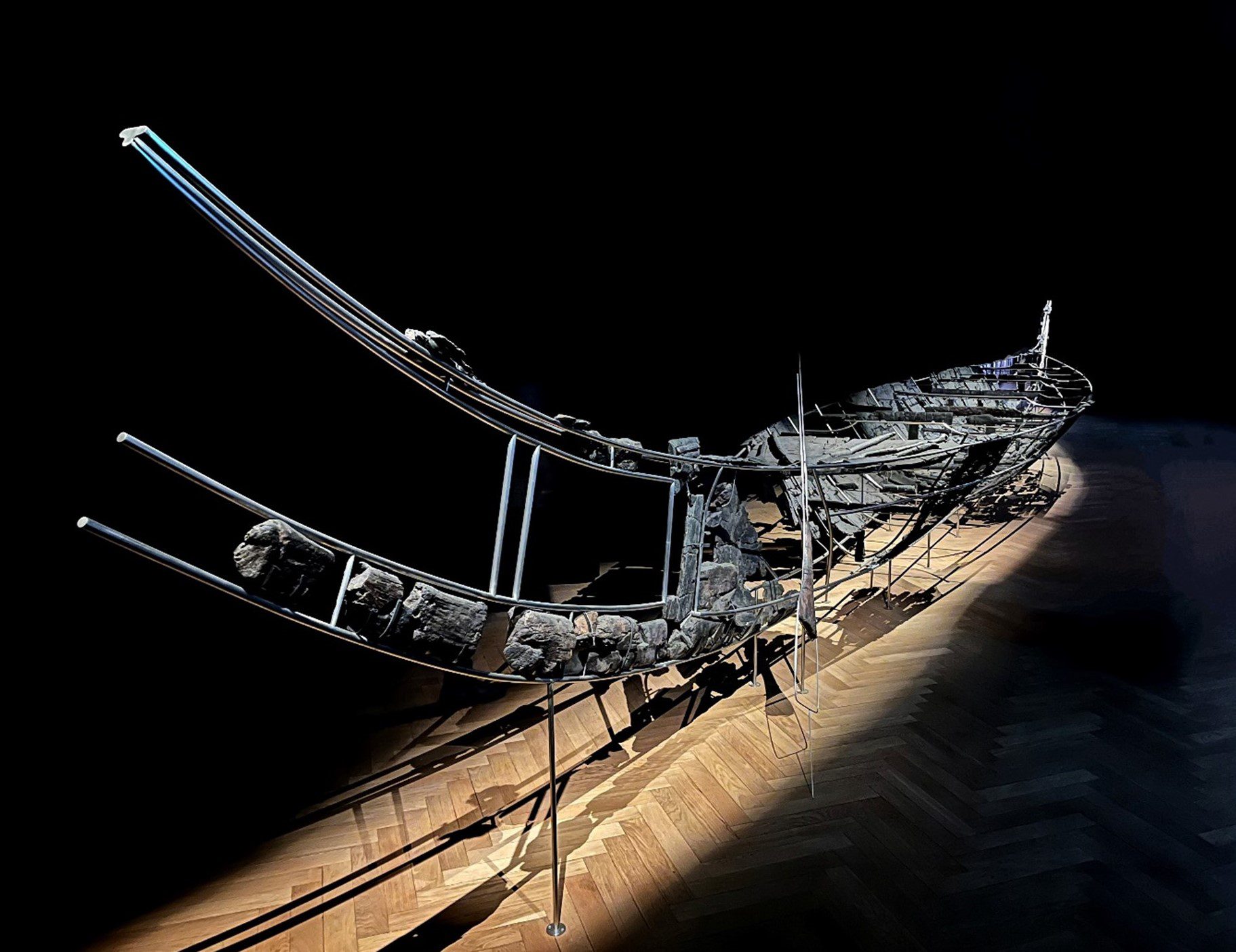
A 2,300-Year-Old Fingerprint Found on Scandinavia’s Oldest Wooden Boat
For a brief moment more than 2,300 years ago, a sailor pressed his hand into warm pine pitch while repairing a wooden boat. The gesture was ordinary, almost invisible — yet it endured. Today, that faint fingerprint has been identified in the remains of the Hjortspring boat, the oldest known wooden plank-built vessel in Scandinavia,…
-
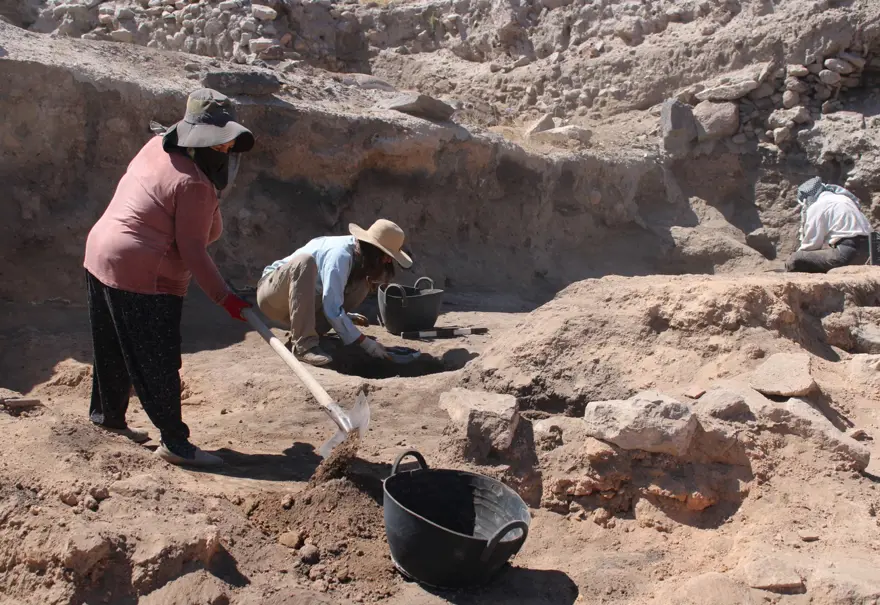
A Palace Beneath a Palace Discovered at Kültepe, Home to Anatolia’s Earliest Written Records
At Kültepe Kaniš-Karum, the site where Anatolia’s earliest written documents were first uncovered, archaeologists have made a discovery that pushes the region’s history deeper than previously understood. Excavations have revealed the remains of a monumental palace complex hidden beneath a known palace, pointing to a powerful authority that predates the Assyrian merchant period traditionally associated…
-
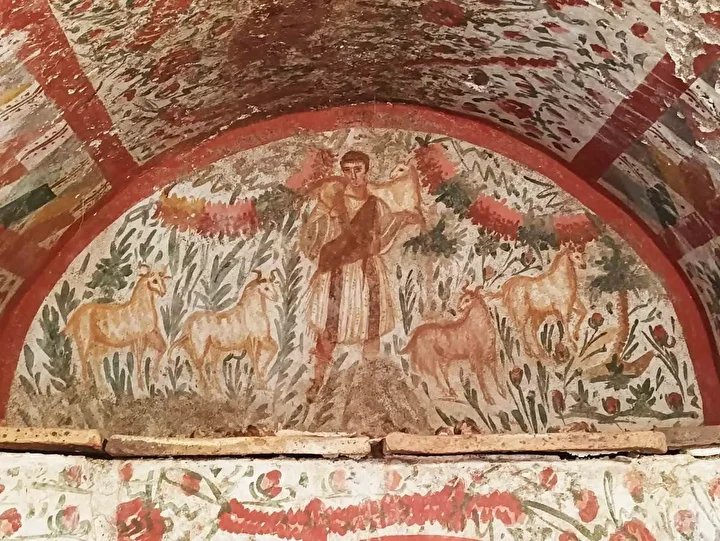
Pope Leo XIV Declares Christian Archaeology Essential for Understanding the Future of the Church
Pope Leo XIV has published a landmark Apostolic Letter marking the centenary of the Pontifical Institute of Christian Archaeology, asserting that Christian archaeology is indispensable for understanding both the origins and the future direction of the Church. The document, released on Thursday, positions archaeology not as a specialist pursuit but as a field “open to…
-
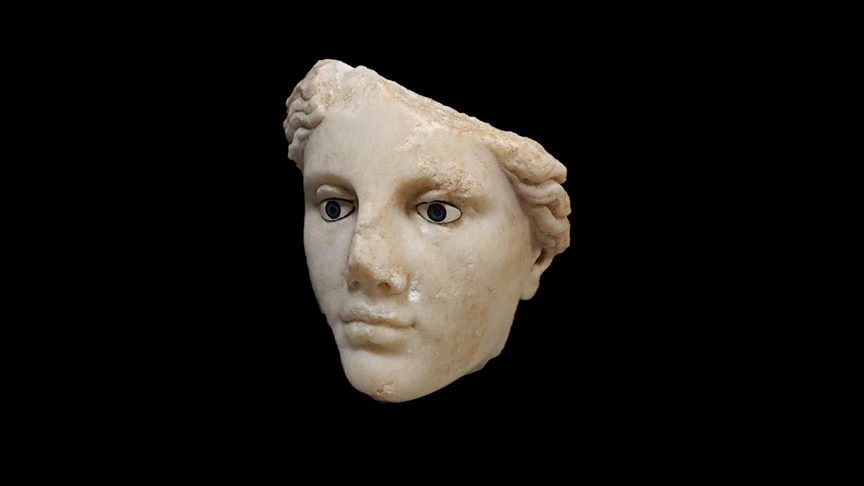
Monumental Hellenistic Goddess Head Unearthed in Metropolis: Researchers Point to Hestia
The late afternoon light often falls gently across the slopes of Izmir’s Torbalı district, but this season it illuminated something far rarer: the finely carved head of a Hellenistic-period goddess emerging from the soil of ancient Metropolis. The discovery, made inside a structure identified as a commercial building, is already being described as one of…
-

Rare “Good Shepherd” Fresco Unearthed in a Painted Tomb at İznik, One of Christianity’s Historic Centers
Long before modern pilgrims and popes found their way to its ancient streets, İznik—known worldwide by its classical name, Nicaea—was a meeting point of religions and empires. Now, the city has offered a new insight into its Christian past: archaeologists have uncovered an exceptionally rare Good Shepherd depiction inside a painted hypogeum tomb, a motif…
-
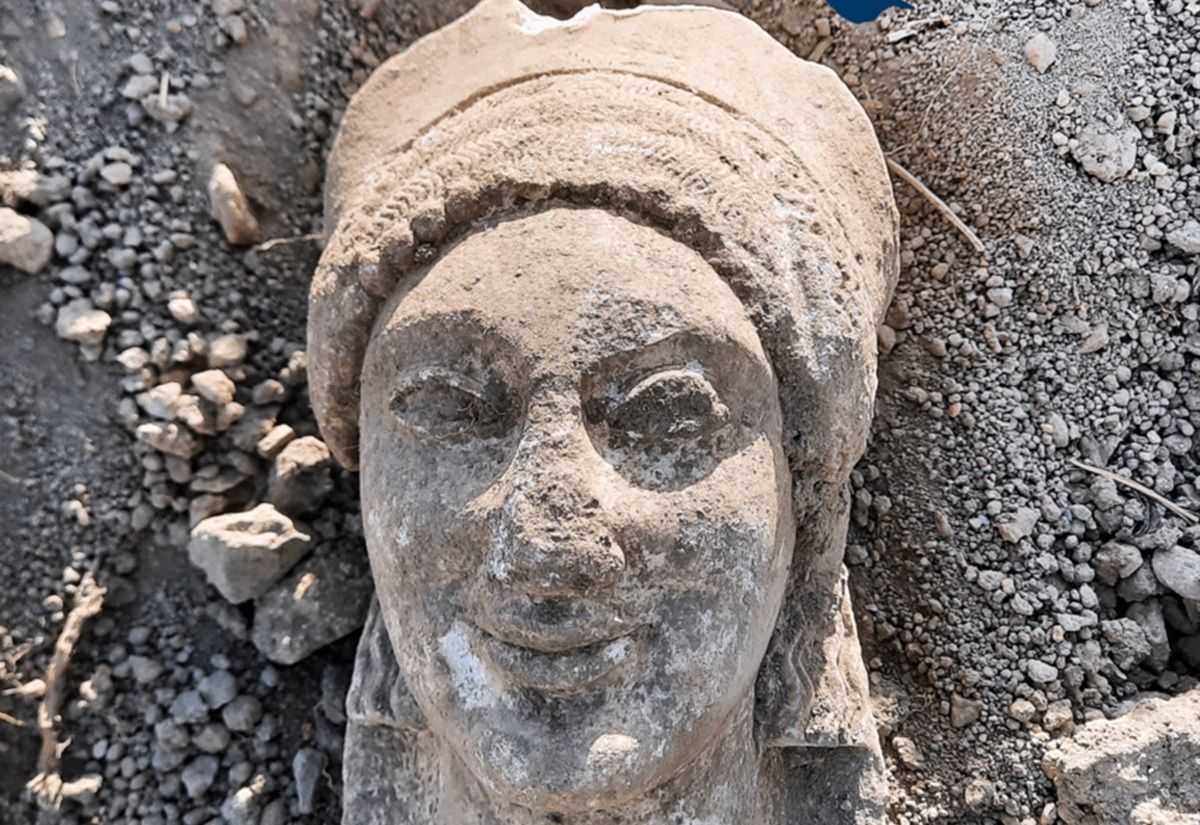
A 2,500-Year-Old Greek Kore Head Emerges in Vulci, Rewriting the Story of Mediterranean Cultural Exchange
Early morning light filtered across the dusty trench as archaeologists brushed away the final layer of soil. What emerged was a face—calm, youthful, and carved with astonishing delicacy. In that quiet moment, the team at Vulci realized they were looking at something almost unheard of: a large-scale Greek Kore head lying intact in the heart…
-
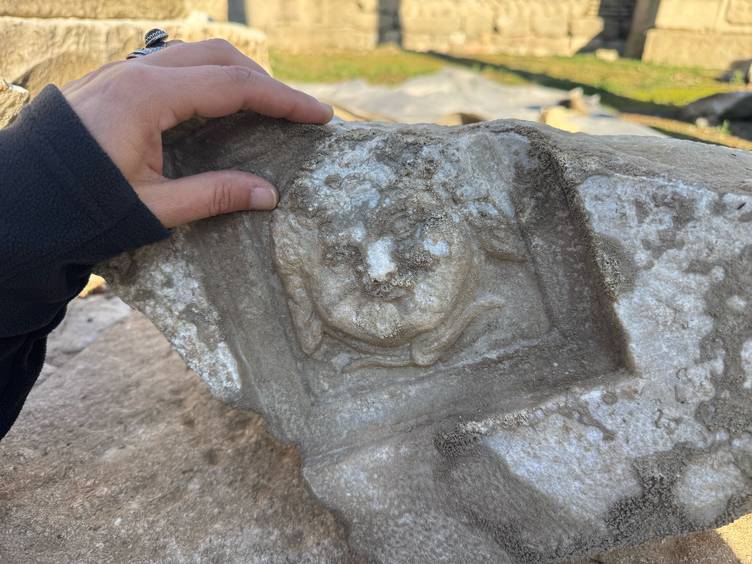
Archaeologists Find the First-Ever Smiling Medusa at Amastris, the Ancient City Founded by a Queen
The carved face should have been terrifying. Instead, it was quietly smiling. During the latest excavations in Amasra’s ancient city of Amastris, archaeologists uncovered a rare and unexpected portrayal of Medusa—one that breaks from two millennia of monstrous tradition. The mythical guardian, usually depicted with serpentine hair, glaring eyes, and a grimacing jaw, appears here…
-
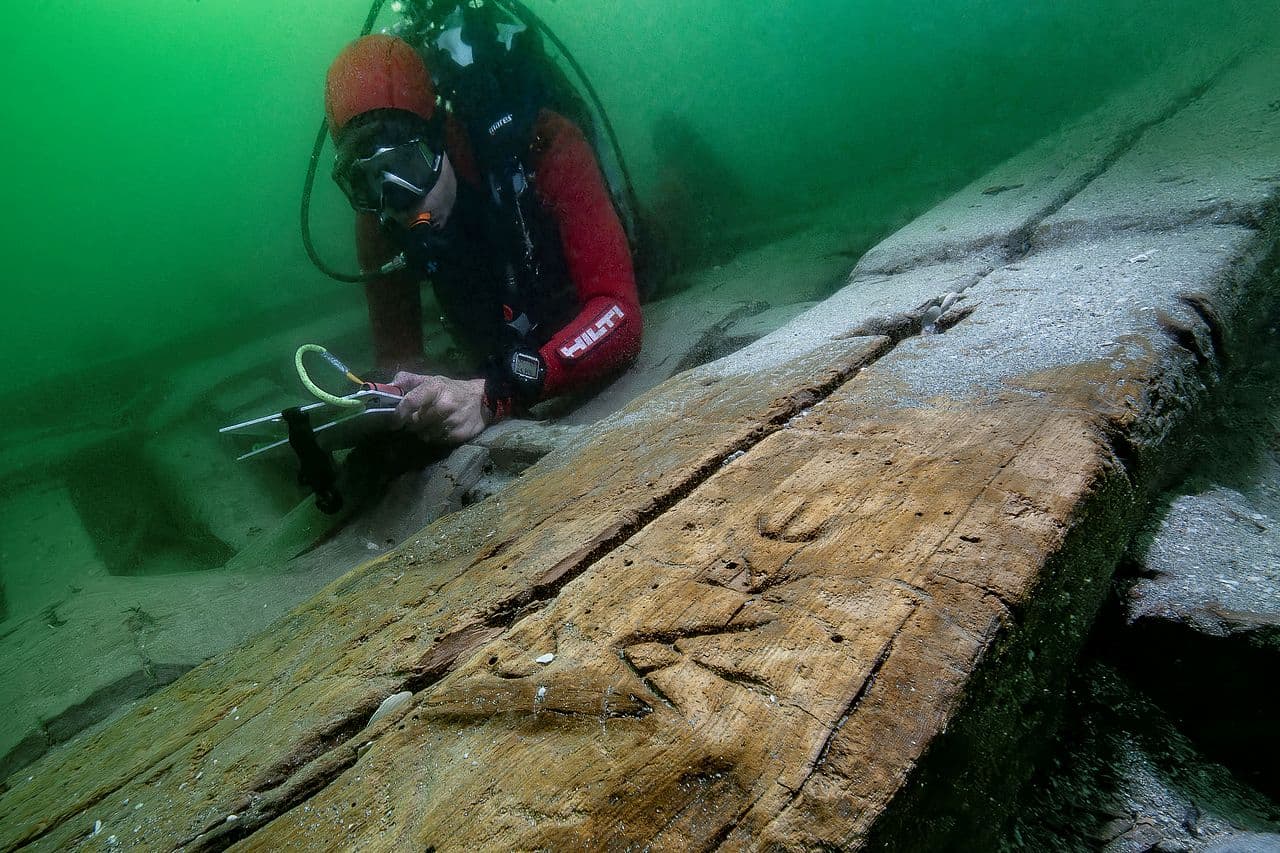
A Roman-Era Ceremonial Barge Resurfaces in Alexandria’s Sunken Royal Harbor
The waters off Alexandria’s ancient Portus Magnus have yielded an extraordinary surprise: the remarkably preserved hull of a luxurious thalamagos, a pleasure-and-ritual barge once used in the early Roman period. Resting beneath the silt of the submerged island of Antirhodos—once home to palaces and temples of the Ptolemies—the vessel has re-emerged as one of the…
-
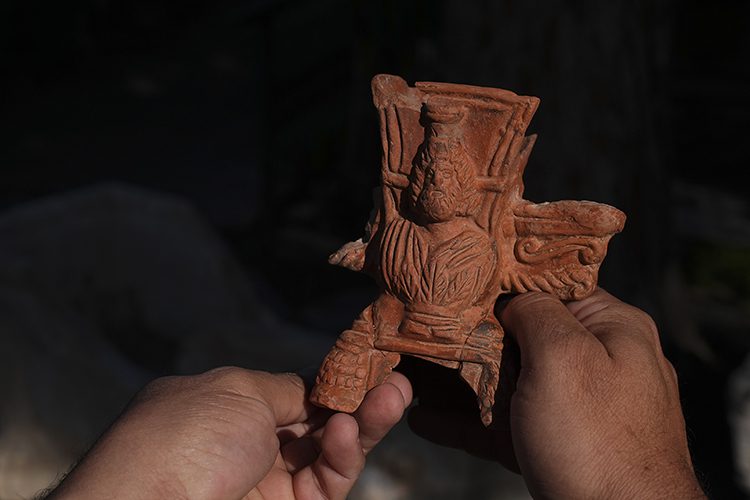
A 2,000-Year-Old Incense Burner Depicting the Egyptian God Serapis Discovered in Ephesus
Morning light was spilling across the ruins of ancient Ephesus when archaeologists reached a layer of collapsed masonry inside the vast Harbor Bath. Among scattered marble fragments and broken architectural blocks, a small terracotta object caught their attention—its reddish surface, its sharp contours, and, most strikingly, the unmistakable face of Serapis, the Egyptian god who…