-
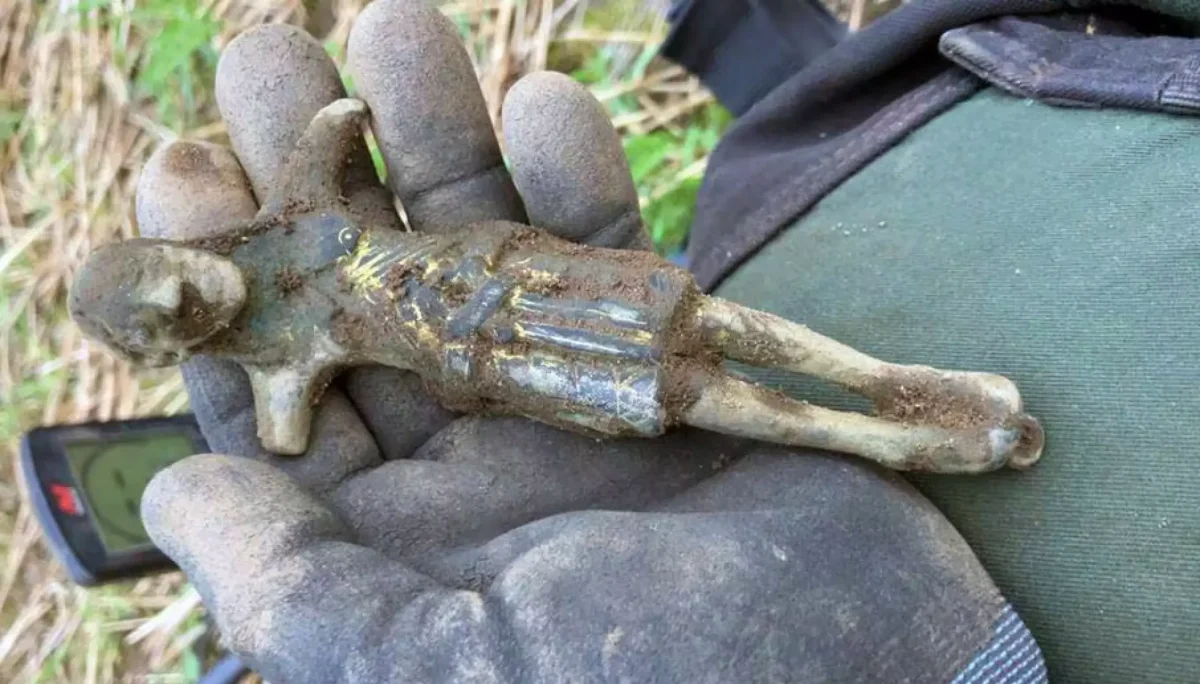
800-Year-Old Gilded Christ Figure Found in Norway Could Reveal a Lost Medieval Church
A metal detectorist’s last sweep of the day uncovered a rare gilded bronze Christ statue from the High Middle Ages — a discovery now triggering a renewed archaeological investigation in Åndalsnes. As the daylight faded over Åndalsnes, Kim Erik Fylling Dybvik made one final pass across a freshly ploughed field — a routine gesture that…
-
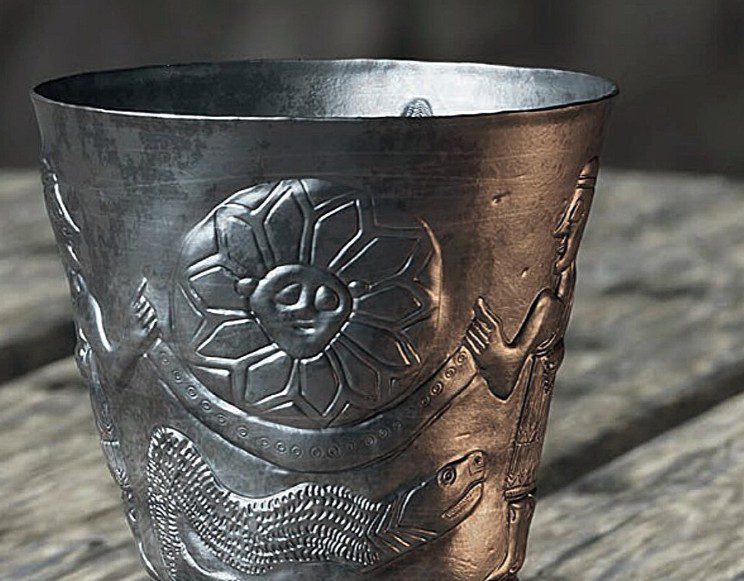
A 4,000-Year-Old Silver Goblet May Depict a Cosmic Creation Sequence — Not the Enuma Elish Myth
A new study is challenging long-held assumptions about one of the most enigmatic artworks from the Bronze Age Levant. The ˁAin Samiya goblet—an 8-centimeter silver vessel dated to the Intermediate Bronze Age (c. 2650–1950 BCE)—has traditionally been interpreted as an early visual reference to the Babylonian Enuma Elish creation myth. Now, fresh evidence suggests the…
-

A 3,200-Year-Old Mountain Fortress in Croatia Rewrites the Bronze Age Map
Perched on a windswept ridge 611 meters above sea level, a massive Bronze Age stronghold has emerged from the summit of Papuk Mountain in northeastern Croatia—forcing archaeologists to rethink what Late Bronze Age societies in the Balkans were capable of. The site, known as Gradina, reveals an unexpectedly sophisticated fortification system and a settlement layout…
-

Newly Found Needle-Carved Portrait of a Sasanian King Emerges in Istakhr’s Cliffs
A finely incised, needle-carved image believed to represent a Sasanian king has been identified on the cliffs overlooking the ancient city of Istakhr in southern Iran, according to archaeologist Abolhassan Atabaki. The carving, faint yet deliberate, depicts a crowned ruler accompanied by a crescent moon, a star, and a crenellated diadem — motifs strongly associated…
-

New Study: Mysterious Marks on Roman Glass Decoded — Diatreta Symbols Finally Make Sense
For more than two centuries, scholars have admired the technical brilliance of Roman diatreta — the famous “cage cups” with their delicate open-work walls. Yet one small detail on some of these vessels has gone largely unnoticed: a set of abstract symbols carved into the inscription band. A new study now argues that these marks…
-

9,000-Year-Old Ain Ghazal Statues Rewrite What We Thought We Knew About Early Human Art
Archaeologists are once again turning their attention to one of the most startling artistic breakthroughs of the Neolithic world: the monumental statues of Ain Ghazal, dating back nearly 9,000 years. Crafted between 7200–6250 BCE, these lime-plaster and reed figures rank among the earliest large-scale human representations ever created — and they refuse to fit into…
-

Bronze Age Mycenaean Road Network Reconstructed Using Advanced Digital Mapping
The Bronze Age Mycenaean road network across the Peloponnese reveals a sophisticated system of travel and trade in ancient Greece. Researchers have harnessed cutting‑edge digital tools to trace how travellers moved across ancient Greece, offering the clearest reconstruction yet of the road network built by the Mycenaeans in the Late Bronze Age. The new study, led…
-
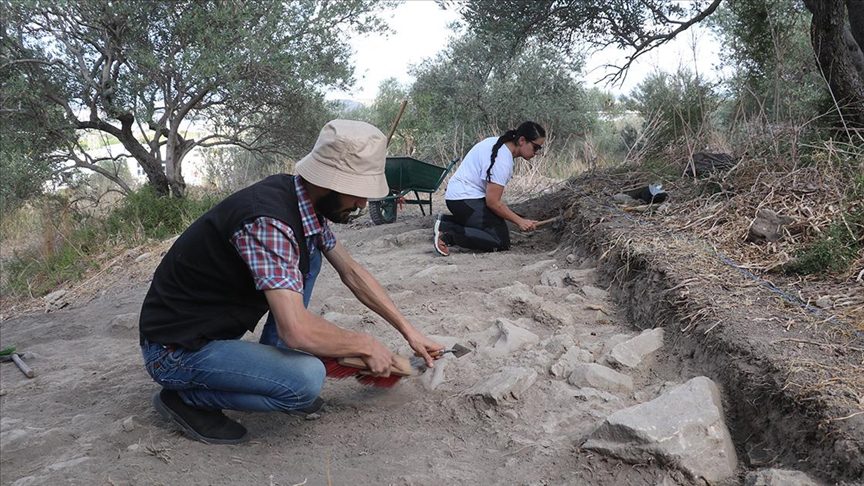
Archaeologists Revisit Ugarit — The Civilization That Reshaped Trade, Politics, and the Birth of Writing
After more than a decade of silence, the ancient city of Ugarit—one of the most influential centers of the Late Bronze Age—has returned to the spotlight. According to reporting by Arkeonews, international archaeologists have resumed excavations near Latakia in northwestern Syria, reopening a window into a civilization that transformed trade, politics, and the very foundations…
-
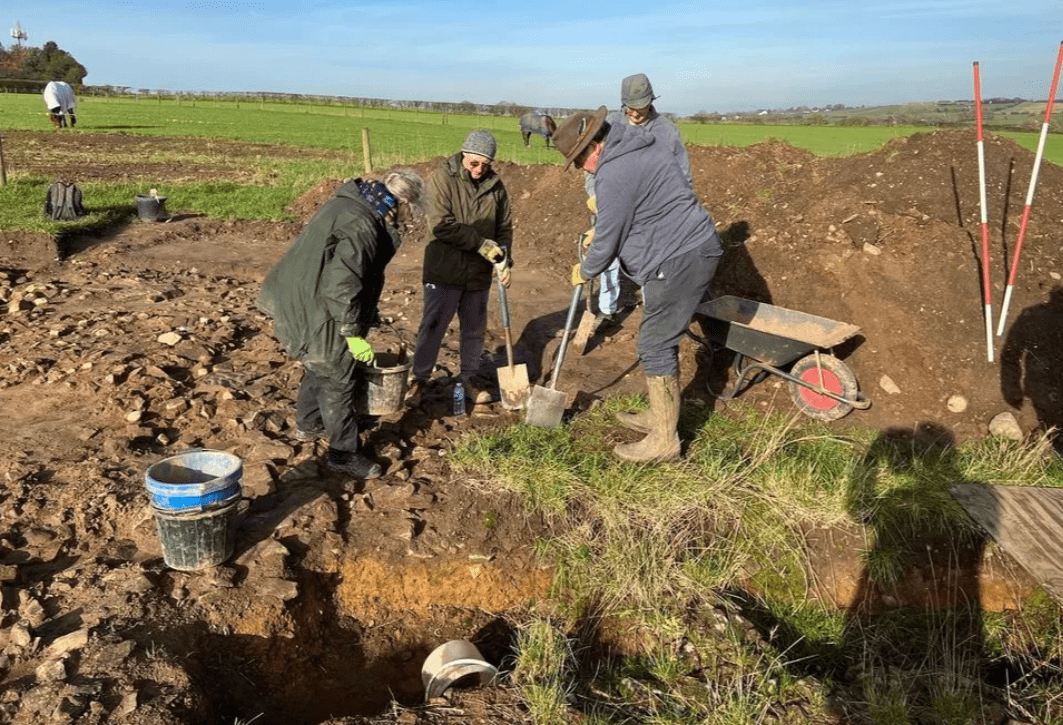
Wigan Archaeologists Uncover a 4,000-Year-Old Neolithic Henge and Bronze Age Cemetery
On a quiet stretch of farmland near the outskirts of Wigan, northern England, a team of volunteers have stumbled upon what could be one of the region’s most remarkable prehistoric finds — a 4,000-year-old Bronze Age cemetery that may sit atop an even older Neolithic henge. Members of the Wigan Archaeological Society, who have been…