Archaeologists working in the rugged landscapes of the Yorkshire Dales have unearthed the remains of a long-extinct species of wild cattle, known as aurochs, in a cave system near Ingleborough. The discovery sheds new light on prehistoric life and farming in the uplands of northern England, offering rare insight into human-environment interaction during the Neolithic and Bronze Age periods.
Ancient Cattle in the Depths of the Dales
The excavation, carried out by the Ingleborough Cave Archaeology Project in collaboration with experienced cavers, led to the recovery of bones belonging to an aurochs (Bos primigenius)—a massive, now-extinct ancestor of modern cattle that once roamed the forests and plains of prehistoric Europe.
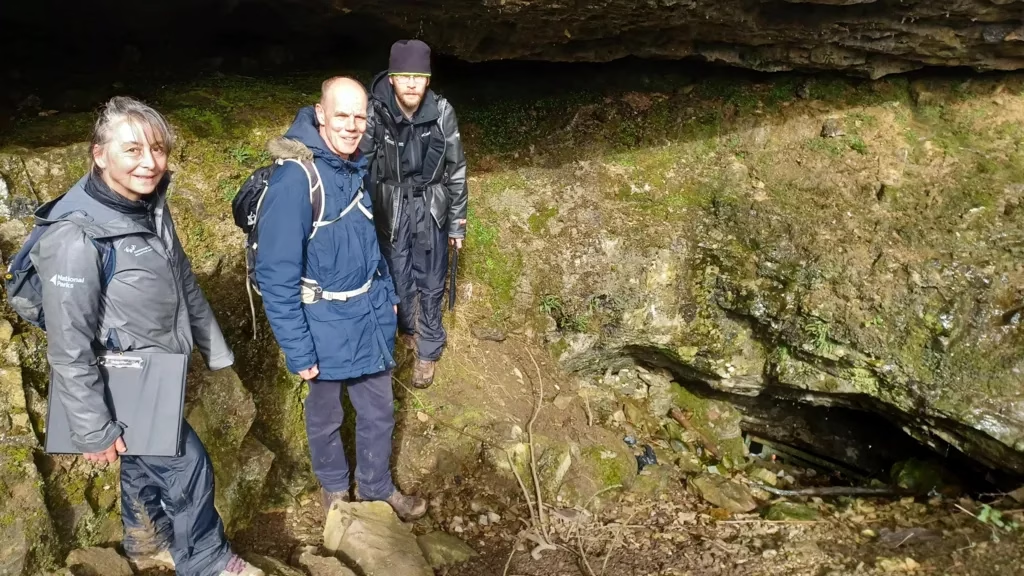
The animal’s remains were found in a deep, remote cave that required specialist knowledge and climbing equipment to access. The challenging terrain underscores the vital role that recreational cavers continue to play in bringing archaeological finds to light.
“These discoveries are only possible because of our collaboration with skilled local cavers,” said Dr. Rick Peterson, a cave archaeologist from the University of Central Lancashire. “Their knowledge of hidden underground spaces is invaluable for documenting the often-inaccessible traces of ancient life.”
Echoes of Neolithic Rituals
Alongside the aurochs remains, the team uncovered signs that the cave system had also been used as a burial site during the Neolithic period. These findings contribute to a growing body of evidence suggesting that Ingleborough was not just a place of habitation or farming, but also a spiritual or ceremonial landscape for early inhabitants.
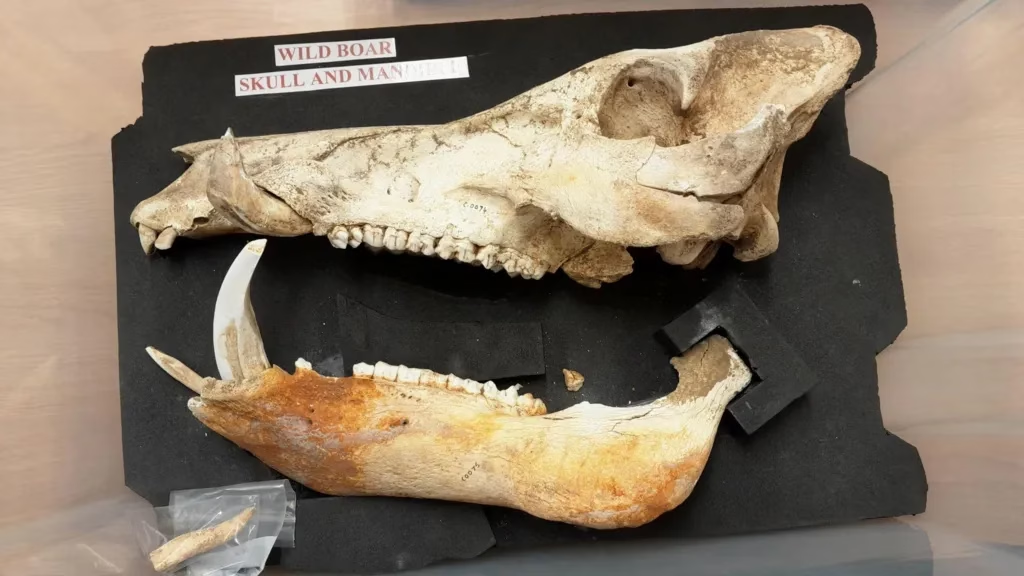
The cave excavations are part of a £3 million initiative supported by the National Lottery Heritage Fund, aimed at preserving England’s upland commons—including those in the Yorkshire Dales, Dartmoor, the Lake District, and the Shropshire Hills.
Farming on the Fell: From Magna Carta to Modern Conservation
The broader project also explores the deep-rooted history of commoning—a system in which local farmers graze livestock on shared land. Ingleborough remains one of the few places in England where this centuries-old tradition continues, with about a dozen farmers holding grazing rights dating back to the Magna Carta.
“This is not just about archaeology, it’s about continuity,” said project officer Claire Braeburn. “Understanding the prehistoric roots of farming in the Dales helps us better appreciate the cultural and ecological value of these commons today.”
Preserving the Past for the Future
With only 3% of England’s land now considered common land—down from over 50% in the past—archaeological insights from the Ingleborough caves are helping to shape conservation efforts that are both historically informed and environmentally sustainable.
From extinct wild cattle to ancient burial rites, the findings reveal a complex prehistoric relationship between humans, animals, and the land. As new discoveries emerge from the shadows of these limestone caves, they add powerful depth to the story of human resilience and adaptation in one of Britain’s oldest inhabited landscapes.
Cover Photo: Rick Peterson with archaeologist colleagues at one of the cave sites on Ingleborough. Image: Yorkshire Dales National Park Authority