-
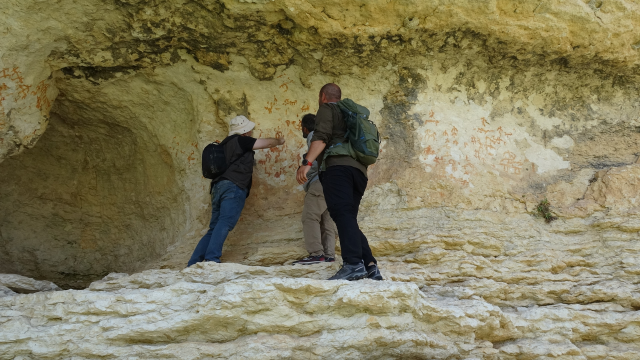
One of Anatolia’s Oldest Painted Caves Discovered in Malatya’s Tohma Canyon
A prehistoric cave discovered in Tohma Canyon in Malatya, eastern Türkiye, may rank among the oldest and richest painted caves known in Anatolia. Initial surveys identified nearly 100 human and animal figures on the cave walls, along with numerous geometric symbols. The paintings, made in red and reddish-brown tones, appear to belong to a symbolic…
-
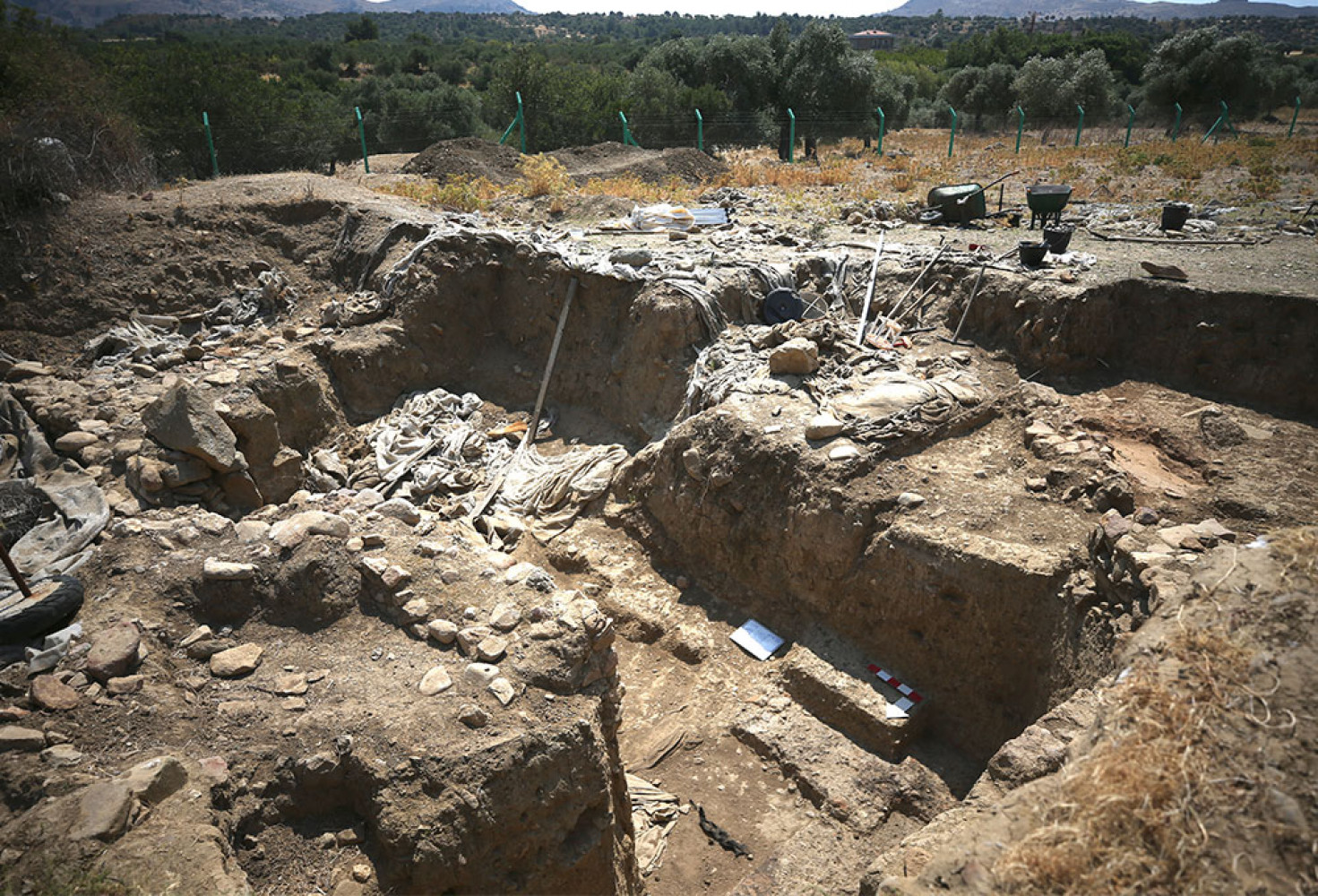
8,800-Year-Old Neolithic Houses on Gökçeada Reveal One of the Aegean’s Earliest Farming Villages
Five 8,800-year-old Neolithic houses uncovered at Uğurlu-Zeytinlik Höyük on Gökçeada are offering a rare view into how some of the earliest farming communities of the Aegean islands built, lived, and adapted to an island environment. The structures, dated to around 6800 BC, came to light during a recent excavation season at the prehistoric mound, where…
-
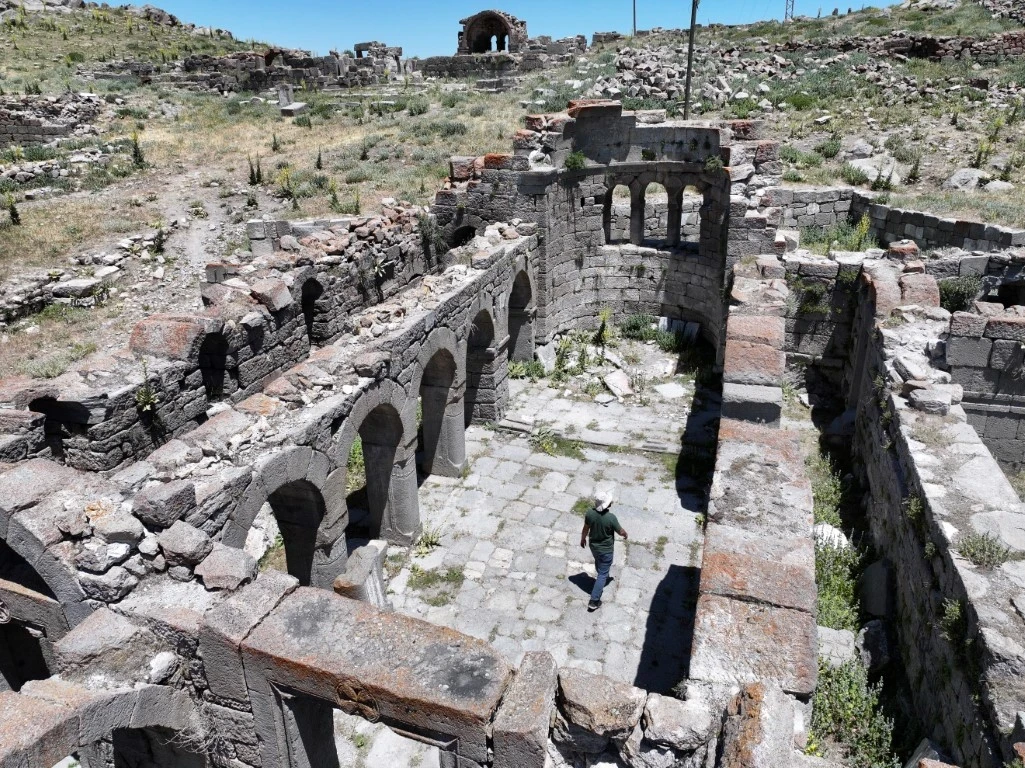
15 Newly Discovered Churches at Binbir Kilise Suggest Lost Byzantine Pilgrimage Center in Anatolia
A new wave of archaeological discoveries in central Turkey is reshaping what we know about one of Anatolia’s most enigmatic sacred landscapes. In the volcanic highlands of Karadağ, north of Karaman, researchers have identified at least 15 previously undocumented churches and chapels within the historic Binbir Kilise region. The findings point to something far more…
-
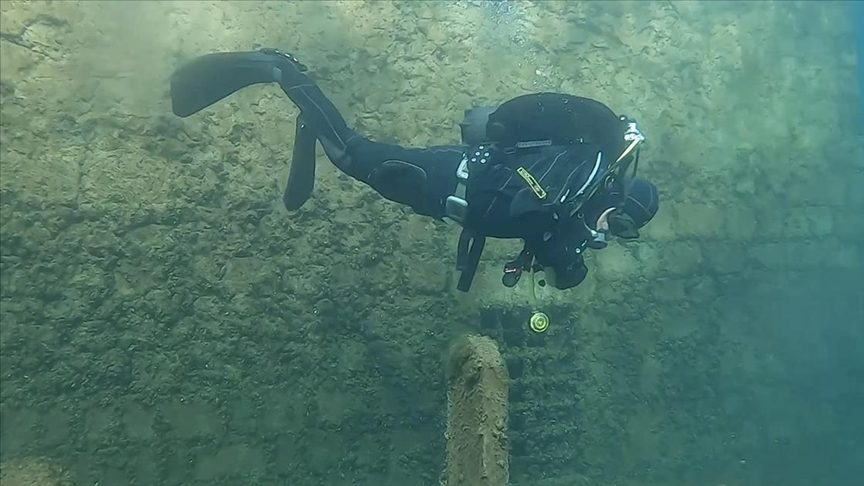
2,400-Year-Old Submerged City Remains Filmed Beneath Dicle Dam in Diyarbakır
For years, the waters of the Dicle Dam have concealed what looks less like scattered ruins and more like the outline of a forgotten settlement. Now, new underwater footage has brought that hidden landscape back into view. Captured during a routine dive by search-and-rescue teams in the Eğil district of southeastern Turkey, the images reveal…
-
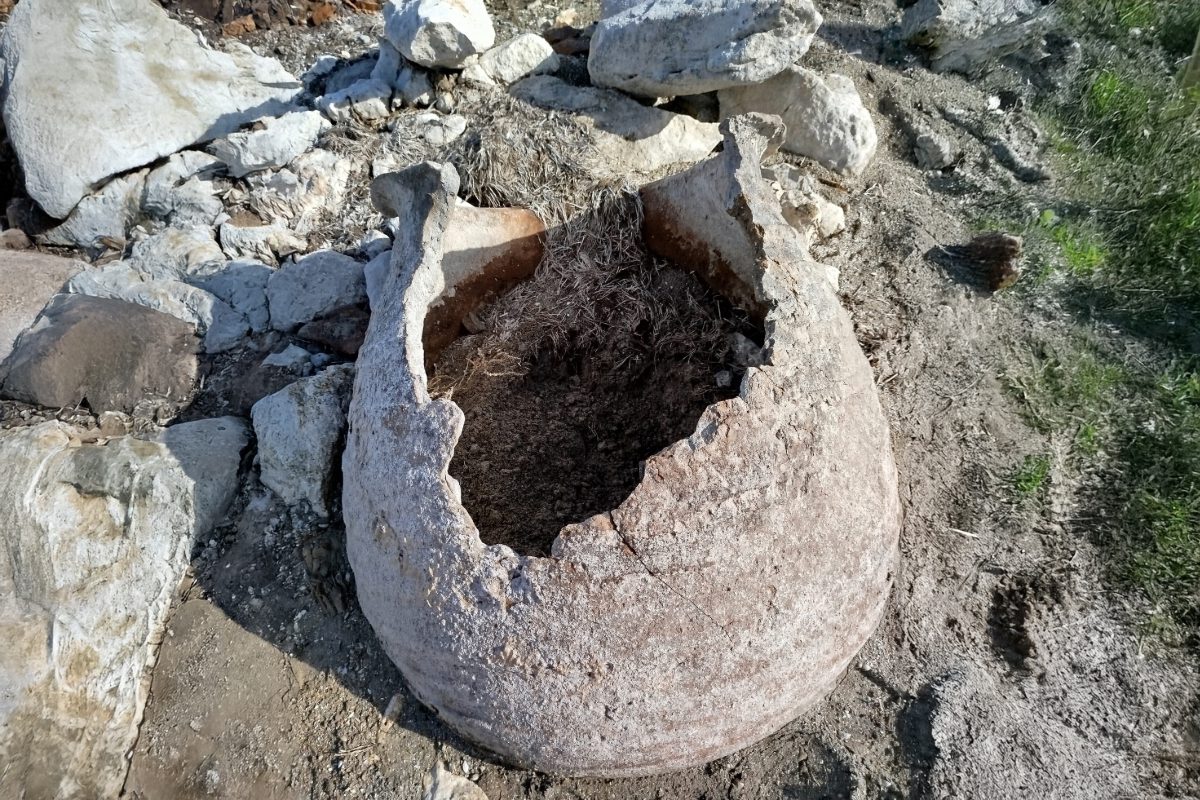
Drought Reveals Possible Ancient Jar Burials Along the Shores of Lake Eğirdir in Türkiye
A receding shoreline. Cracked earth where water once stood. And rising from the exposed lakebed—massive ceramic jars, partially buried in silt. Along the shores of Lake Eğirdir in southwestern Türkiye, severe drought has revealed what may be an ancient burial ground. As water levels dropped dramatically in recent years, villagers in Beydere began noticing large…
-
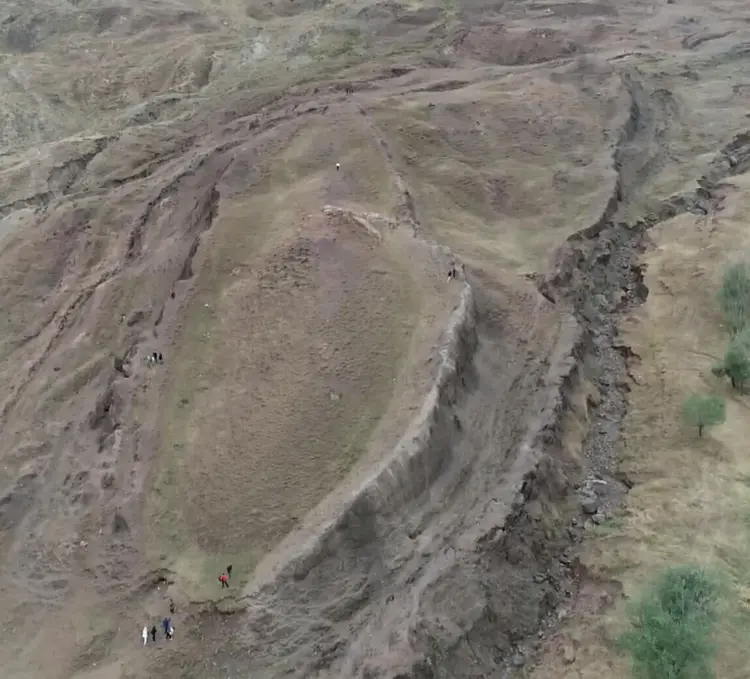
A New Geological Survey near Mount Ararat Revives Debate over the So-Called ‘Noah’s Ark’ Formation
Ceramic fragments uncovered during roadwork hint at human activity in the area as early as the Chalcolithic period The long-debated formation on the slopes of Mount Ararat—long associated by some with the story of Noah’s Ark—has gained renewed archaeological attention after researchers documented ceramic fragments in the surrounding terrain. The material, examined by a joint…
-
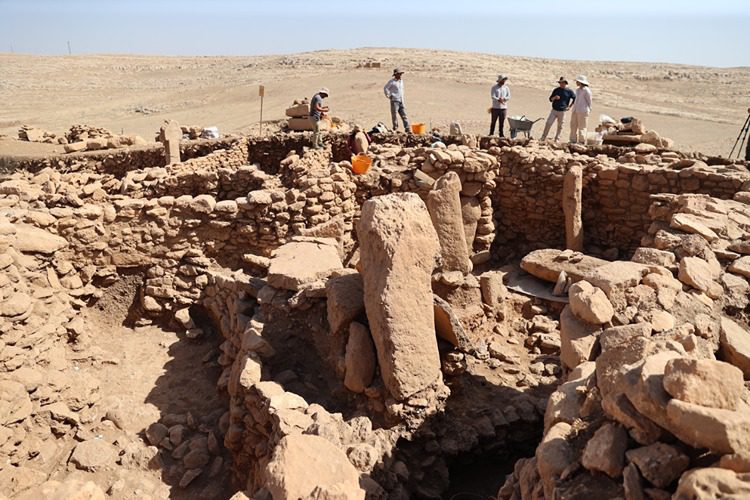
Karahantepe May Reveal Göbeklitepe Was Never Just a Temple
In the barren hills of southeastern Turkey, Karahantepe is quietly rewriting what we thought we knew about humanity’s earliest monuments.For decades, Göbeklitepe stood as an enigma — a site of stone circles and sacred carvings often described as the world’s first temple.Now, new evidence from Karahantepe suggests a more complex story: these were not places…
-
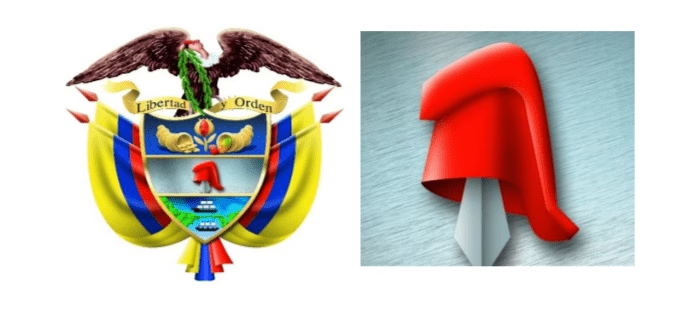
From Phrygia to Colombia: The 3,000-Year Journey of the Cap of Liberty
How an Anatolian symbol of rebirth and freedom became part of Colombia’s national emblem The conical felt cap worn by the ancient Phrygians — once adorning the heads of shepherds, warriors, and priests of central Anatolia — has traveled far beyond its homeland. Today, the same “Phrygian cap” crowns the coat of arms of Colombia…
-
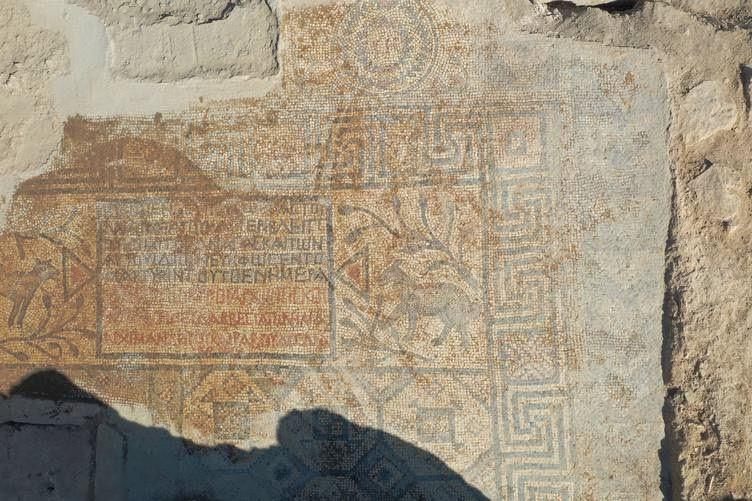
1,500-Year-Old Greek Mosaic Discovered Beneath Urfa Castle Reveals Names of Early Byzantine Clergy
In the shadow of Urfa Castle, overlooking the sacred pools of Balıklıgöl in southeastern Türkiye, archaeologists have uncovered a 1,500-year-old mosaic floor bearing a Greek inscription and intricate ornamental designs. The find, dating to the late 5th century CE, sheds new light on the religious landscape of ancient Edessa—one of the earliest centers of Christianity…