In AD 480, a Roman tax scandal in western Anatolia pushed one of the Eastern Roman Empire’s highest officials to threaten dishonest collectors with death. Before the year was over, he too had been sentenced to die.
Newly identified inscription fragments from Stratonikeia are now filling gaps in the decree behind the affair. The text reveals how incomplete tax receipts may have enabled abuses to continue for at least 15 years, despite repeated complaints and earlier attempts by the imperial administration to intervene.
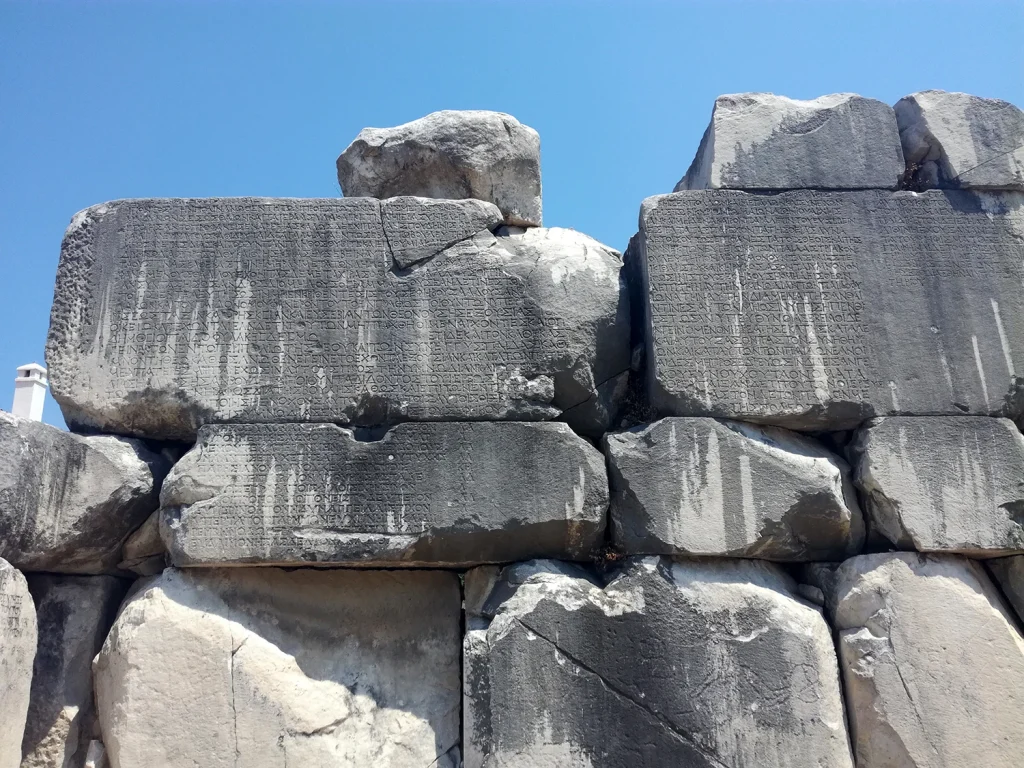
The fragments emerged during excavations led by Prof. Dr. Bilal Söğüt in 2024. At first, they appeared to belong to a poetic inscription honouring a local dignitary. A closer examination by Dr. Paweł Nowakowski of the University of Warsaw and Prof. Dr. Mustafa Adak of Akdeniz University produced a very different interpretation.
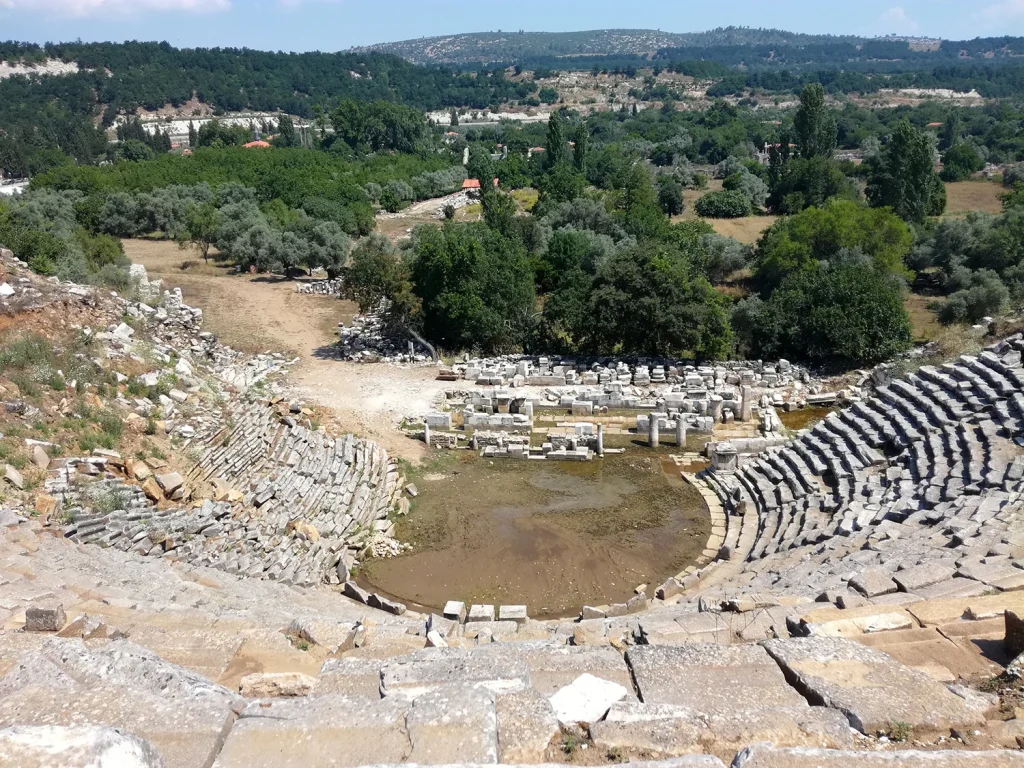
Their letter forms and surviving phrases matched a legal order already known from inscriptions found at Stratonikeia, Mylasa and Keramos—three ancient cities in Caria, in present-day southwestern Türkiye.
Receipts With the Most Important Detail Missing
At the heart of the case were estates belonging to Placidia, daughter of the Western Roman emperor Valentinian III.
Residents paid their taxes in money or agricultural produce and were supposed to receive written confirmation. Yet the receipts issued by collectors failed to record either the amount handed over or the unit used to calculate the payment.
That omission left taxpayers with little proof of what they had actually paid.
According to the researchers, officials could collect one amount locally while entering a lower figure in accounts sent to Constantinople. Any difference may then have been retained by the collectors.
Complaints had already reached the imperial administration by around AD 465. An earlier praetorian prefect attempted to intervene, but his instructions appear to have had little effect. Fifteen years later, the same problem was still serious enough to require another decree.
Rome’s Earlier Warnings Had Failed
Flavius Illus Pusaeus Dionysius, praetorian prefect of the East, issued the new order on August 1, AD 480.
A special representative was dispatched to Caria and given until December 1 to end the abuses. Failure could cost him his property.
Tax collectors faced a much harsher consequence. Anyone who continued issuing incomplete receipts could be put to death. Provincial governors and officials responsible for defending the interests of city residents were also warned that tolerating the practice would bring heavy financial penalties.
Execution was an exceptional threat in cases involving tax documentation. Researchers have identified at least 11 other Roman measures issued between the fourth and sixth centuries that demanded properly completed receipts, but those orders generally relied on fines.
The severity of the AD 480 decree may have reflected the political importance of the estates. Because the abuses involved property connected to the imperial family and continued despite earlier instructions, officials may have viewed the conduct as more than financial misconduct. It could also be interpreted as open defiance of imperial authority.
Whether the death penalty was ever carried out against the collectors remains unknown. Roman legislation sometimes used extreme punishments to demonstrate official resolve, even when enforcement was inconsistent.
The Official Who Issued the Threat Was Also Condemned
Dionysius may never have learned whether his intervention succeeded. Later in AD 480, he was accused of conspiring against Emperor Zeno and sentenced to death himself.
Copies of his decree preserved at Stratonikeia, Mylasa and Keramos show that the order reached western Anatolia and was displayed publicly. They also reveal that imperial laws were not always reproduced word for word.
Vocabulary, word order and some phrases vary between the three versions. Local scribes and stonecutters apparently had limited freedom when adapting official texts to the available stone or local writing practices.
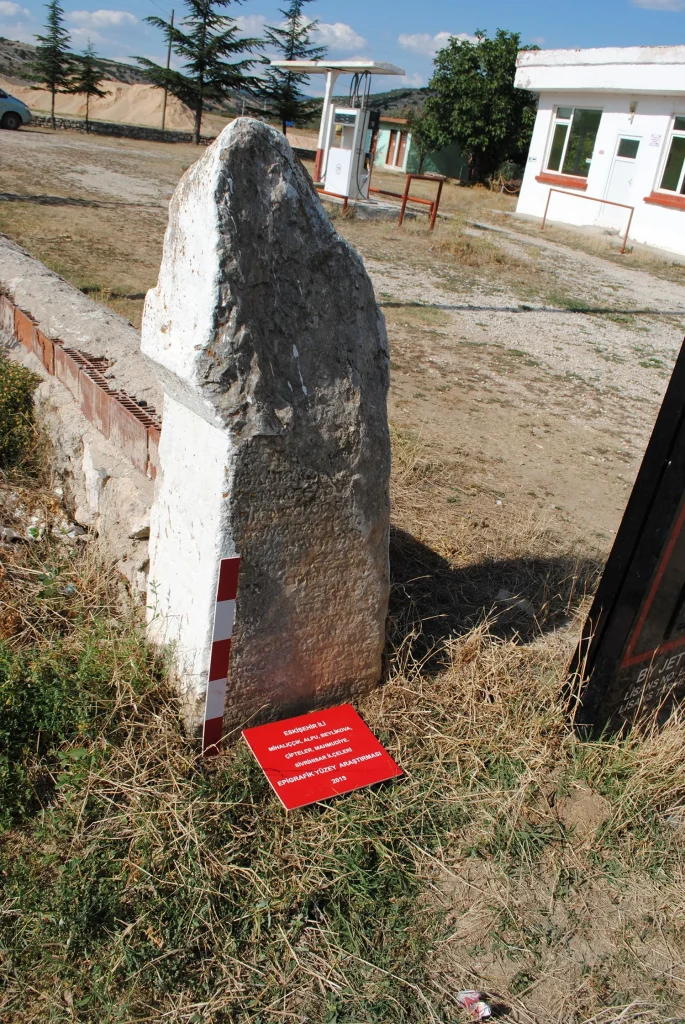
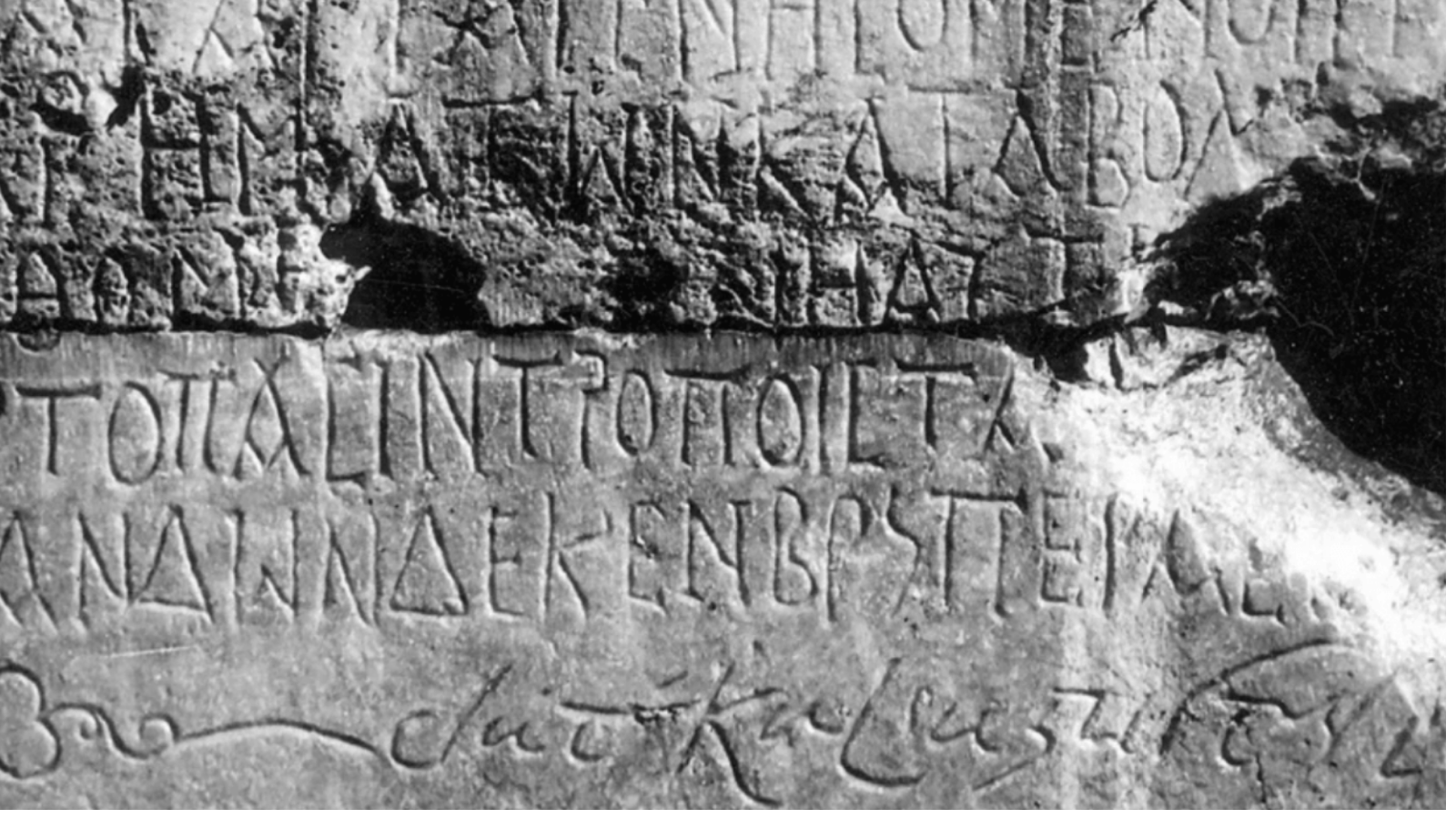
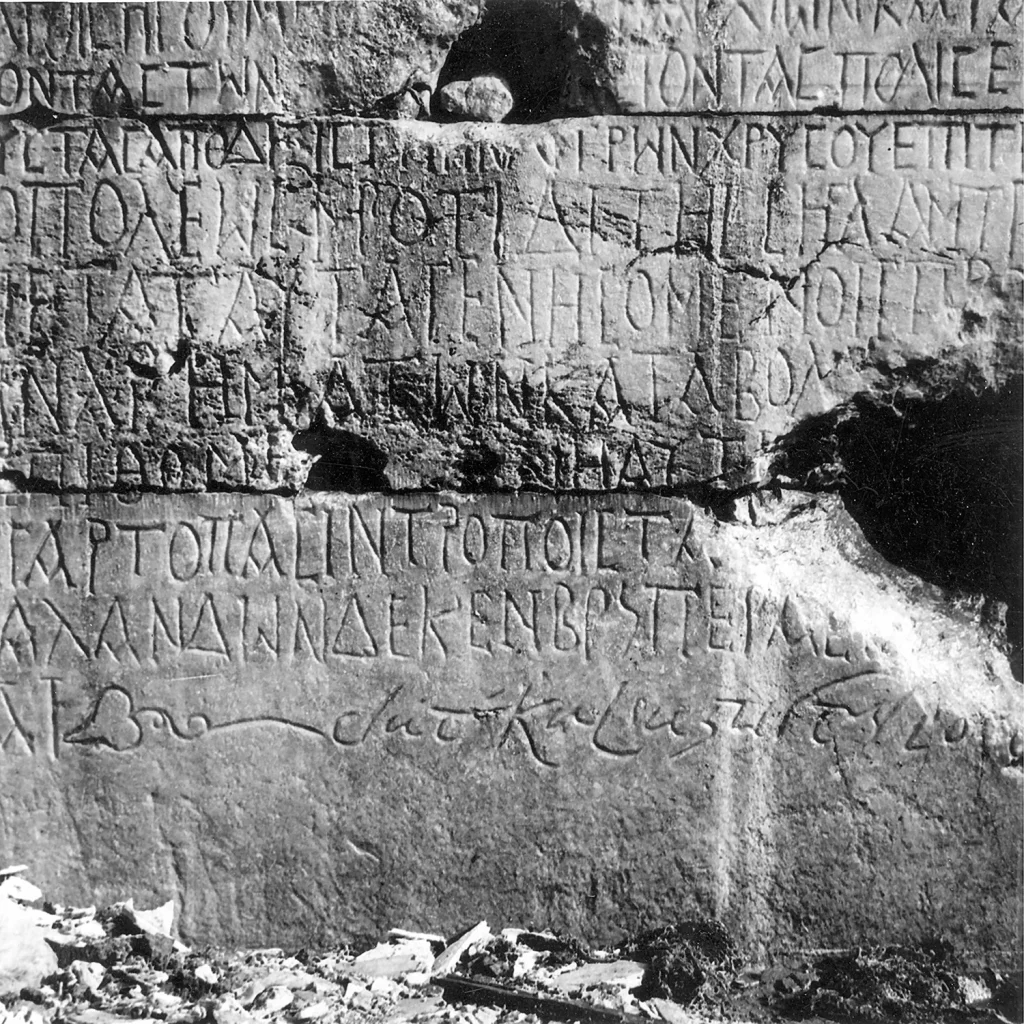
One feature, however, received particular attention. Beneath the Greek text, the craftsmen copied the prefect’s handwritten Latin subscription, turning his original signature into a stone facsimile.
More than 1,500 years later, the signature survives alongside an order aimed at officials who had ignored repeated warnings—and whose alleged manipulation of a few missing figures became a scandal serious enough for Rome to threaten execution.
Cover Image: Archival photograph of the Mylasa copy of the inscription linked to the Roman tax scandal, from the Louis Robert archive. Courtesy of Prof. Denis Feissel.