-
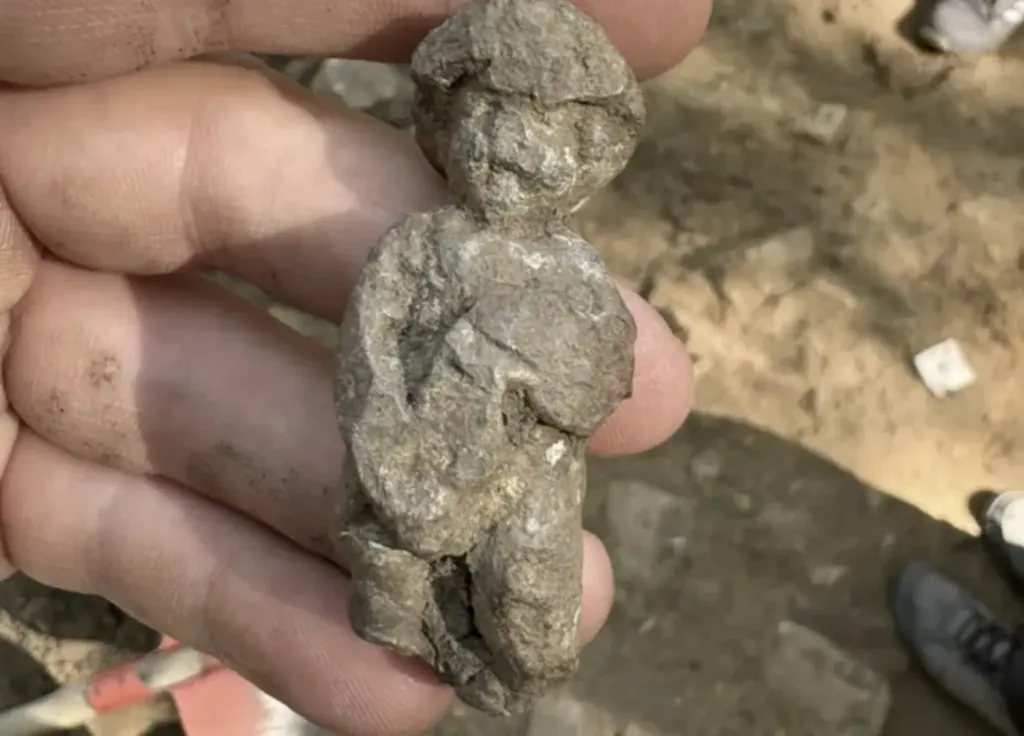
A Tiny Lead Venus Changes the Story of a Roman Village Near Ancient Aquincum
For four years, archaeologists excavating a Roman village northwest of ancient Aquincum have been reconstructing the practical side of life there through houses, pottery, tools and traces of everyday work. This season, they found something the site had not produced before. A small lead figurine depicting Venus has become the first object from the settlement…
-
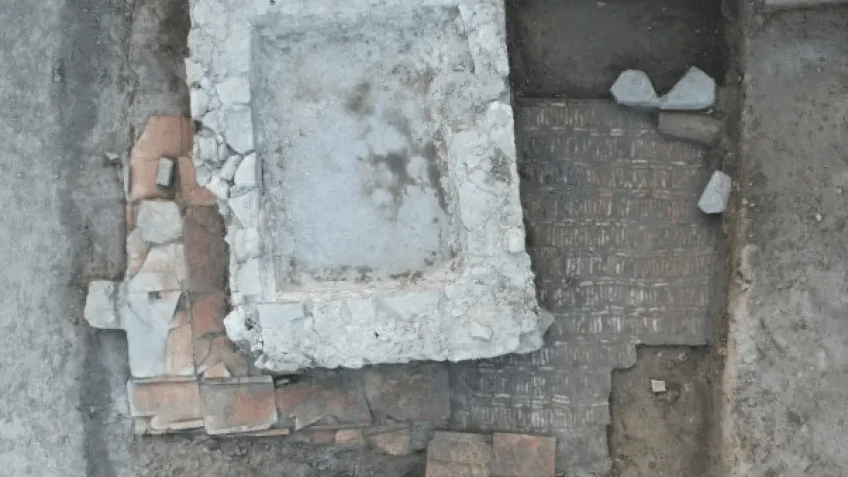
Rare Priapus Figurine and Head of Mithras Found at Roman Fortress in Bulgaria
A rare bronze figurine of Priapus and a sculpted head identified as the god Mithras have been found at Novae, a Roman legionary fortress beside the Danube in northern Bulgaria. The discoveries came during an excavation season that also revealed more of a vast building that may have housed the commander of the legion. The…
-
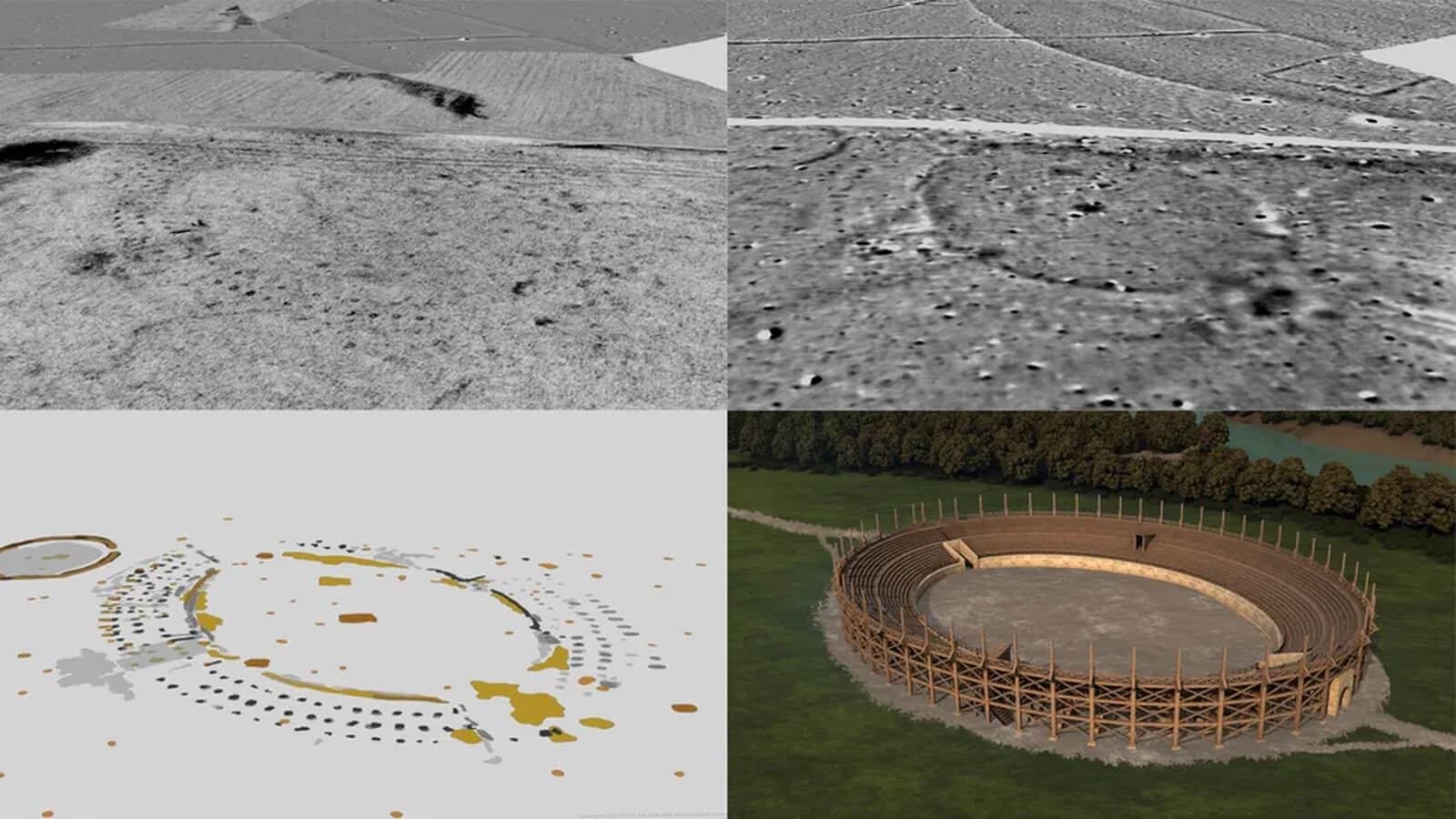
Roman City with an 8,000-Seat Amphitheater Discovered in Austria
Archaeologists have identified a Roman city beneath fields near the Danube in Austria. Its planned streets cover 25 to 30 hectares, and a newly detected amphitheater could have seated around 8,000 spectators—an unexpected find beside a fort built for only about 500 soldiers. The city lies at Stein, in the municipality of St. Pantaleon-Erla. Researchers…
-
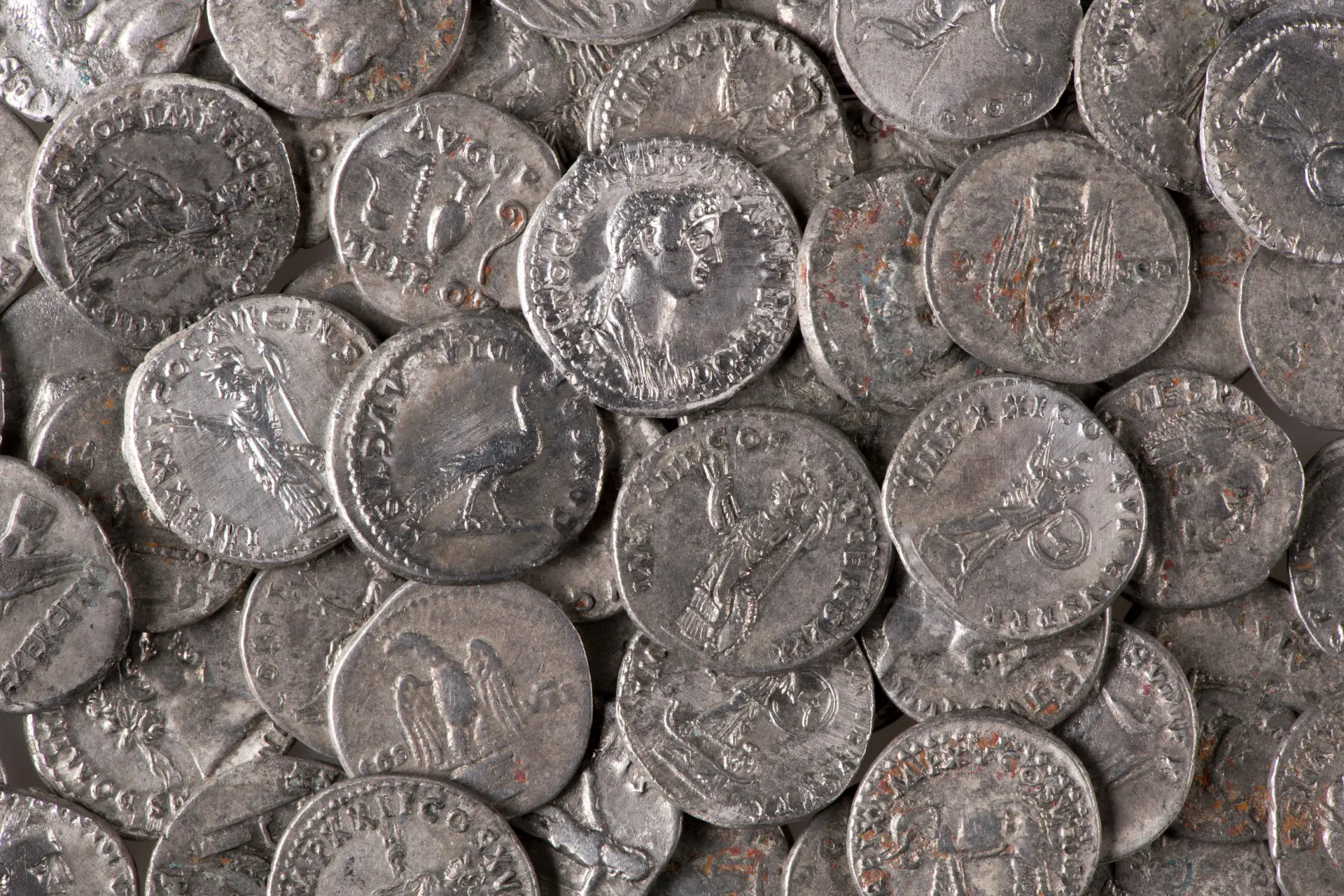
A Roman Coin Was Already 270 Years Old When Someone Buried This Silver Hoard in Germany
A silver coin minted in 148 BC was still part of someone’s savings more than 270 years later. Archaeologists found it among 934 Roman denarii buried in a field near Wesseling, Germany. The newest coin in the hoard dates to AD 124 or 125, raising a question the excavation cannot answer: who kept this money…
-
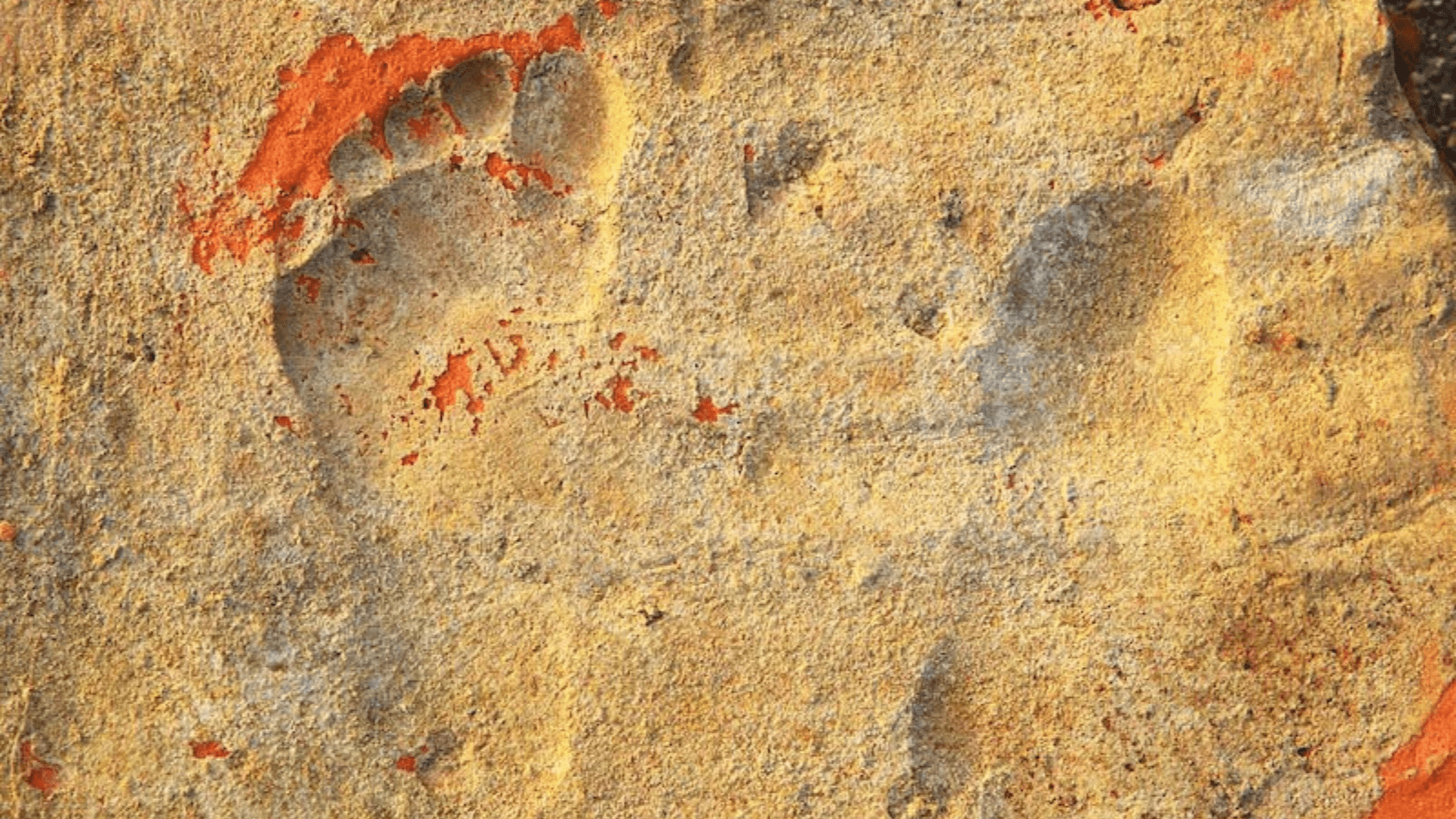
Three Children Left Their Footprints at Stratonikeia 1,900 Years Ago
The monumental ruins of Stratonikeia preserve the names of rulers, the decisions of civic officials and the ambitions of wealthy builders. Its latest discovery records something far quieter: the footsteps of three children who lived nearly 1,900 years ago. Archaeologists uncovered the footprints during excavations at a Roman bath complex in the ancient city, located…
-
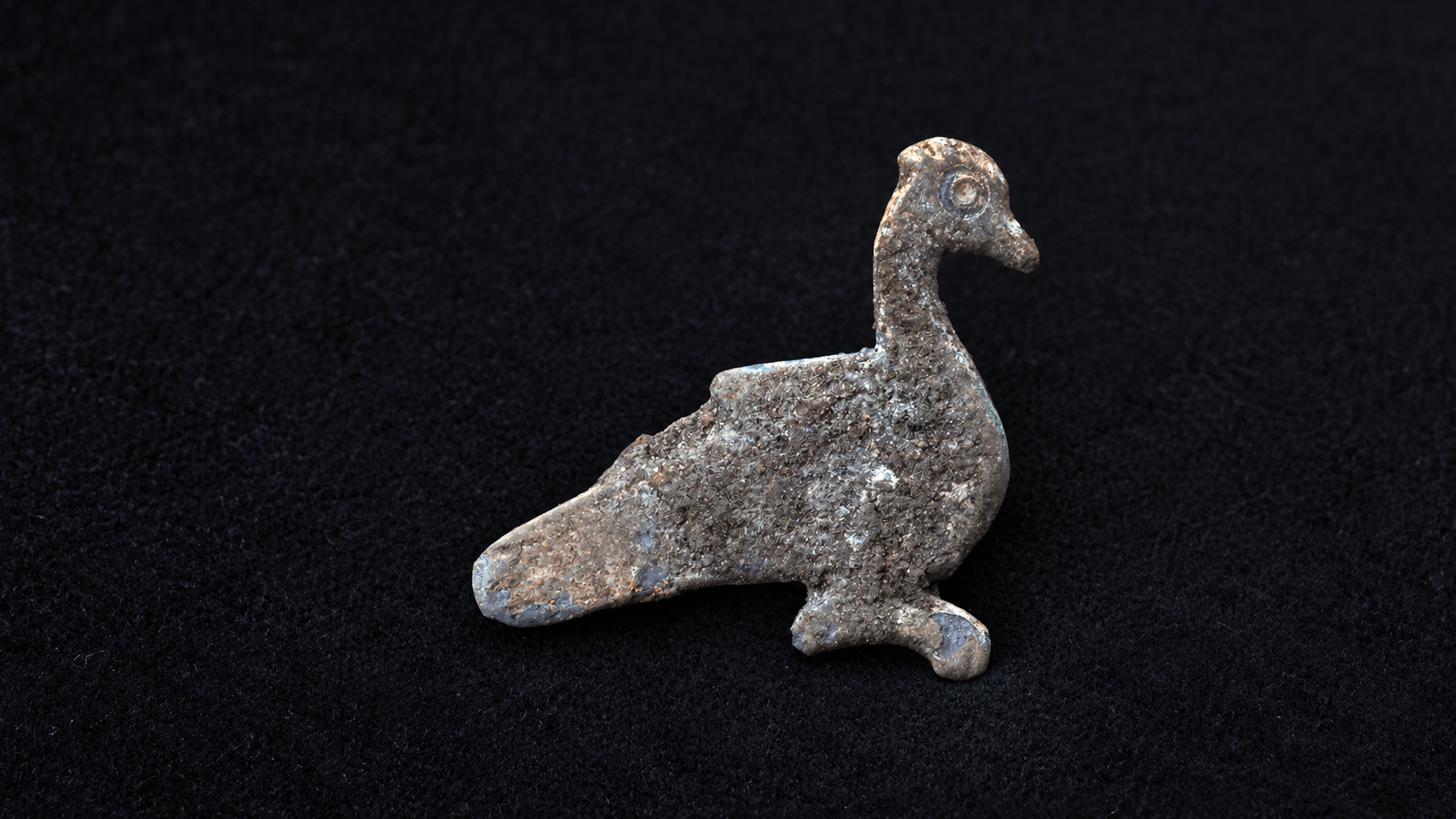
Roman Settlement Destroyed by Fire Discovered in Switzerland
Archaeologists excavating ahead of a housing project in southern Switzerland have uncovered a Roman settlement containing evidence of iron and bronze working on a significant scale. The complex, occupied during the second and third centuries AD, came to a violent end when a fire brought down its tiled roof. The discovery was made near Via…
-
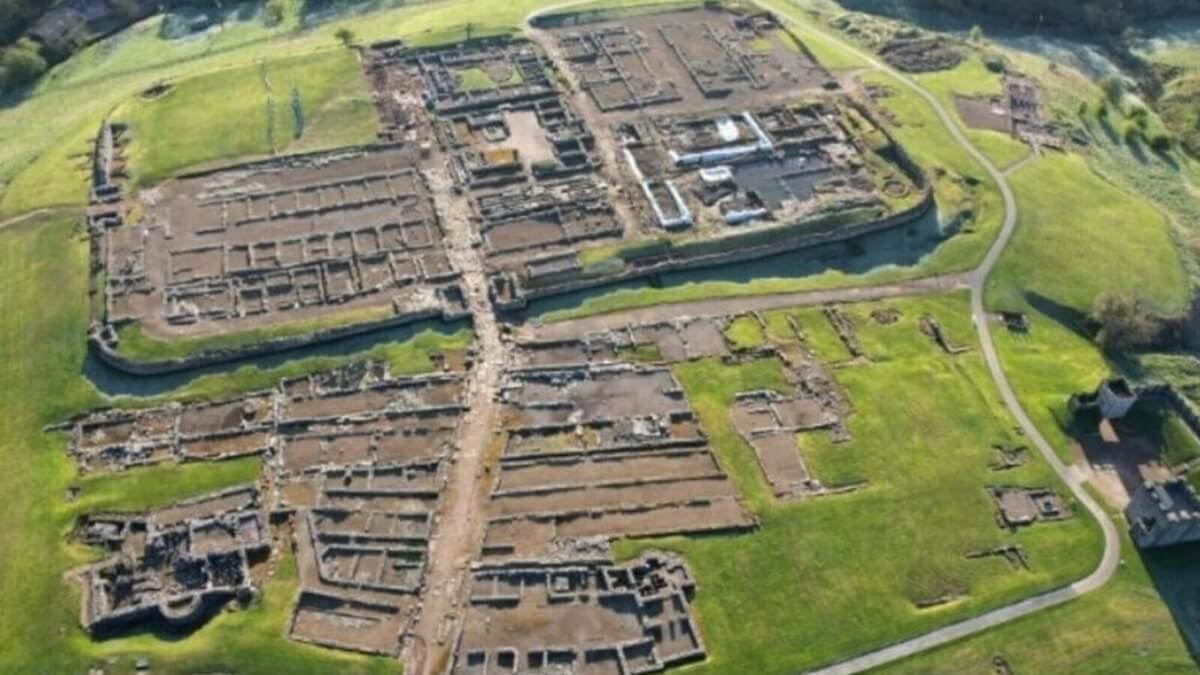
1,800-Year-Old Sword Fitting Preserves a Flash of Color at Roman Vindolanda
An enamelled Roman sword fitting has emerged from a second-century layer at Roman Vindolanda, the frontier fort near Hadrian’s Wall in northern England. Although small enough to fit in one hand, the object preserves a detail rarely associated with the popular image of the Roman army: color. The copper-alloy fitting has been identified as a…
-
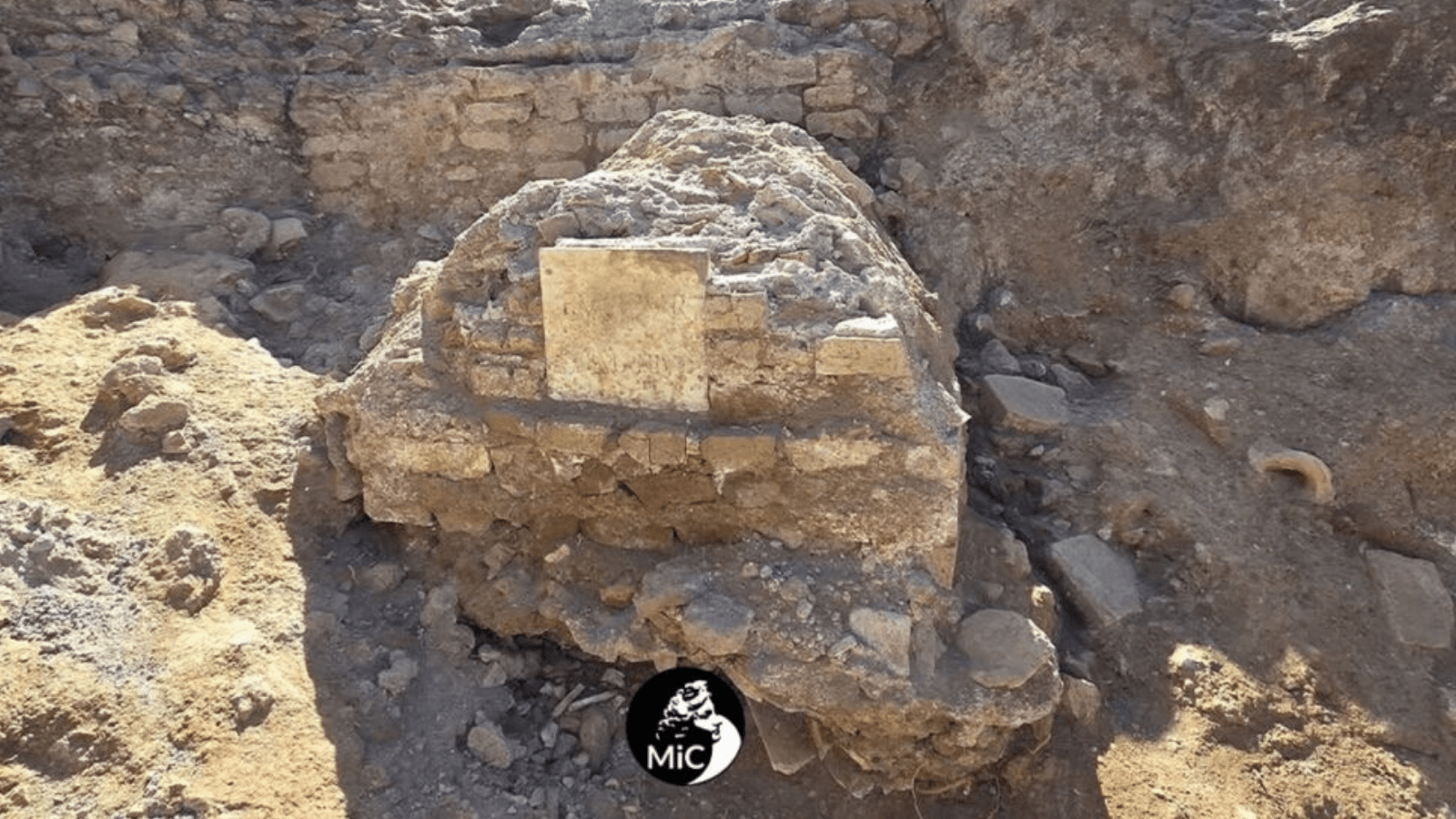
Rare Inscription Shows How Romans ‘Buried’ Lightning at Hadrian’s Villa
A marble inscription discovered at Hadrian’s Villa in Tivoli has revealed how Romans responded when lightning struck the imperial residence. Rather than treating the event as ordinary damage, they apparently buried its physical traces, separated the affected ground and placed it within the divine realm. Archaeologists found the inscription in the area traditionally known as…
-
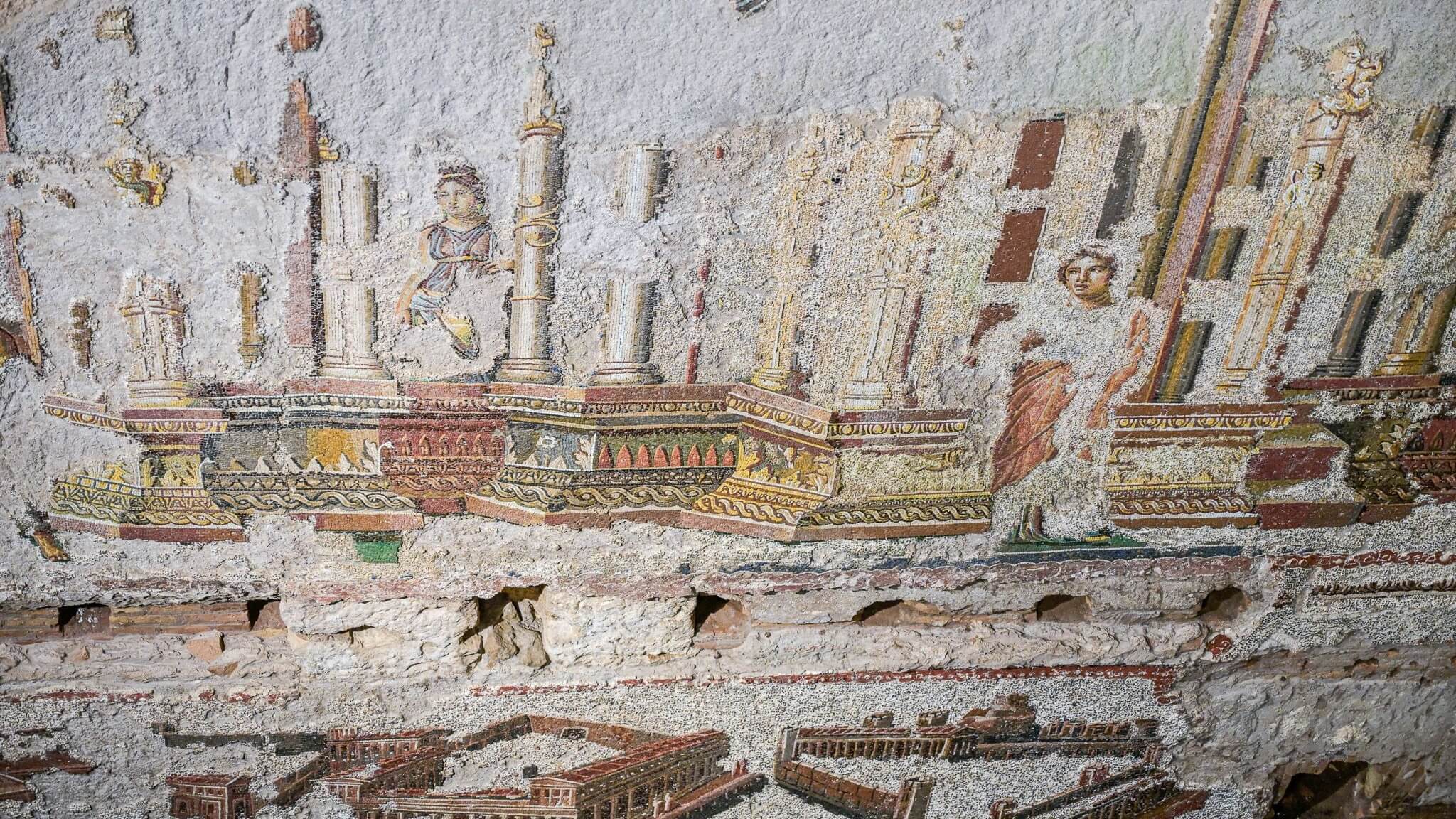
New Excavations Beneath Rome’s Baths of Trajan Reveal a Roman Port Scene
Archaeologists working beneath the Baths of Trajan in Rome have uncovered a previously unseen section of a monumental wall mosaic. The Roman port scene shows buildings arranged beside the sea, adding a coastal landscape to an artwork that may be the largest wall mosaic yet found in the Roman world. The discovery emerged during the…