-
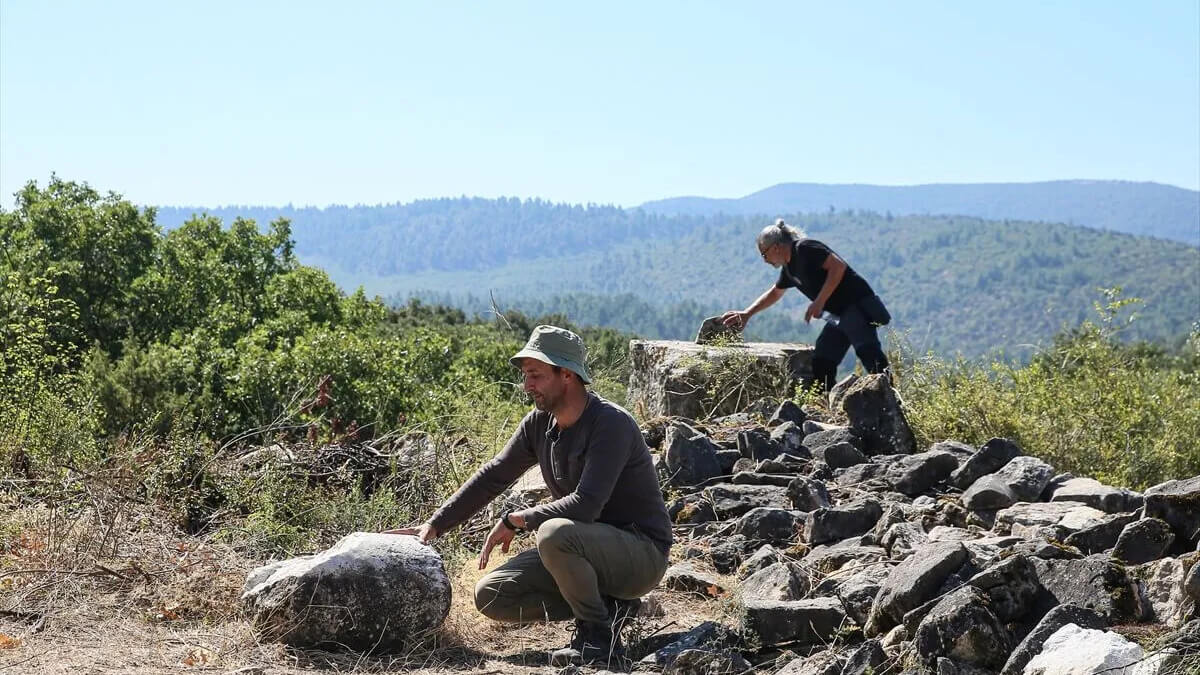
Excavations Begin at Hadrianoi, the Hidden Roman City in Türkiye
A monumental building has begun to emerge at Hadrianoi, a hidden Roman city on the southern slopes of Mount Uludağ in northwestern Türkiye. Archaeologists say the structure may have served as an agora or gymnasium, although its identity will remain uncertain until they reach the original floor. The excavation is being conducted by the Bursa…
-
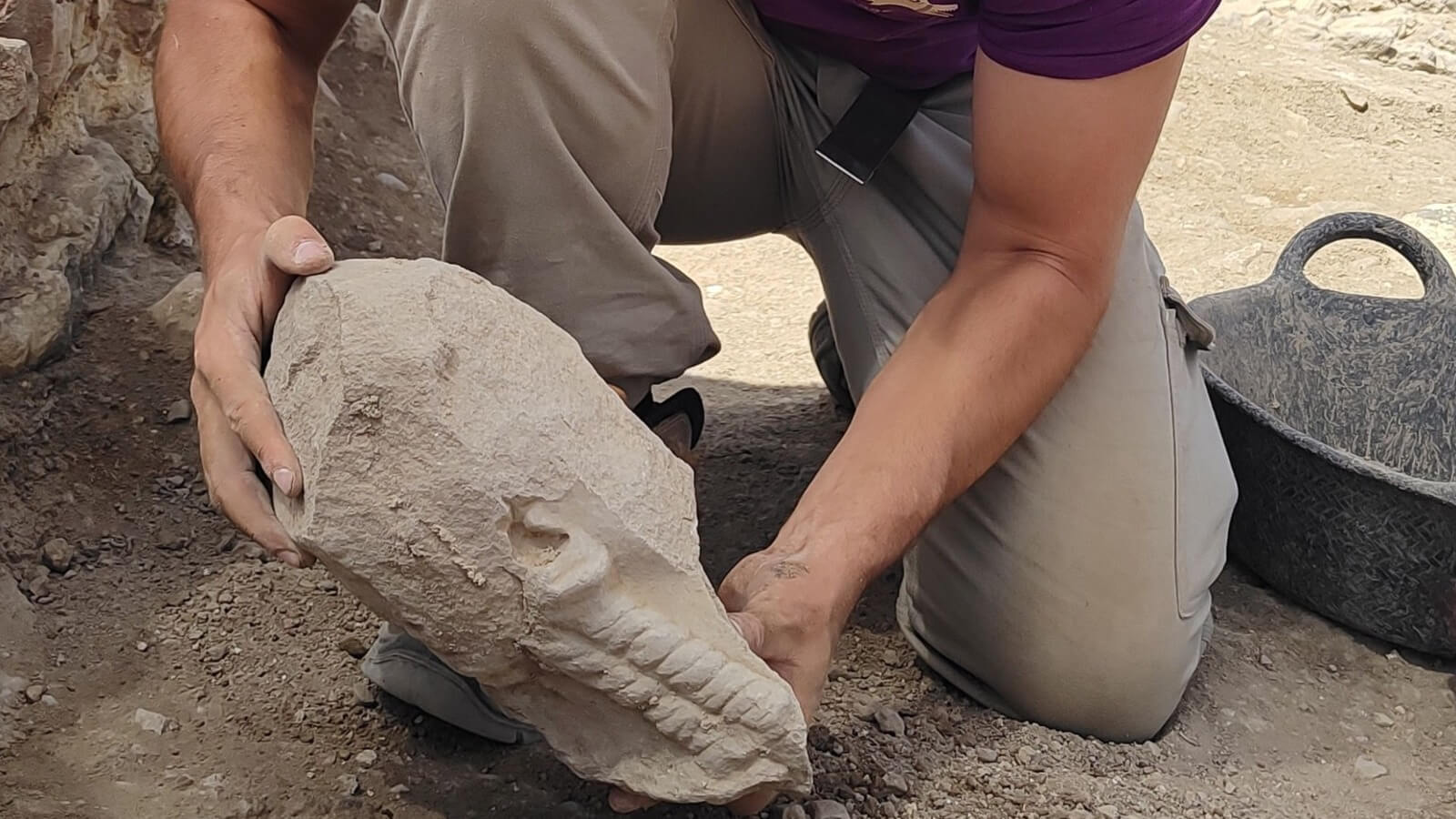
2,400-Year-Old Iberian Statue Head Found Built Into a Roman Granary in Spain
The nearly life-size limestone head may once have belonged to an Iberian funerary monument associated with elite identity. Centuries later, it was stripped of its original meaning and reused as an ordinary building stone. Archaeologists excavating the ancient city of Libisosa in southeastern Spain have discovered the head of an exceptional Iberian statue dating to…
-
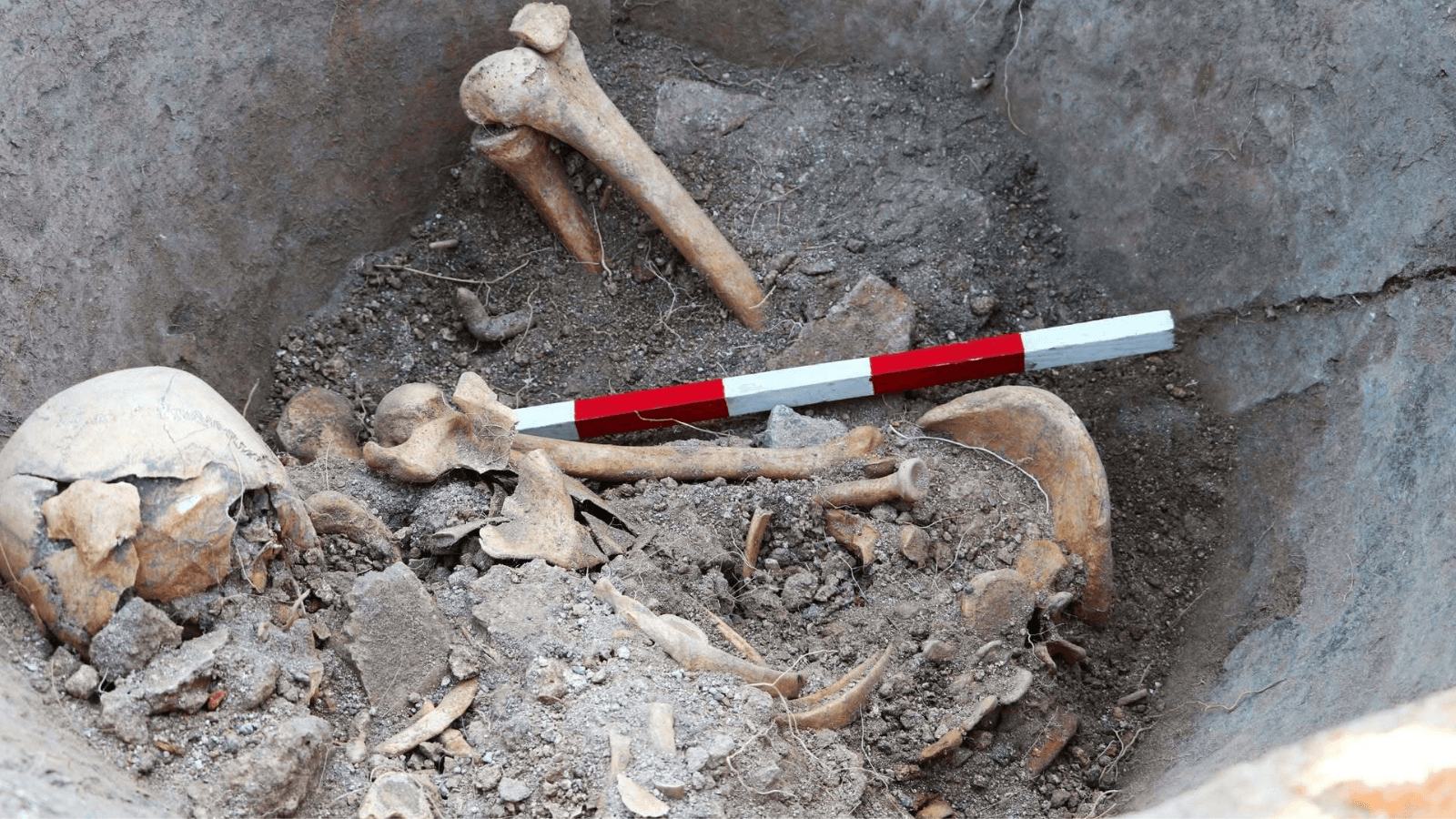
1,600-Year-Old Skeleton Found Curled Inside a Giant Roman Jar in Bulgaria
Archaeologists excavating the Roman city of Deultum in Bulgaria have uncovered a 1,600-year-old skeleton inside a giant ceramic storage vessel. The individual may have climbed into the jar as fire and violence engulfed the city—then died without attempting to escape. The remains were discovered on August 10 in the northern tower of Deultum’s western gate,…
-
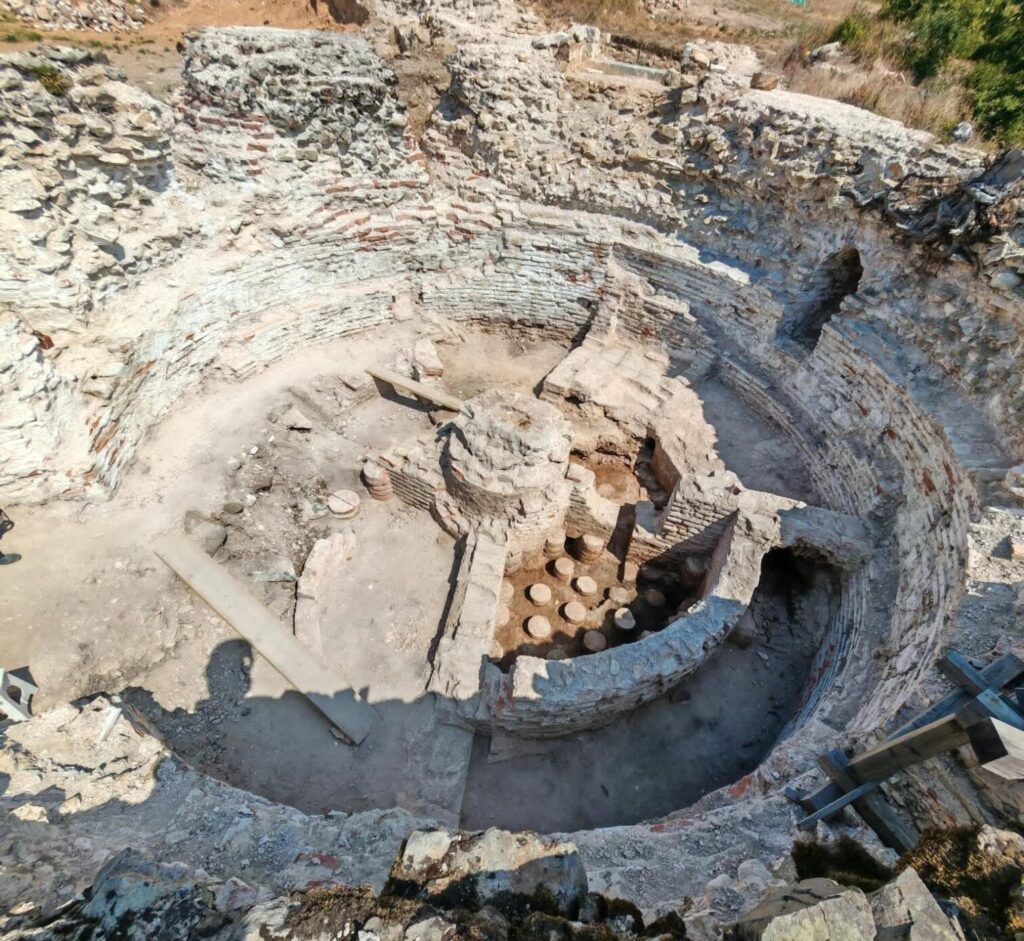
A Roman Palace Tower in Serbia Was Hiding a Unique Imperial Bath
Archaeologists at Vrelo–Šarkamen in eastern Serbia have uncovered a remarkably preserved Roman imperial bath built into the lowest level of a monumental palace tower. The circular balneum belonged to a fortified residence associated with the Roman tetrarch Maximinus Daia, and the excavation team says no direct parallel for this architectural arrangement is currently known elsewhere…
-
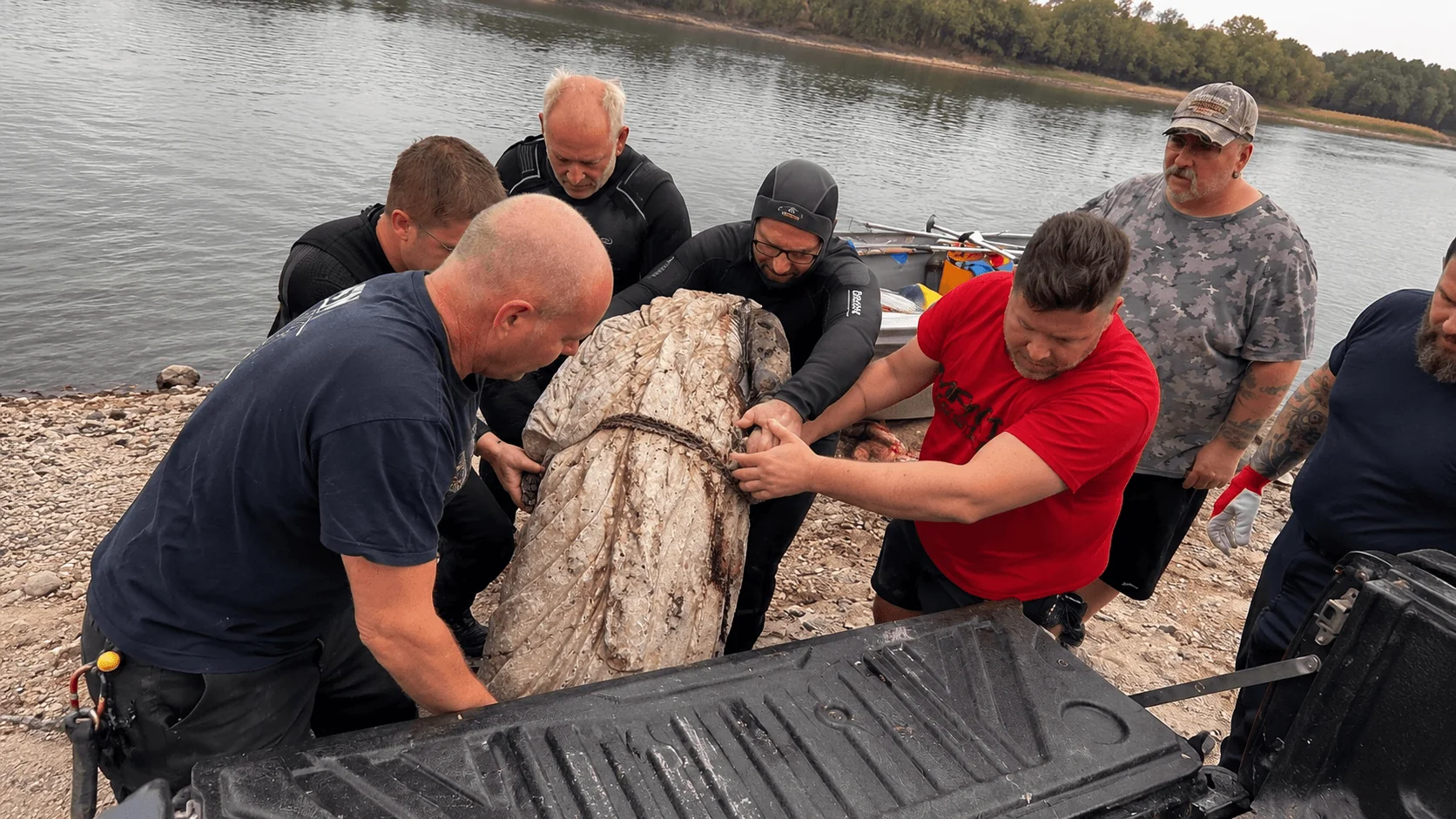
Nearly Intact Roman Statue Weighing Hundreds of Kilograms Pulled from the Danube in Hungary
A nearly intact Roman statue weighing several hundred kilograms has been recovered from the Danube near Dunaújváros, Hungary, as exceptionally low water levels continue to expose archaeological remains around the ancient settlement of Intercisa. Industrial divers discovered the statue in a difficult-to-access section of the river. Its considerable weight made the recovery challenging, and additional…
-
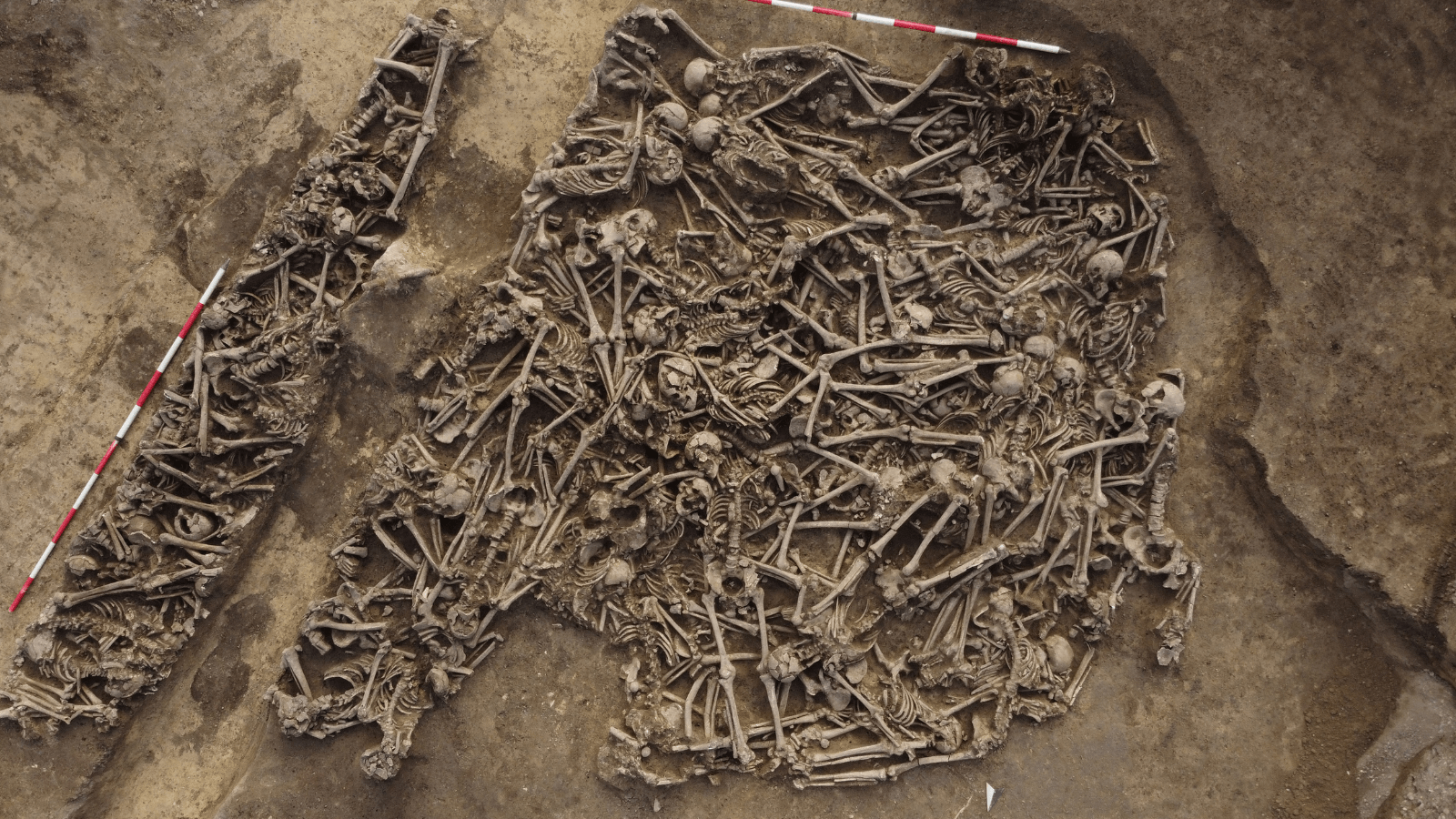
Vienna Mass Grave of 129 Men May Reveal an Unknown Roman-Era Battle
When the Vienna mass grave was uncovered beneath a soccer field in October 2024, the Roman period was not the initial interpretation. Radiocarbon dating changed that picture, placing the burial between about AD 80 and 130. Now, a new analysis of the skeletons suggests that at least 129 young men were killed in a single…
-
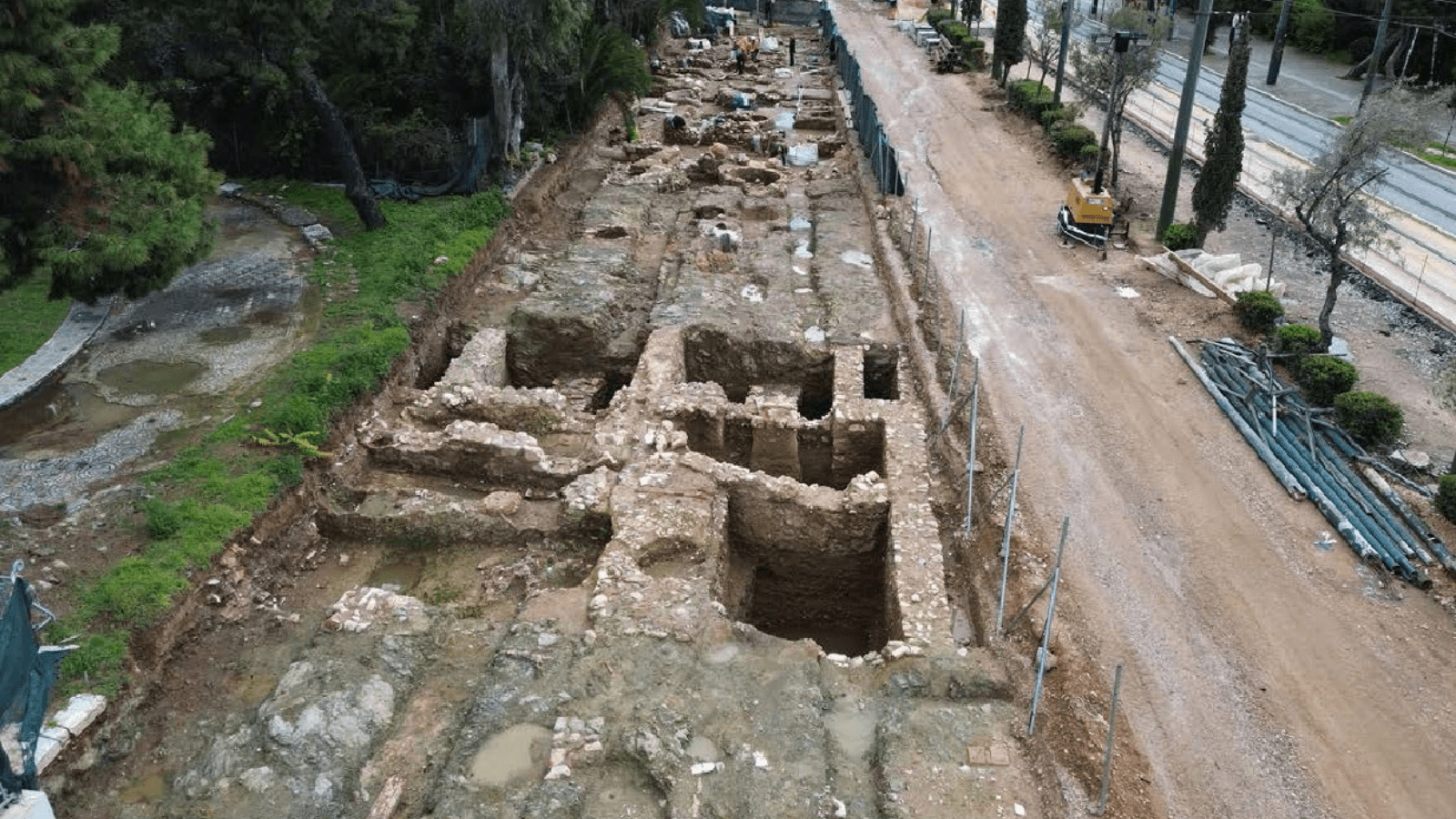
Athens Reveals a 60-Room Roman Complex Above an Even Older Defensive Ditch
Beneath a major avenue in central Athens lies an extraordinary sequence of the city’s past: a sprawling Roman complex with more than 60 rooms, built directly above a much older defensive ditch associated with the fortifications of Classical Athens. The remains were uncovered during rescue excavations along Vasilissis Olgas Avenue, close to the Temple of…
-
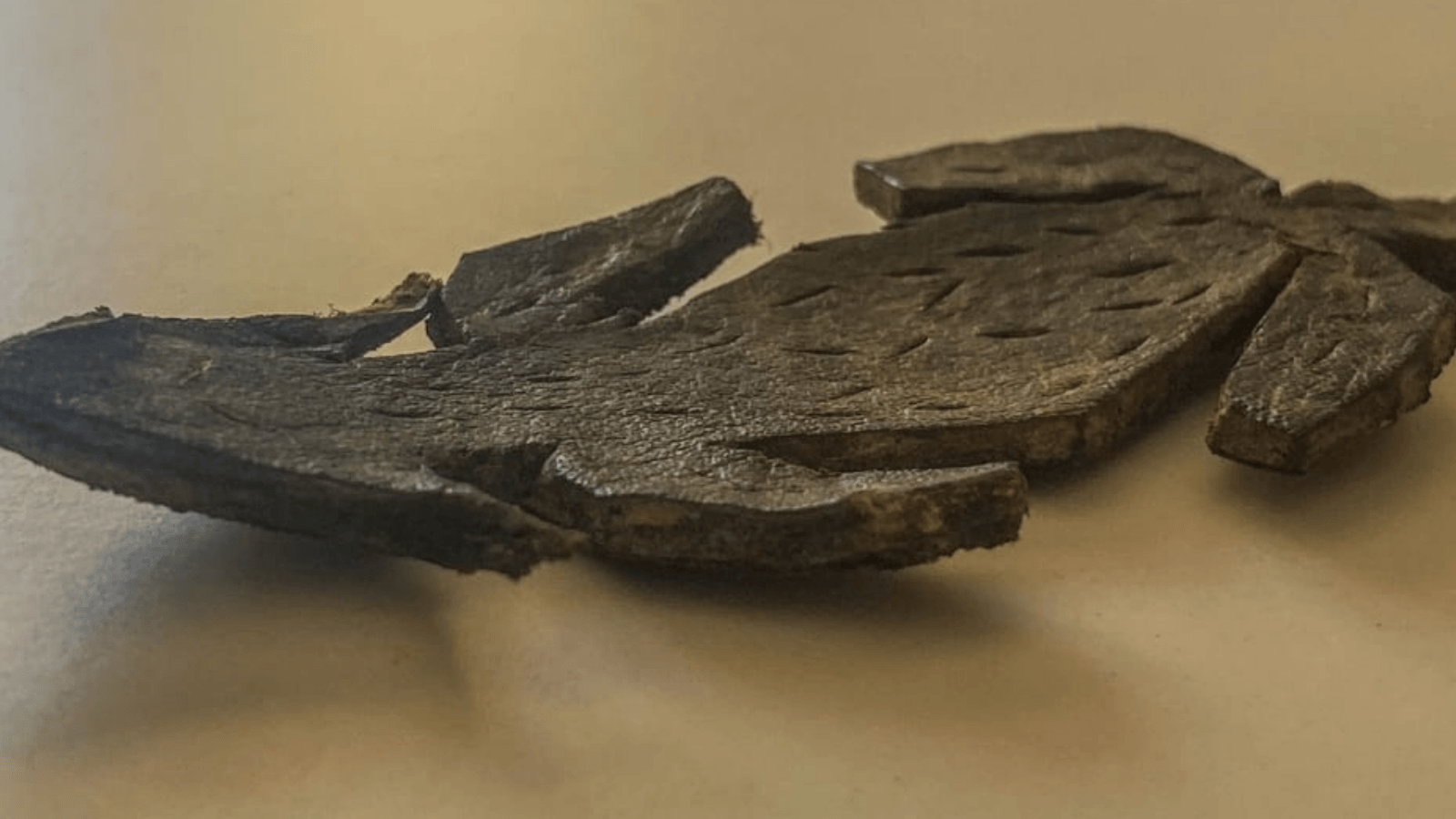
2,000-Year-Old Leather “Mouse” Comes Out of Storage at Roman Vindolanda
A tiny piece of leather cut into the shape of a mouse has emerged from the vast collections of Roman Vindolanda, offering an unusual glimpse into the lighter side of life on Rome’s northern frontier. The Vindolanda Trust highlighted the object this week as part of its weekly “Shoesday” series, which celebrates the site’s remarkable…
-
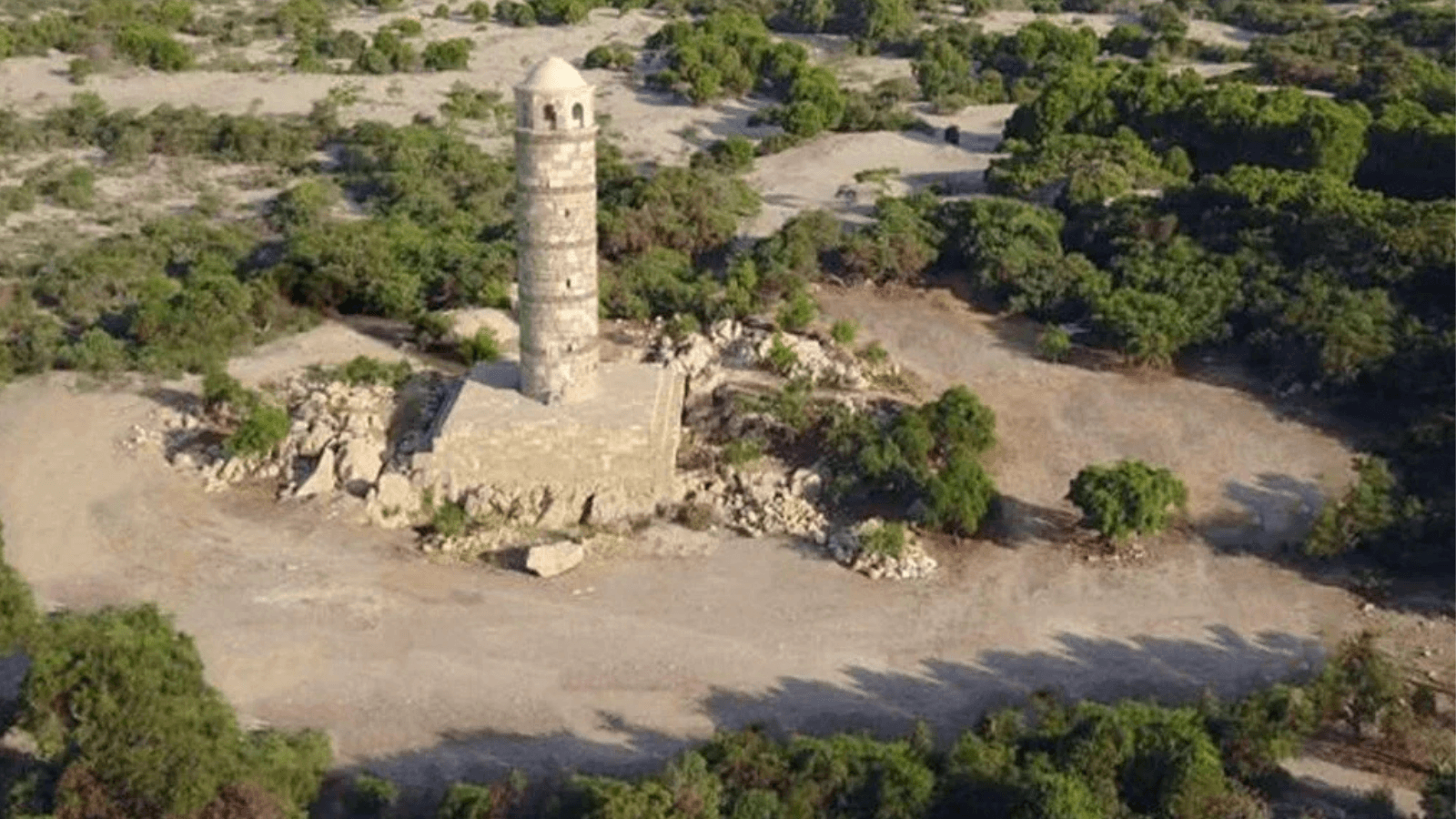
A 545-Year-Old Tsunami May Explain the Destruction of Patara’s Roman Lighthouse
Patara’s Roman Lighthouse stood at the entrance to one of ancient Lycia’s most important harbors for more than a thousand years. A new study now suggests that a devastating earthquake and tsunami in 1481 may help explain how the long-lived monument was finally destroyed. The disaster struck on May 3, 1481, when a major earthquake…