-
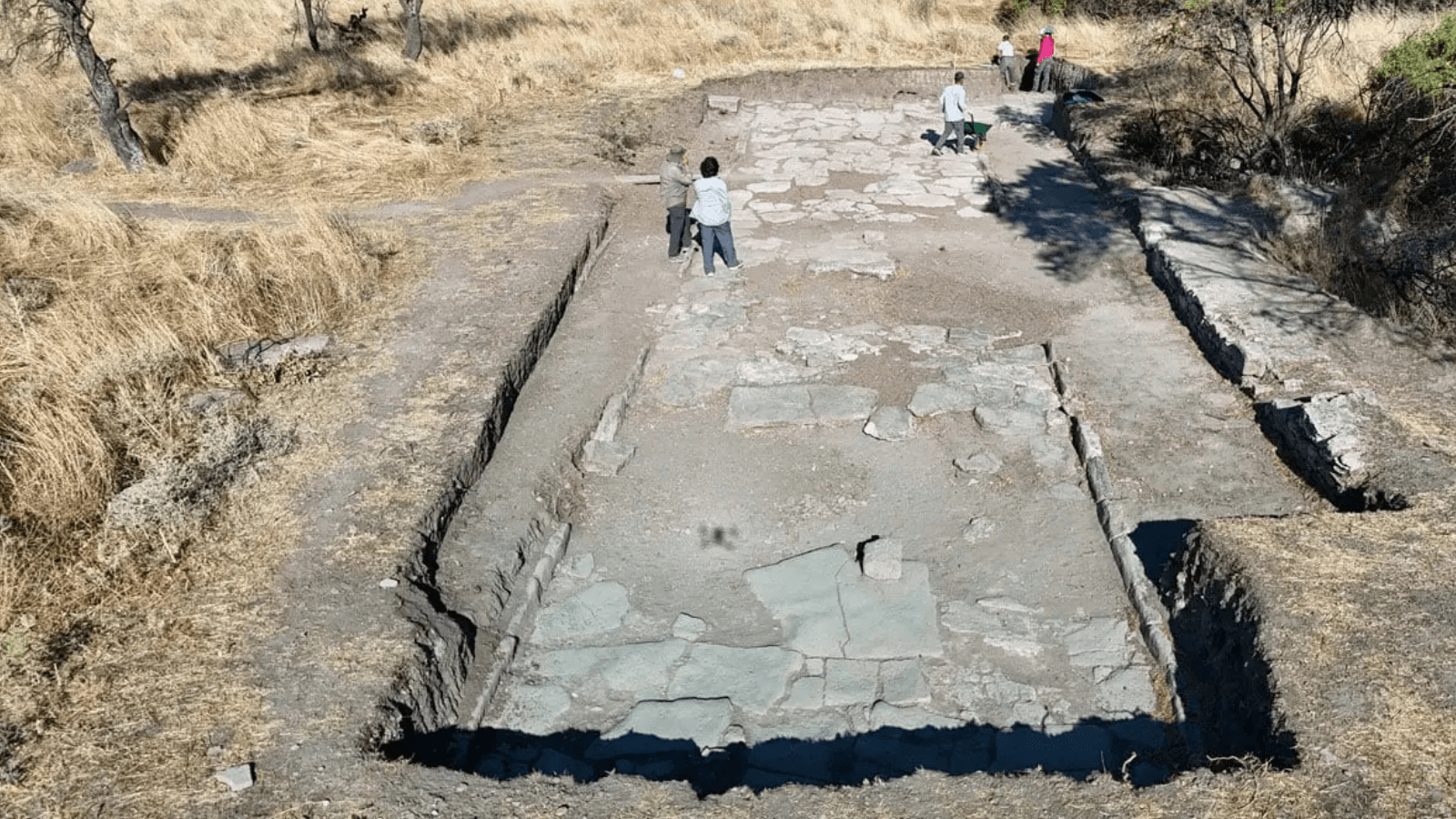
2,000-Year-Old Street Emerging at Troy Reveals the Scale of Its Roman City
Archaeologists at Troy are uncovering a major Roman street that once ran through the lower city, exposing part of an urban landscape shaped nearly 2,000 years ago at a place Romans closely associated with their own legendary beginnings. The street is emerging during the 2026 excavation season at the ancient site in northwestern Türkiye. Researchers…
-
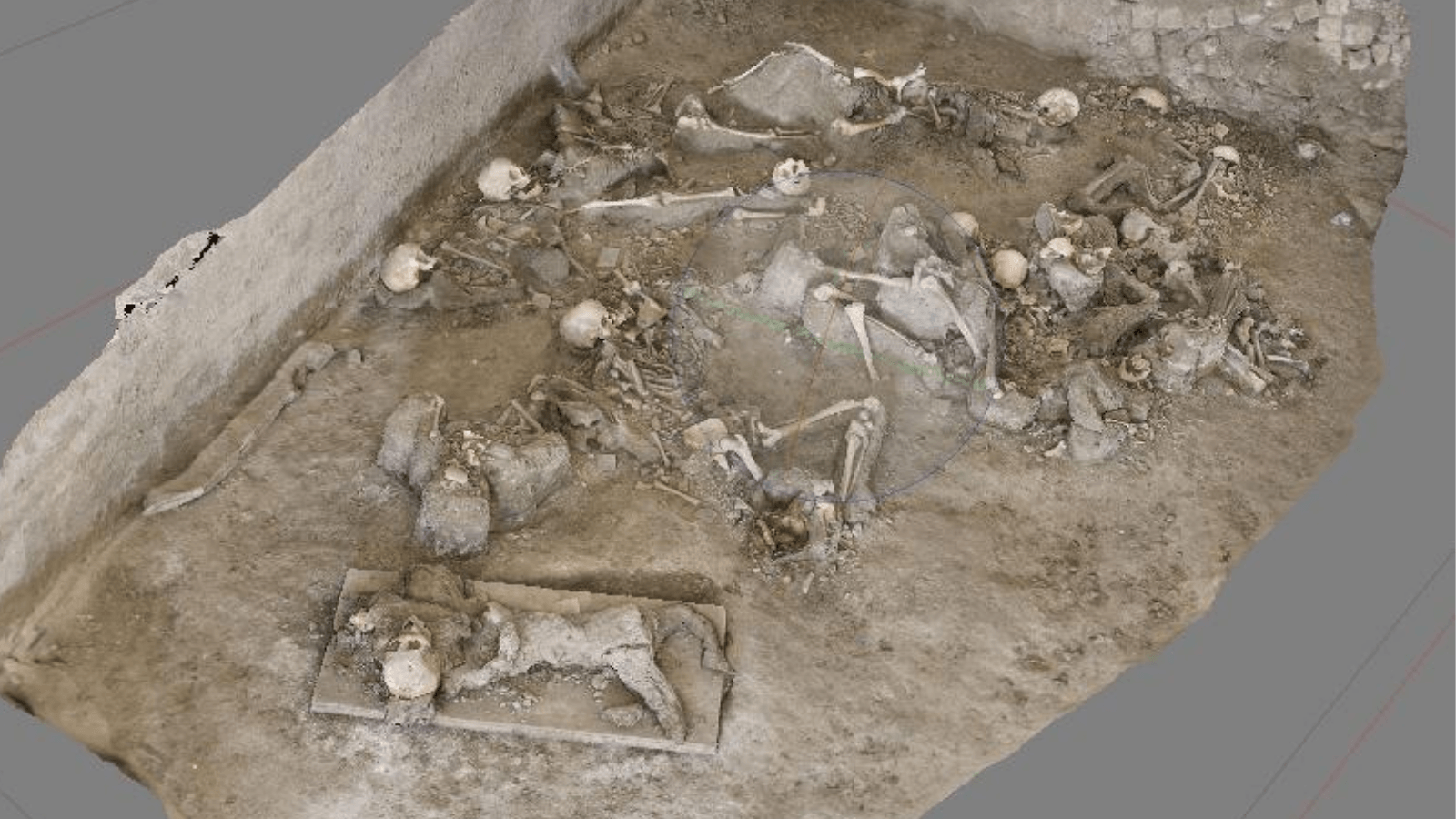
Nearly 2,000-Year-Old Bones Reveal What Vesuvius Victims Near Pompeii Ate
Nearly 2,000-year-old human remains from Oplontis, near Pompeii, are revealing what people living in the shadow of Mount Vesuvius regularly ate before the catastrophic eruption of AD 79. Despite living beside the Bay of Naples, their diet depended overwhelmingly on food from the land. Cereals, legumes and other plant foods formed its foundation, while animal…
-
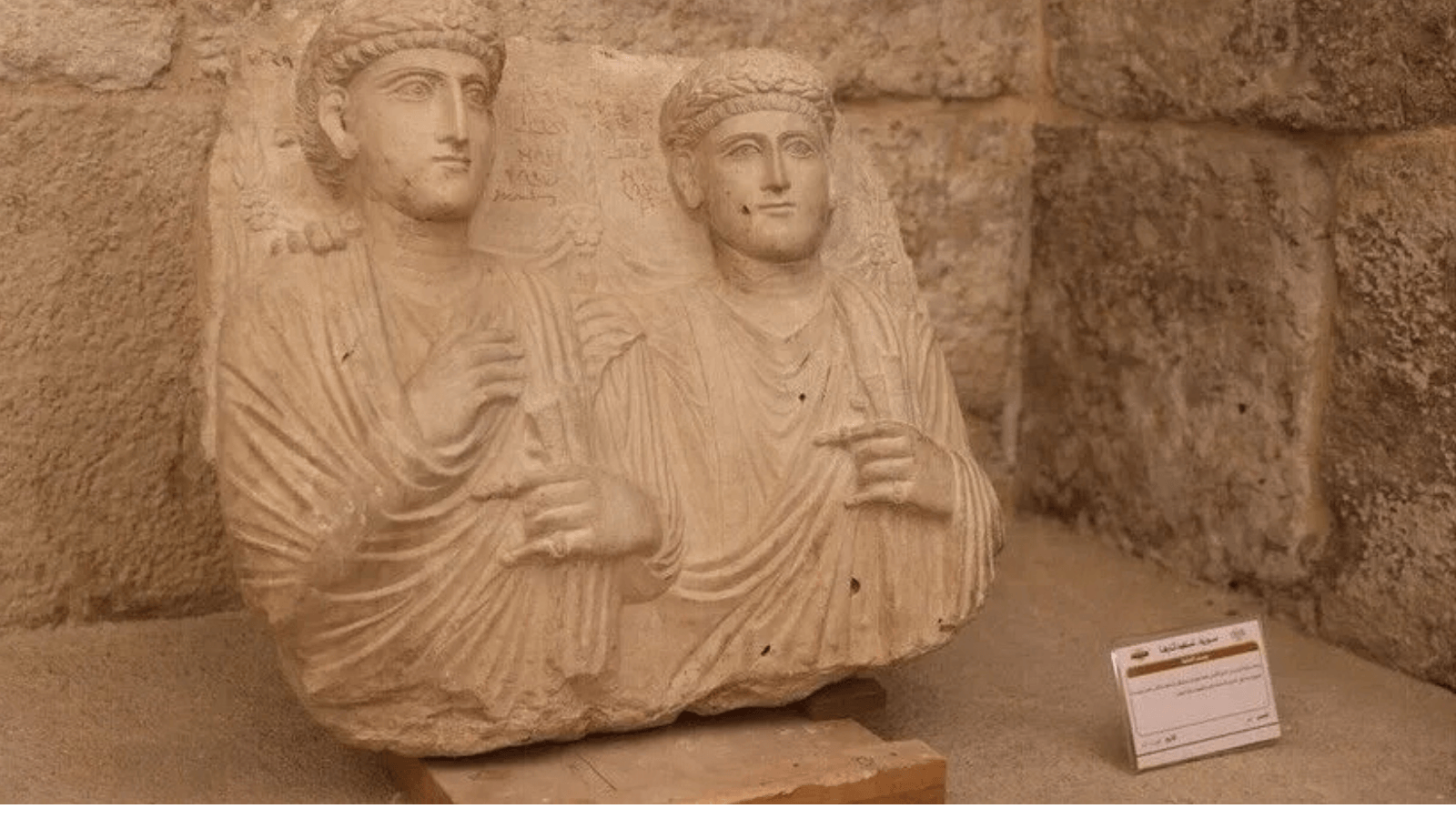
23 Ancient Artifacts Returned from France Are on Display in Damascus After 15 Years
Twenty-three archaeological artifacts returned to Syria from France after about 15 years are now on display at Damascus Citadel, including funerary reliefs from Palmyra and objects dating to the Roman, Byzantine and Islamic periods. The artifacts are being exhibited in the citadel’s Throne Hall as part of the Syria Summer Festival for the Family 2026,…
-
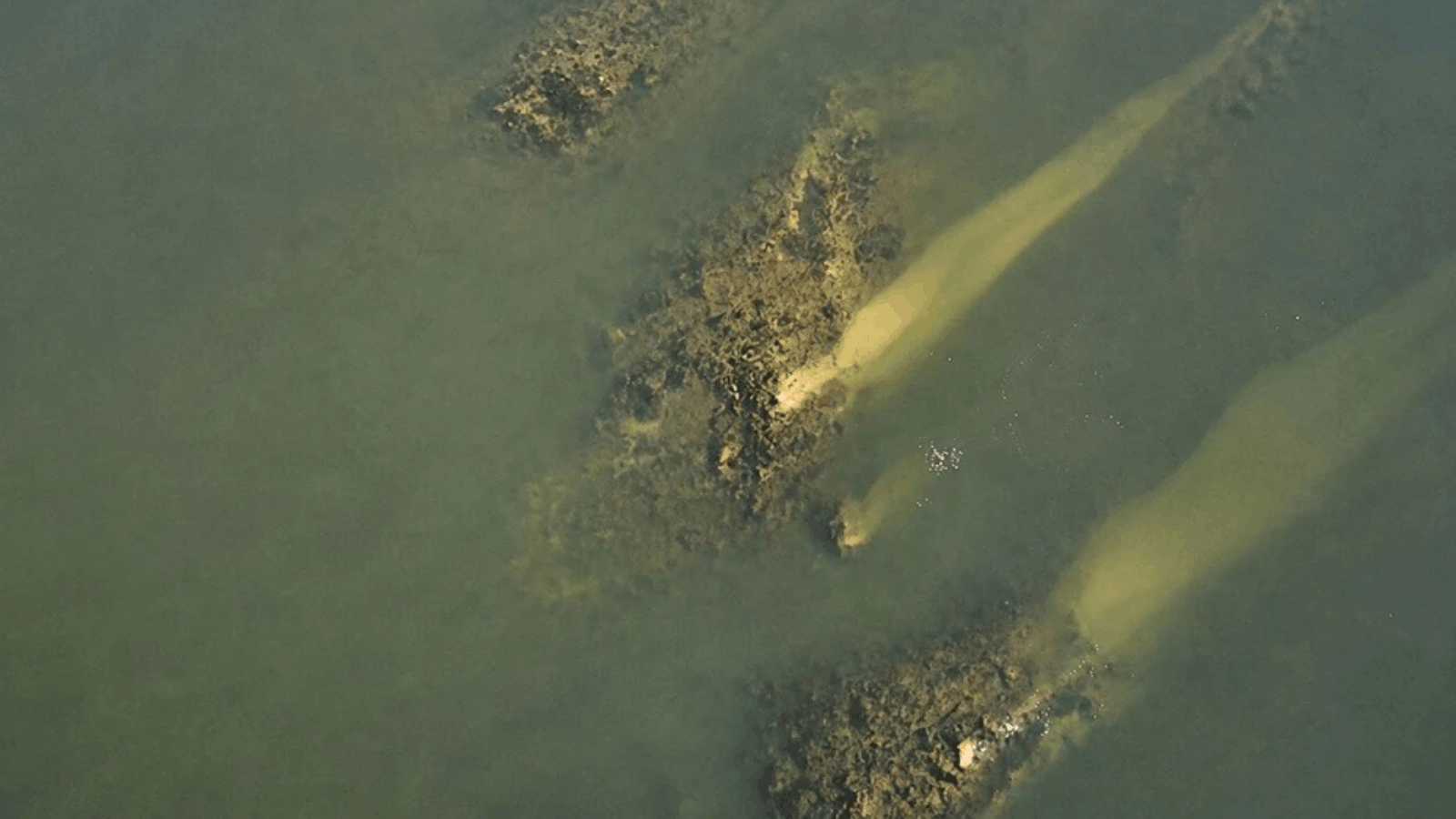
Low Danube Waters Expose Remains of Constantine’s 1,700-Year-Old Roman Bridge
Exceptionally low water levels in the Danube have exposed parts of a vast Roman bridge built during the reign of Emperor Constantine the Great, allowing archaeologists to document foundations that normally remain hidden beneath the river. The remains have emerged near the village of Gigen in northern Bulgaria, close to the ruins of the Roman…
-
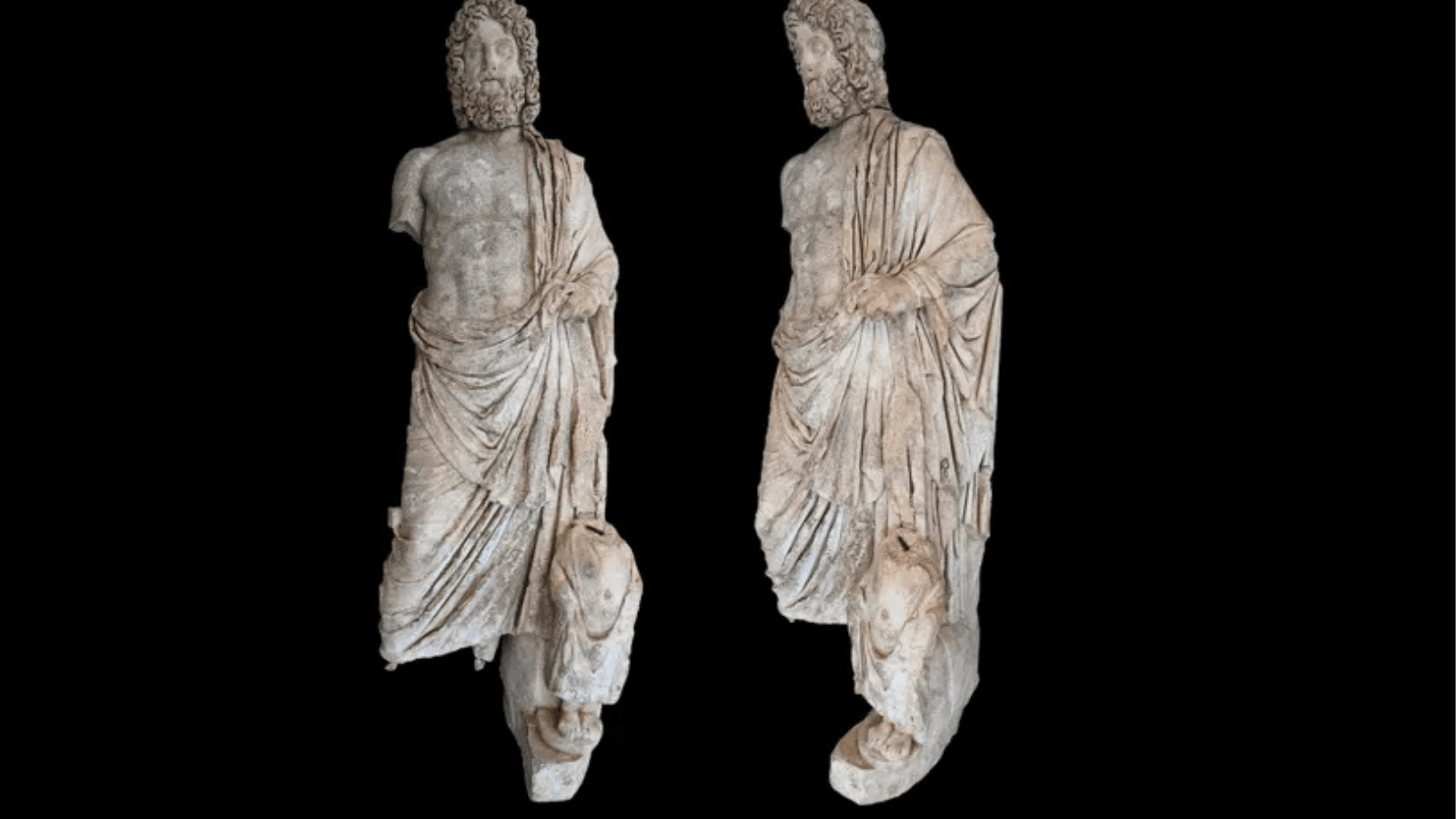
A 2.2-Meter Statue of the God of Medicine Emerges from a Monumental Gateway at Aspendos
Archaeologists excavating Aspendos in southern Türkiye have uncovered a 2.20-meter-high marble sculpture of Asclepius accompanied by Telesphorus, adding new evidence for the worship of healing deities in the Roman city. The sculpture group came to light amid fallen stone blocks from the northern section of a monumental gateway beside the East Square, according to Türkiye’s…
-
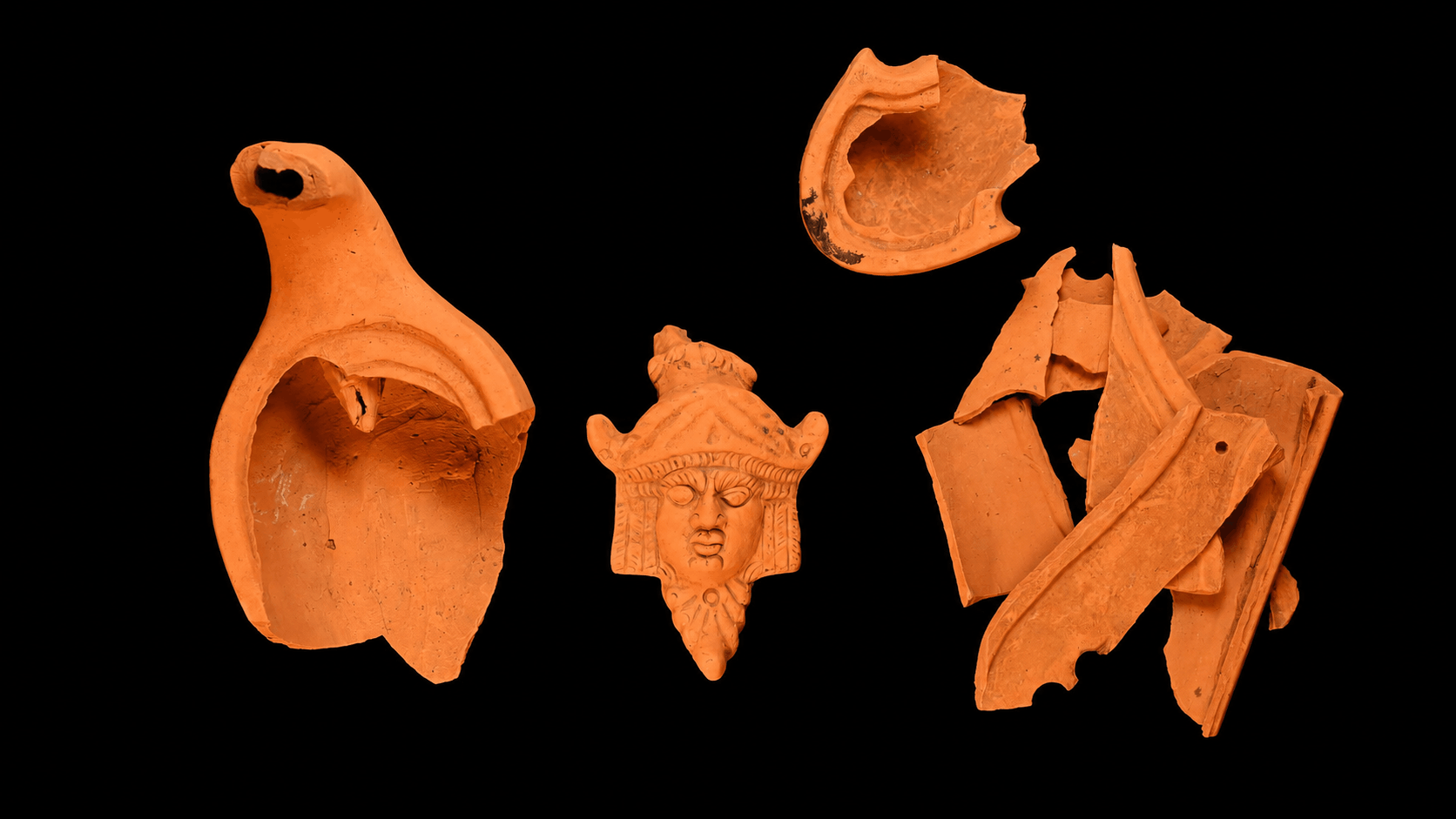
Roman Oil Lamp with a Theatre-Mask Handle Unearthed in Slovenia
Archaeologists excavating a Roman cemetery beneath the future Ljubljana Passenger Centre in Slovenia have uncovered an unusually elaborate ceramic oil lamp whose tall handle ends in a finely modelled theatre mask. The object was found in one of the more richly furnished graves associated with Emona, the Roman predecessor of modern Ljubljana. Oil lamps are…
-
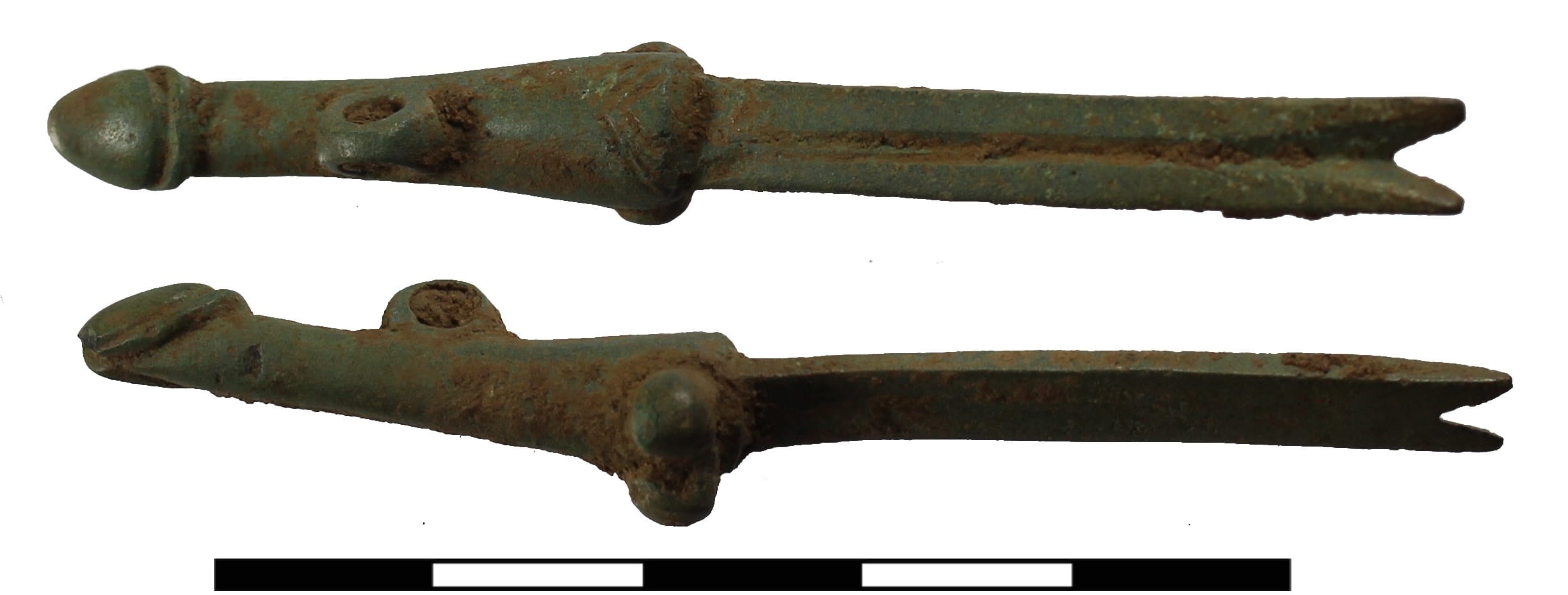
1,600-Year-Old Roman Nail Cleaner with Phallic Handle Unearthed Near Cheltenham
A small Roman object discovered near Cheltenham combined personal grooming with supernatural protection. One end was designed to clean beneath the fingernails; the other was shaped into a phallus believed to ward off evil and bad luck. The copper-alloy tool was found in Gloucestershire during archaeological excavations carried out ahead of improvements to the M5…
-
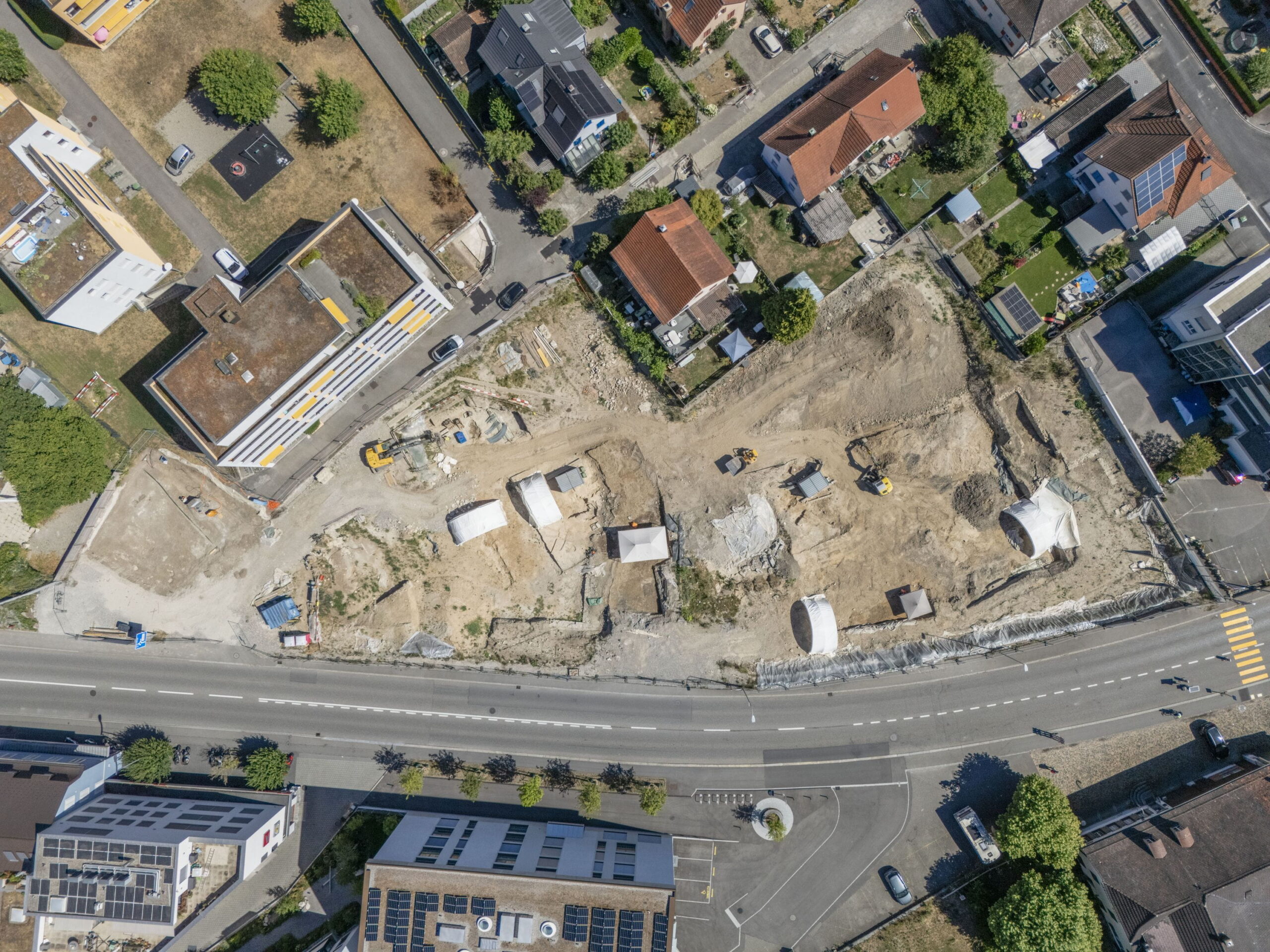
Rare Gold Aureus of Emperor Tiberius Discovered at Roman Camp in Switzerland
A rare gold aureus minted during the reign of Emperor Tiberius has been discovered during excavations at Vindonissa, Switzerland’s only Roman legionary camp. The coin is one of the most remarkable finds from the latest excavation, as coins recovered at Vindonissa are generally made of bronze or silver. Tiberius ruled the Roman Empire from AD…
-
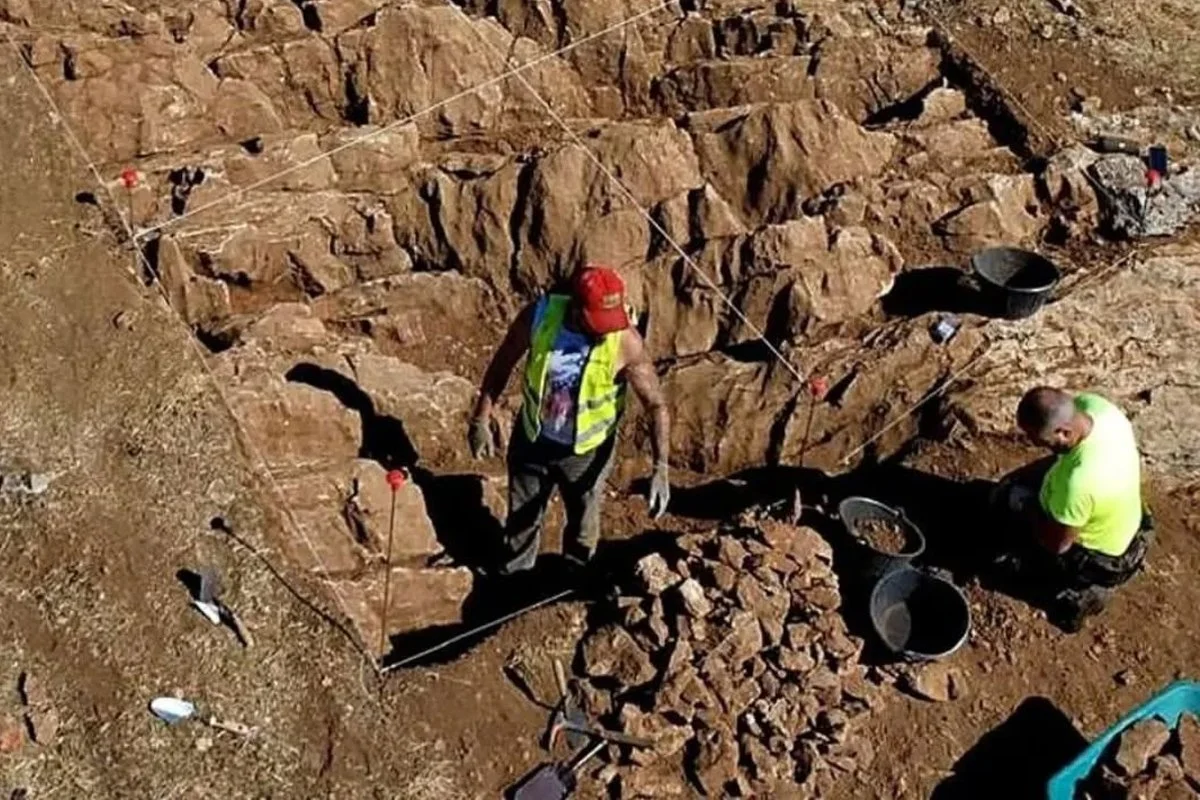
New Roman Military Camp Reveals the Vast Scale of a Cantabrian Wars Siege in Spain
Archaeologists have identified another Roman military camp around the Iron Age stronghold of La Loma in northern Spain, expanding a siege network that now includes seven known Roman positions. The newly documented installation, designated Site F, suggests that the Roman army deployed between 12,000 and 18,000 soldiers during the assault. The revised estimate places La…