-
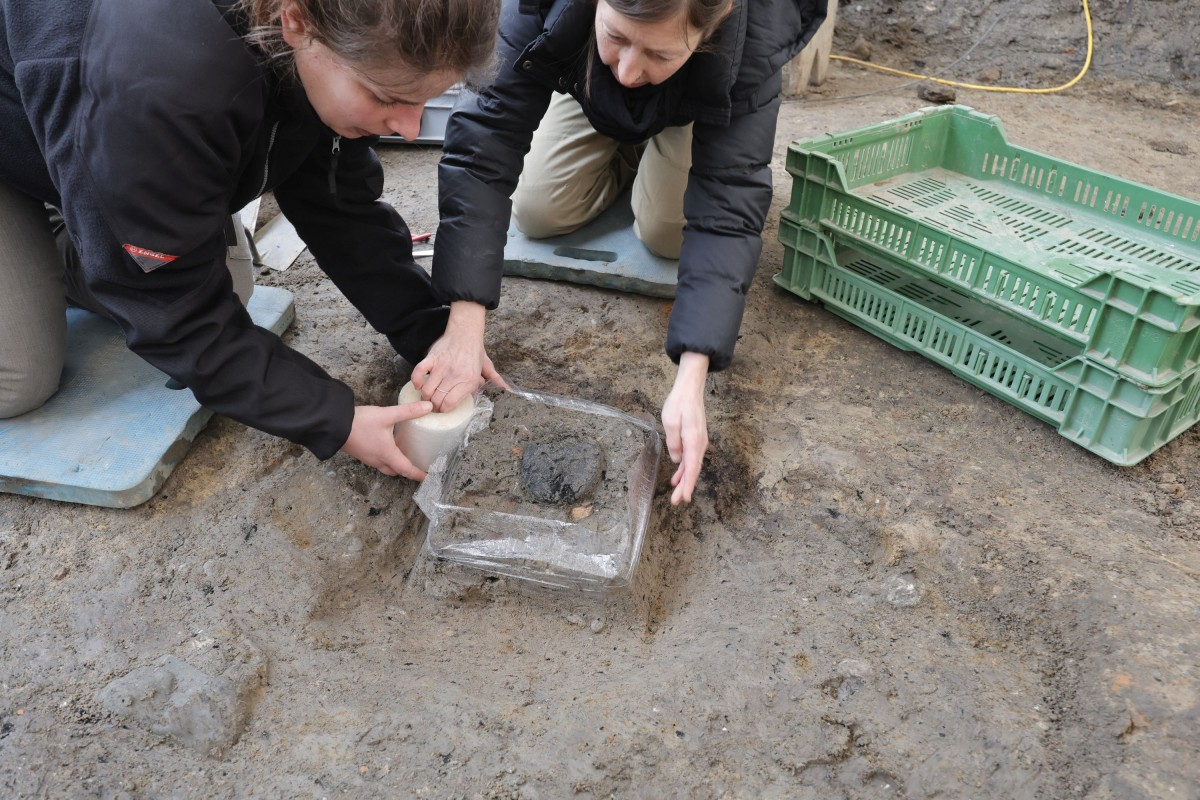
Archaeologists Find Switzerland’s First Roman Bread, Burned Nearly 2,000 Years Ago
Beneath a modern construction site in northern Switzerland, archaeologists noticed a small blackened object in the soil. It was not a stone, nor an ordinary piece of charcoal. Early analysis suggests it was bread, burned nearly 2,000 years ago inside the Roman military world of Vindonissa. The rare find was uncovered in Windisch, in the…
-
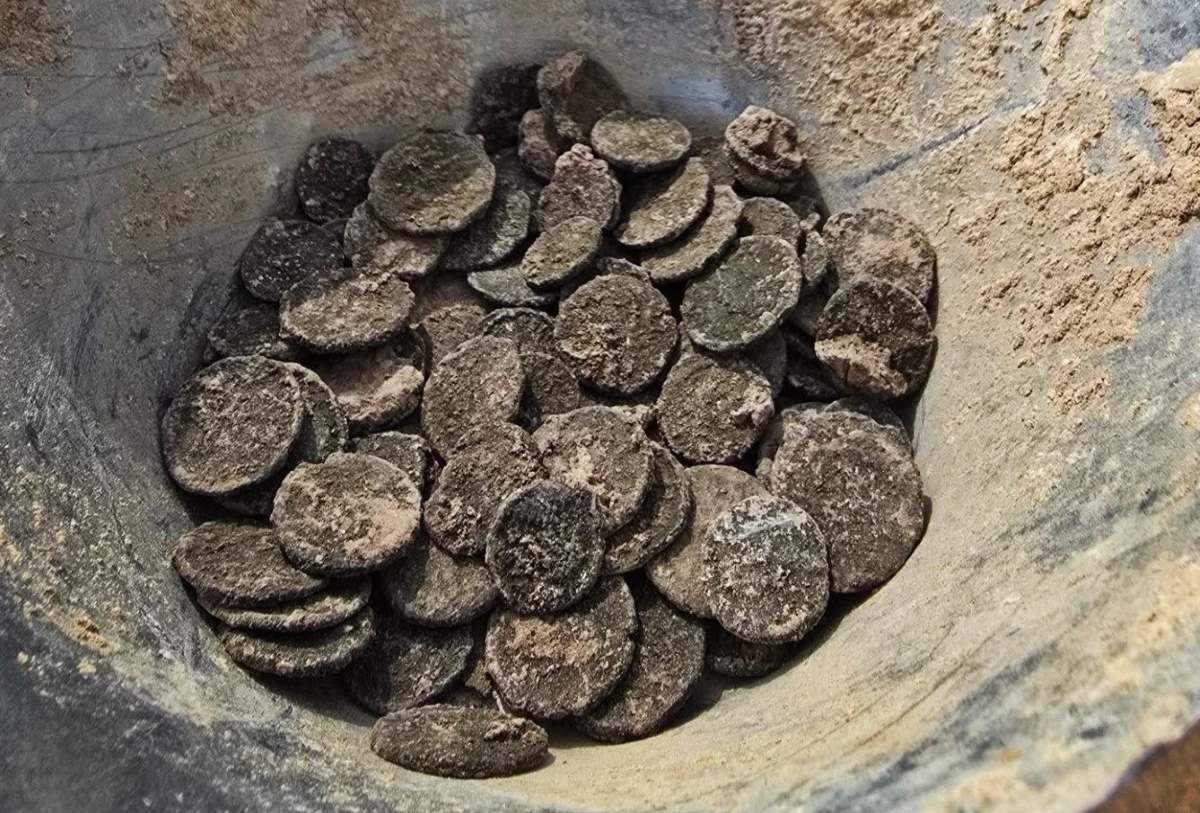
302 Roman Coins Found in Croatia May Mark the Last Pay of a Danube Watchtower Garrison
The first coin appeared in the soil of a defensive ditch. Then another surfaced. Within a small area near the village of Mohovo in eastern Croatia, archaeologists soon realized they were not dealing with ordinary lost change, but with a concentrated hoard of 302 Roman coins buried beside a frontier watchtower on the Danube. The…
-
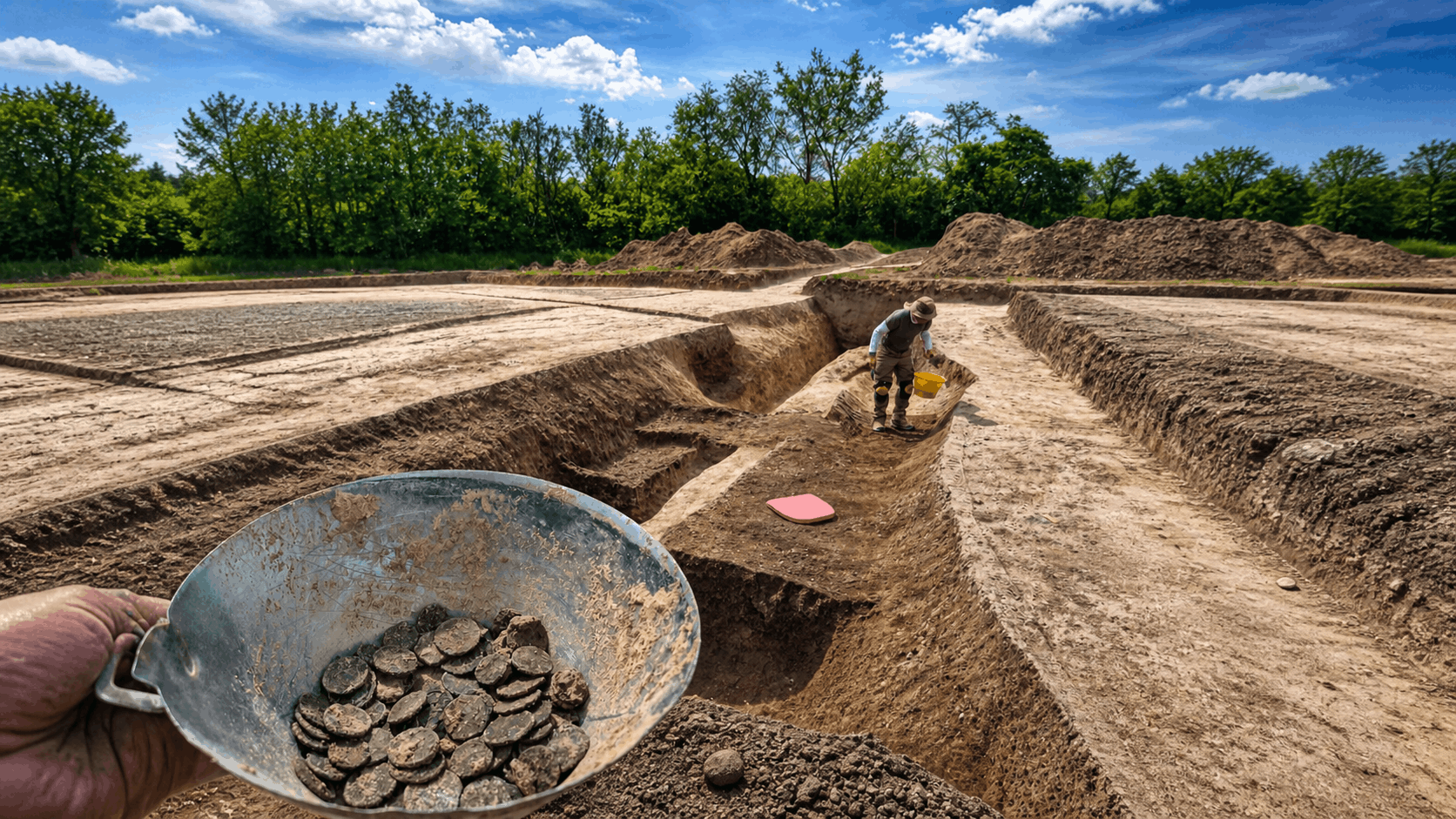
Nearly 300 Roman Coins Found Where Soldiers May Have Buried Their Pay on Croatia’s Danube Frontier
Nearly 300 Roman coins have been discovered near the Danube in eastern Croatia, where archaeologists believe a small frontier garrison may have buried its pay during a moment of danger. The hoard was unearthed in Mohovo, a village on the banks of the Danube River, during archaeological excavations focused on the Roman Empire’s defensive network…
-

Large Iron Key Unearthed at Vindolanda Suggests Life Continued After Rome Left Britain
A large iron key discovered at Vindolanda is shedding new light on daily life in Britain after the end of Roman rule in the early 5th century AD. The find, made within a sub-Roman structure dated to the period following the Roman withdrawal from Britain, offers tangible evidence that the site remained in use after…
-
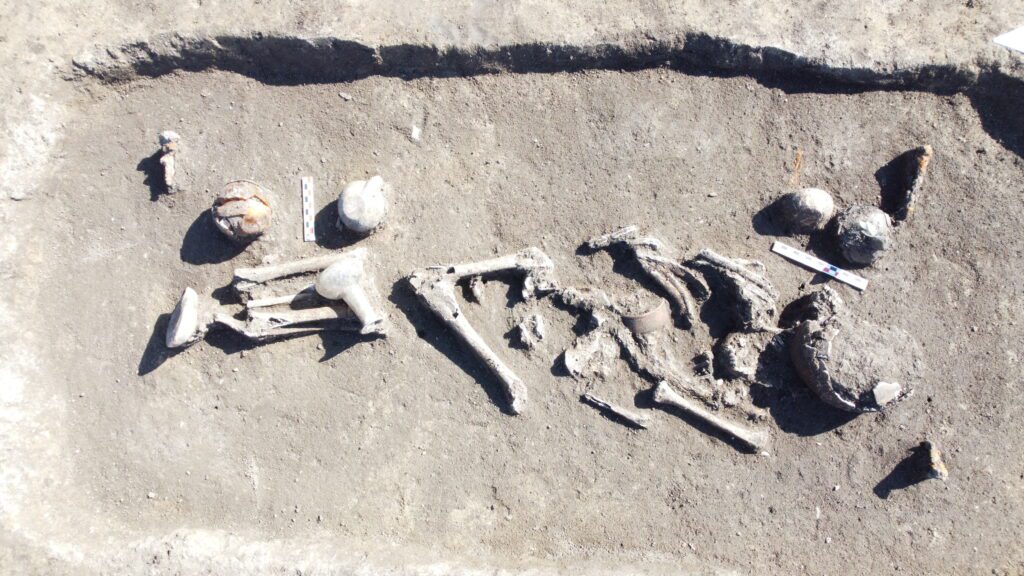
Mass Grave of 20 Children Discovered in Roman Cemetery in Dacia Reveals Possible Ancient Epidemic
A quiet construction project in western Romania has unexpectedly exposed a deeply human story from the Roman world—one marked not only by daily life and ritual, but also by loss. At Cristești, in Mureș County, archaeologists have uncovered a 2nd–3rd century AD Roman cemetery, where a mass grave containing the remains of around 20 children…
-

2,000-Year-Old Pompeii Altars Reveal Imported Incense and the Global Reach of Roman Ritual
Nearly two millennia after the eruption of Mount Vesuvius, Pompeii continues to reveal intimate details of Roman life. This time, the evidence comes not from grand buildings or frescoes, but from something far more subtle: the ash preserved inside household incense burners. A new scientific study has identified what Romans actually burned in their homes,…
-
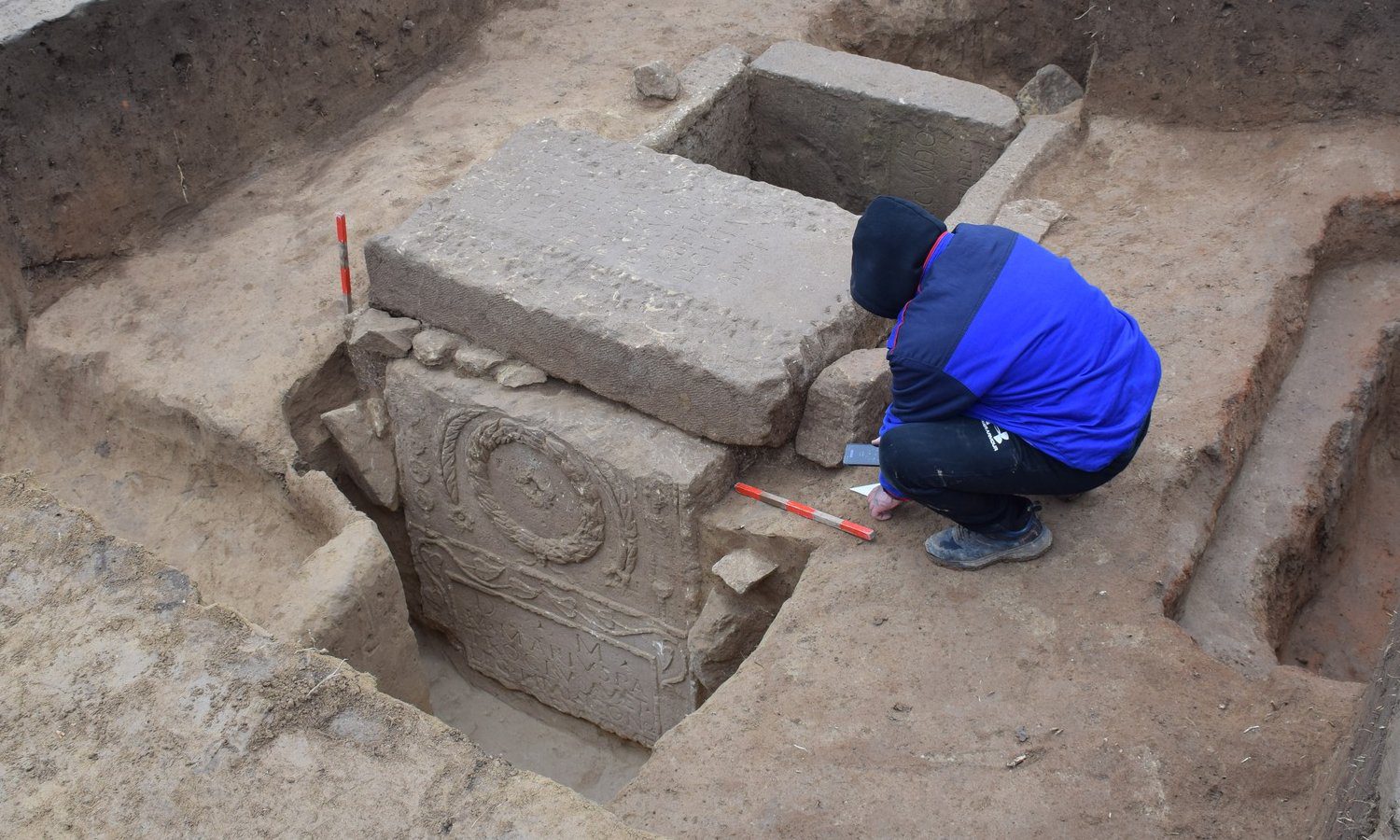
Centurion of the First Italic Legion Revealed in Newly Discovered Nove Necropolis Grave
On the edge of the Danube, where Rome once stationed thousands of soldiers — including those of the First Italic Legion — to guard its northern frontier, a broken slab of stone has quietly returned a forgotten name to history. Rescue excavations in the western necropolis of Nove, near modern Svishtov in Bulgaria, have identified…
-

An Exceptionally Heavy 1,800-Year-Old Gold Roman Fidelity Ring Discovered at Bononia
Nearly six meters beneath the streets of modern Vidin, archaeologists uncovered an exceptionally heavy gold Roman fidelity ring lost nearly 1,800 years ago—an object that speaks not of war or imperial power, but of marriage, status, and social identity in the Roman world. The discovery was made during the final days of the 2025 excavation…
-

Hybrid Camels on the Rhine: Archaeologists Reveal an Unexpected Chapter of Roman Basel
Archaeological research in Basel has produced an unexpected finding that is reshaping assumptions about daily life on the northern frontier of the Roman Empire. Beneath the modern city, researchers have identified the remains of a hybrid camel dating to the fourth century CE, offering rare and concrete evidence that camels were not confined to desert…