-
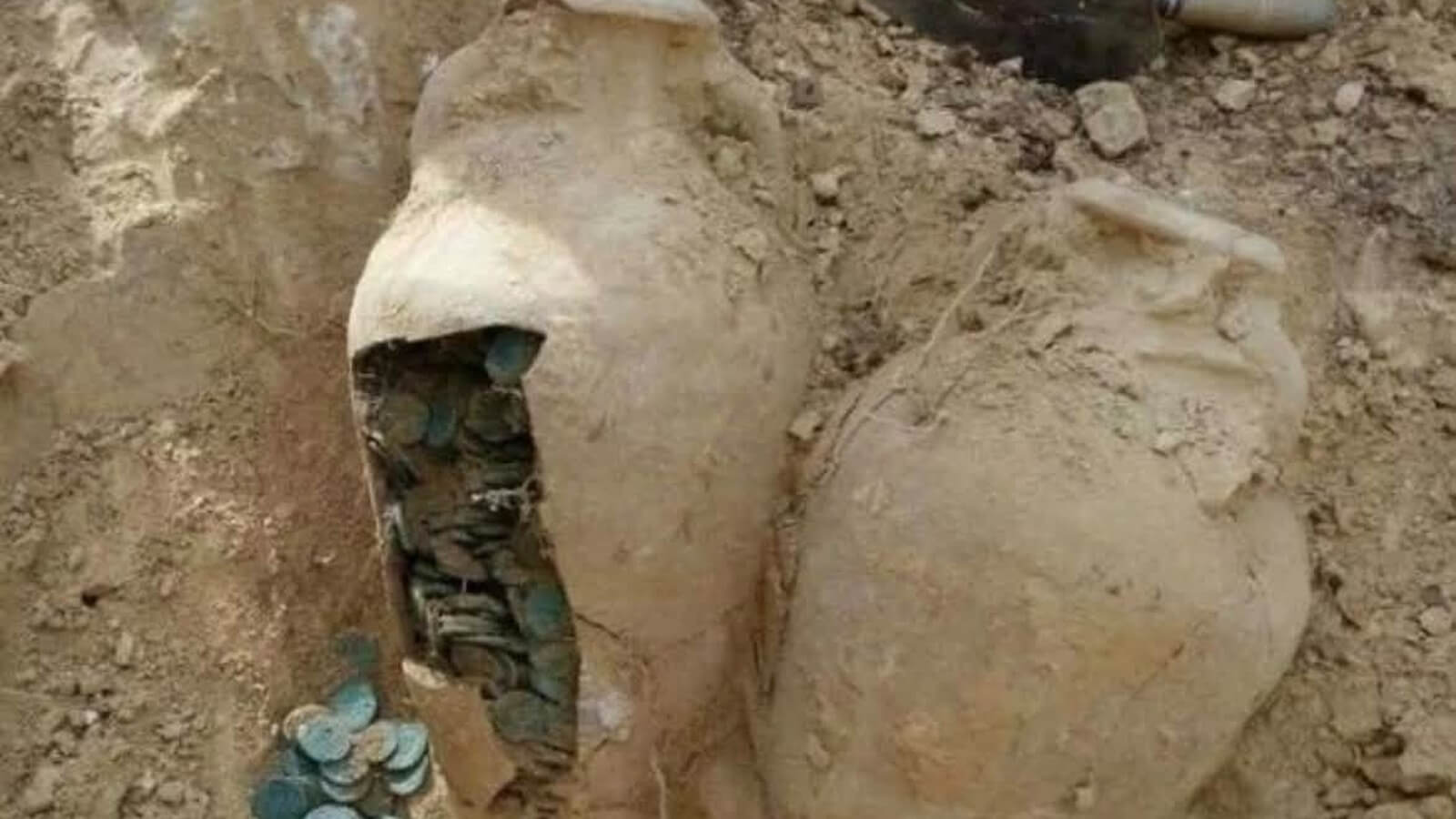
53,208 Roman Coins Were Buried in Spain. Ten Years Later, Their Purpose Remains a Mystery
Ten years after 53,208 Roman coins were discovered inside 19 amphorae near Seville, researchers have learned when the enormous deposit was assembled, where its money came from and how the containers were packed. One question, however, remains unanswered: what was all that money meant for? Known as the Tomares Treasure, the hoard was unearthed on…
-
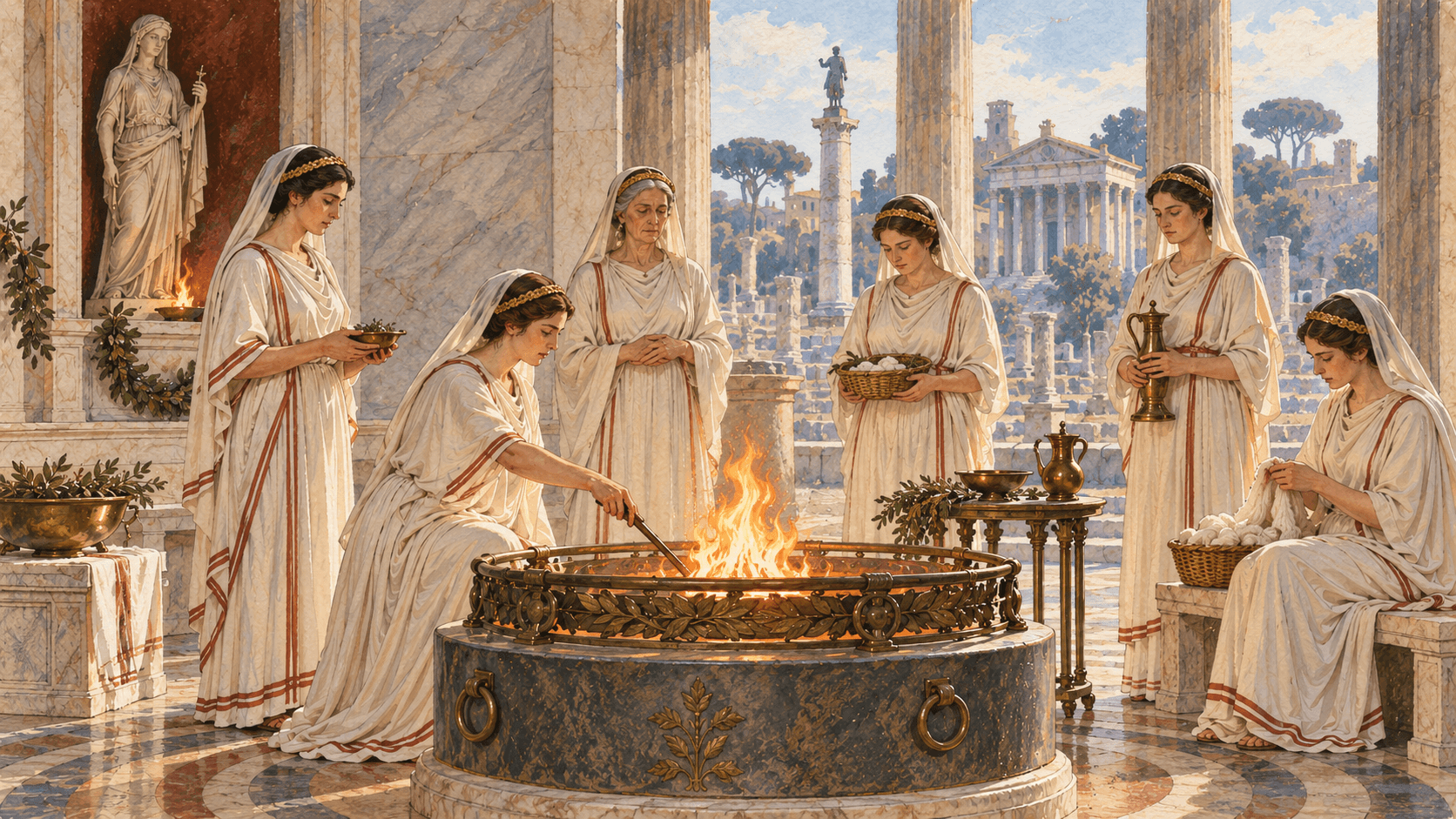
The Vestal Virgins Held Extraordinary Power but Lived Under Rome’s Absolute Control
At the eastern edge of the Roman Forum, a small fire carried the symbolic weight of an empire. Its flames belonged to Vesta, goddess of the hearth, but Romans believed they represented something far greater: the security, continuity and divine protection of Rome itself. Keeping that fire alive was entrusted to the Vestal Virgins, a…
-
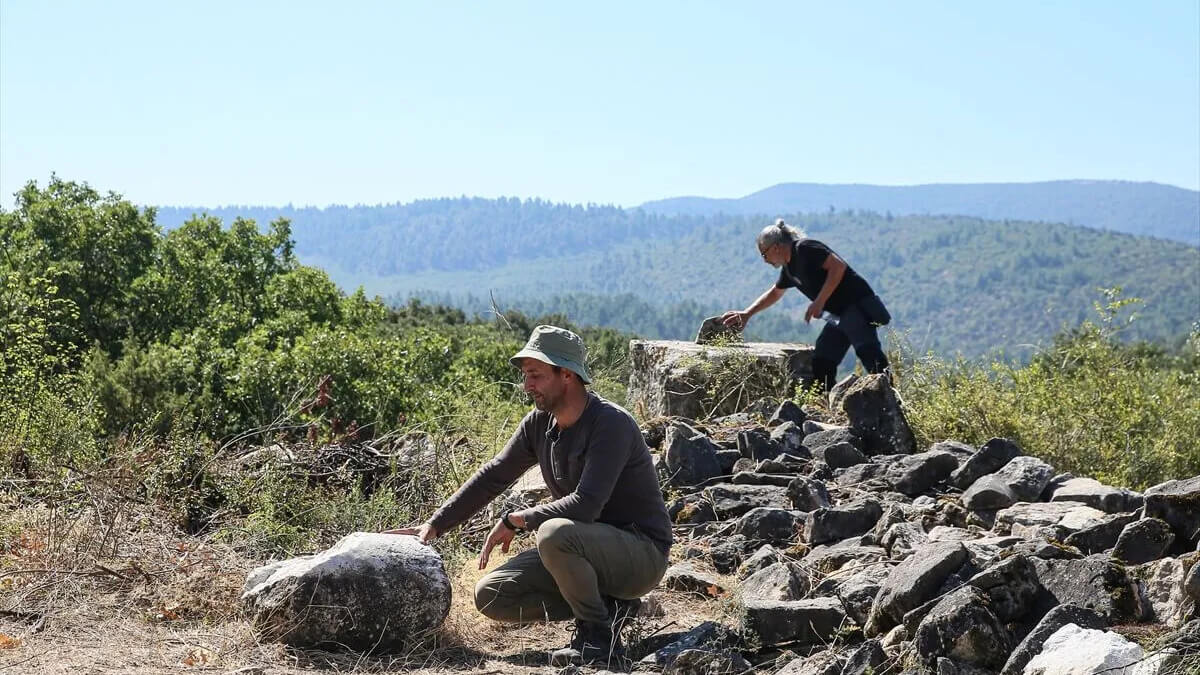
Excavations Begin at Hadrianoi, the Hidden Roman City in Türkiye
A monumental building has begun to emerge at Hadrianoi, a hidden Roman city on the southern slopes of Mount Uludağ in northwestern Türkiye. Archaeologists say the structure may have served as an agora or gymnasium, although its identity will remain uncertain until they reach the original floor. The excavation is being conducted by the Bursa…
-
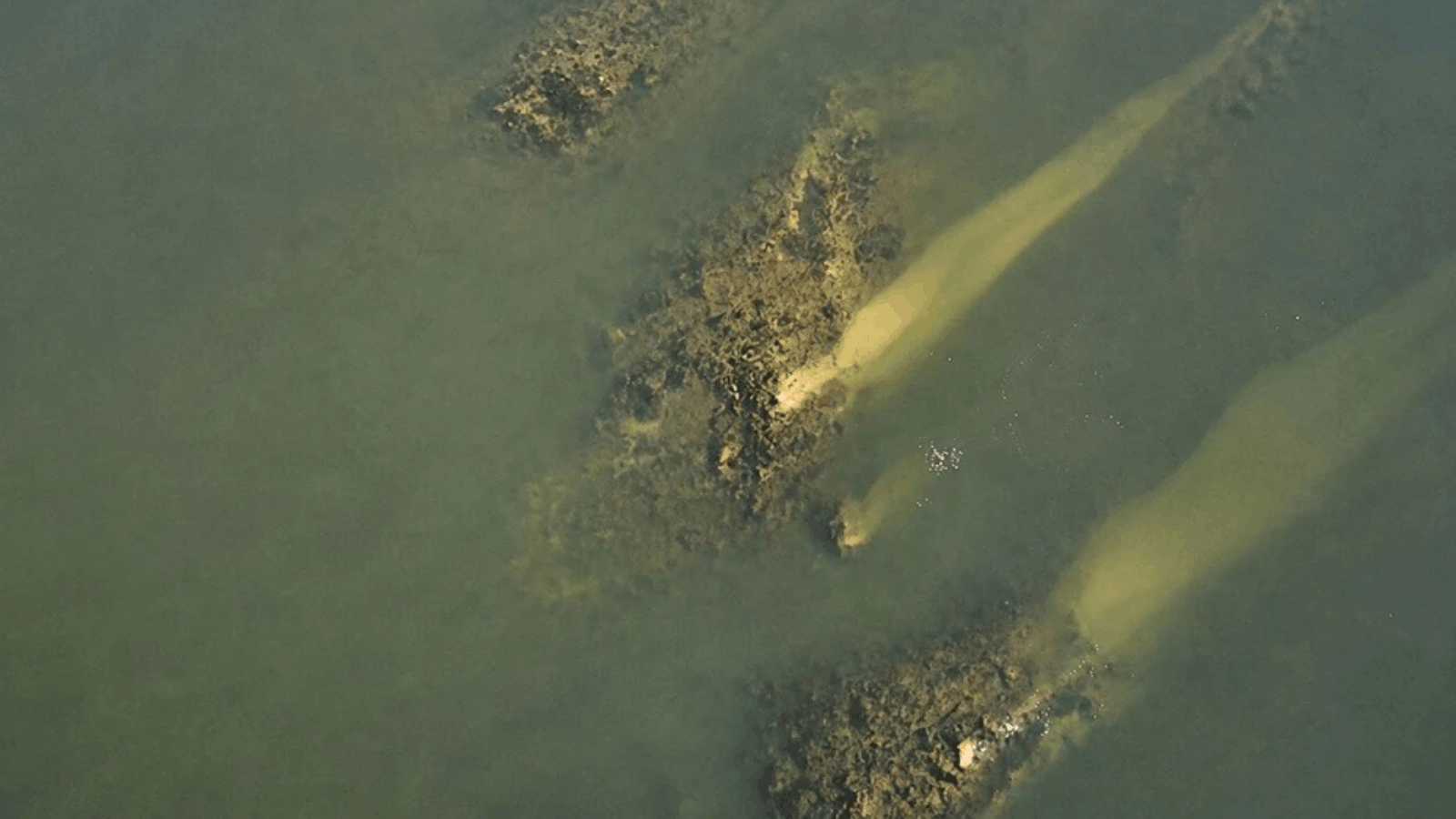
Low Danube Waters Expose Remains of Constantine’s 1,700-Year-Old Roman Bridge
Exceptionally low water levels in the Danube have exposed parts of a vast Roman bridge built during the reign of Emperor Constantine the Great, allowing archaeologists to document foundations that normally remain hidden beneath the river. The remains have emerged near the village of Gigen in northern Bulgaria, close to the ruins of the Roman…
-
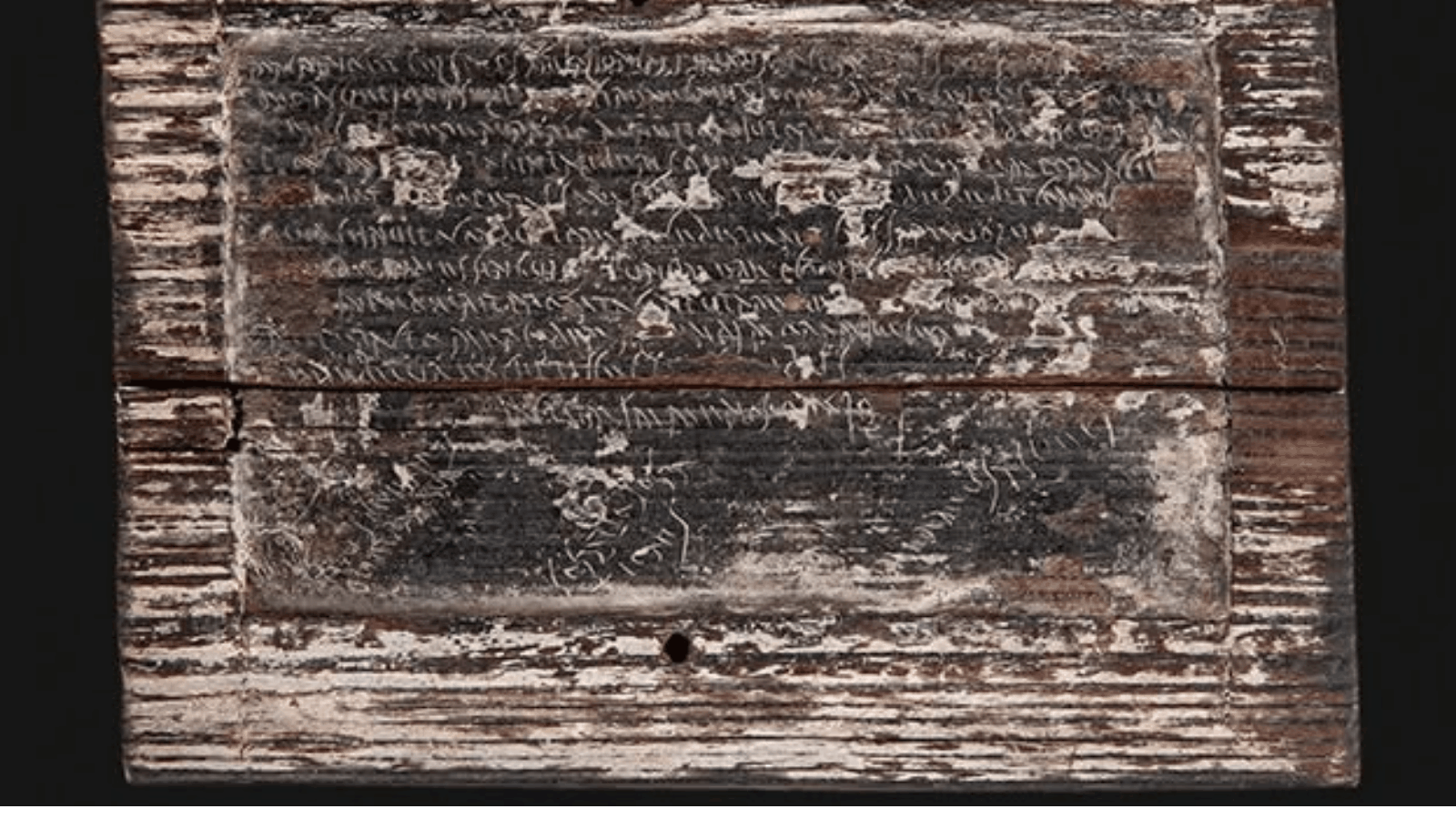
1,900-Year-Old Roman Employment Contracts Reveal Life in an Ancient Gold Mine
Two Roman employment contracts written nearly 1,900 years ago offer an unusually detailed look at wages, working conditions and legal agreements in one of the Roman Empire’s major gold-mining districts. The contracts were inscribed on wax-coated wooden tablets discovered at Alburnus Maior, the Roman settlement beneath present-day Roșia Montană in western Romania. Two of the…
-
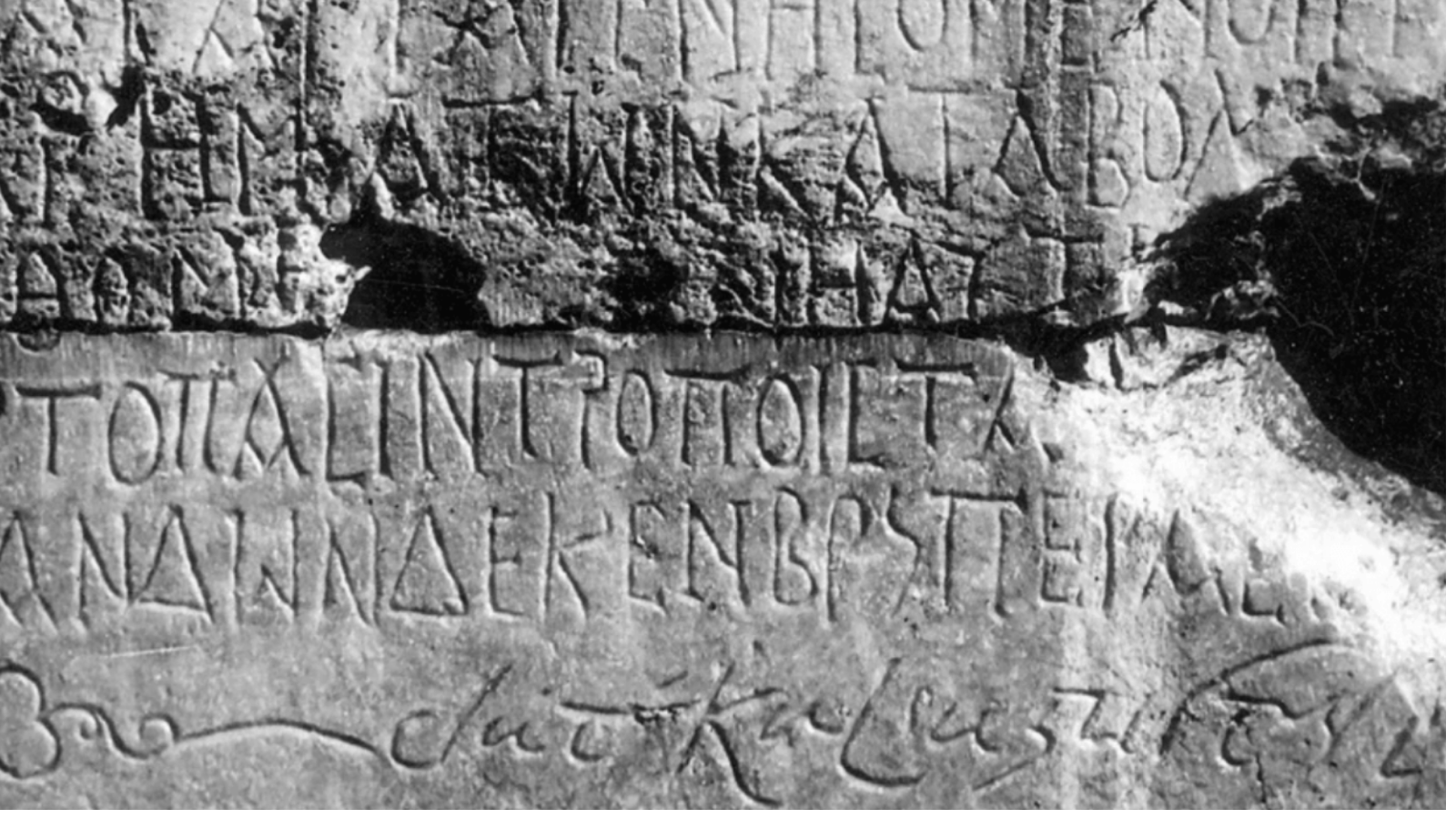
Blank Receipts Hid a 1,500-Year-Old Roman Tax Scandal in Western Anatolia
In AD 480, a Roman tax scandal in western Anatolia pushed one of the Eastern Roman Empire’s highest officials to threaten dishonest collectors with death. Before the year was over, he too had been sentenced to die. Newly identified inscription fragments from Stratonikeia are now filling gaps in the decree behind the affair. The text…
-
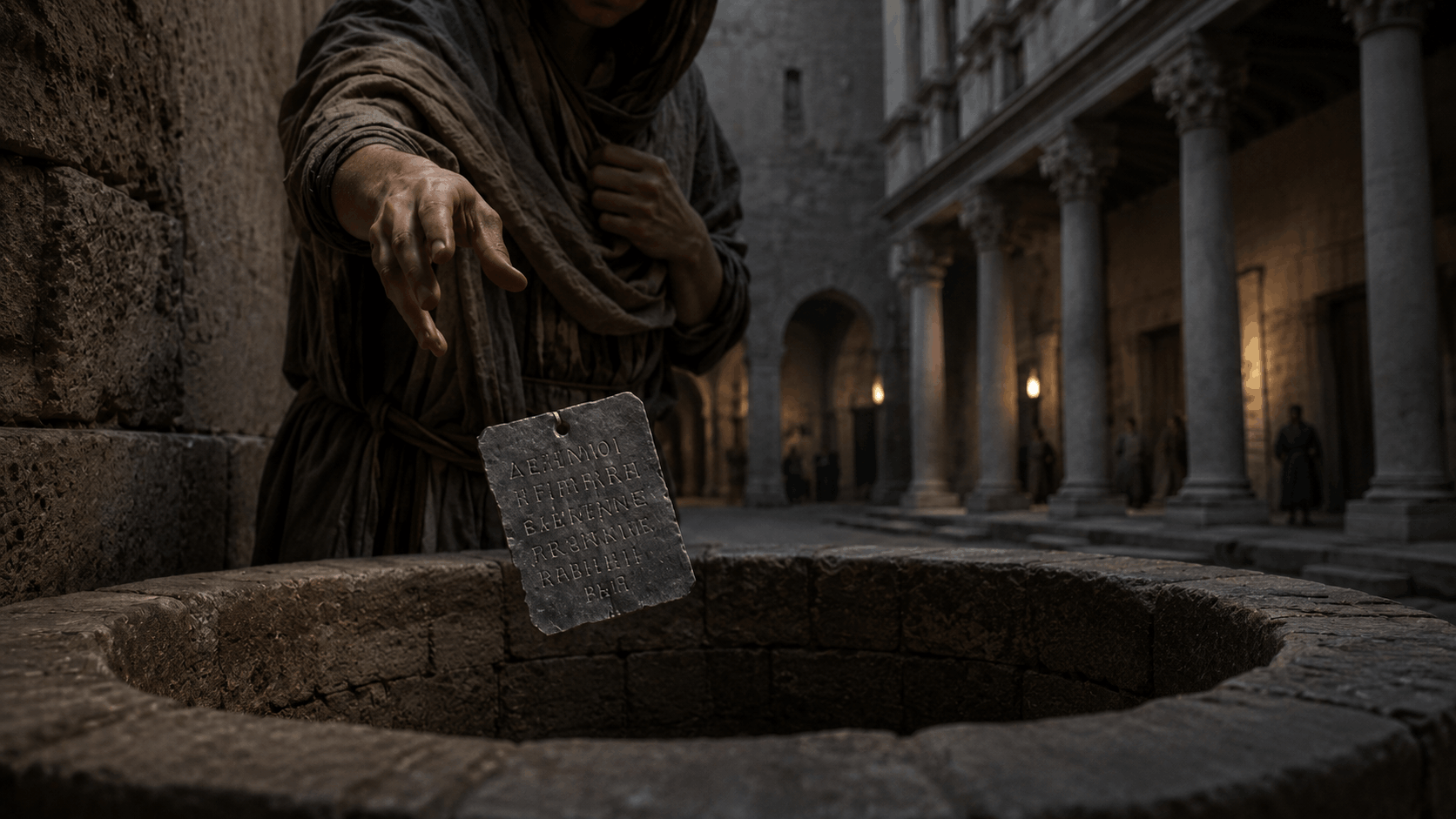
A 1,700-Year-Old Antioch Curse Tablet Called on Iao to Destroy a Greengrocer
A roughly 1,700-year-old curse tablet from ancient Antioch called upon Iao—the Greek form of the divine name Yahweh—to attack an ordinary greengrocer named Babylas. Inscribed in Greek on a thin sheet of lead, the spell was not directed against an emperor, military commander or wealthy official. Its target was a man who sold fruit and…
-
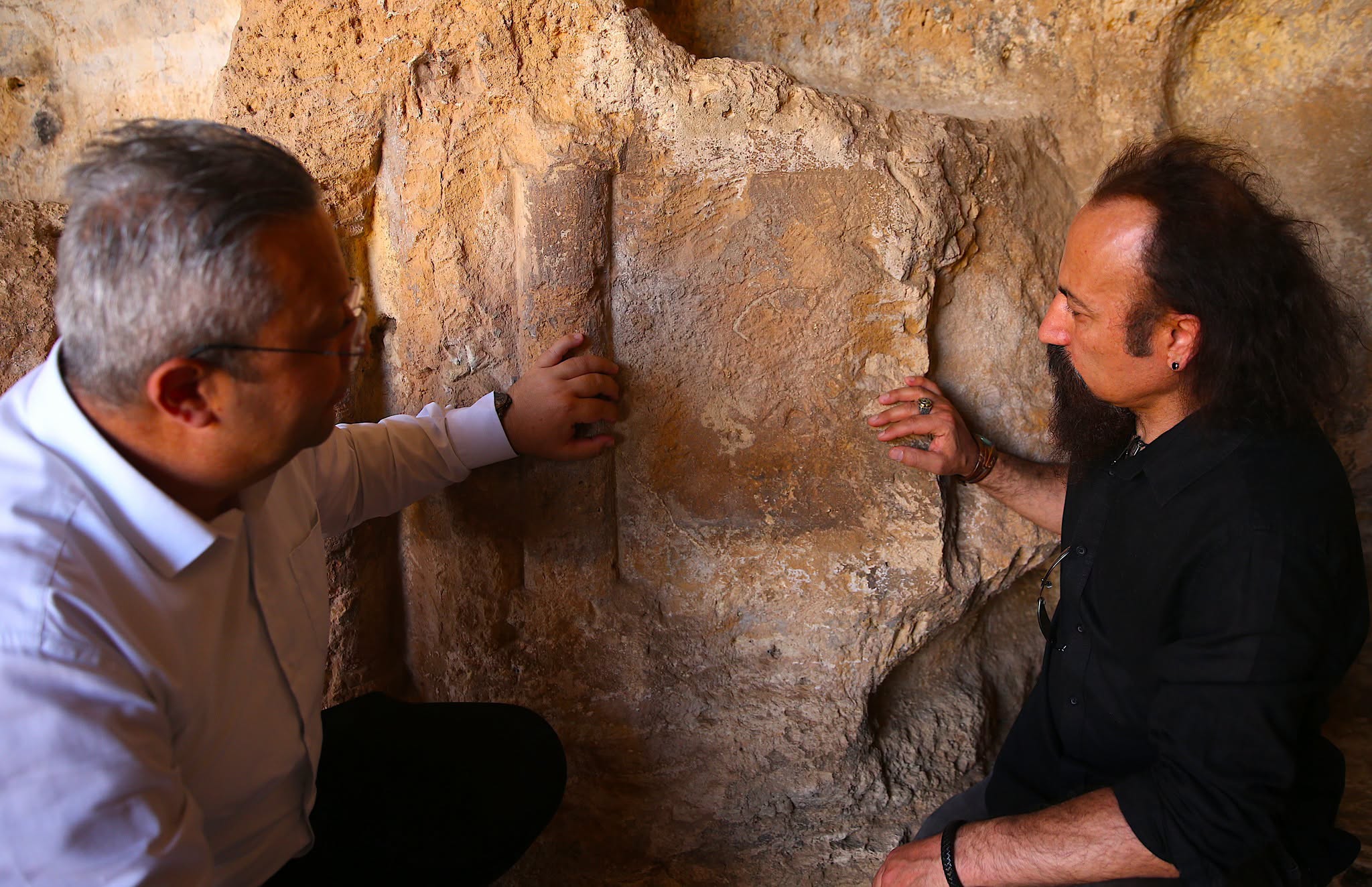
A Cross Sealed a Mithras Temple in Türkiye 1,700 Years Ago
At Zerzevan Castle in Diyarbakır, researchers say a newly deciphered inscription at the entrance of an underground Mithras temple shows that the sanctuary was sealed by Christians about 1,700 years ago. The text, examined through Aramaic and Syriac epigraphy, suggests that the temple was not merely abandoned. Its sacred authority was formally brought to an…
-
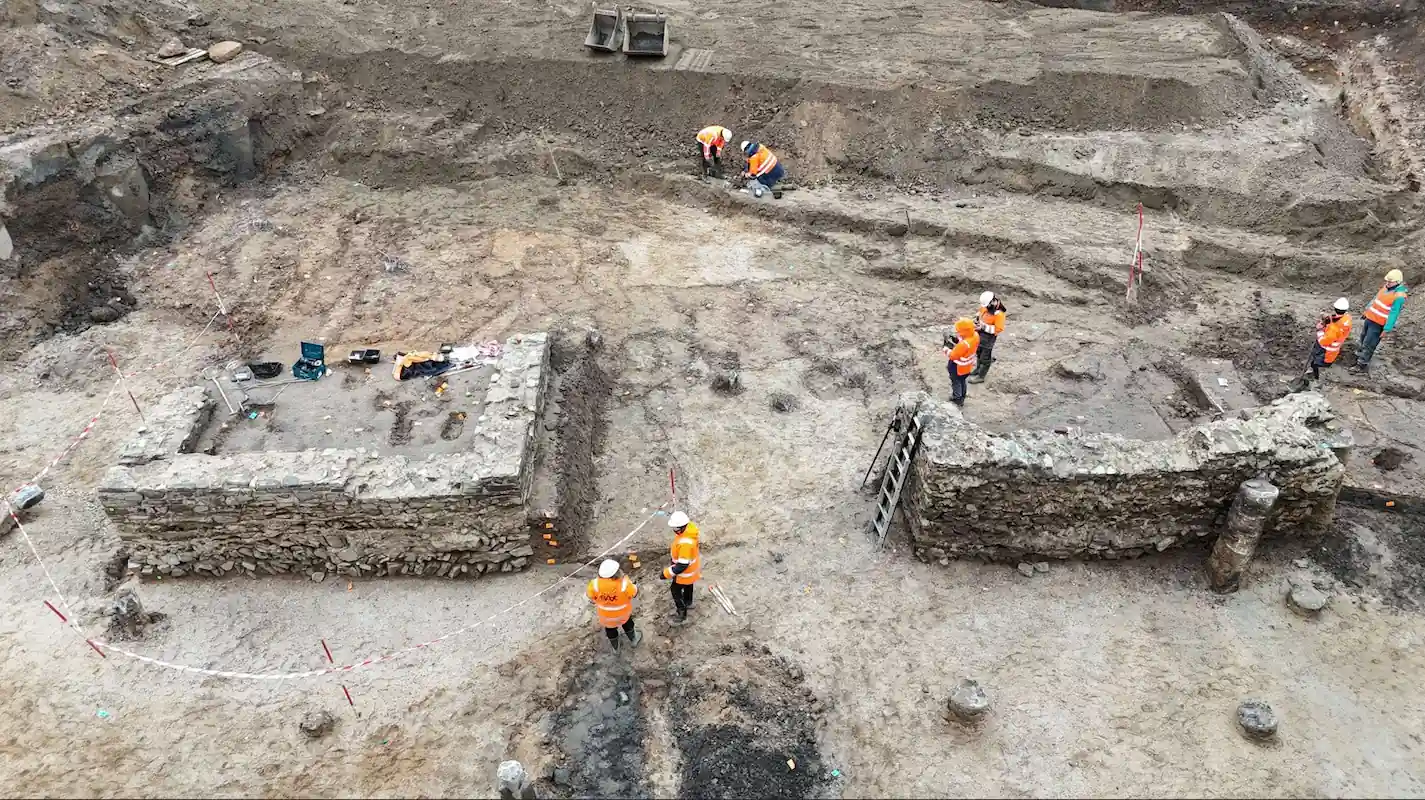
Nearly 5,000-Square-Meter Roman Bathhouse, the Largest in the Netherlands, Unearthed in Nijmegen
Archaeologists in Nijmegen have uncovered the largest Roman bathhouse ever found in the Netherlands, a nearly 5,000-square-meter complex that once served the Roman city of Ulpia Noviomagus. The discovery was made in the Waalfront district, where a former industrial area is being prepared for new housing. According to the Municipality of Nijmegen, archaeologists from RAAP…