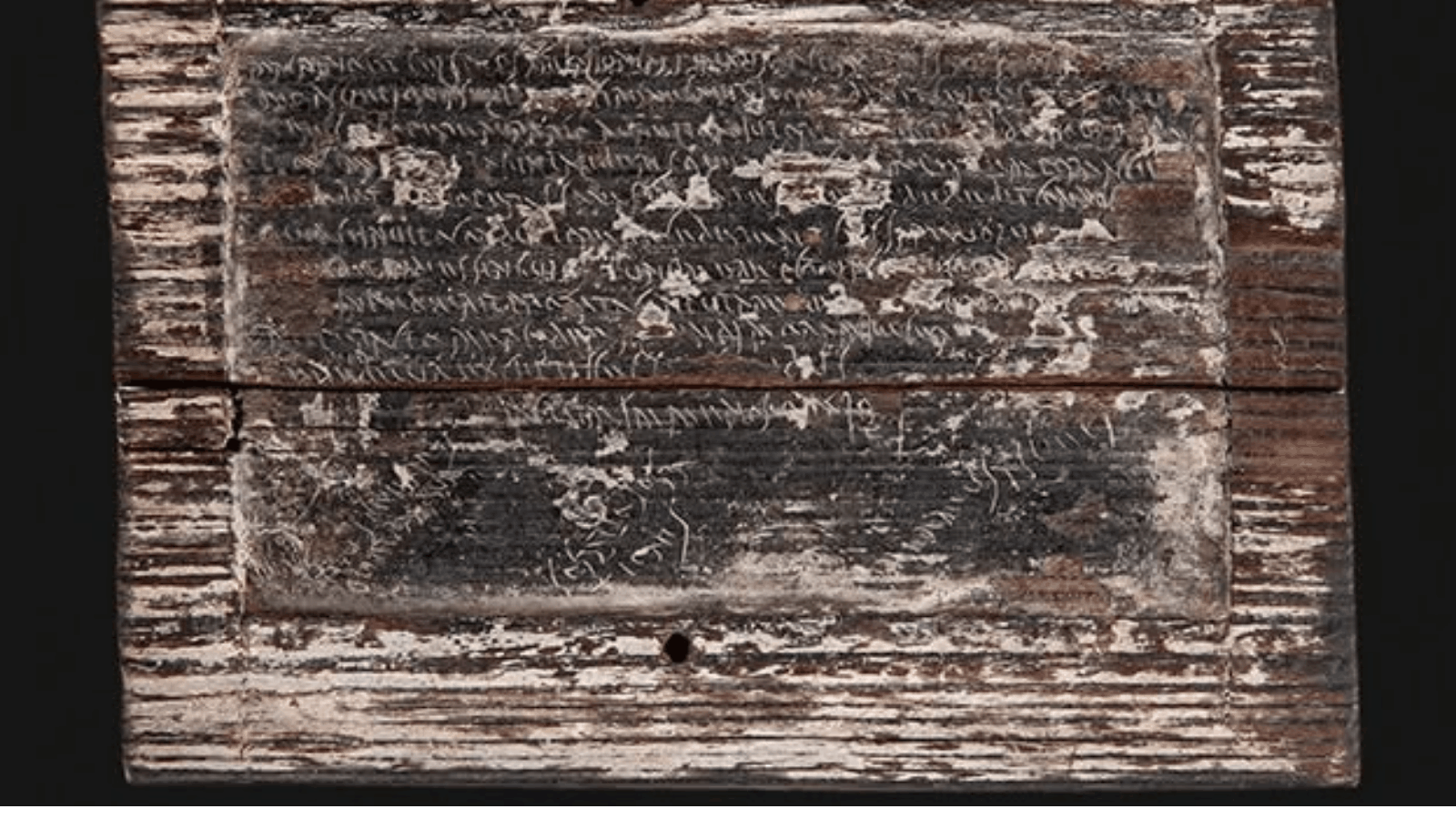
Two Roman employment contracts written nearly 1,900 years ago offer an unusually detailed look at wages, working conditions and legal agreements in one of the Roman Empire’s major gold-mining districts.
The contracts were inscribed on wax-coated wooden tablets discovered at Alburnus Maior, the Roman settlement beneath present-day Roșia Montană in western Romania. Two of the surviving tablets are held by the National Museum of Romanian History in Bucharest.
One dates to AD 131. The other, written in AD 164, records how a worker hired out his labor for gold-mining work, how much he would be paid and what would happen if either side failed to meet the terms of the agreement.
Together, the documents provide rare evidence of Roman law as it operated in everyday economic life rather than in legal texts compiled for jurists.
A mining contract worth 70 denarii
The better-preserved document, known as Tabula Cerata D. XI, was drawn up on May 20, AD 164 at a place recorded as Immenosum Maius.
It involved Memmius, son of Asclepius, who agreed to provide his labor to Aurelius Adiutor for work associated with gold mining. The contract was to remain in force until November 13, with payment set at 70 denarii.
Its clauses went beyond the simple exchange of labor for wages.
The surviving text addressed what would happen if Memmius stopped working without the contractor’s consent. It also included provisions for interruptions caused by water entering the mine, a practical hazard in underground mining, and set conditions relating to delayed payment.
Such details make the tablet especially valuable. Instead of describing Roman labor relations in general terms, it records the conditions negotiated for a specific worker in a specific mining community.
Memmius apparently could not write, and the document was prepared on his behalf by Flavius Secundinus.
The tablet itself had also been used before. Traces of an earlier text remain visible beneath the later contract, showing that the wooden writing surface was reused.
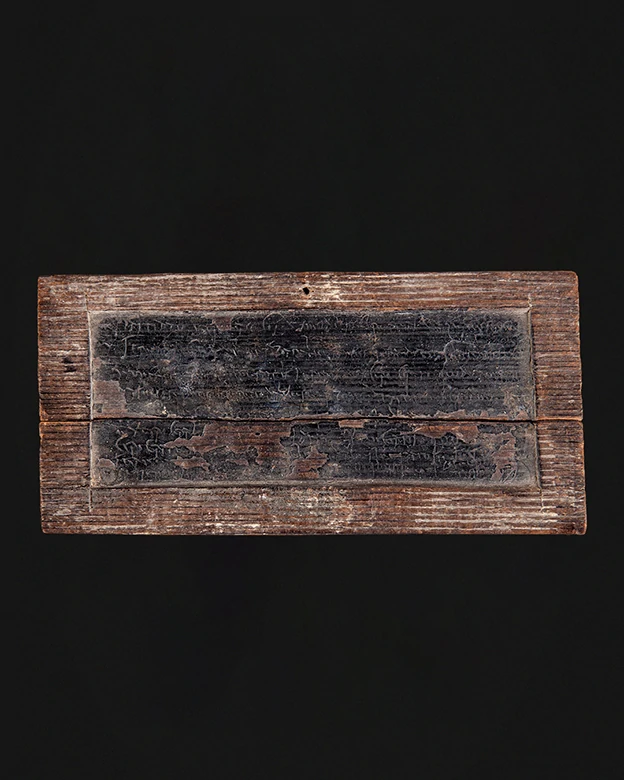
The earliest surviving tablet from Alburnus Maior
The second document, Tabula Cerata D. XVIII, is older.
According to the National Museum of Romanian History, it was drawn up at Alburnus Maior on February 6, AD 131 and is the earliest surviving wax tablet from the site.
Originally part of a three-panel wooden triptych made from fir, only one panel survives.
The preserved text names Valerius Firmus, associated with the preparation of the document, as well as several individuals whose names indicate Illyrian connections, including Verzo, son of Beusas, and Dasius, son of Verzo.
Because much of the original triptych is missing, the full terms of the agreement can no longer be reconstructed.
The people named in the two tablets also reflect the mixed population attracted to the mining district. Roman citizens appear alongside peregrini, free inhabitants of the empire who did not hold Roman citizenship at the time. Personal names recorded in the documents point to Illyrian-Dalmatian, Greek and eastern backgrounds.
Wooden documents survived inside Roman mines
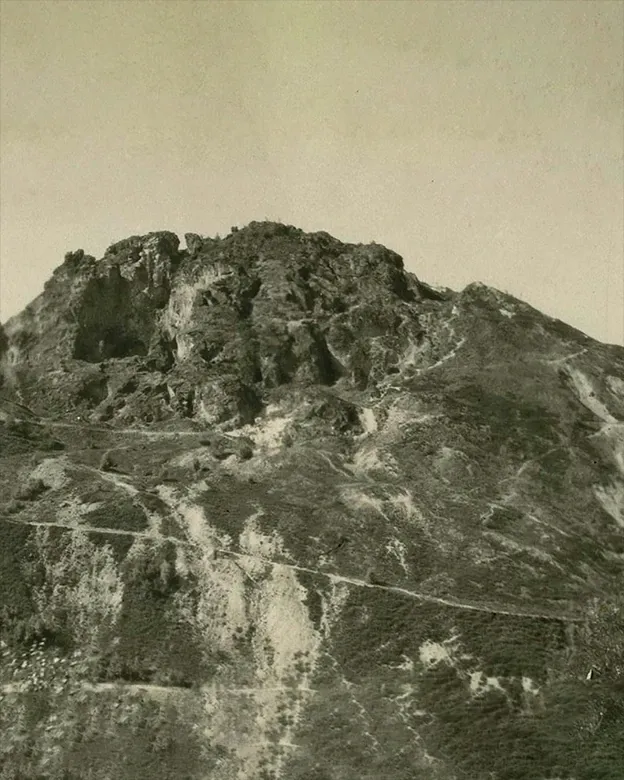
The Alburnus Maior tablets belong to an exceptional group of wax-coated wooden documents recovered from ancient mine workings at Roșia Montană.
Their discovery began as mining intensified in Transylvania during the late 18th and 19th centuries. Roman galleries were reopened, and miners encountered wooden tablets that had survived underground for more than 1,600 years.
Finds were recorded in several years, including 1786, 1788, 1790, the early 19th century, and again in 1854 and 1855. The two employment documents now highlighted by the National Museum of Romanian History came from the group recovered in 1854.
Some tablets deteriorated rapidly after exposure to air, while others disappeared after their discovery. Roughly two dozen are known to survive today.
Their texts cover more than employment. The surviving documents include records connected with loans, sales and other private agreements, providing evidence for the economic and legal life of Roman Dacia.
Roșia Montană was inscribed on the UNESCO World Heritage List in 2021. Its extensive underground workings preserve evidence of Roman gold extraction on a scale rarely matched elsewhere in the empire.
The wax tablets add another layer to that archaeological record. Alongside tunnels, mining installations and settlements, they preserve names, payments and contractual obligations written by people who lived and worked around the mines almost nineteen centuries ago.