
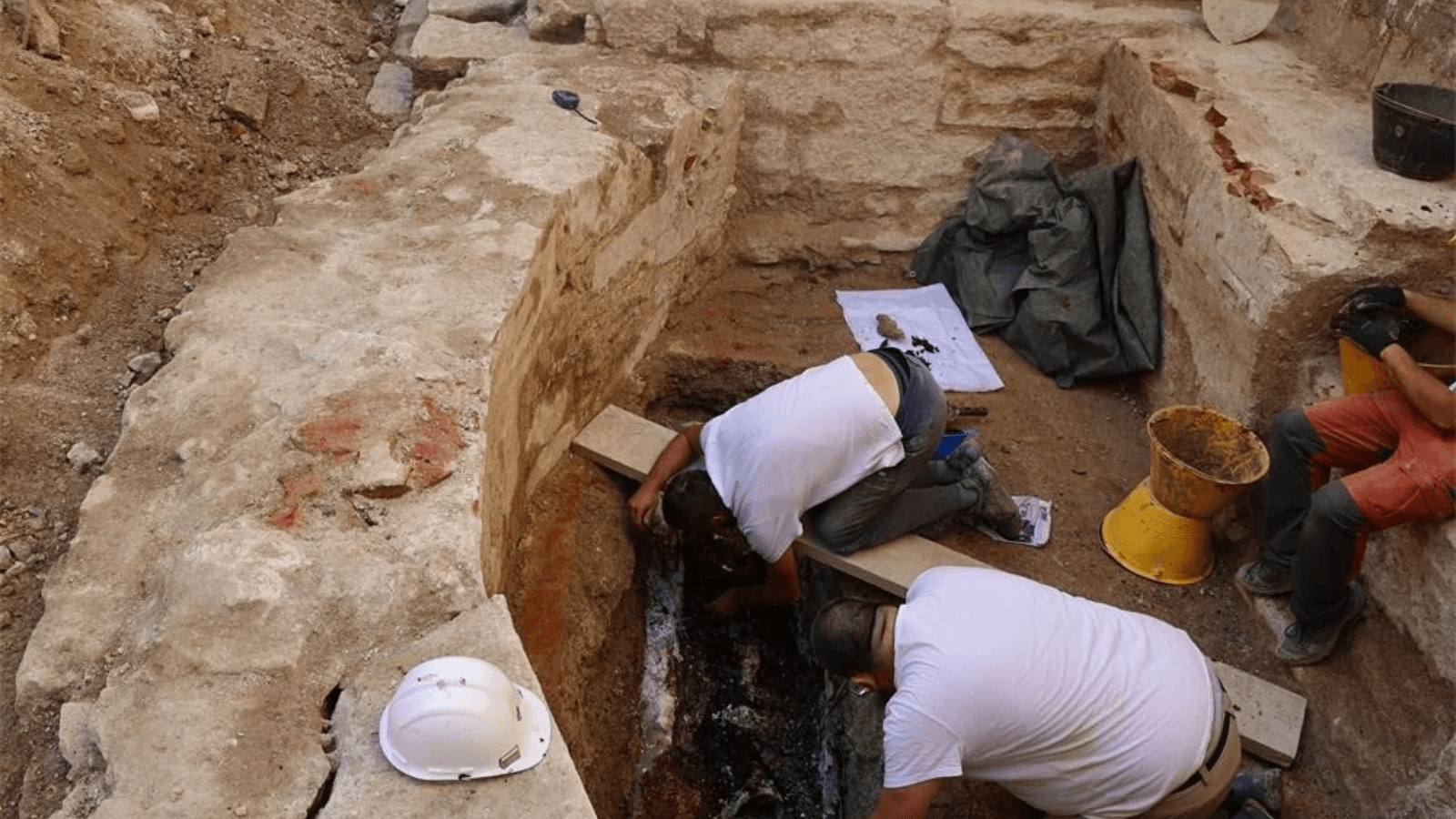
Archaeologists working beside Zagreb Cathedral in Croatia have discovered the remains of Ivan Zakmardi, a prominent 17th-century statesman who laid the foundations of the Croatian State Archives. His skeleton, remarkably well preserved inside a sealed lead coffin, bears evidence of a postmortem procedure performed nearly 360 years ago.
The discovery, announced on November 20 by the Archdiocese of Zagreb, also revealed religious objects, silver-buckled leather shoes and an iron vessel that may once have contained the statesman’s heart.
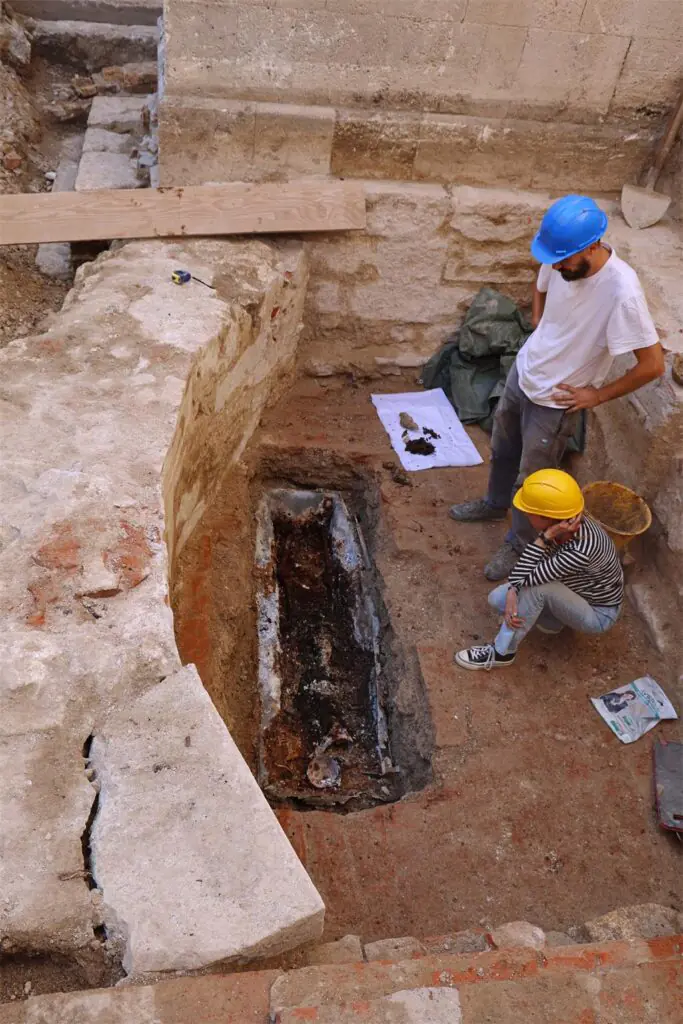
Historical records and anthropological findings have allowed researchers to identify the remains with what excavation director Ana Azinović Bebek described as 99 percent certainty.
Archaeological investigations began in July 2026 as part of the cathedral’s restoration following the 2020 earthquake. On September 14, excavators reached the remains of the Chapel of St. John the Baptist, which Zakmardi had commissioned as his own burial place. The chapel suffered extensive damage during the 1880 Zagreb earthquake and was never rebuilt.
Inside the Sealed Lead Coffin
Beneath the chapel floor, archaeologists discovered a lead coffin encased in fir wood. Its sealed interior had protected the skeletal remains from environmental deterioration for centuries. A similarly well-preserved burial was recently discovered in Croatia’s coastal town of Cavtat, where archaeologists uncovered a 1,500-year-old sealed Roman sarcophagus.
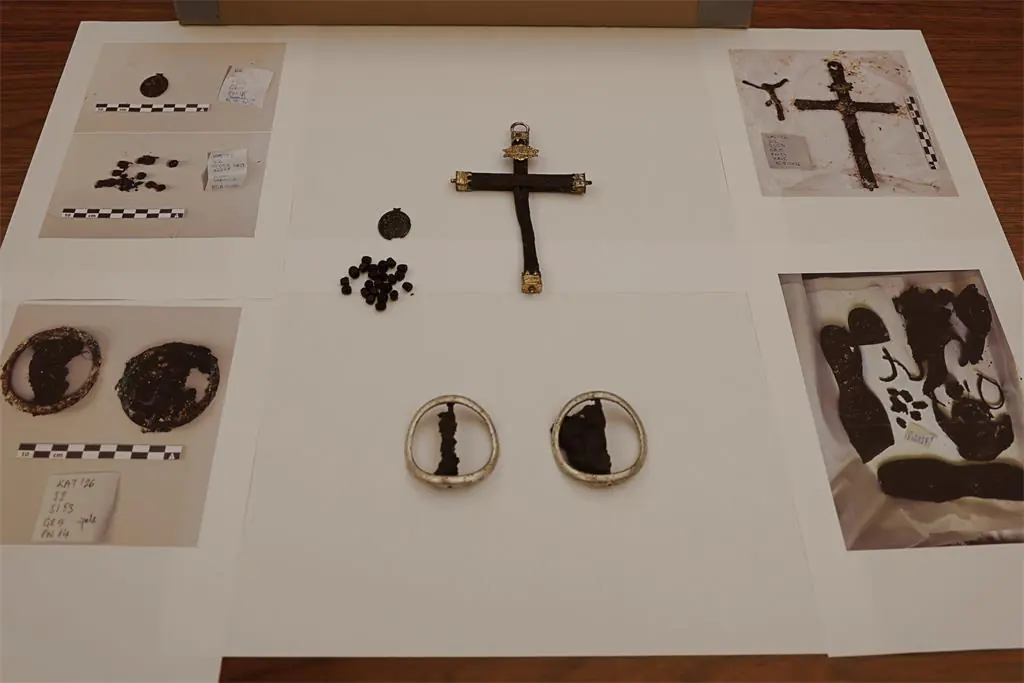
Among the burial objects were a wooden crucifix decorated with gilded bronze, rosary beads made of jet, a bronze religious medal depicting Christ and the Virgin Mary, and leather shoes fitted with silver buckles. The burial location, coffin and personal belongings all pointed to an individual of high social standing.
During conservation, specialists identified hallmarks on the silver buckles indicating the quality of the metal, along with a maker’s mark that could help determine where they were manufactured.
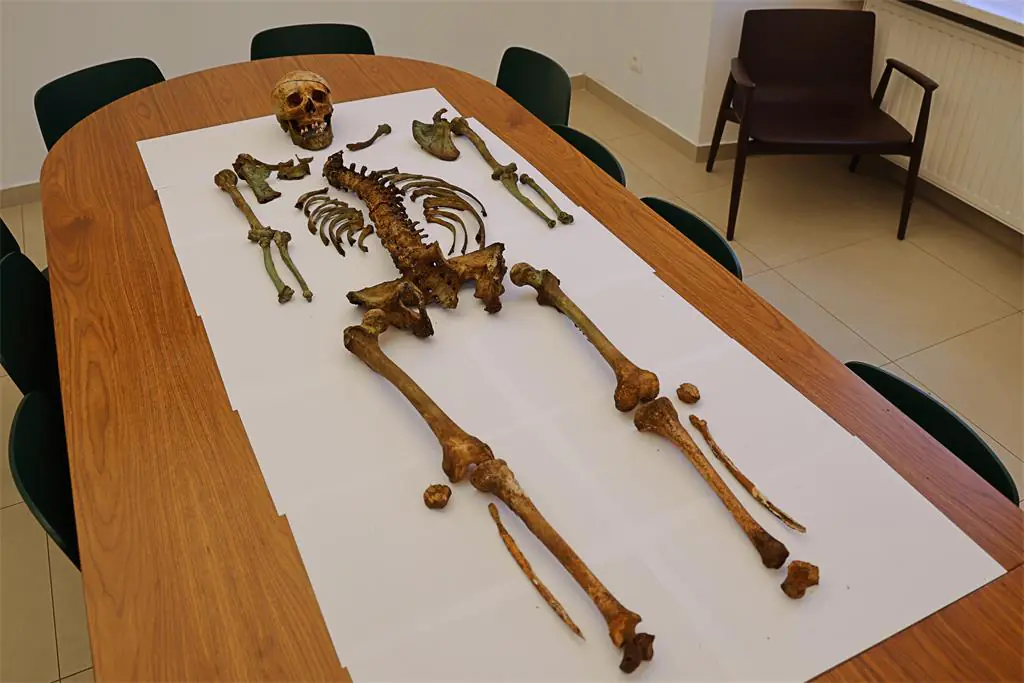
Another unusual detail was the green discoloration of bones in the upper half of the body. Researchers suspect that Zakmardi’s burial garments contained bronze threads, which oxidized over time and left traces on the skeleton.
Evidence of a 17th-Century Postmortem Procedure
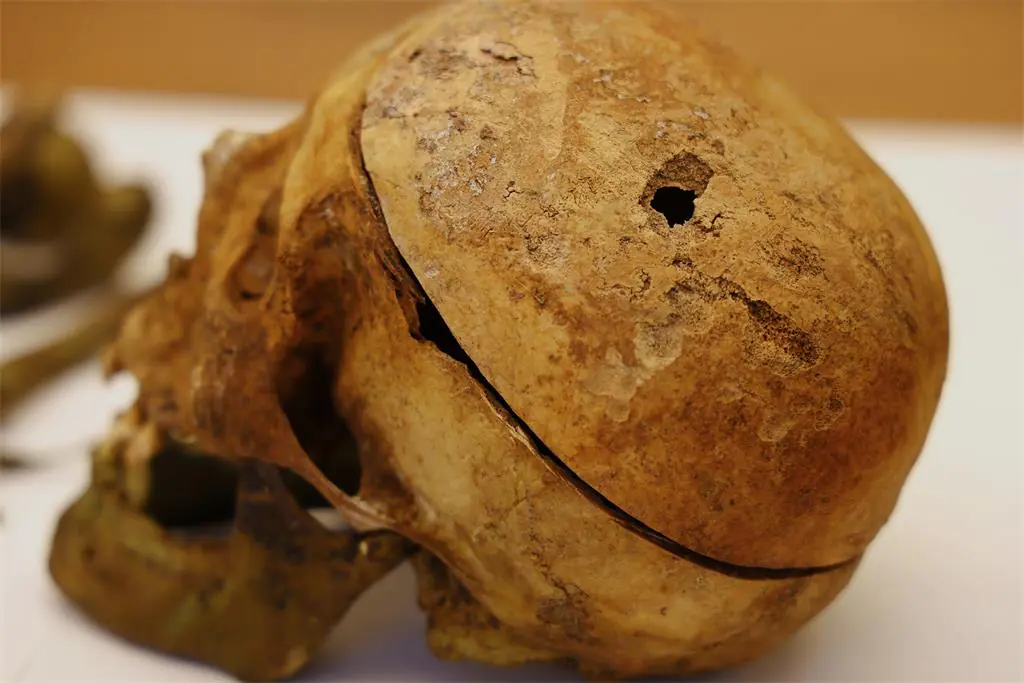
Some of the strongest evidence supporting the identification came from cuts visible on the skull and breastbone. Their presence corresponds with historical accounts of the circumstances surrounding Zakmardi’s death.
The statesman died on April 25, 1667, in Banská Bystrica, in present-day Slovakia. Before his body could be transported to Zagreb, contemporary sanitary regulations required the removal of his internal organs.
An iron vessel discovered between his legs may have served an unusual funerary purpose. Based on burial practices of the period, researchers suggest that it could have contained his heart or other organs removed during the procedure.
Anthropologist Vlasta Vyroubal of the Croatian Academy of Sciences and Arts determined that the remains belonged to a man over the age of 65. Several sections of his spine had fused as a result of diffuse idiopathic skeletal hyperostosis (DISH), while changes in his pelvis suggest that he experienced reduced mobility in his later years.
His pronounced lower jaw also resembles features visible in surviving historical portraits, providing further support for the identification.
Although researchers found no skeletal evidence of a violent death, a lesion penetrating the skull requires further investigation. The cause of his death remains undetermined.
The Man Who Preserved Croatia’s Historical Records
Born around 1600, Zakmardi served as the protonotary, a senior legal official, of the Kingdom of Croatia. His most enduring achievement, however, was the preservation of the kingdom’s historical documents.
In 1643, he assembled legal records and privileges in a specially commissioned chest known as the Cista Privilegiorum Regni. Protected by three separate keys, the chest was originally kept in the sacristy of Zagreb Cathedral and survives today in the Croatian State Archives.
Zakmardi was also a prominent philanthropist. Two charitable foundations he established helped educate children from disadvantaged backgrounds for nearly 150 years after his death.
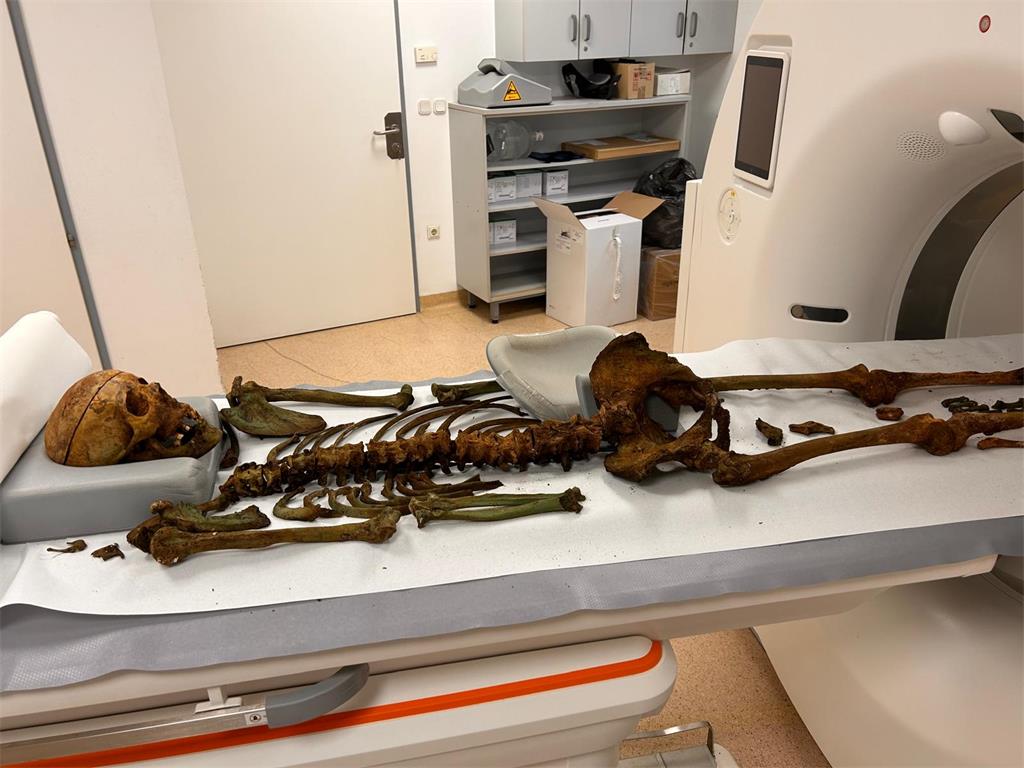
Scientific investigations are continuing. Stable isotope analysis may reveal details of his diet, while CT scans could provide additional information about his health.
The scans will also support a planned facial reconstruction, allowing researchers to compare Zakmardi’s physical appearance with the portraits that have preserved his likeness for more than three centuries.
Cover Image: Archaeologists excavate the 17th-century burial of Croatian statesman Ivan Zakmardi beside Zagreb Cathedral, Croatia. Credit: Archdiocese of Zagreb Press Office, Lj. Gamulin / Croatian Conservation Institute, V. Vyroubal.