
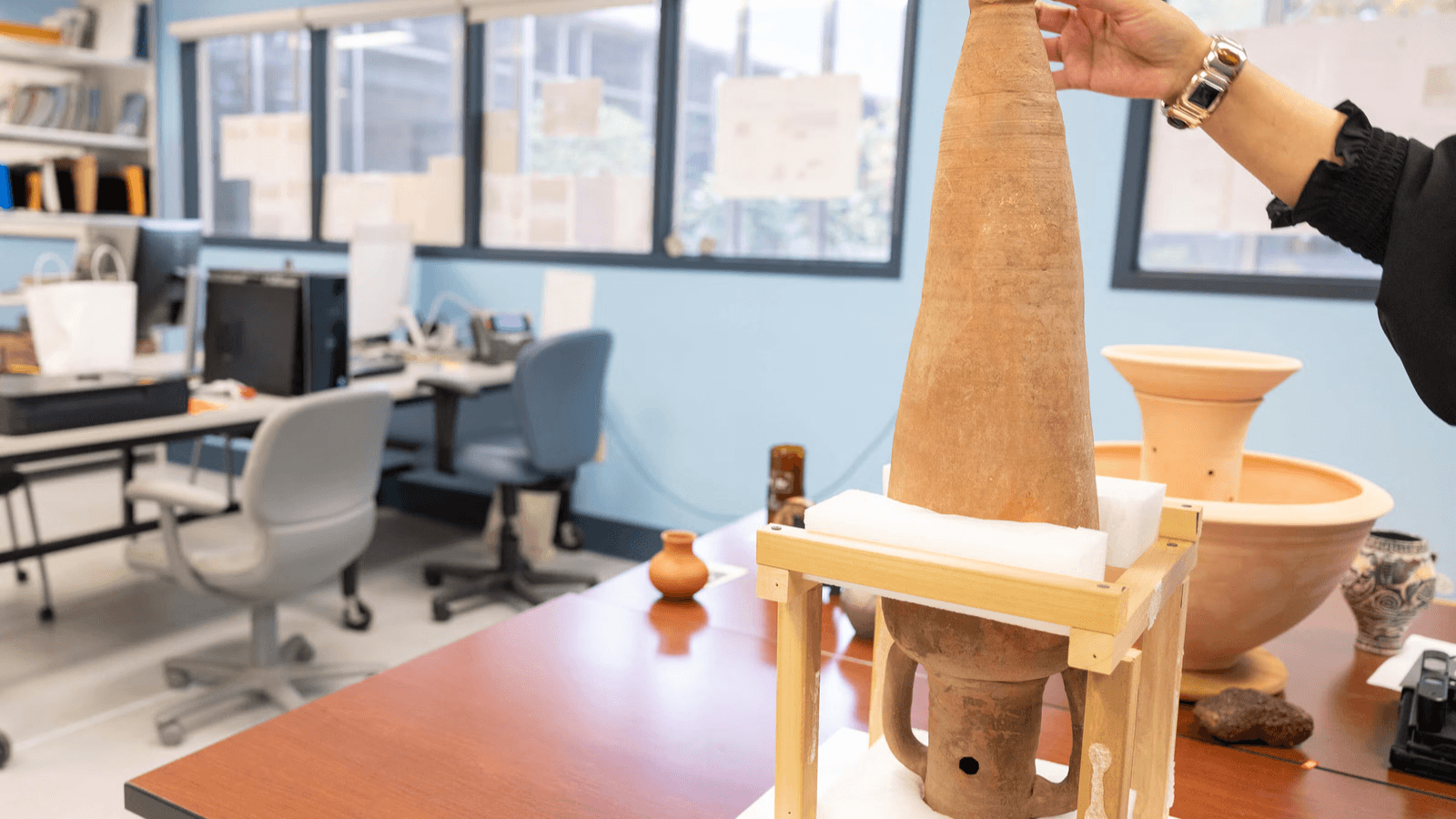
A 2,000-year-old ceramic jar recovered from an ancient tomb in Nubia has yielded an unexpected combination of ingredients: wine, opium, and chemical traces suggesting the presence of potentially dozens of medicinal and psychoactive plants. Researchers at Yale University believe the vessel may once have held a complex potion resembling the mysterious drug described in Homer’s Odyssey, which was said to ease sorrow and suppress painful memories.
The findings come from chemical analyses conducted by researchers at Yale University’s Peabody Museum. Andrew Koh, the museum scientist leading the investigation, believes the unusual mixture may have served a medicinal or ritual purpose, although its precise ingredients and intended effects remain uncertain.
A Mysterious Jar from a Lost Nubian Settlement
The vessel was recovered in the early 1960s during archaeological rescue excavations at Arminna, an ancient Nubian settlement along the Nile in what is now southern Egypt. The expeditions, led by Yale Egyptologist William Kelly Simpson, formed part of an international effort to preserve archaeological sites threatened by the construction of the Aswan High Dam.
The jar eventually entered the Yale Peabody Museum’s collections, where it remained for more than six decades before attracting Koh’s attention.
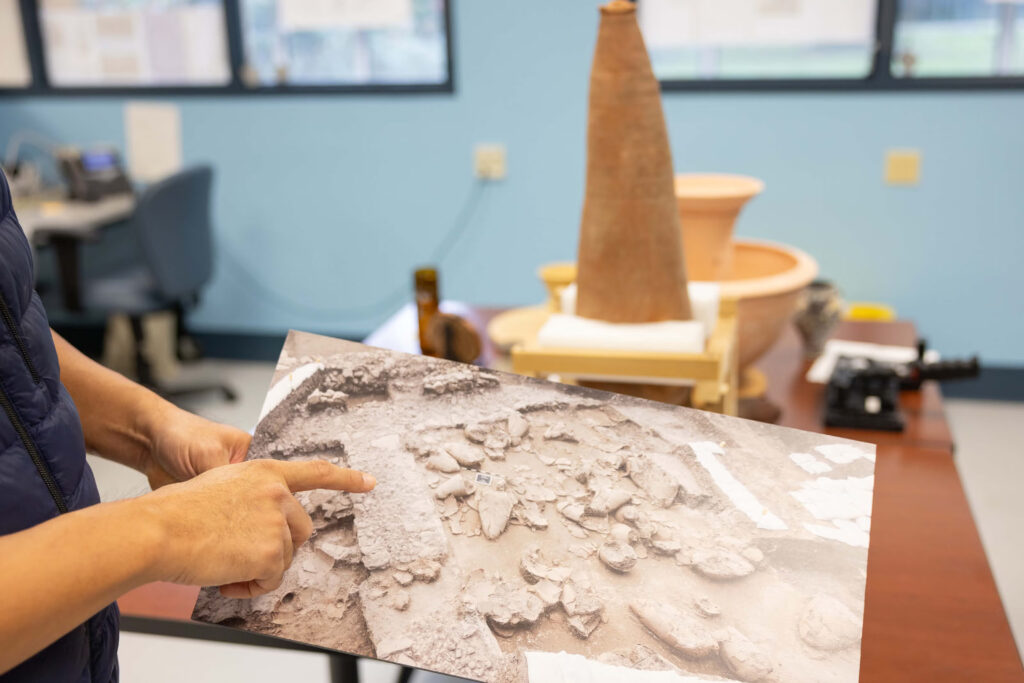
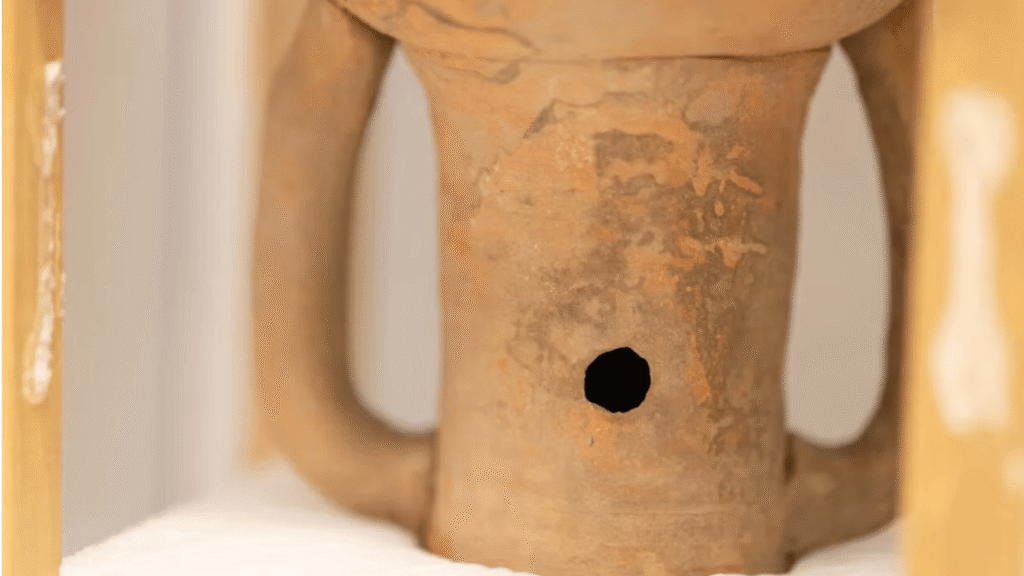
Two details immediately stood out. The amphora was larger than containers typically used for expensive substances such as perfume or opium, yet considerably smaller than vessels intended for transporting commercial quantities of wine. It also had a circular hole drilled into its neck, a few inches below the opening.
The hole may have served a practical purpose, but Koh has suggested another possibility: it could represent the ritual destruction of an object believed to possess spiritual significance.
Wine, Opium, and Potentially Hallucinogenic Plants
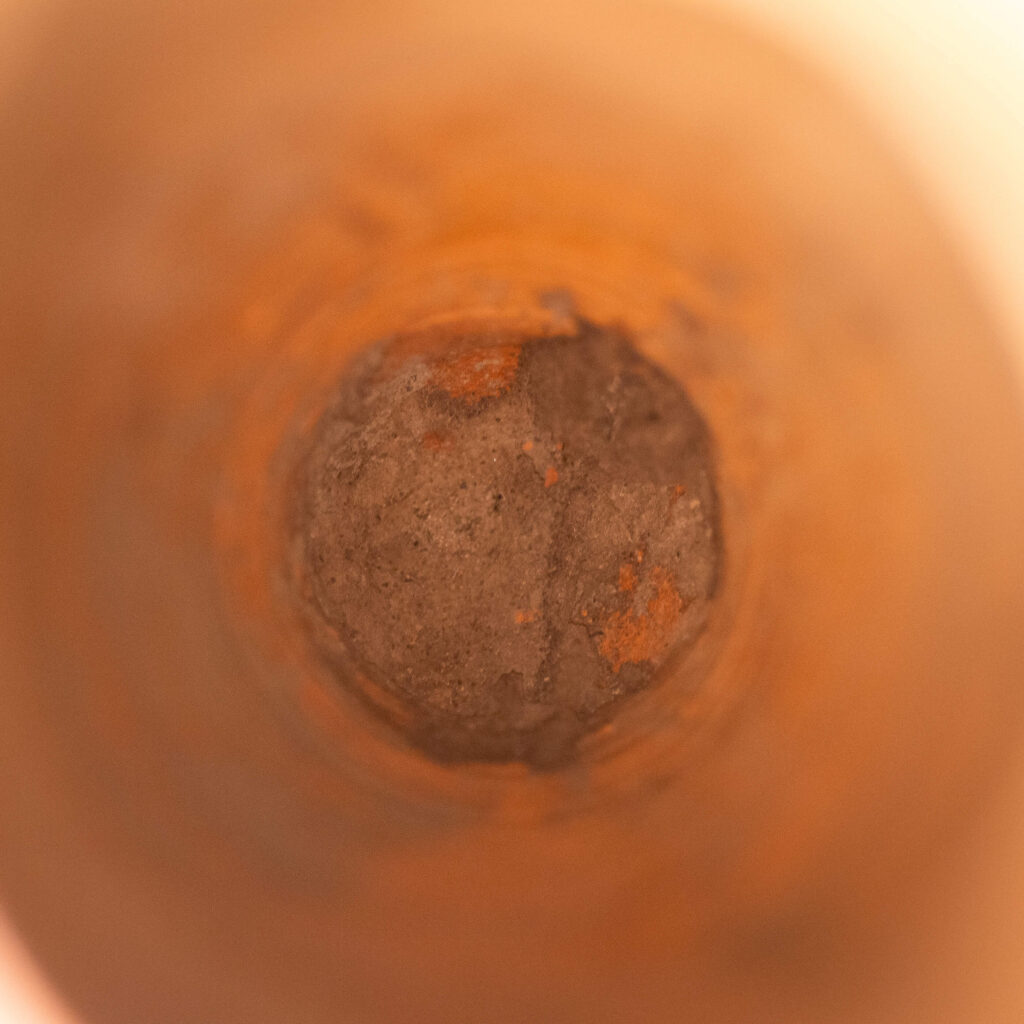
Laboratory tests on organic residue preserved at the bottom of the amphora identified chemical biomarkers associated with wine and opium. Researchers also detected evidence suggesting the presence of potentially dozens of additional plants.
According to Yale University’s account of the investigation, these may have included belladonna (Atropa belladonna) and henbane (Hyoscyamus), two poisonous members of the nightshade family known for their hallucinogenic properties.
Both plants have long histories of medicinal and ritual use, although their presence in the Nubian mixture has not yet been conclusively established.
Koh suspects that the wine was more than a beverage. It may have acted as a solvent, allowing the preparer to extract and combine active compounds from different plants.
The result could have been a carefully prepared substance intended to produce effects far beyond ordinary intoxication.
A Possible Connection to Homer’s Odyssey
The chemical composition has prompted comparisons with two famous preparations from the ancient world.
One is theriac, a complex medicinal antidote developed in antiquity to treat poisoning and various illnesses. The other is nepenthe, the mysterious drug described in Homer’s Odyssey as capable of easing sorrow and suppressing painful memories.
In the epic, Helen adds the substance to wine, and the narrative associates the drug with Egypt, a civilization whose medicinal traditions fascinated ancient Mediterranean writers.
Koh considers the Nubian mixture consistent with the broader tradition of elaborate medicinal preparations represented by such accounts.
“It quite likely was a potion that served a deeper cultural purpose we are only beginning to understand,” he said.
The comparison is compelling, but it remains a hypothesis. The chemical evidence does not establish that the jar contained Homer’s legendary drug or that its original users knew the literary tradition associated with it.
The vessel’s discovery in a tomb also raises questions about its possible connection to funerary rituals. Yet researchers cannot determine whether it was prepared specifically for burial, used during the owner’s lifetime, or deposited for another reason.
Ancient Medicines Preserved in Museum Collections
The investigation forms part of the Yale Ancient Pharmacology Program, which studies organic residues in archaeological objects to reconstruct ancient diets, medicines, and ritual practices.
Similar research has uncovered surprising ingredients in ancient medicines. At Pergamon, chemical analysis of a Roman medicinal vessel identified human feces in a therapeutic preparation, showing how traces preserved in pottery can provide evidence of long-forgotten medical practices.
Koh has also examined Egyptian vessels held by the Museum of Fine Arts in Boston. Some contained potential chemical signatures of numerous plants, including blue lotus, a water lily with psychoactive properties that featured prominently in Egyptian mythology.
Ancient Egyptian art and texts associate blue lotus with healing, rebirth, and sacred wine preparations. Yale researchers are now cultivating the plant in collaboration with the university’s Marsh Botanical Garden to investigate its properties.
The Nubian amphora carries another significance. Arminna, where archaeologists recovered it more than sixty years ago, now lies beneath Lake Nasser. The settlement itself is no longer accessible for excavation.
Its surviving objects, however, continue to produce new evidence. The next stage of research will focus on identifying the mixture’s remaining ingredients and determining how it was used. The results could help explain the relationship between medicine, intoxicating substances, and ritual practices in ancient Nubia.
Cover Image: A 2,000-year-old Nubian amphora examined at Yale University contained traces of wine, opium, and potentially psychoactive plants. Photo by Allie Barton