
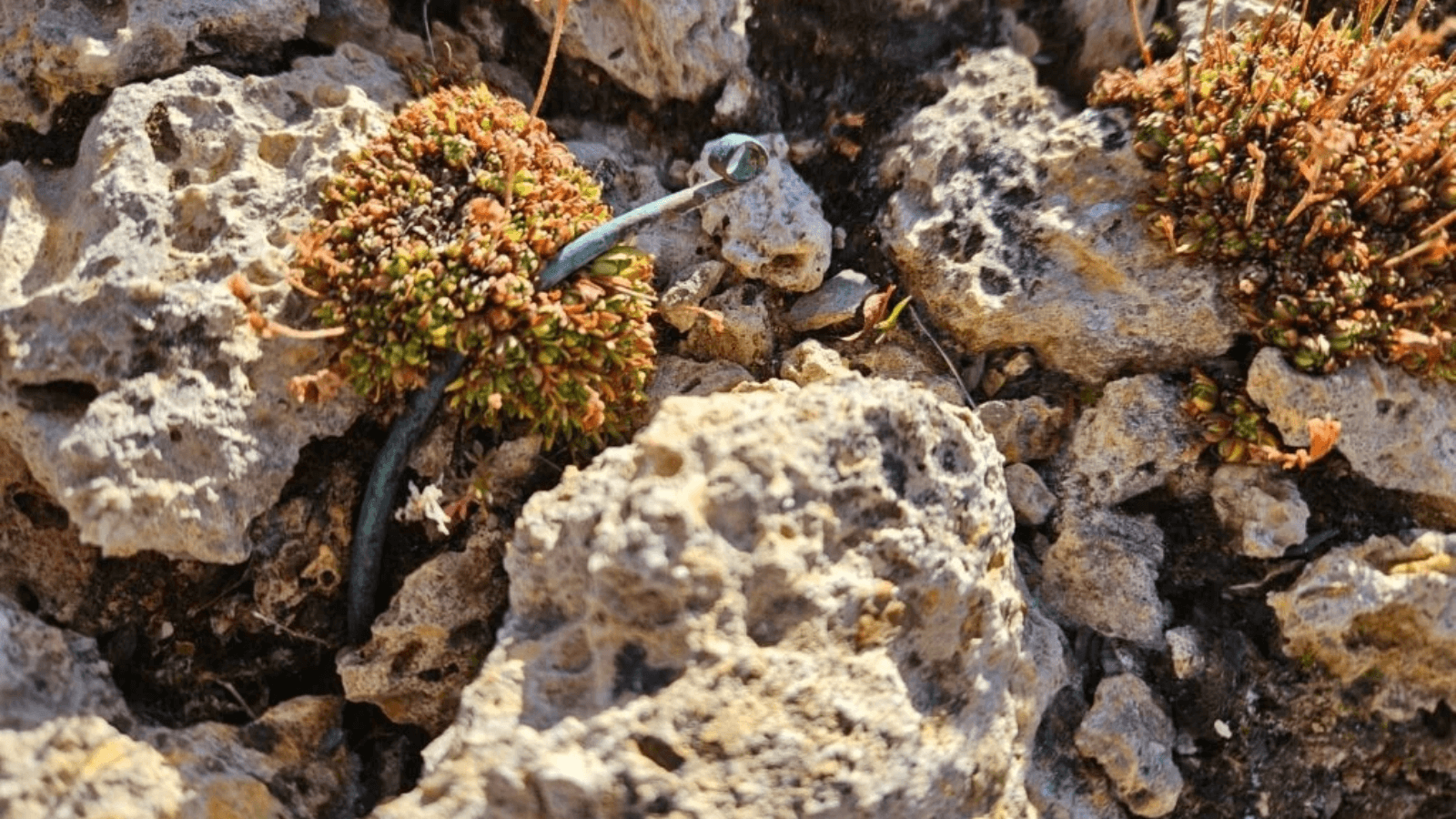
A bronze neck ring dating back nearly 4,000 years has been discovered on a remote mountain pass in the Swiss Alps, more than 2,600 meters above sea level. Archaeologists believe the ornament may have been deliberately left behind by a prehistoric traveler, possibly as an offering for protection during a dangerous journey through the mountains.
The find, announced on November 18 by the Archaeological Service of the Canton of Bern, is the first Bronze Age piece of jewelry discovered at Lötschen Pass, an ancient crossing between the Bernese Oberland and Valais in Switzerland. Its unusual location suggests that journeys through the Alps may have carried religious significance as well as practical purposes.
An Ancient Ornament Far From Any Burial
The discovery came during a routine archaeological survey in mid-October 2026. Researchers found the bronze ring outside the areas where earlier prehistoric objects had been recovered, extending the known distribution of archaeological finds along the pass.
The slender ornament measures approximately 13 centimeters across and has two loop-shaped ends. Despite spending thousands of years in the harsh Alpine environment, it has survived in remarkably good condition.
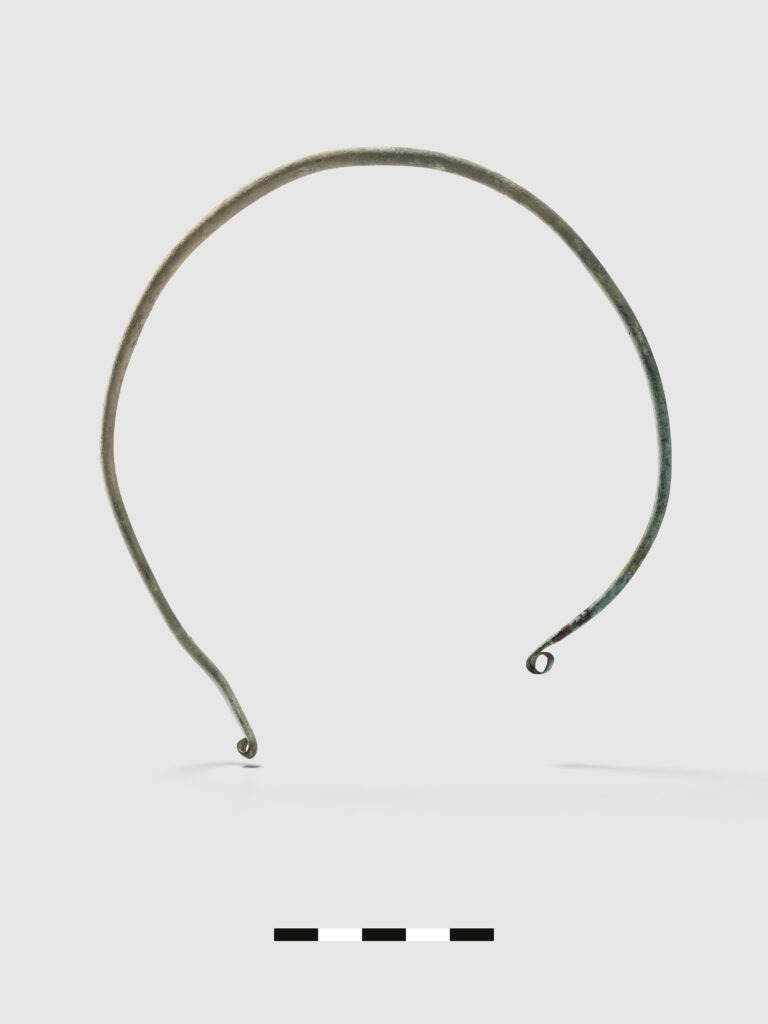
Archaeologists date the object to the Early Bronze Age, between 2000 and 1700 BC. Similar ornaments have been found in both male and female graves at Gwatt, Einigen, and Hilterfingen in the Bern region, indicating that such jewelry was worn by people of both sexes.
The Lötschen Pass discovery is different. No burial was associated with the ring, and its isolated position raises the possibility that someone intentionally deposited it rather than accidentally losing it.
According to the Archaeological Service of the Canton of Bern, the ornament may have been offered to a deity, either to seek a safe passage through the mountains or to give thanks after completing the crossing.
Although the explanation remains hypothetical, it offers an intriguing possibility: the people who traveled through these high mountain routes may have regarded certain places as spiritually significant.
A Mountain Route Used for Thousands of Years
Lötschen Pass was already being crossed during the Early Bronze Age, when communities on opposite sides of the Alps maintained connections despite the difficult terrain.
Previous archaeological investigations have uncovered bows, arrows, pieces of leather, and a wooden container among objects preserved in mountain ice. These discoveries, first documented from 2011 onward, provide evidence of people moving through the region thousands of years before modern transportation routes existed.
The newly discovered neck ring adds something different to that record. Unlike weapons and practical equipment, an ornament potentially deposited as an offering could reveal something about the beliefs of those making the journey.
Other discoveries, including Roman coins and medieval arrows, show that the crossing remained in use through later historical periods.
Melting Ice Reveals Traces of Prehistoric Travelers
The discovery also highlights the growing importance of Alpine archaeology as rising temperatures expose objects long preserved beneath ice and snow.
At Lötschen Pass, melting ice has revealed prehistoric organic materials that might otherwise have disappeared. Wooden objects and leather fragments have survived because frozen conditions protected them from decomposition. Similar discoveries in Norway’s melting mountain ice have uncovered ancient hunting equipment, including arrows preserved for centuries.
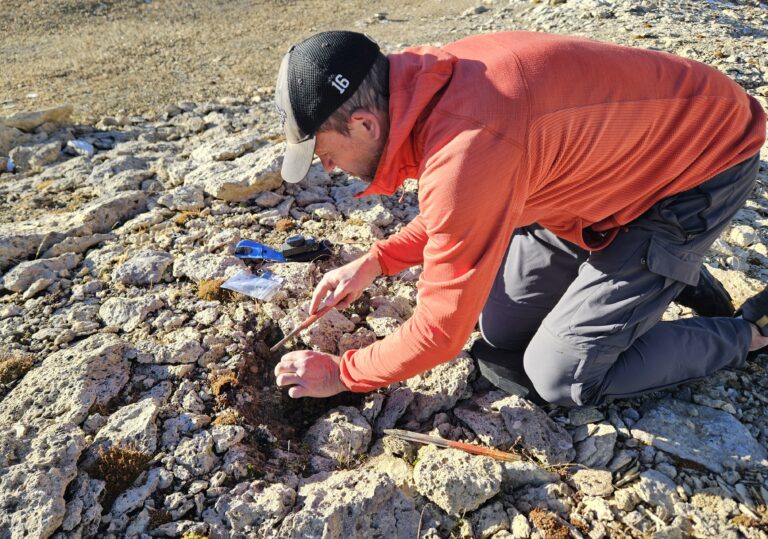
Yet the retreat of Alpine ice presents a challenge. Once exposed, fragile archaeological remains can deteriorate, making regular surveys and rapid documentation essential.
The bronze neck ring has now been transferred to the laboratories of the Archaeological Service in Bern, where conservation work is underway.
Whether the ornament was deliberately offered to a deity or lost during a mountain crossing may never be established with certainty. Its discovery nevertheless provides another indication of how extensively people traveled through the Alps during the Bronze Age—and raises the possibility that some approached these demanding journeys with more than practical concerns in mind.
Cover Image: A Bronze Age neck ring found among rocks and Alpine vegetation at Lötschen Pass, more than 2,600 meters above sea level. Archaeologists believe it may have been deliberately deposited as an offering. Credit: Archaeological Service of the Canton of Bern / Regula Gubler.