-
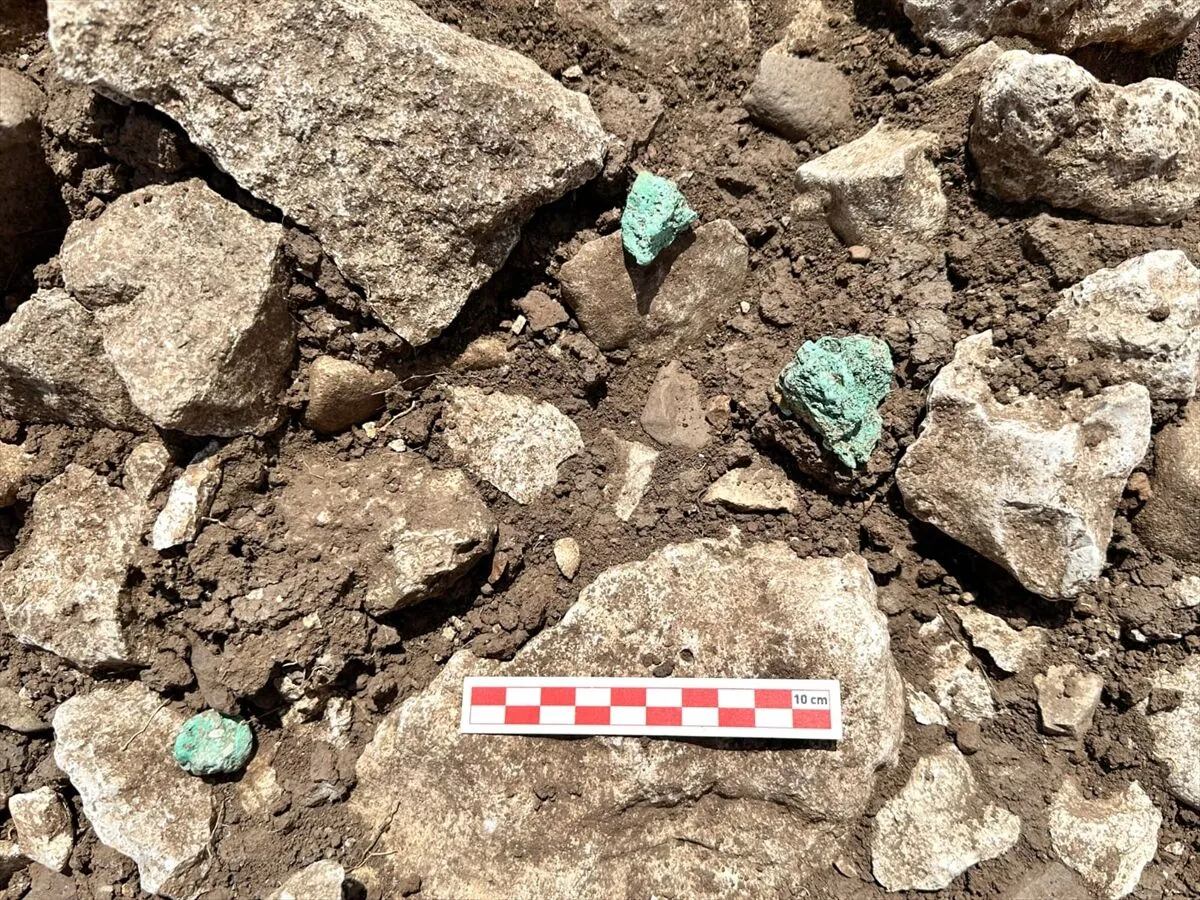
9,000-Year-Old Workshop Discovered in Türkiye Reveals Neolithic Malachite Processing and Copper Working
Archaeologists have discovered a 9,000-year-old malachite and copper workshop at Çayönü Tepesi in southeastern Türkiye. The stone-paved workspace contained raw and partly worked malachite, processed samples, copper beads and other copper objects, preserving several stages of Neolithic production within the same excavated area. The excavation team uncovered the workshop during the 2026 season near Ergani…
-
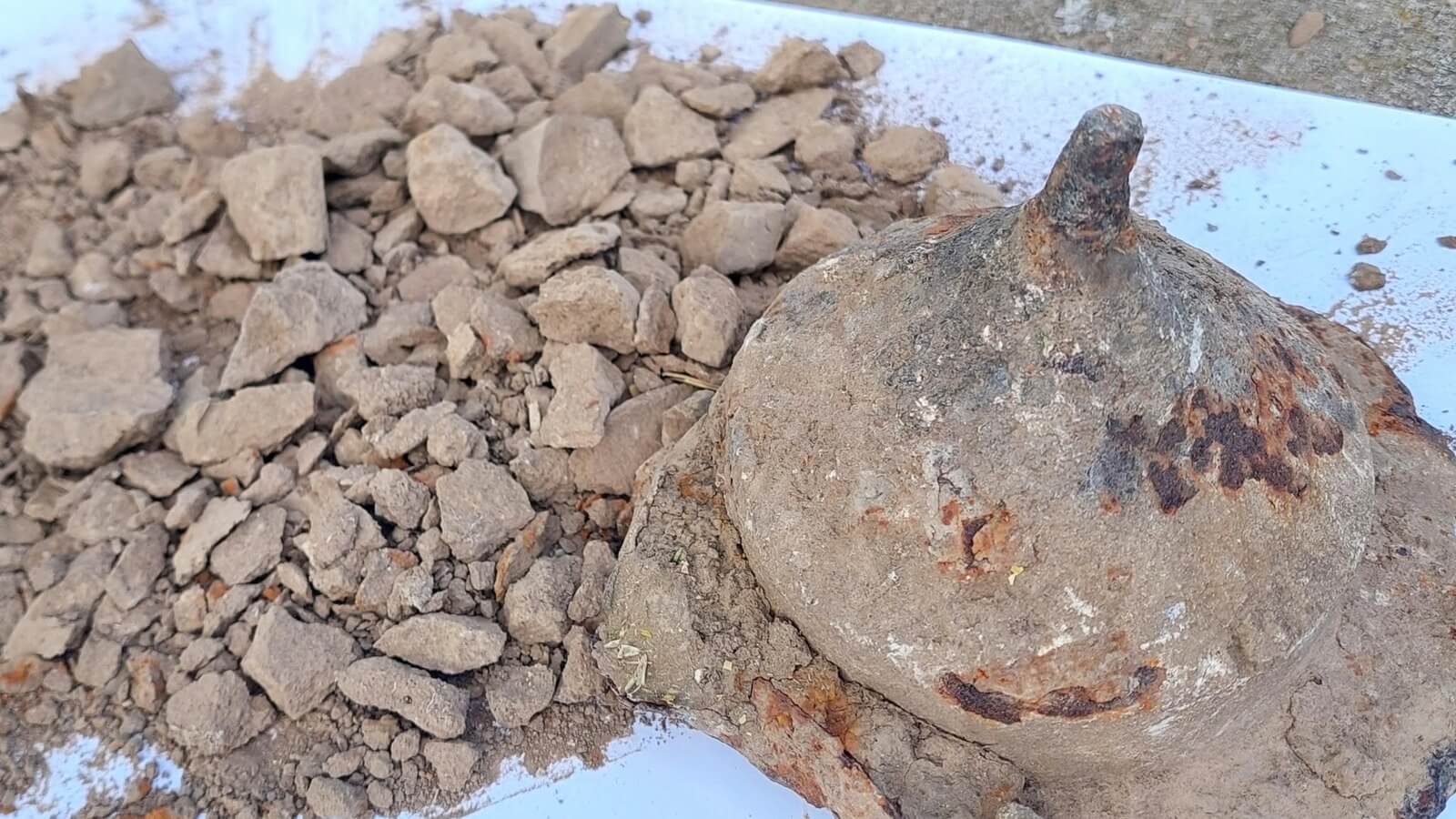
1,800-Year-Old Shield Boss Found in Polish Scrapyard May Lead to a Lost Warrior Cemetery
An iron shield fitting rescued from a scrapyard in eastern Poland has been identified as a 1,800-year-old archaeological artifact. Inside it, museum specialists found something even more revealing: soil containing burned human bones, apparently preserved from a cremation grave whose location remains unknown. Włodzimierz Starykiewicz discovered the object at a scrapyard in Hrubieszów, close to…
-
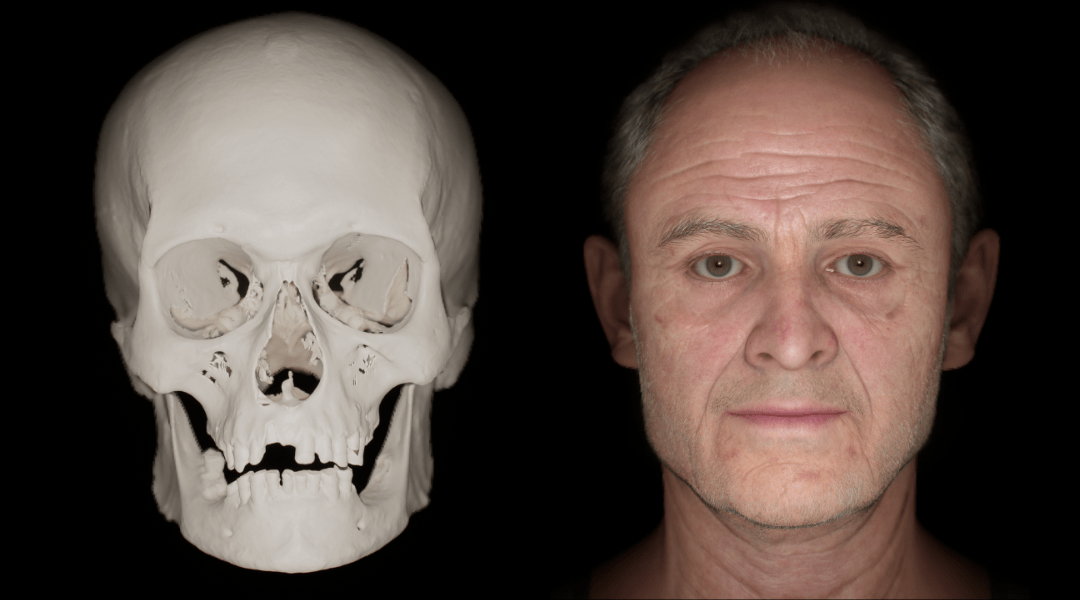
Face of “Conquest Man,” Buried Soon After the Norman Conquest, Reconstructed in England
The face of “Conquest Man,” an individual buried in England shortly after the Norman Conquest, has been digitally reconstructed from his 1,000-year-old skull. His burial combined a Christian setting with Scandinavian-influenced grave goods, while scientific tests indicate substantial continental European ancestry. His skeleton was excavated at St Peter’s Church in Barton-upon-Humber, North Lincolnshire. He was…
-
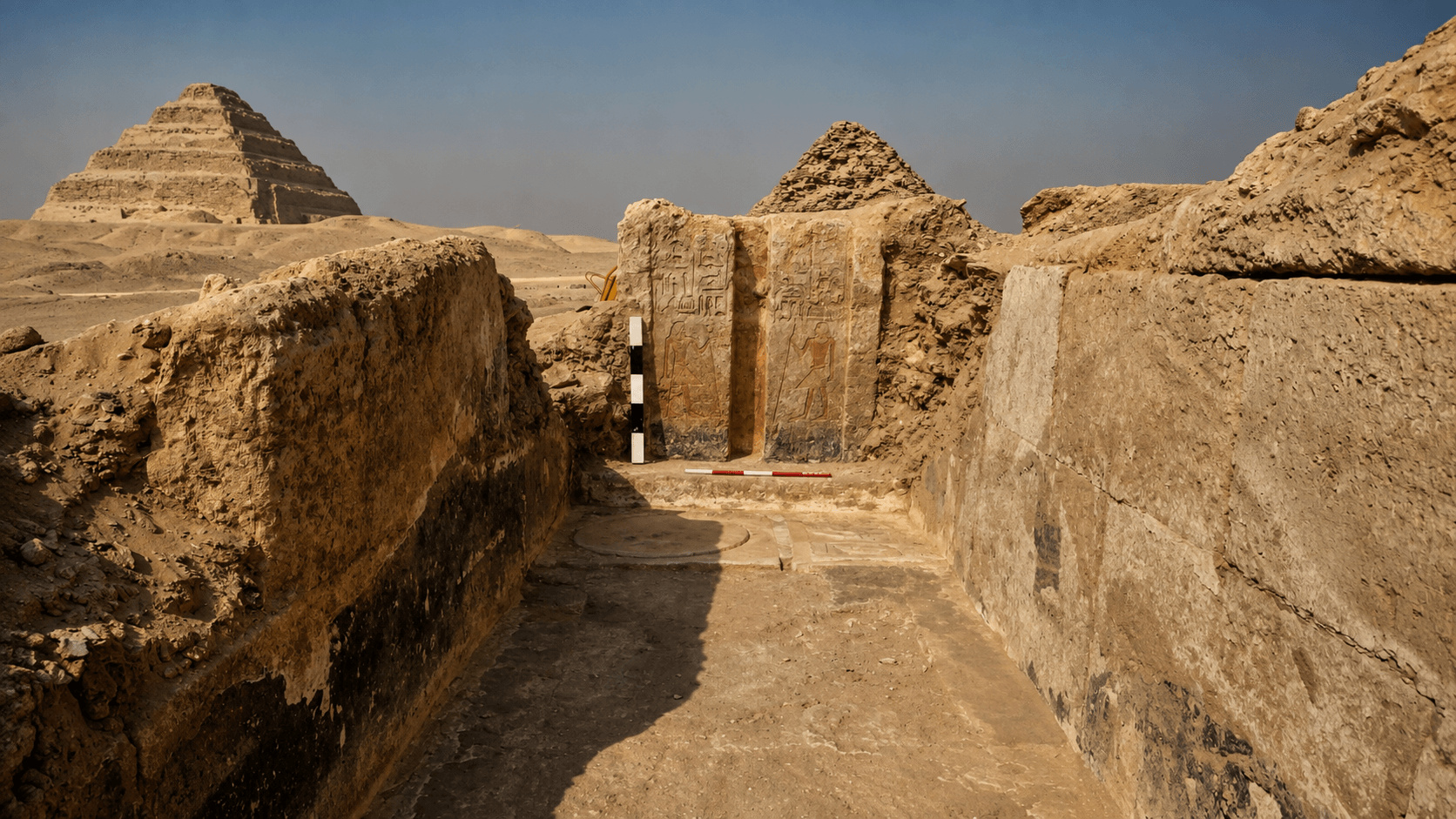
Old Kingdom Tomb of High-Ranking Royal Official Found at Saqqara Reveals a Necropolis Reused Across Eras
Archaeologists at Saqqara have uncovered the Old Kingdom tomb of a high-ranking Egyptian official named Sekhentiu-Ptah, together with part of his funerary chapel, an inscribed false door and a group of alabaster ritual objects still preserved in their original setting. The excavation also exposed a network of burial shafts containing later human burials, painted funerary…
-
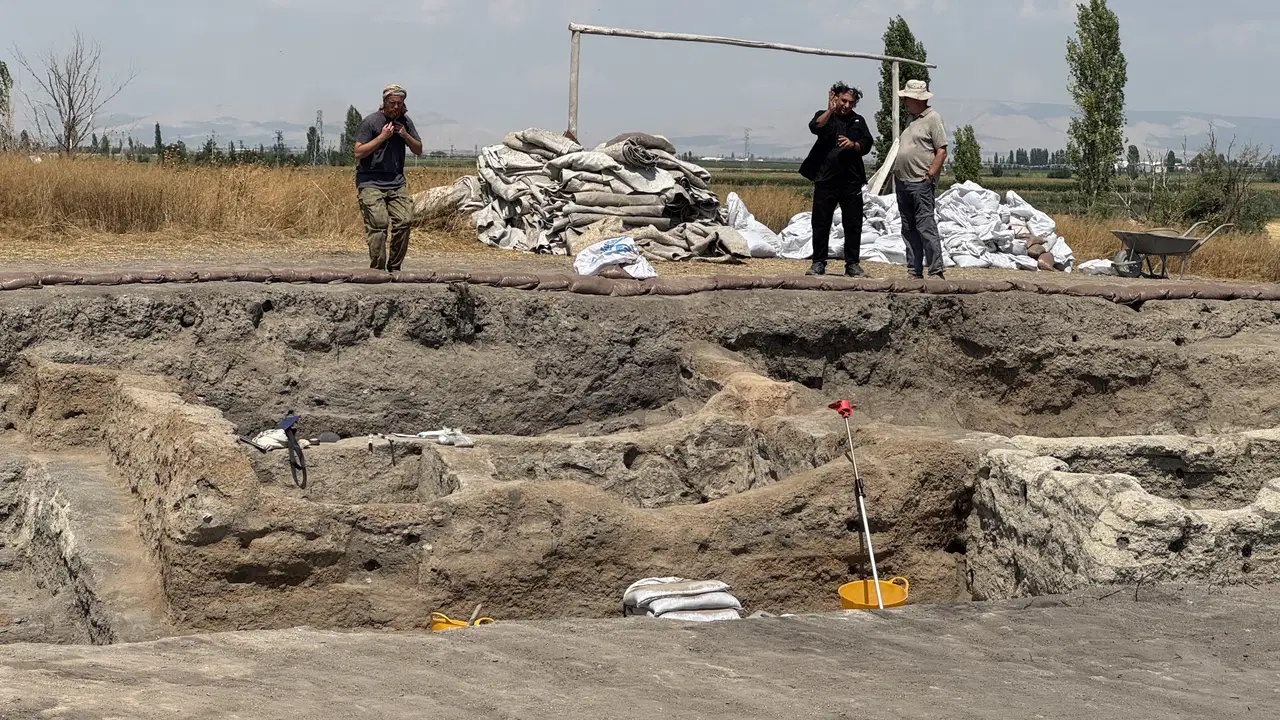
Eight Infant Skeletons Found Beside Çatalhöyük’s “House of the Dead” Raise a Neolithic Mystery
Eight infant skeletons found beside Çatalhöyük’s “House of the Dead” are raising new questions about how the Neolithic community treated its youngest dead. Preliminary examination indicates that none of the babies was older than about six months. Infant graves are not uncommon at Çatalhöyük, where generations buried their dead beneath floors and platforms. The new…
-
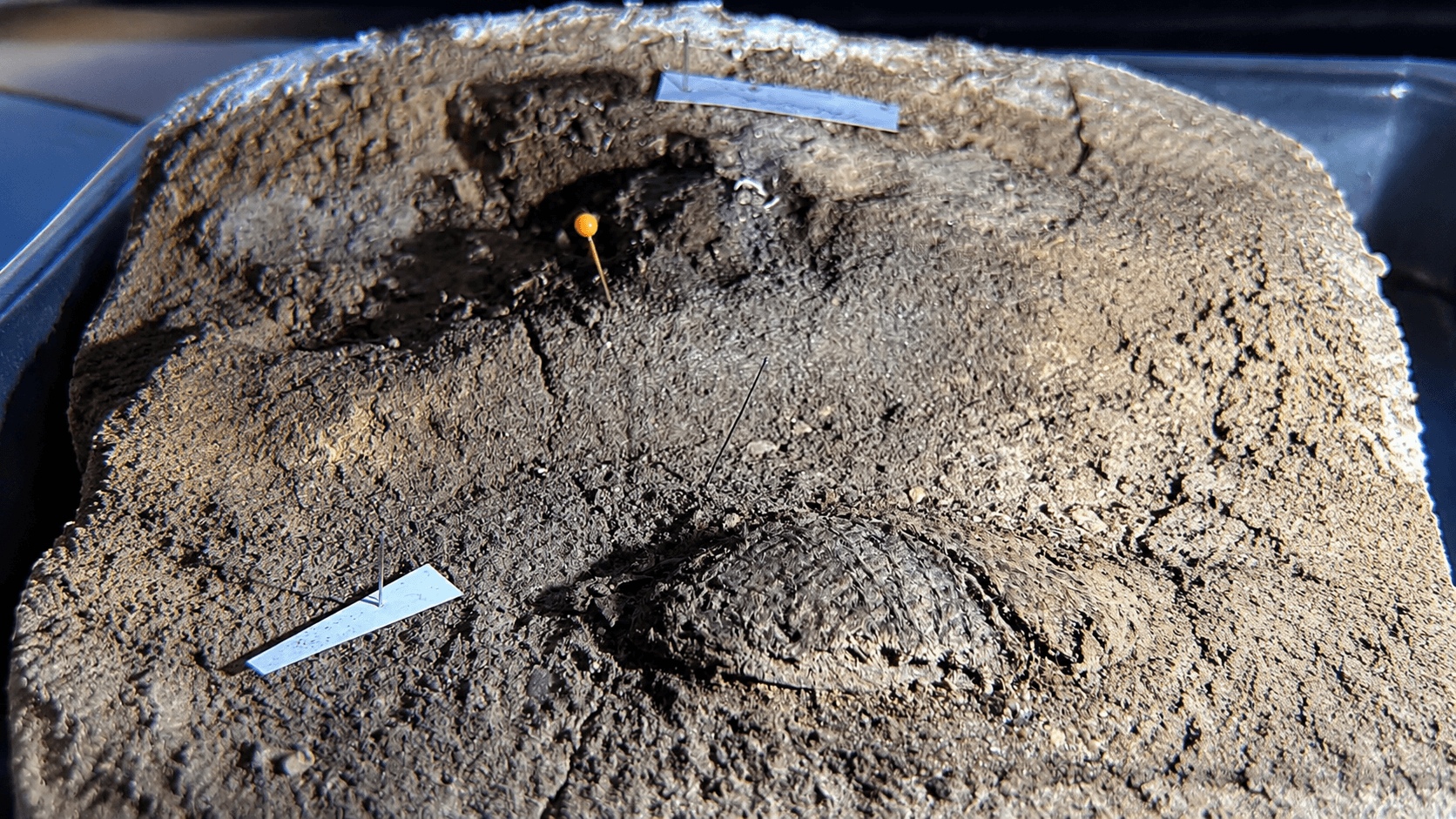
Repaired Viking Brooch Found with Rare 1,300-Year-Old Clothing in a Child’s Grave
A child buried in western Denmark during the Viking Age was laid to rest wearing two oval brooches that preserved fragments of wool and linen clothing. One of the brooches had been repaired before the burial, raising the possibility that it was already an old or valued possession. The grave was excavated in 2024 at…
-
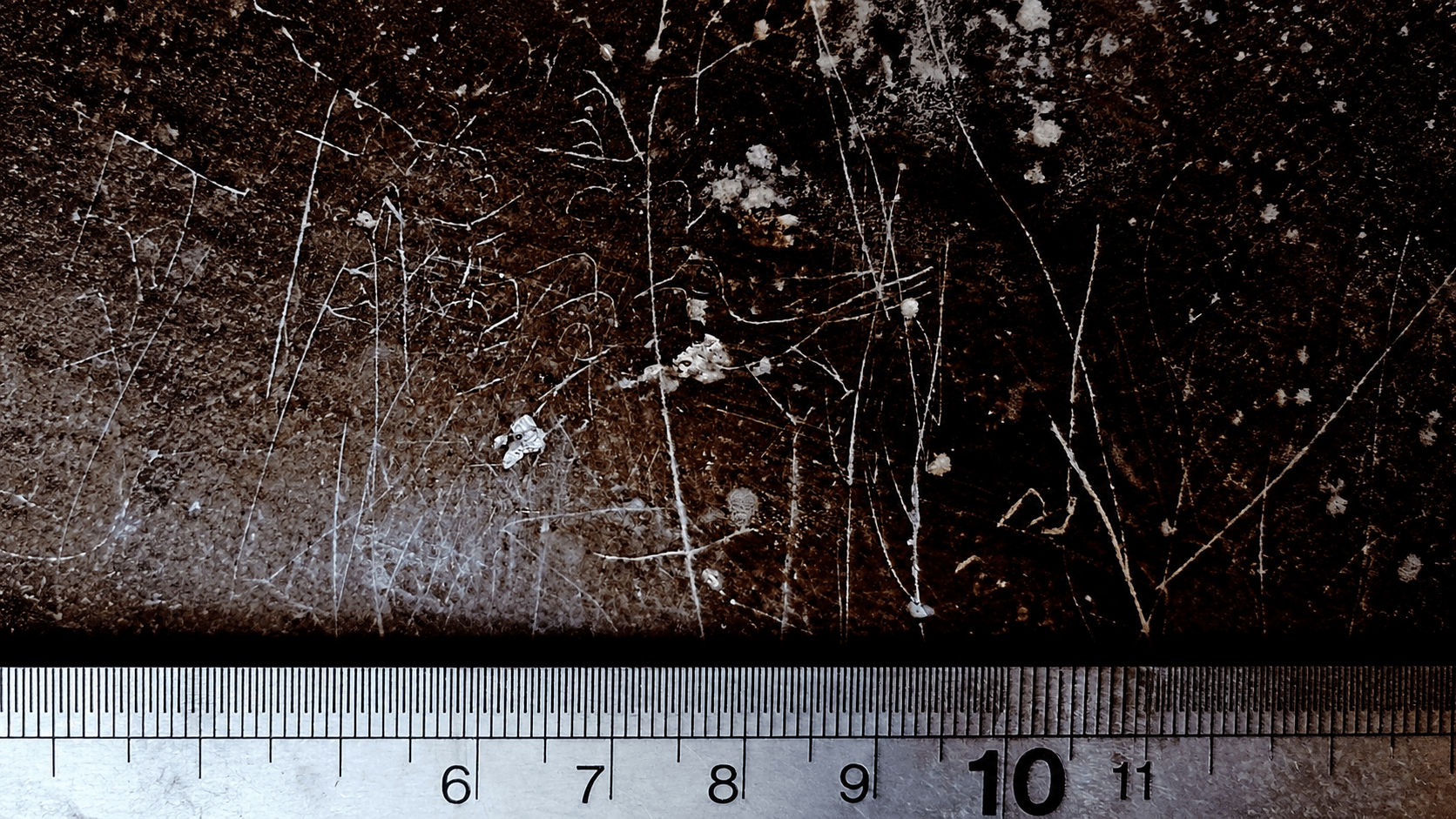
Tiny Sasanian Bird Carving Discovered Beside a Pahlavi Inscription in Iran
A tiny Sasanian bird carving discovered beside a Pahlavi inscription in southern Iran may offer a rare glimpse into religious ideas during the empire’s final centuries. The carving was documented in the Marvdasht plain of Fars Province, close to a Pahlavi inscription associated with the salvation and fate of the soul. At only 3 by…
-
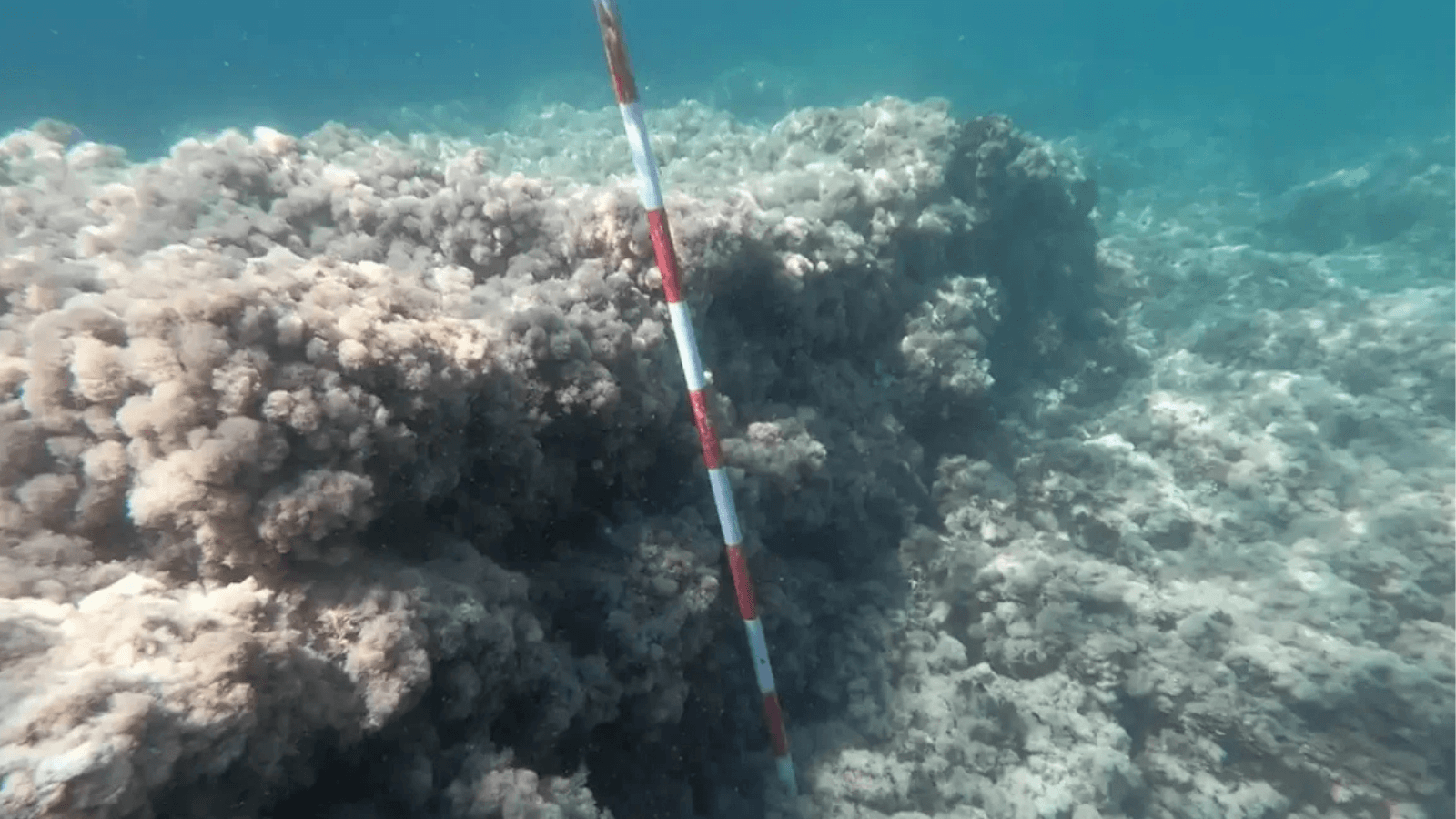
Submerged Etruscan Harbor Found Off Rome May Be the Oldest Known Linked to a Temple
Archaeologists surveying shallow waters north of Rome have identified a submerged Etruscan harbor that may once have carried sailors directly to a coastal sanctuary. The stone structure lies off Santa Marinella, about 90 meters from the modern shoreline and at an average depth of 1.5 meters. Its construction has been tentatively dated to between the…
-
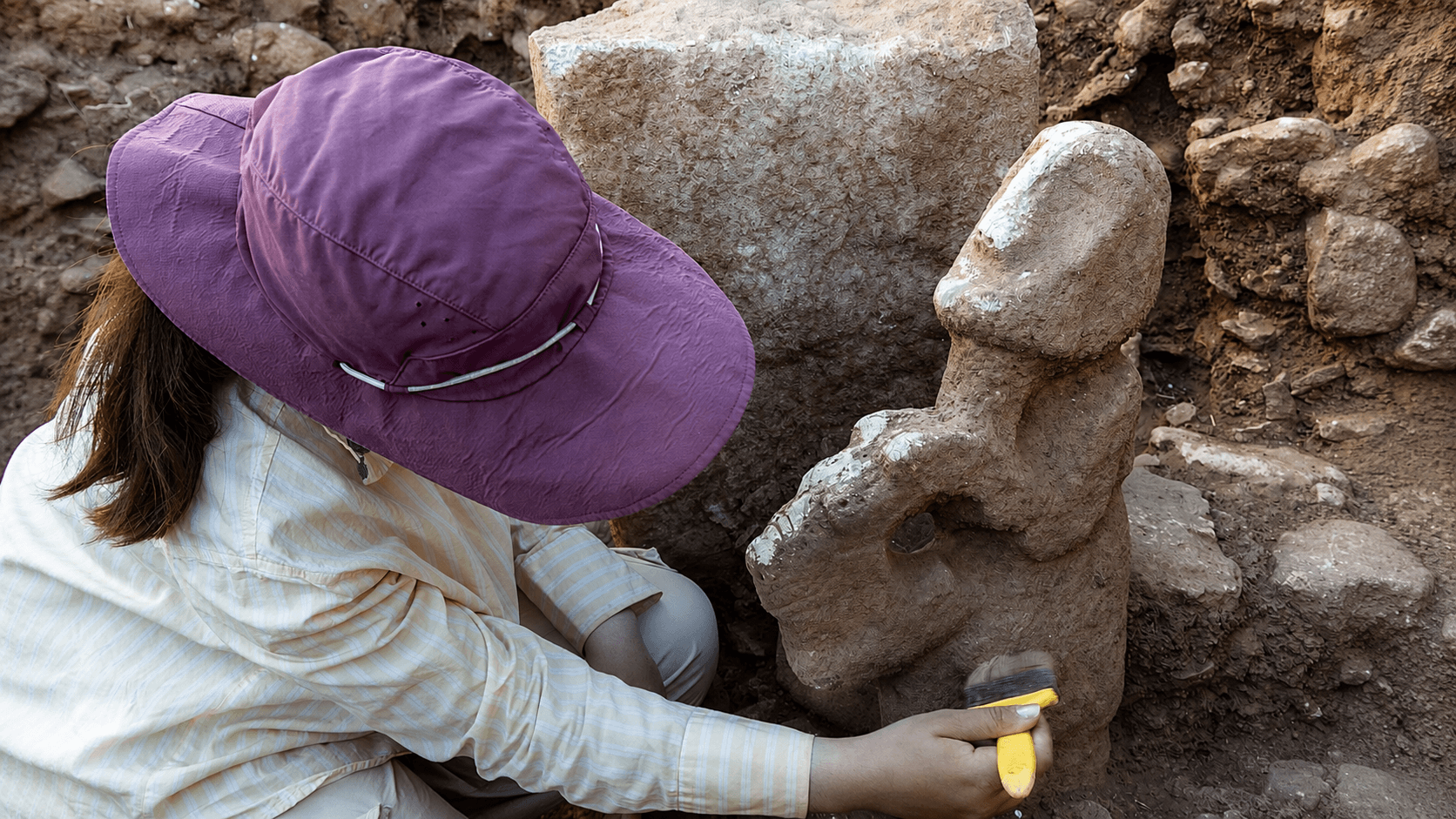
11,000-Year-Old “Leopard Rider” Found at Karahantepe Reverses an Earlier Neolithic Image
An 11,000-year-old “leopard rider” found at Karahantepe has reversed one of the Neolithic site’s strangest images. An earlier sculpture showed a human carrying a leopard; in the newly discovered composition, the predator bears the human. The 70-centimeter-tall stone sculpture was uncovered during the 2026 excavation season at Karahantepe, near Şanlıurfa in southeastern Türkiye. Archaeologists found…