-
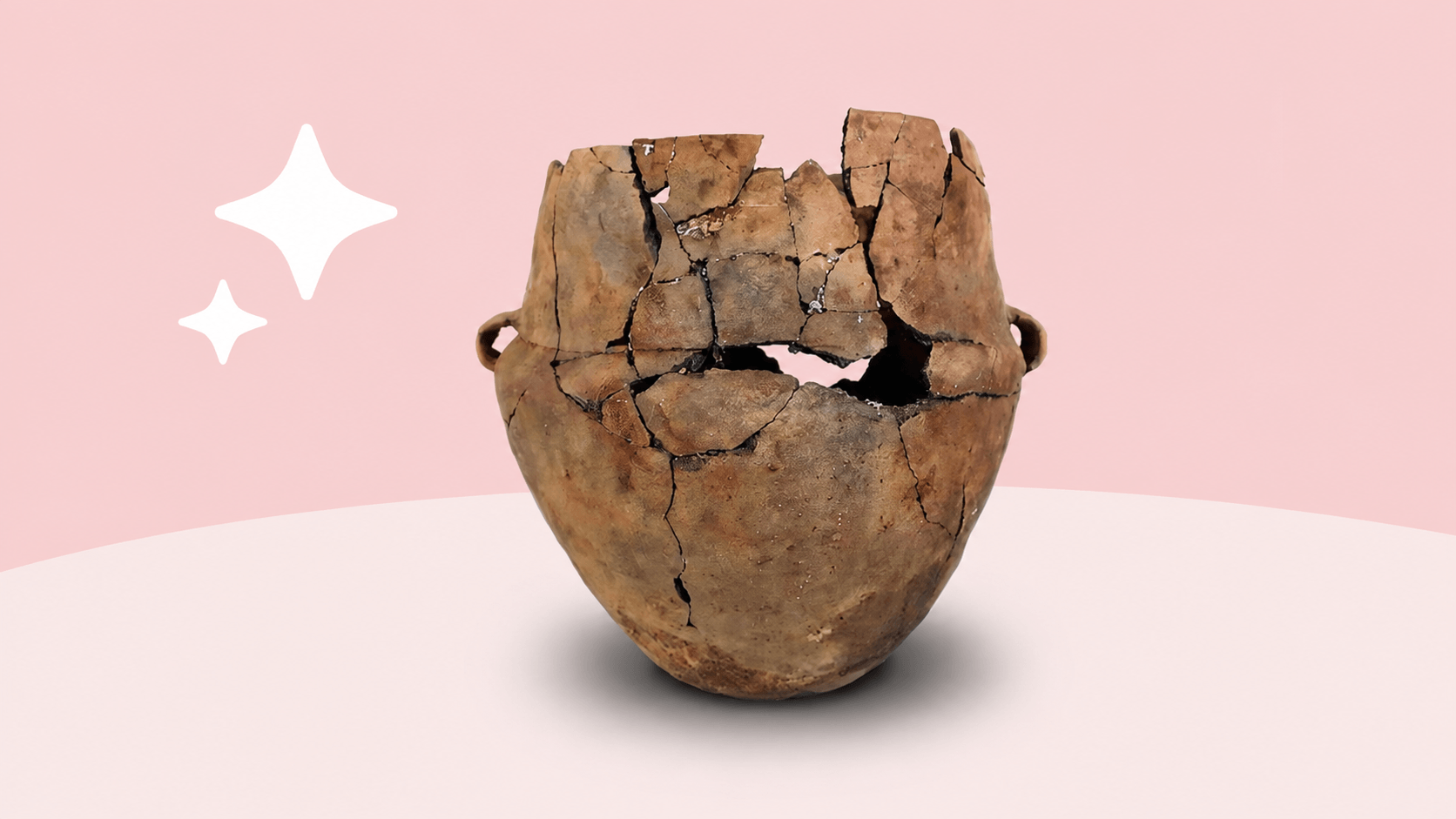
3,000-Year-Old Stone Grave Shaped Like a Ship Discovered in Sweden
Archaeologists in southern Sweden have uncovered a prehistoric burial site where stones were arranged to form the outline of a small ship. No actual vessel was found, but the approximately three-metre-long stone setting contained one of four remarkably well-preserved cremation urns recovered at the site. The burial complex was discovered near Domsten, north of Helsingborg,…
-
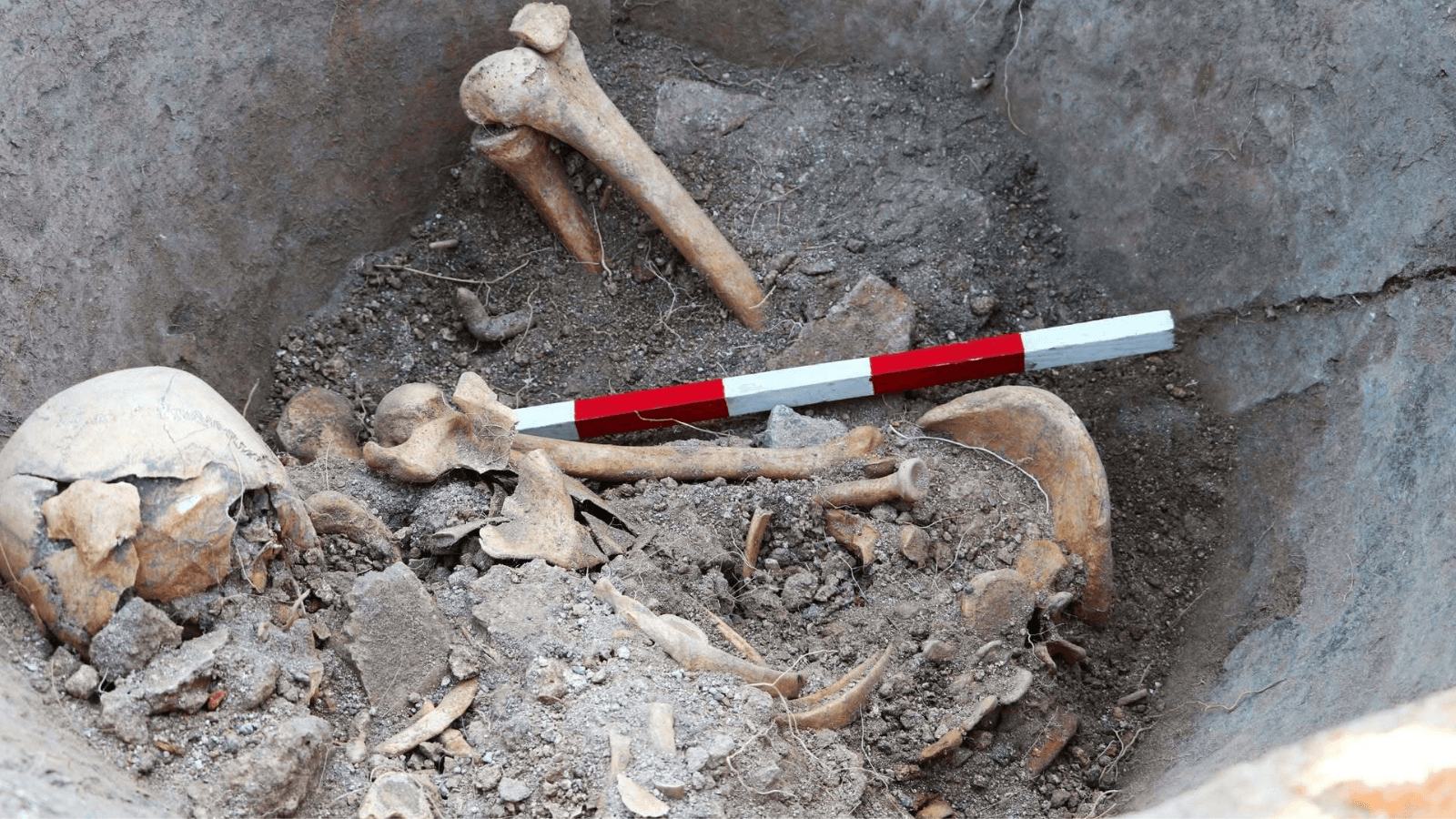
1,600-Year-Old Skeleton Found Curled Inside a Giant Roman Jar in Bulgaria
Archaeologists excavating the Roman city of Deultum in Bulgaria have uncovered a 1,600-year-old skeleton inside a giant ceramic storage vessel. The individual may have climbed into the jar as fire and violence engulfed the city—then died without attempting to escape. The remains were discovered on August 10 in the northern tower of Deultum’s western gate,…
-
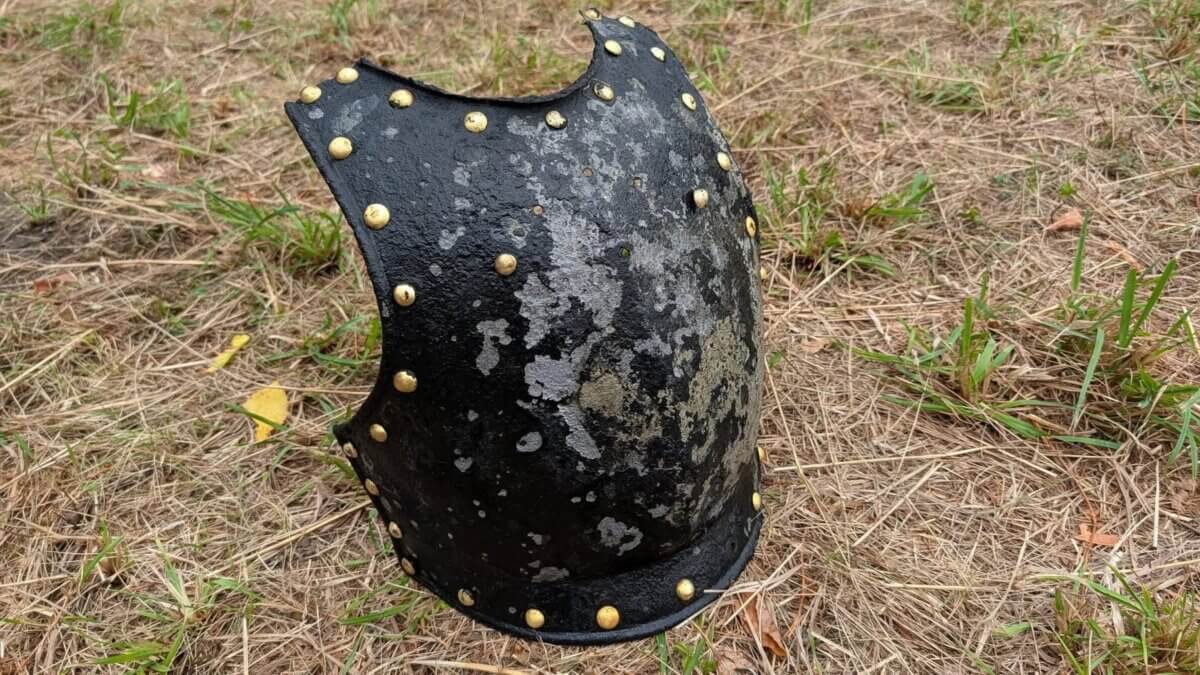
19th-Century Cavalry Armour Emerges from the Moat of the Palace Where Napoleon Made His “Greatest Mistake”
A 19th-century cavalry breastplate has emerged from the mud-filled moat of Pielaszkowice Palace in southwestern Poland, a residence closely associated with the armistice that Napoleon Bonaparte later regarded as one of the greatest mistakes of his life. The metal armour was discovered by Wiesław Andrysiak of the DRACO History Explorers Association, who reportedly sank waist-deep…
-
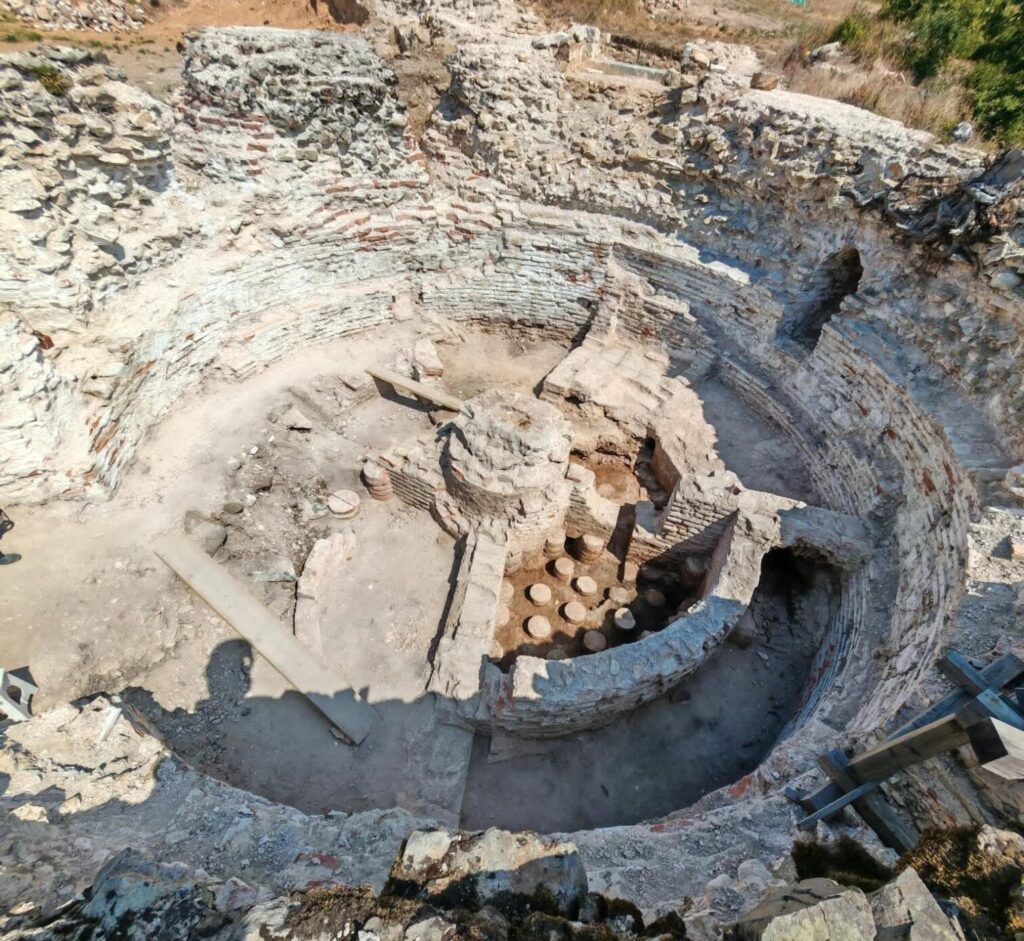
A Roman Palace Tower in Serbia Was Hiding a Unique Imperial Bath
Archaeologists at Vrelo–Šarkamen in eastern Serbia have uncovered a remarkably preserved Roman imperial bath built into the lowest level of a monumental palace tower. The circular balneum belonged to a fortified residence associated with the Roman tetrarch Maximinus Daia, and the excavation team says no direct parallel for this architectural arrangement is currently known elsewhere…
-
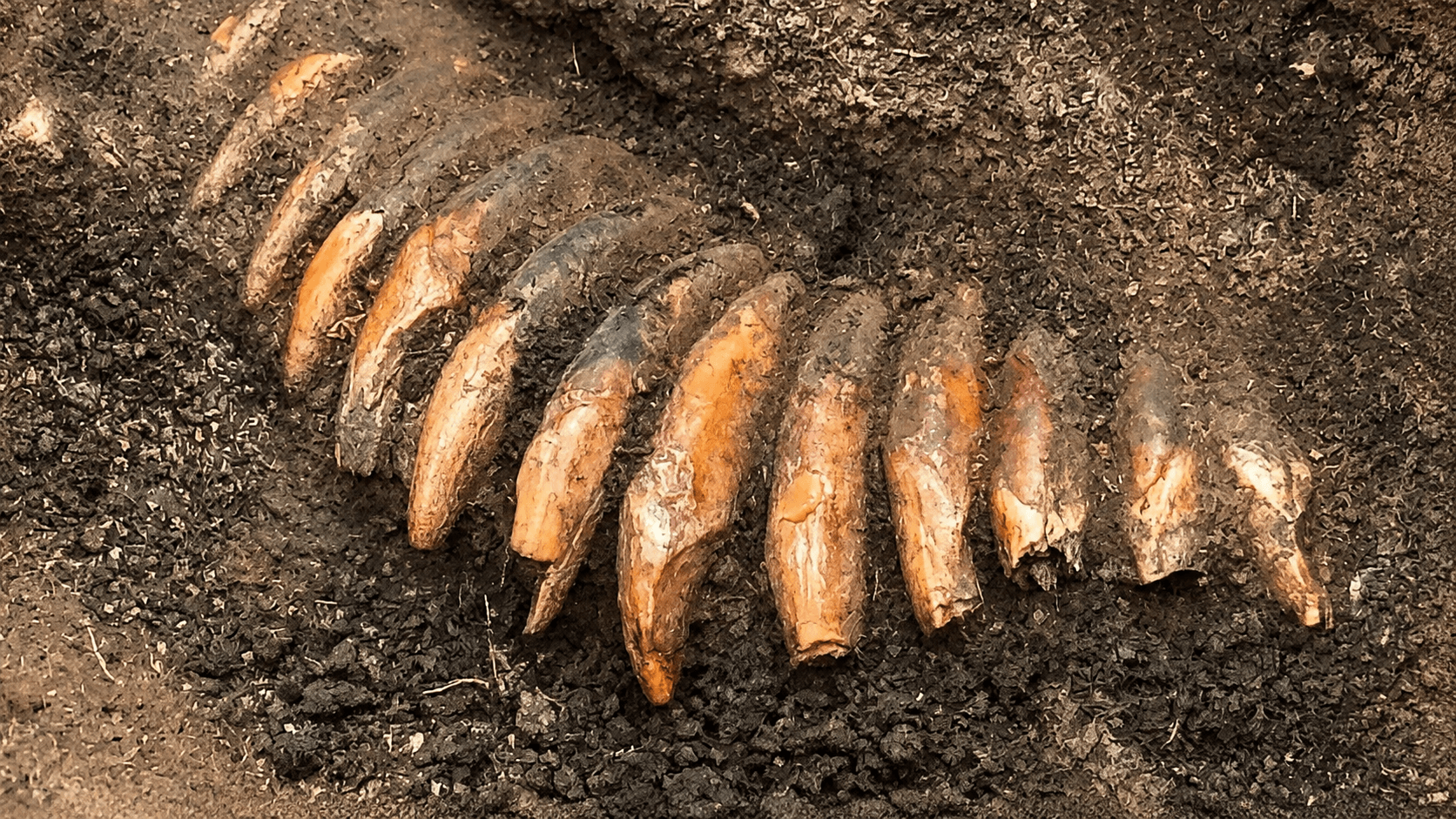
Archaeologists in Poland Found a 5,000-Year-Old Necklace of 42 Teeth—Then They Dug Deeper
Archaeologists preparing to close an excavation near Wrocław, Poland, noticed a circular mark in the soil that did not belong to the 1,600-year-old cemetery they had been investigating. At its center, they uncovered 42 carefully arranged teeth, each drilled through the root to form a necklace approximately 5,000 years ago. Beneath the necklace, the excavation…
-
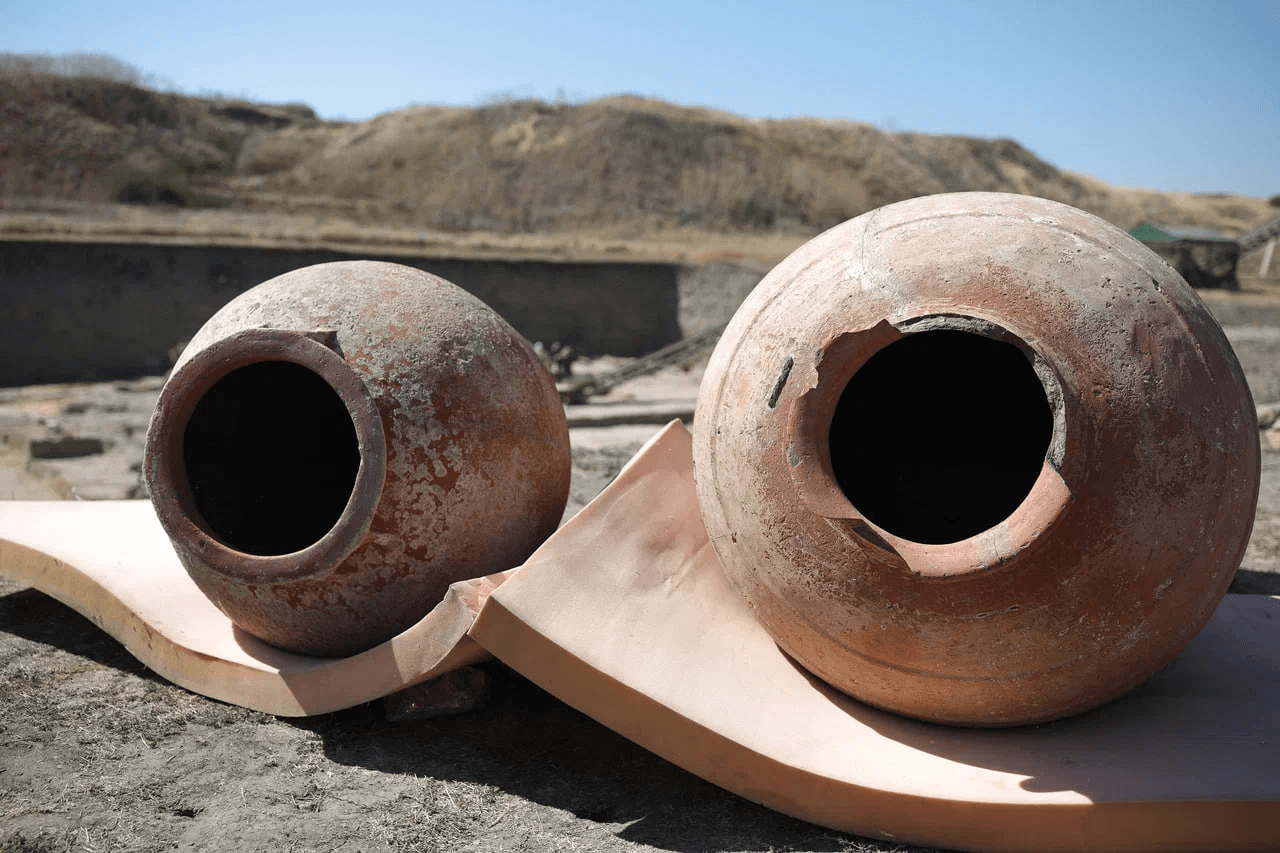
A Vast Ancient Wine-Producing District Emerges at Phanagoria on the Black Sea
Archaeologists excavating the ancient city of Phanagoria have uncovered an extensive wine-producing district dating to the first centuries AD. Five wineries, dozens of large fermentation vessels and nearby commercial buildings point to production on a scale far beyond the needs of individual households. The discovery was announced following the 2026 excavation season at Phanagoria, on…
-
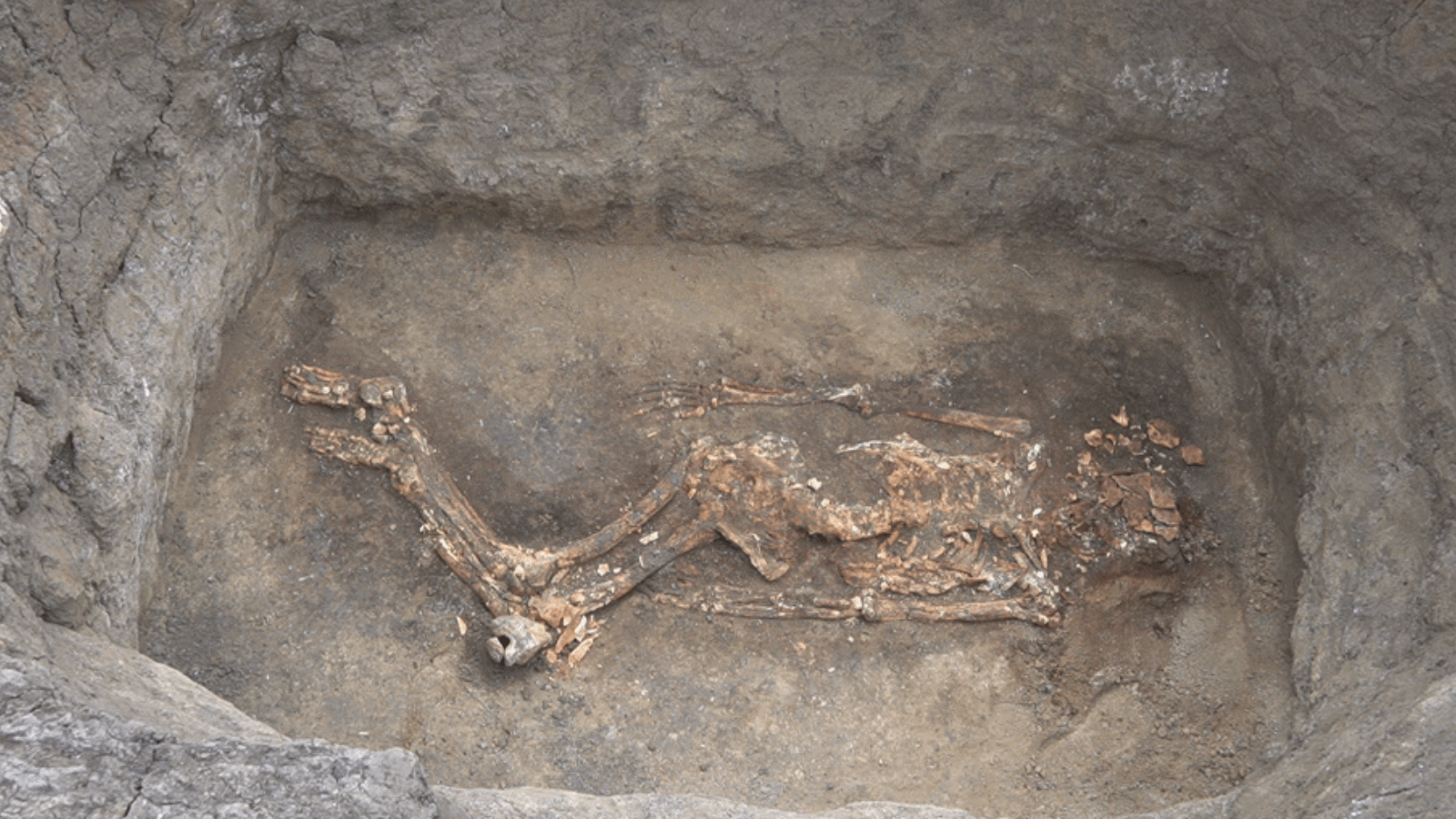
Archaeologists Find Blue Pigment on a 5,000-Year-Old Skeleton in Bulgaria
Archaeologists excavating a burial mound in northeastern Bulgaria have found traces of blue pigment on a skeleton dating back approximately 5,000 years. The central grave has been linked to the Yamnaya culture, whose funerary traditions are commonly associated with red ochre rather than blue coloring. The burial was uncovered inside the so-called Great Mound near…
-
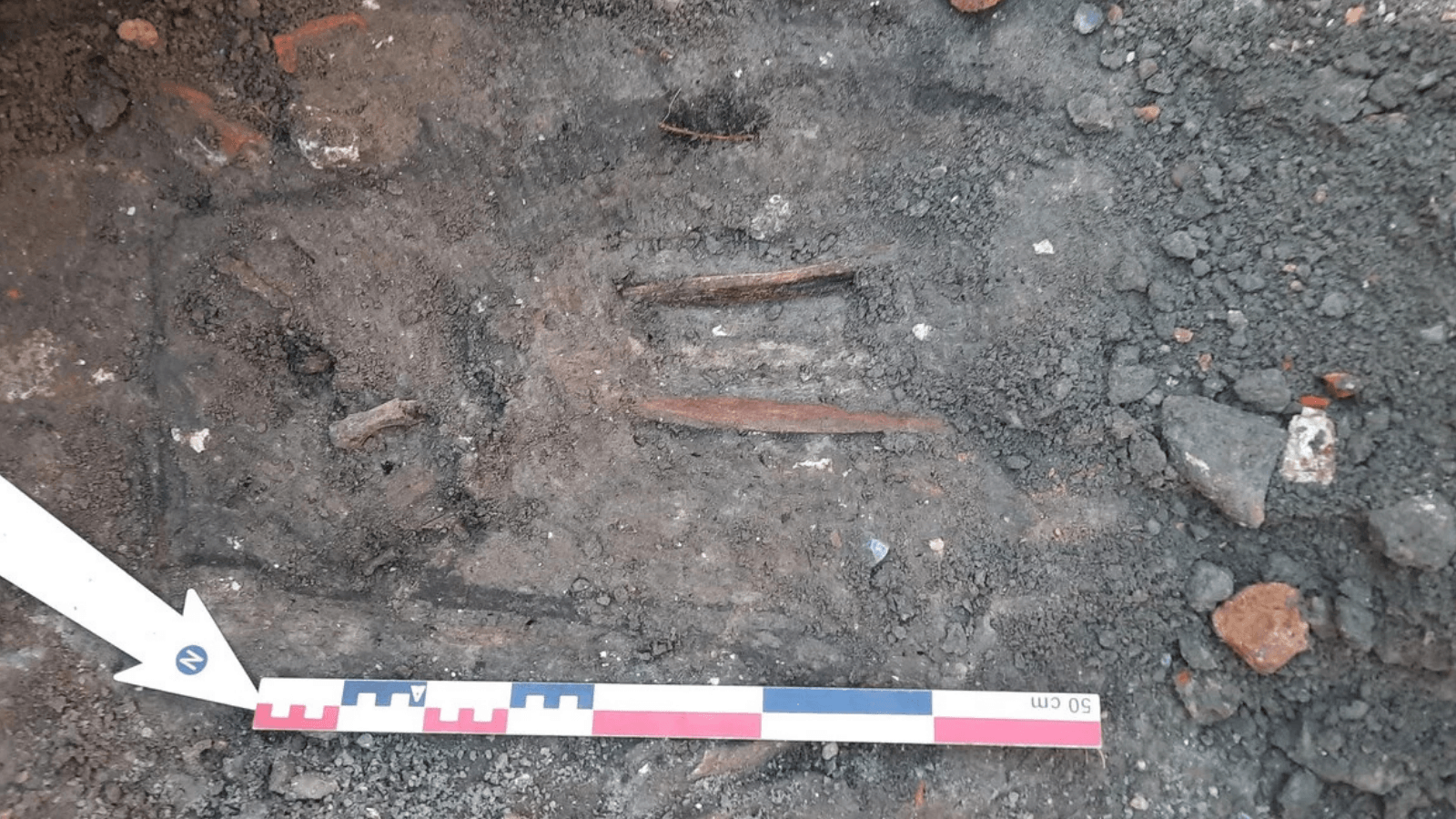
Archaeologists Open a Small Test Pit in Ghent and Find Five Layers of Medieval Burials
A two-square-metre test pit opened beside St James’ Church in Ghent has exposed four well-preserved burials at a depth of 1.3 metres. Further investigation indicates that five burial levels lie beneath this small section of the Vlasmarkt, where archaeologists estimate the remains of at least 240 people may survive within an area of just 23…
-
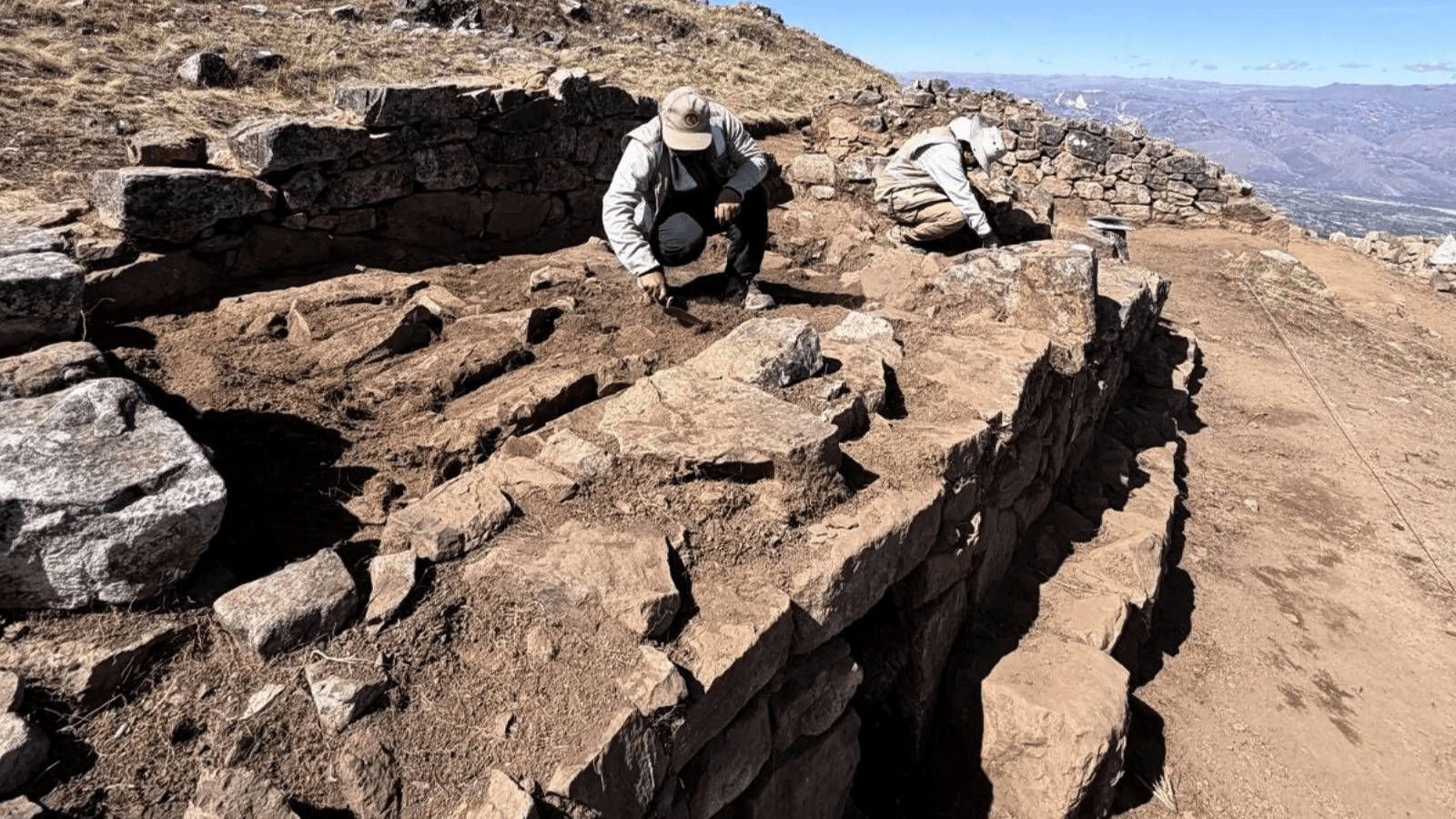
12 Possible Inca Storehouses Discovered in Peru’s Andes with a Wind-Powered Ventilation System
Archaeologists working at 3,400 metres above sea level in northern Peru have uncovered 12 circular structures believed to be Inca storehouses, alongside a separate building fitted with two stone ventilation ducts. The finds suggest that the cold winds sweeping across the summit may have formed part of the storage system itself. The structures were excavated…