-
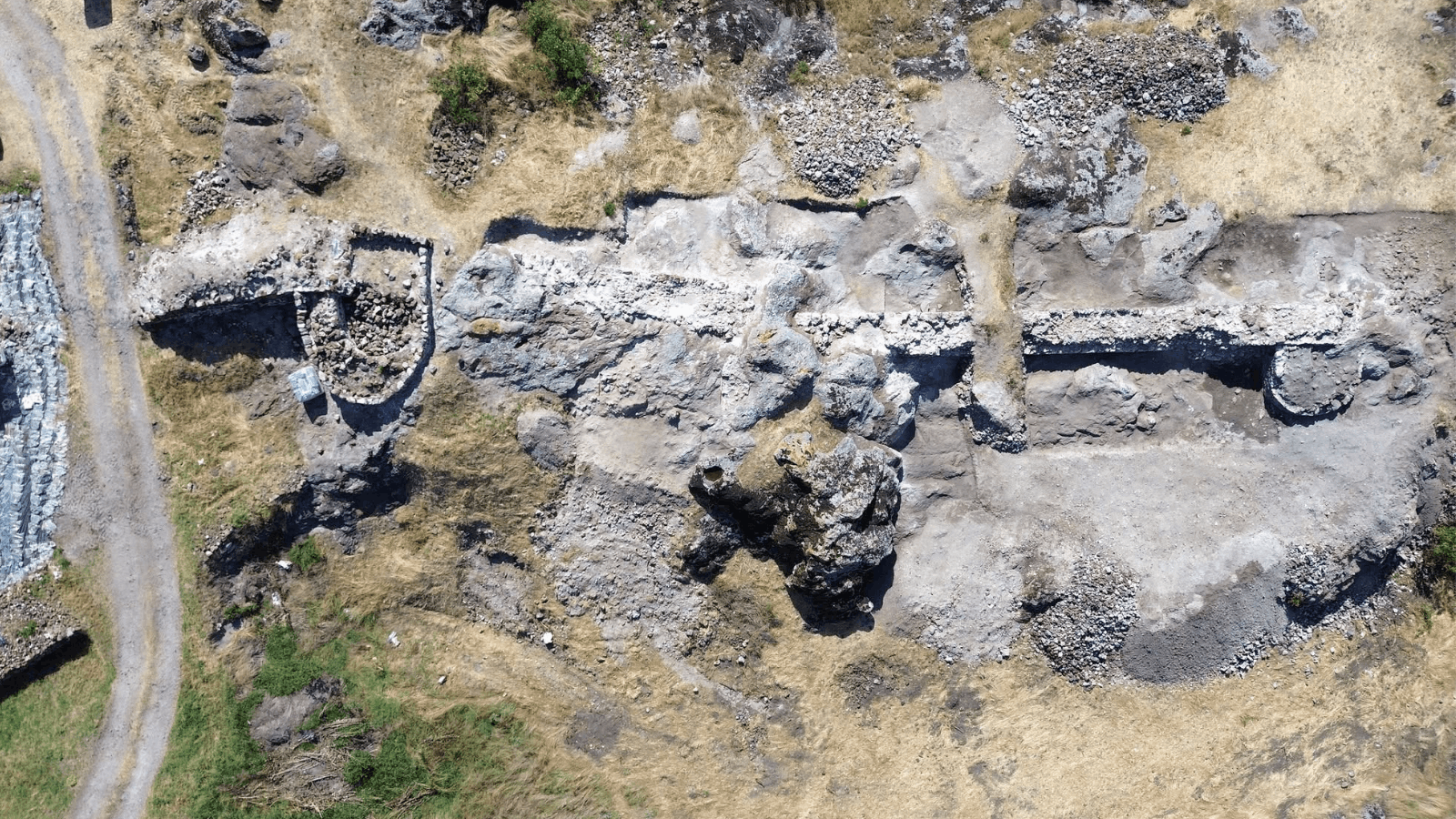
Two Towers and 18 Arrowheads Reveal Signs of Fighting at Rusokastro Fortress
Archaeologists investigating Rusokastro Fortress in southeastern Bulgaria have uncovered two previously unknown defensive towers and 18 iron projectile points concentrated beside the medieval walls. Several of the points were bent after striking stone, offering physical evidence of fighting around this part of the fortress. The discovery was announced by the Regional Historical Museum – Burgas,…
-
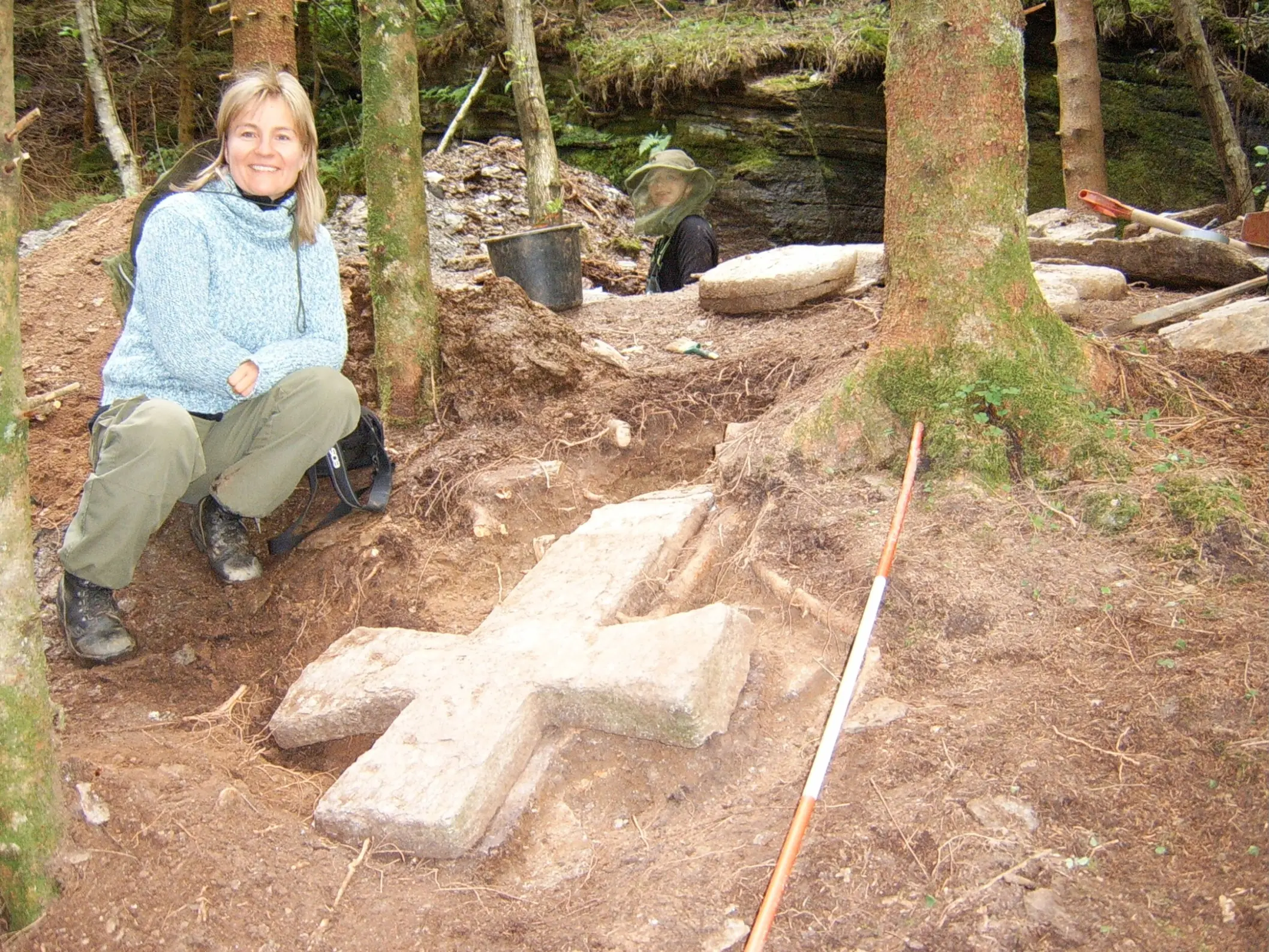
A Waste Heap at a Norwegian Quarry Hid Seven Medieval Stone Crosses
A heap of broken stone at Hyllestad in western Norway concealed more than ordinary quarry waste. Buried among the debris were fragments of seven medieval stone crosses, including pieces from monuments that may once have stood several metres high. The discovery was made in 2008 during an excavation led by University of Bergen archaeologist Irene…
-
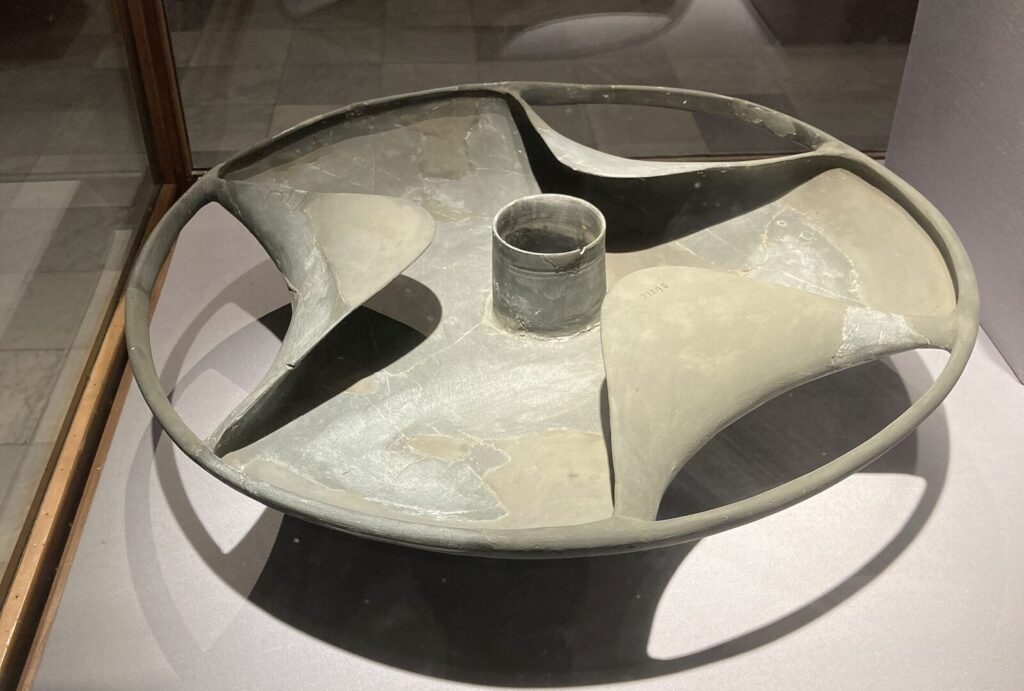
Egypt’s 5,000-Year-Old Sabu Disk Still Defies a Clear Explanation
The Sabu Disk was carved in Egypt more than 5,000 years ago, yet its original purpose remains unknown. With its broad circular body, three curved lobes and raised central opening, the stone object has no securely identified parallel from the same period. Its unusual geometry has led to comparisons with propellers, turbines and mechanical rotors.…
-
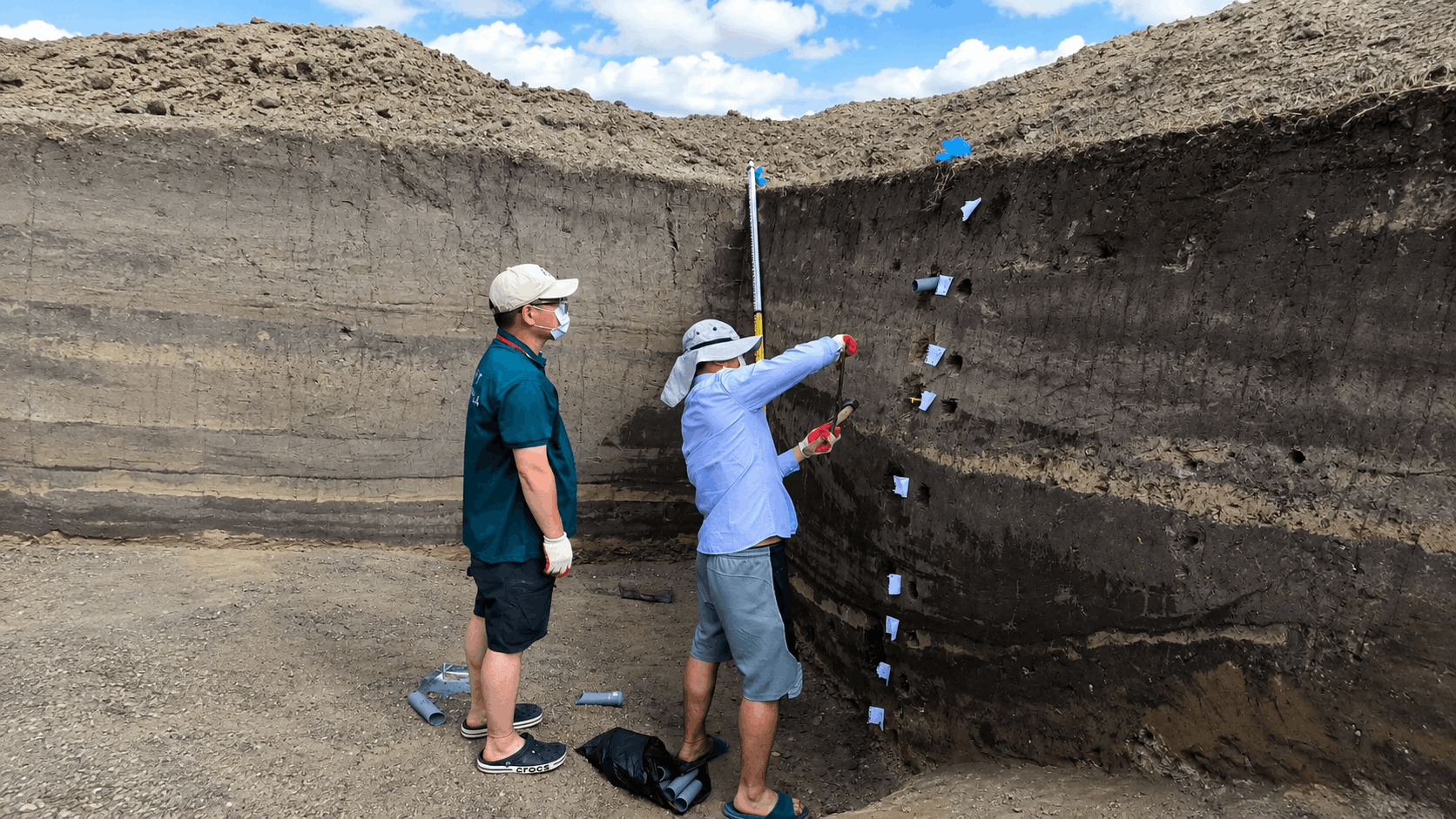
Archaeologists Uncover a 2.5-Meter-Deep Ditch at the Uyghur Khaganate’s Northern Capital
Archaeologists excavating Bay-Balyk in Mongolia have uncovered new details of the defenses that protected one of the principal cities of the Uyghur Khaganate more than 1,100 years ago. A trench opened beside the western citadel revealed a fortification wall measuring up to five meters wide. Along its outer side, researchers documented a ditch extending 2.5…
-
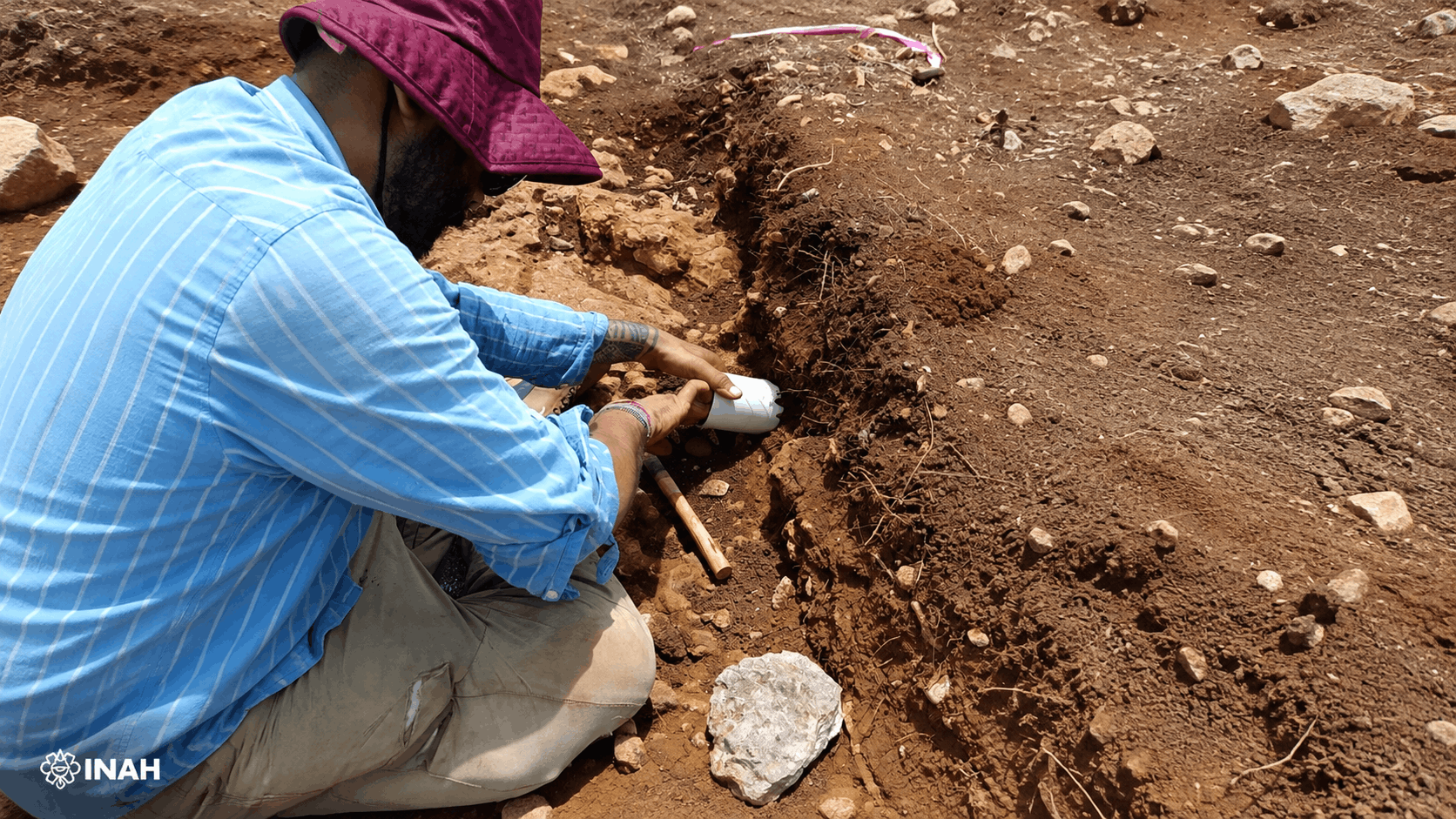
LiDAR Reveals How Ancient Maya Households May Have Managed Rainwater
Ancient Maya families in the northern Yucatán Peninsula may have positioned their homes to take advantage of natural slopes, allowing rainfall to flow toward open land used for cultivation. The possibility has emerged from a study led by archaeologist Carlos Matos Llanes and announced by Mexico’s National Institute of Anthropology and History (INAH). Researchers are…
-
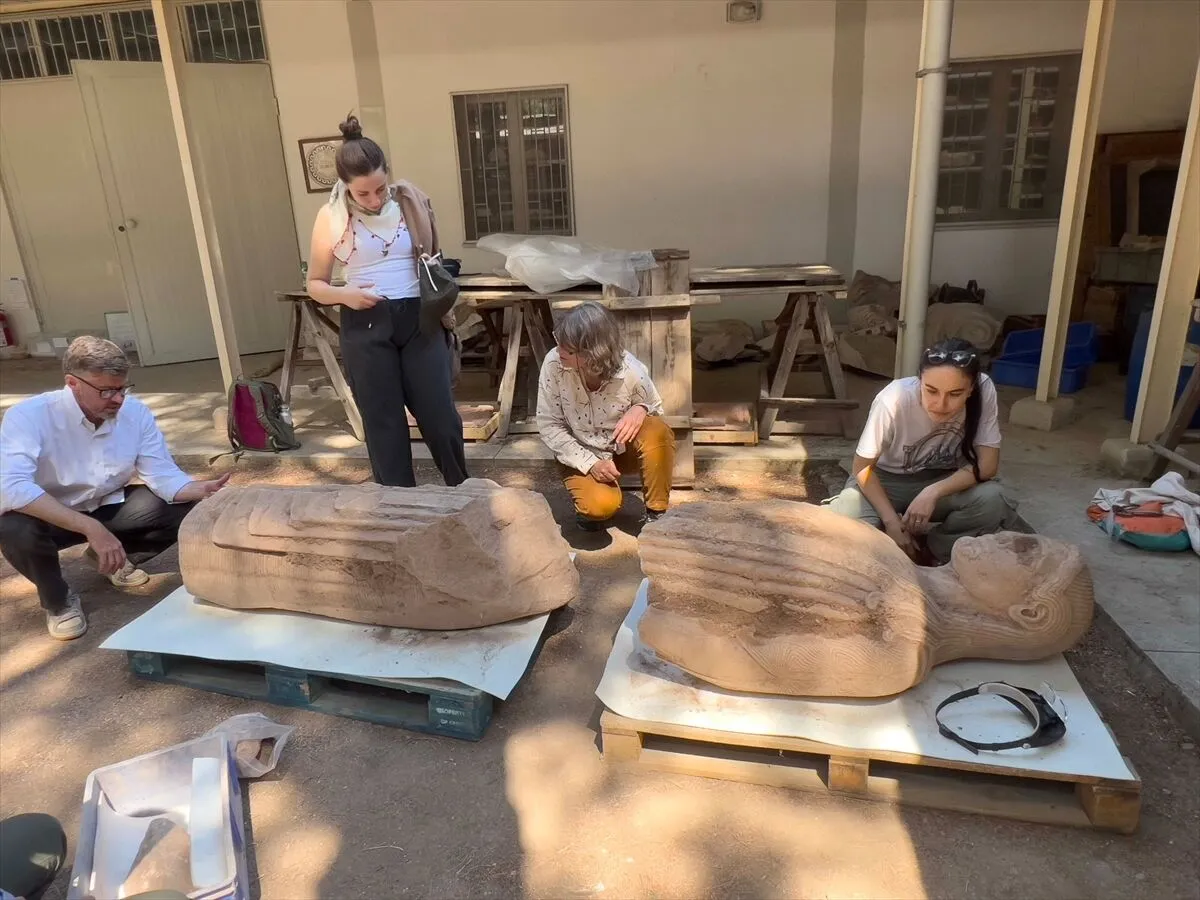
A 2,500-Year-Old Statue of a Long-Haired Young Man Emerges from Beneath a Roman Street at Sardis
Roman builders at Sardis once laid a monumental marble statue face down beneath a colonnaded street. Centuries later, that act of reuse helped preserve the young man’s face, long hair and clothing in remarkable detail. The statue was uncovered during excavations at the ancient city in western Türkiye’s Manisa Province. Türkiye’s Ministry of Culture and…
-
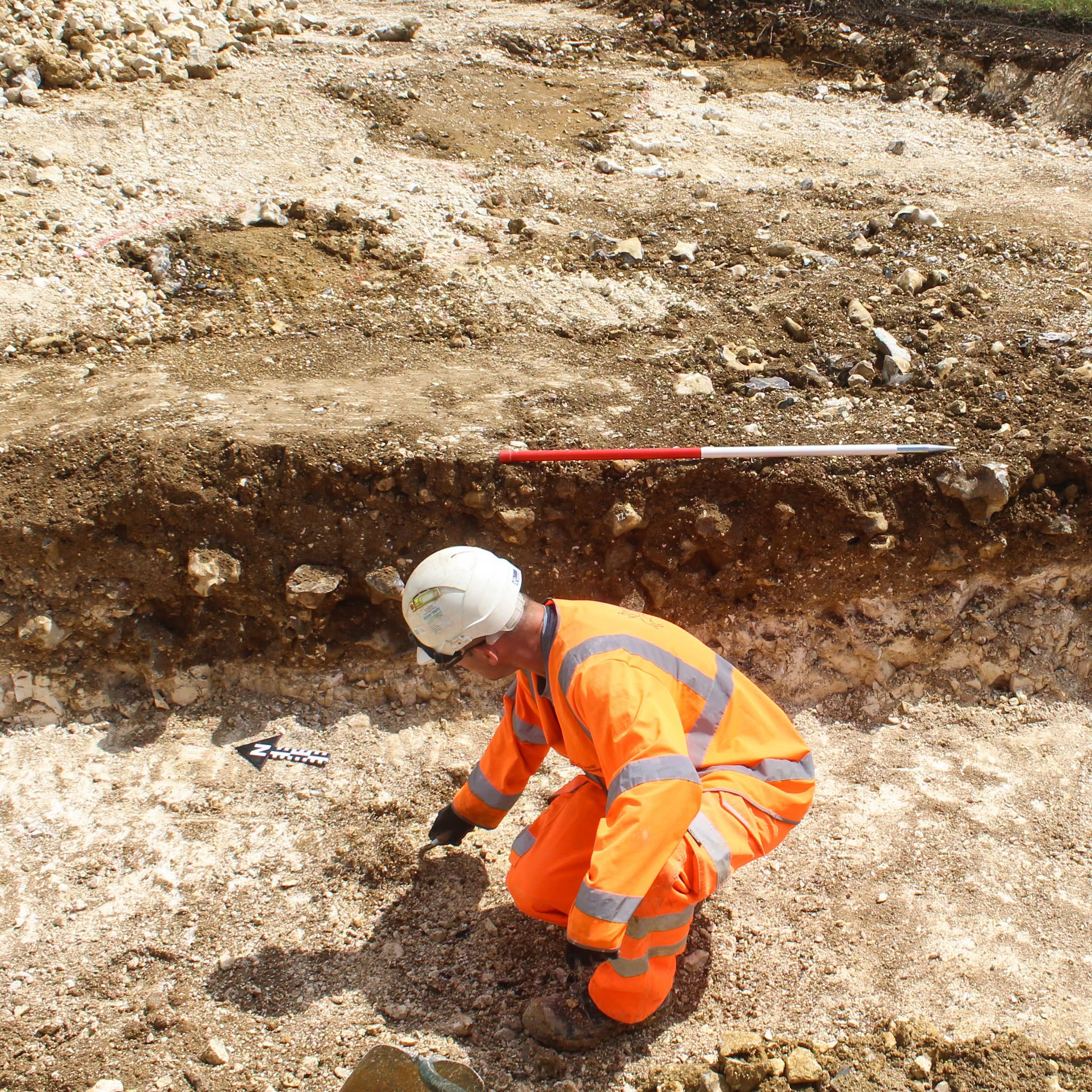
Iron Age Britons Used Slag-Tapping Furnaces Before the Roman Conquest
Radiocarbon dates from an iron-production site in Kent suggest that British metalworkers were draining molten slag from their furnaces before the Roman conquest of AD 43. The evidence comes from excavations at Junction 5 of the M2 motorway, where archaeologists uncovered furnaces and waste left behind by iron smelting. Some of the slag shows that…
-
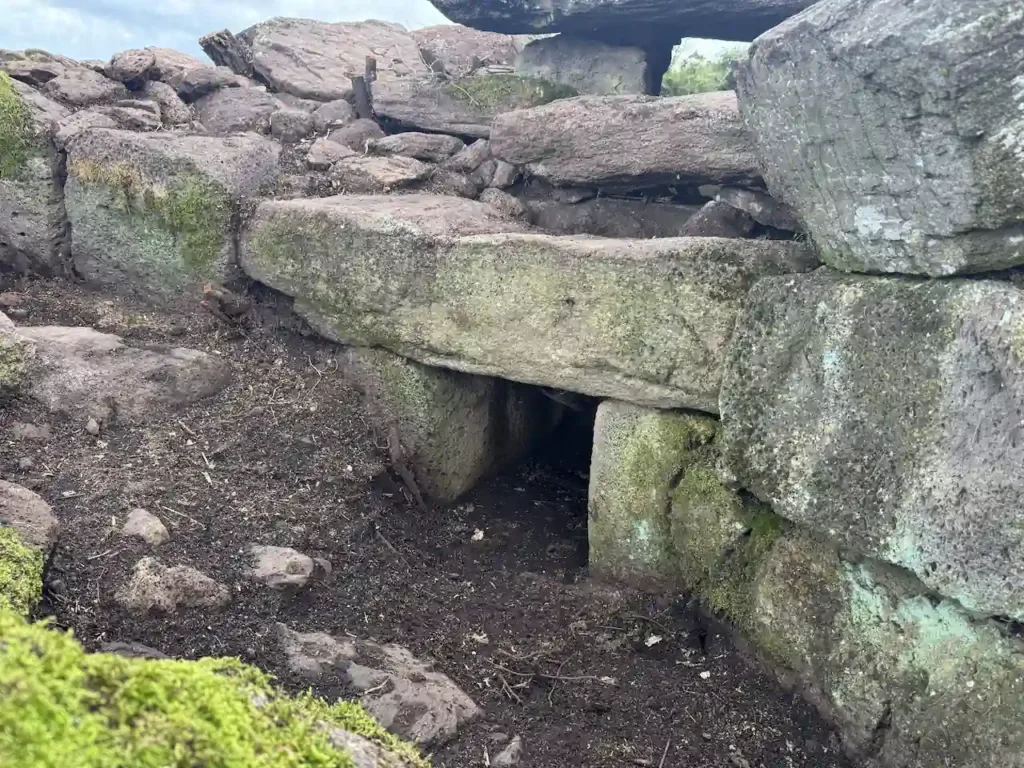
Rare Two-Level “Giants’ Tomb” Found in Sardinia’s Nuragic Landscape
Carrarzu Iddia was already known as one of central Sardinia’s unusually dense archaeological landscapes. Two early nuraghi, traces of a settlement, a sacred well and a much older dolmen survive within a relatively small area near Bortigali. Archaeologists have now added a rare Giants’ Tomb to that list. The well-preserved collective burial monument was uncovered…
-
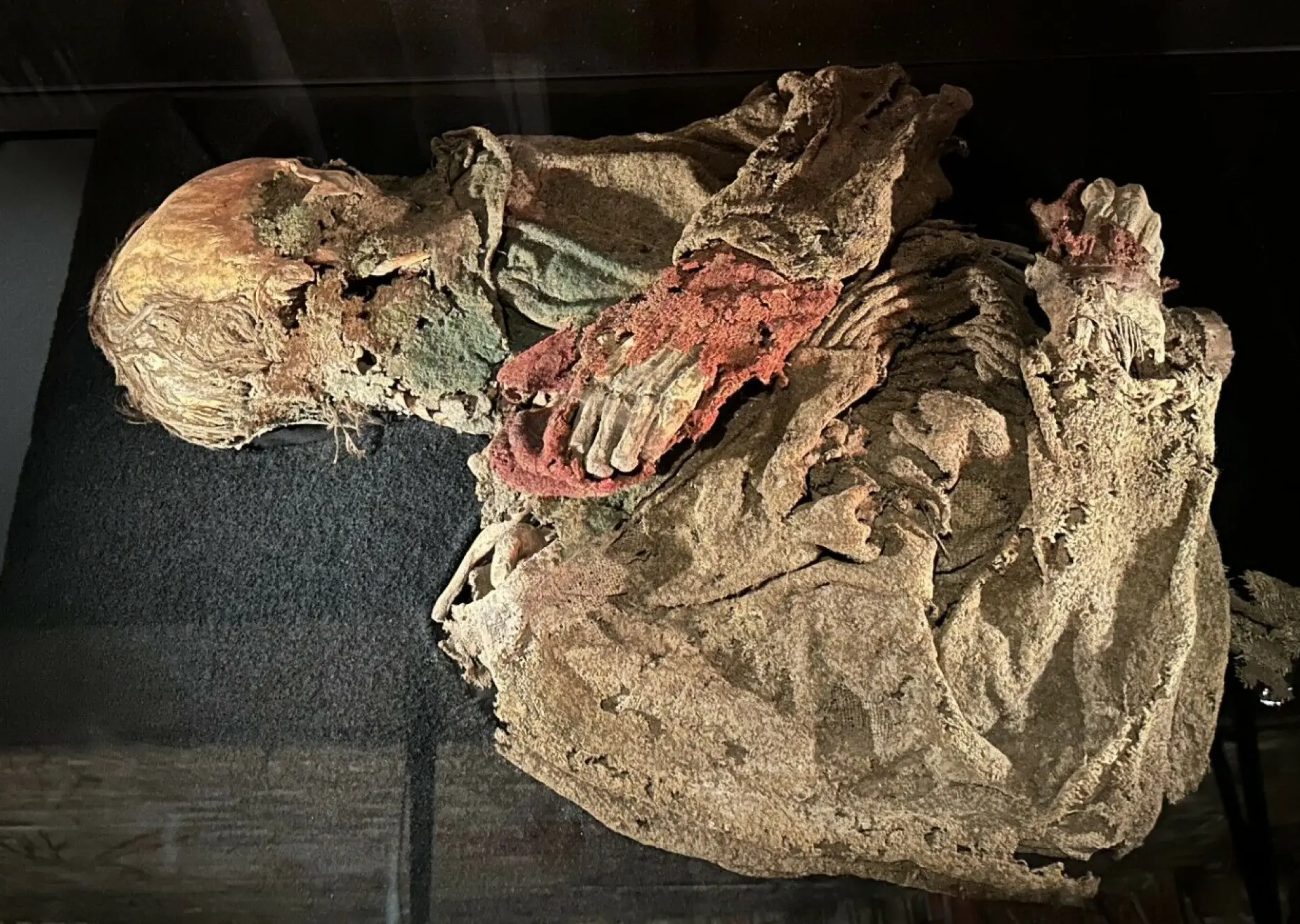
Why Were Four Girls Buried Beneath a Medieval Norwegian Church Wearing Red Mittens?
Two children and two teenage girls were laid together in a shallow grave beneath the floor of Uvdal Stave Church in Norway. Their faces, hands and feet were covered, while red woollen mittens had been sewn onto their sleeves. No written record identifies them or explains why all four received the same unusual burial treatment.…