-
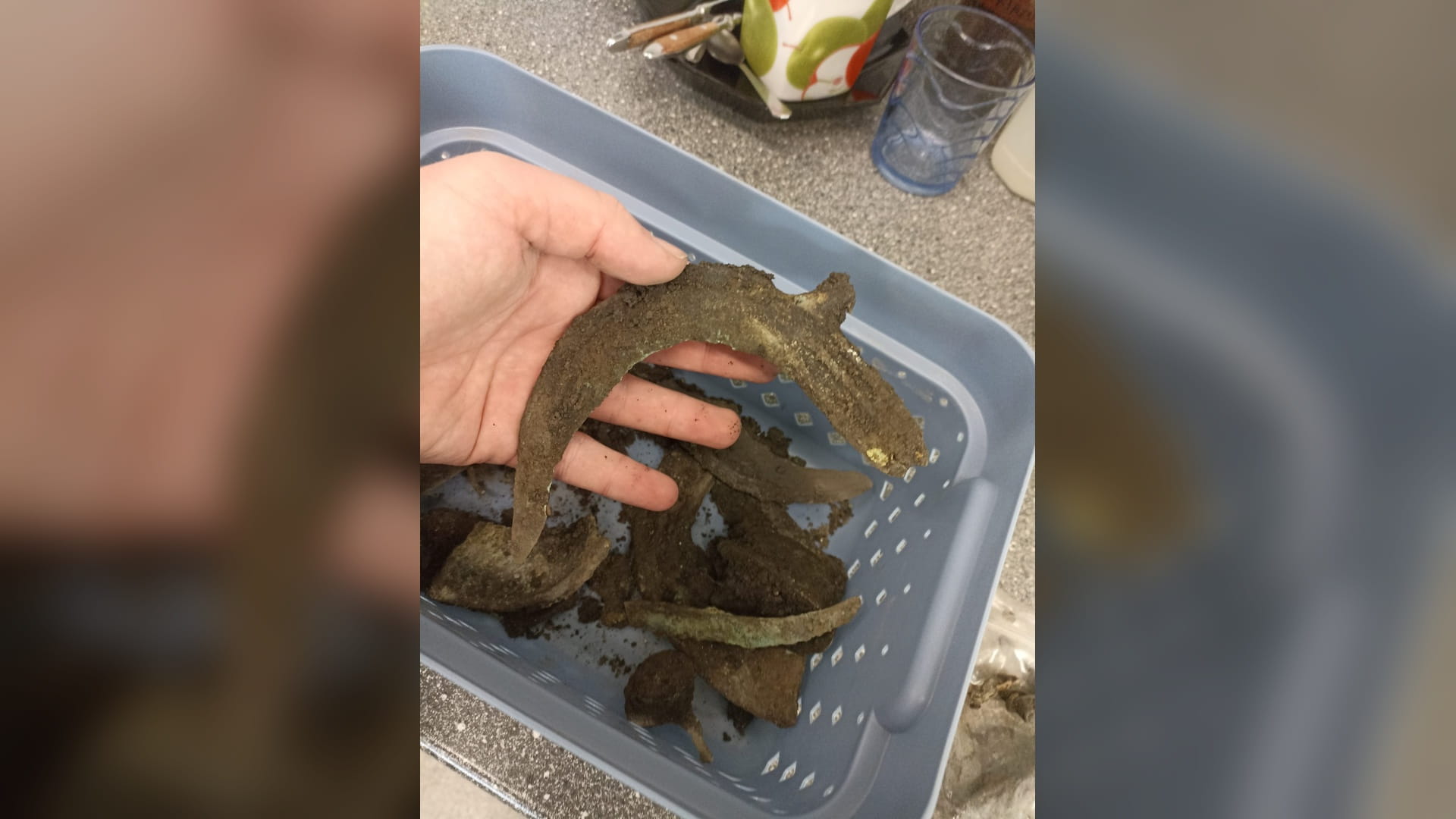
Archaeologists Find 3,000-Year-Old Hoard of Deliberately Broken Bronze Tools in Czech Wetland
Archaeologists near Kojetín in the Czech Republic have discovered a hoard of bronze tools that were used, deliberately damaged and then deposited in a wetland more than 3,000 years ago. The find includes nine bronze sickles, part of a sword blade, fragments of ornaments, three metal ingots and two unfinished objects. Researchers believe the assemblage…
-

A 3,200-Year-Old Hittite Tablet Preserved a Language No One Knew Existe
A Hittite scribe working more than 3,000 years ago copied a ritual that included words from a language other than Hittite. Those few lines remain the only known written example of Kalašma, a language once spoken somewhere northwest of the Hittite capital. Before the tablet was identified, Kalašma was known only as the name of…
-

2,400-Year-Old Shipwreck with Up to 650 Amphorae Discovered off Andros
Greek underwater archaeologists have documented the remains of an ancient merchant ship carrying as many as 650 transport amphorae off the island of Andros. The vessel sank between the late fifth and early fourth centuries BC, leaving behind a dense concentration of ceramic containers at a depth of between 39 and 44 metres. The discovery…
-
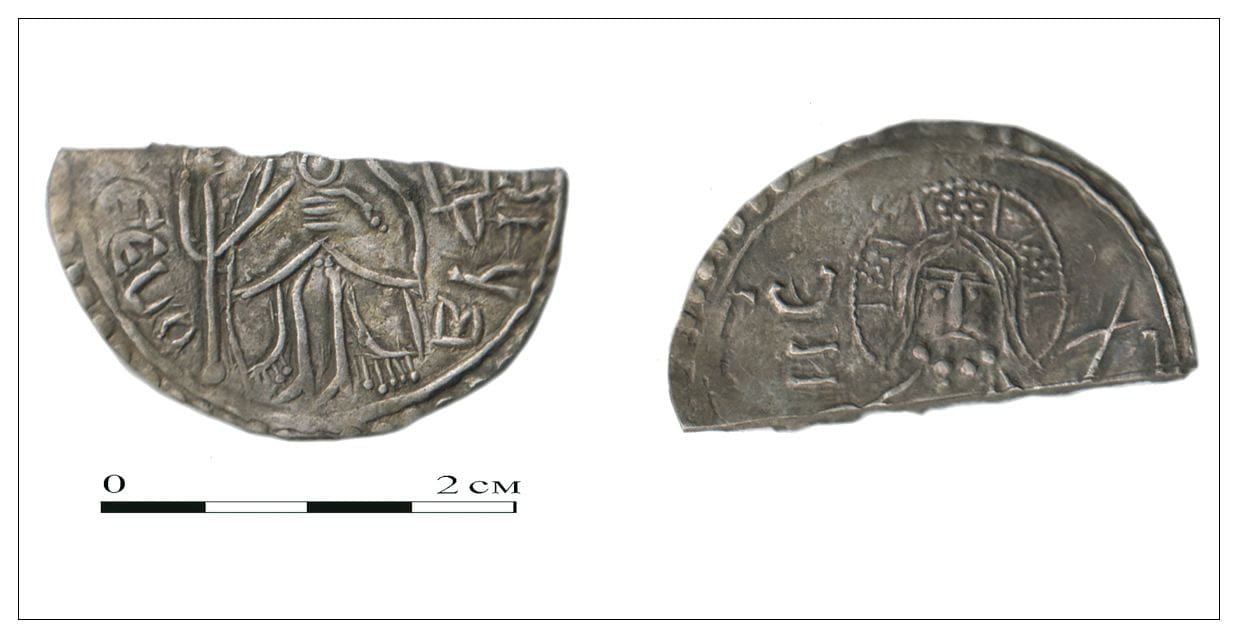
Half of a 1,000-Year-Old Silver Coin of Prince Vladimir Found in Veliky Novgorod
Archaeologists in Veliky Novgorod have discovered half of a rare silver coin issued by Prince Vladimir Sviatoslavich, one of the rulers most closely associated with the formation and Christianization of the early Rus’ state. The fragment was found on July 24 during rescue excavations in the historic Lyudin district, where archaeologists from the Institute of…
-
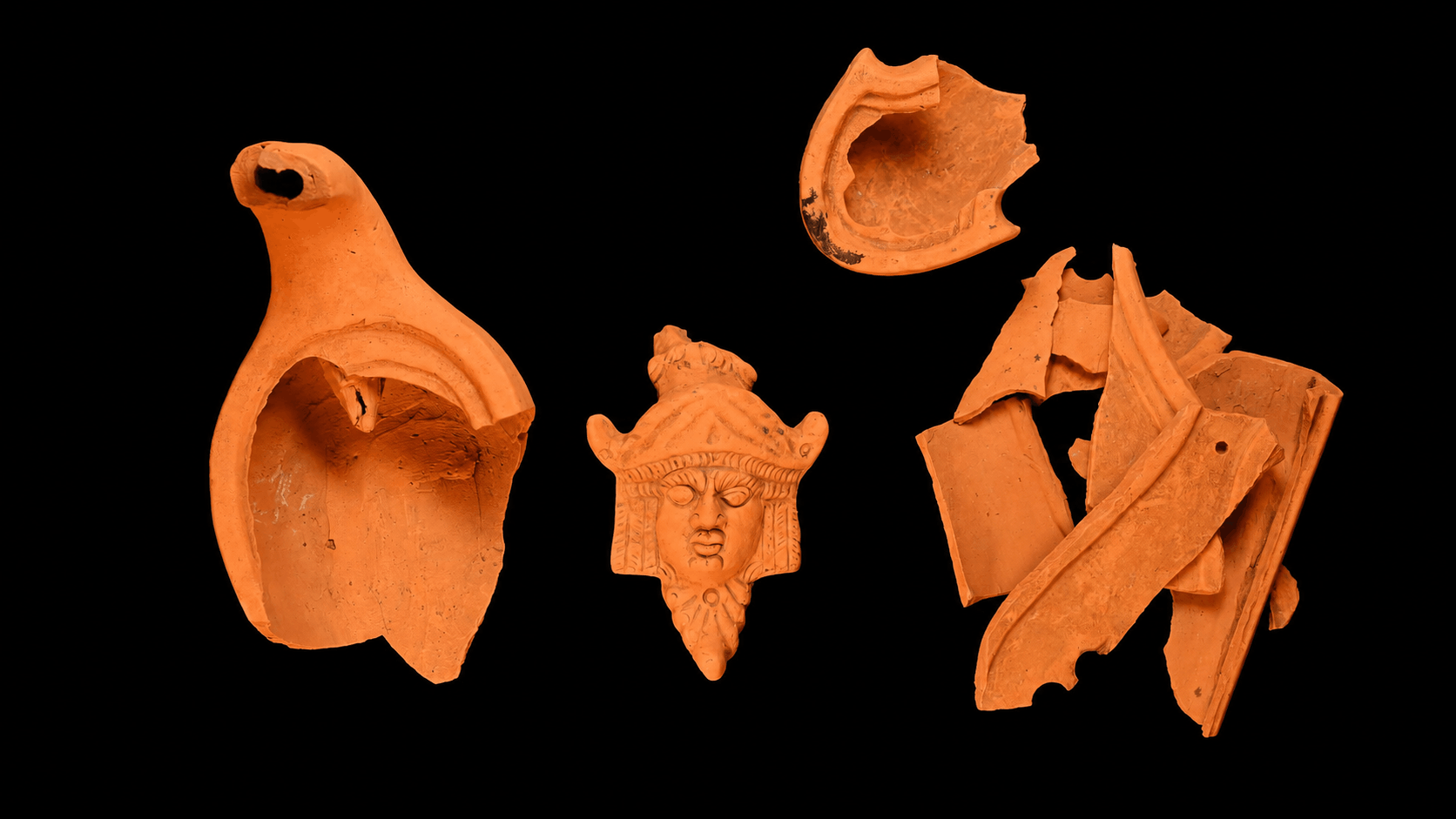
Roman Oil Lamp with a Theatre-Mask Handle Unearthed in Slovenia
Archaeologists excavating a Roman cemetery beneath the future Ljubljana Passenger Centre in Slovenia have uncovered an unusually elaborate ceramic oil lamp whose tall handle ends in a finely modelled theatre mask. The object was found in one of the more richly furnished graves associated with Emona, the Roman predecessor of modern Ljubljana. Oil lamps are…
-
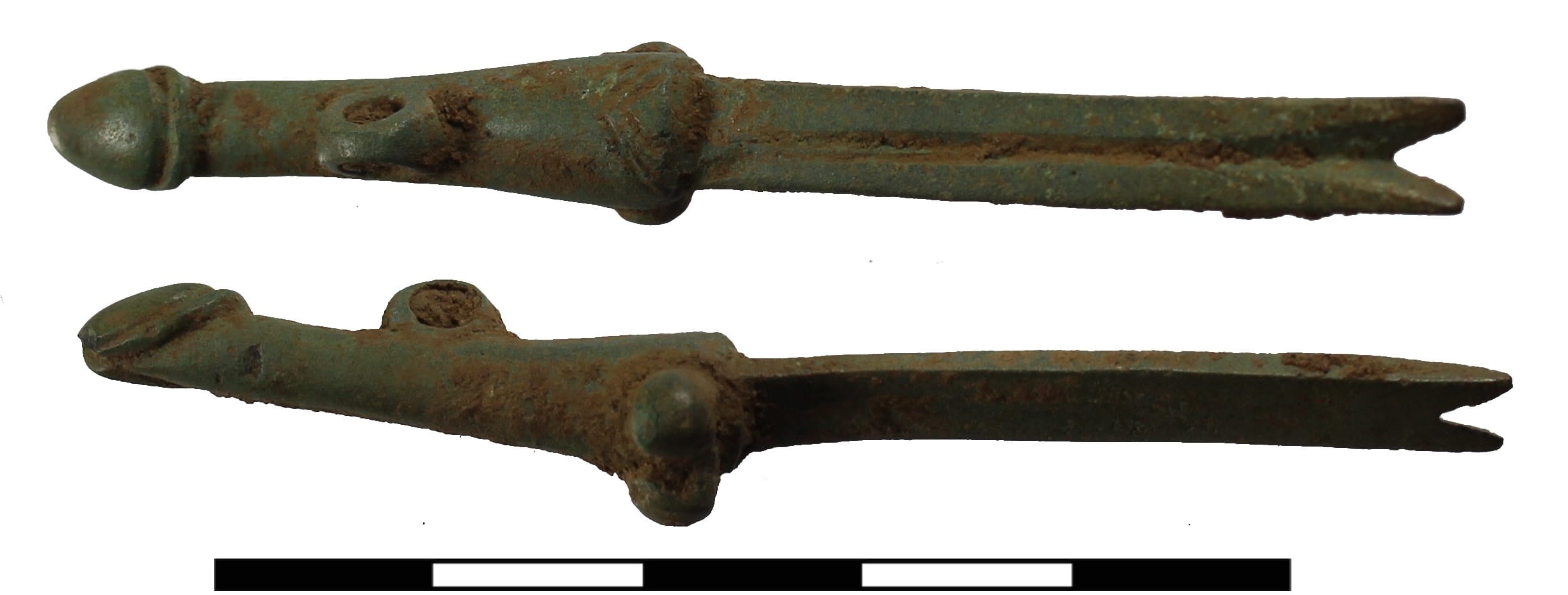
1,600-Year-Old Roman Nail Cleaner with Phallic Handle Unearthed Near Cheltenham
A small Roman object discovered near Cheltenham combined personal grooming with supernatural protection. One end was designed to clean beneath the fingernails; the other was shaped into a phallus believed to ward off evil and bad luck. The copper-alloy tool was found in Gloucestershire during archaeological excavations carried out ahead of improvements to the M5…
-

A Polish King’s 500-Year-Old Tomb Was Opened—Then 15 People Died
When researchers opened the tomb of Polish King Casimir IV Jagiellon in 1973, they entered a burial chamber that had remained sealed for almost 500 years. Inside were the king’s remains, fragments of a decayed wooden coffin and a biological environment that had developed undisturbed for centuries. Over the following decade, 15 people associated with…
-
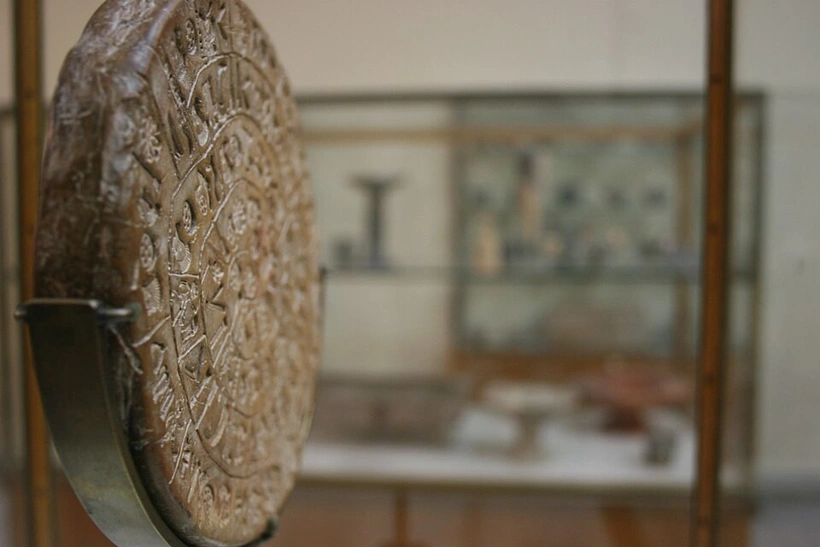
The 3,700-Year-Old Phaistos Disc Has Remained Unread for 118 Years
The Phaistos Disc, discovered on the Greek island of Crete more than a century ago, continues to resist every attempt to decipher its mysterious symbols. Italian archaeologist Luigi Pernier found the Phaistos Disc on July 3, 1908, inside the Minoan palace of Phaistos. Generally dated to around 1700–1650 BC, the object is now approximately 3,700…
-
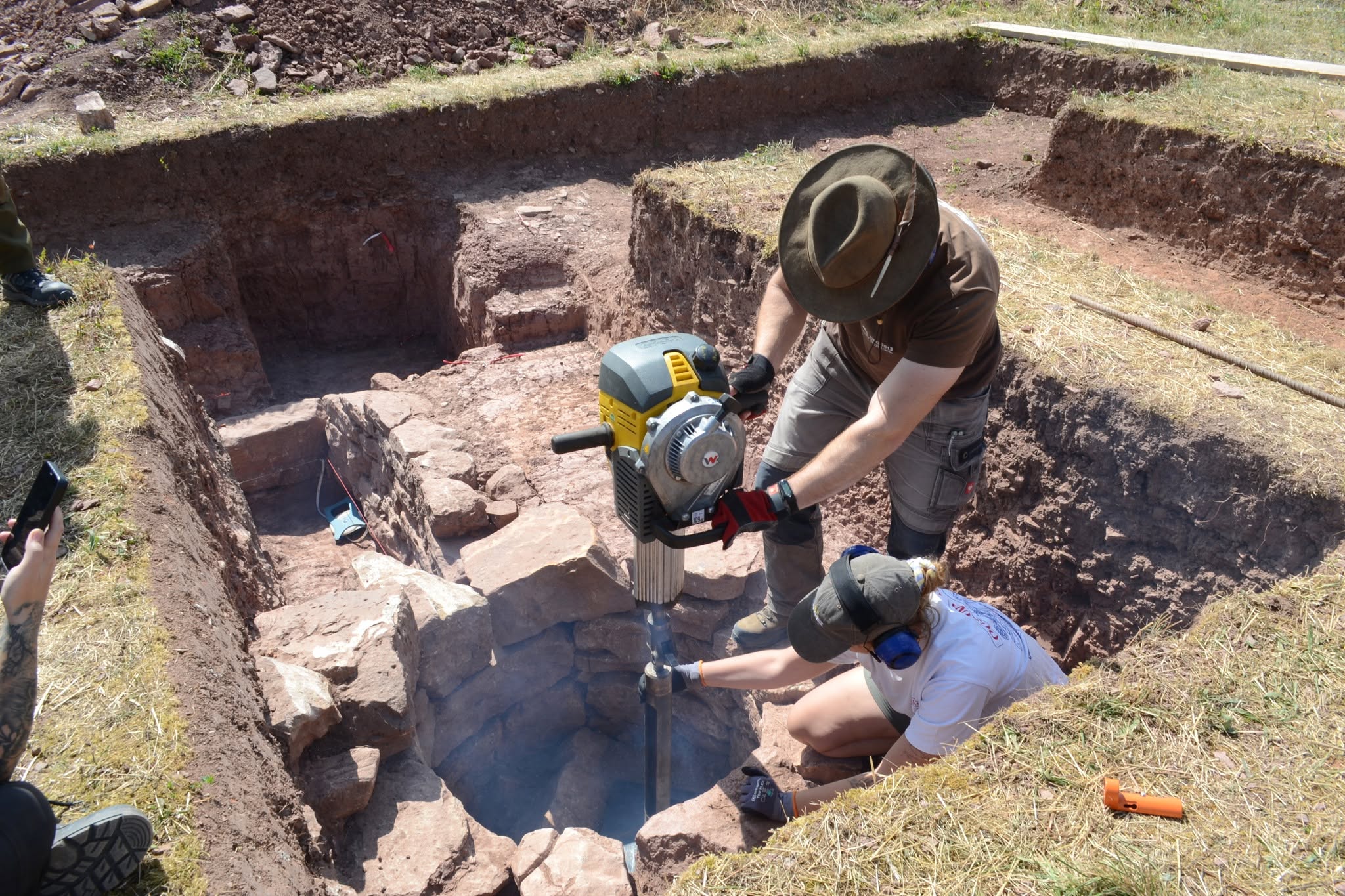
4.5-Metre-Deep Cistern Uncovered at Charlemagne-Era Royal Centre in Germany
Archaeologists excavating the Königspfalz Salz site in Bavaria have identified a 4.5-metre-deep cistern within the remains of an early medieval building containing at least three rooms. The circular stone structure was initially believed to be a well. Further investigation during the third week of the 2026 excavation season showed that it was instead built to…