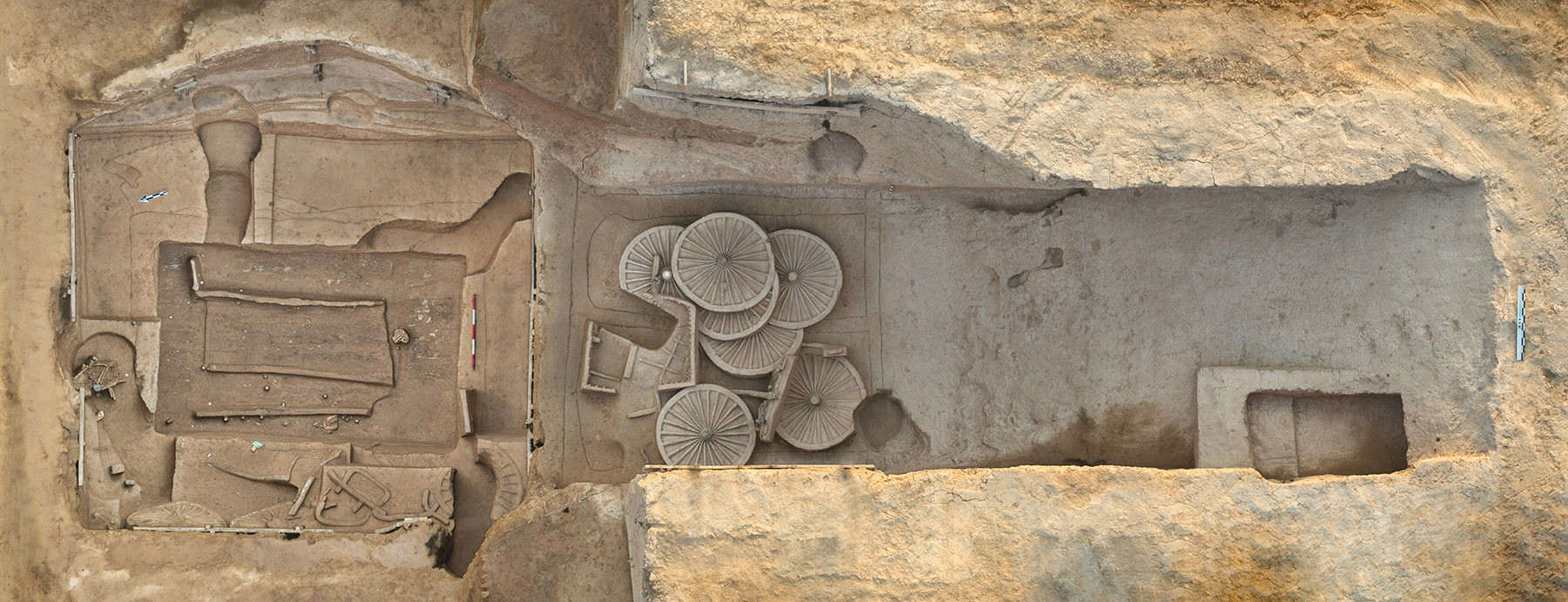
A vast Western Zhou site in China’s Shaanxi Province is beginning to look less like an isolated cemetery and more like a lost noble domain that once helped anchor royal power on the edge of the Zhou heartland.
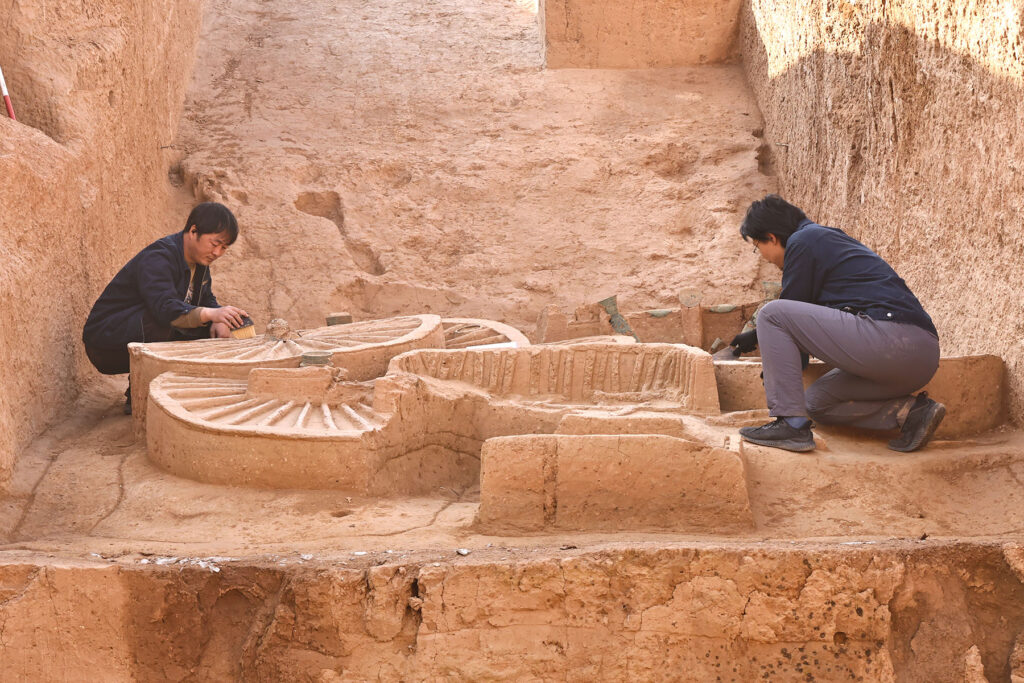
Archaeologists identified the site at Changchun in Fuping County, where rescue excavations began in 2022 after reports of looting. What they uncovered was far larger than expected: a settlement and burial complex covering about 2.2 million square meters, with more than 3,150 tombs and chariot pits.
A noble estate hidden under later fields
Researchers believe Changchun may have been a caiyi, a fief granted by Western Zhou rulers to a noble family or loyal elite group. These domains were central to how the dynasty controlled territory. They tied land, lineage, military service, and ritual authority into one system.
The location also matters. Shaanxi was the core region of the Western Zhou world, where royal power took shape more than 3,000 years ago. A large aristocratic center in this area could help explain how the dynasty defended and managed its political heartland.
Tombs built for rank, not ordinary burial
The burial zone alone covers about 200,000 square meters. Among the graves are 12 large elite tombs with passageways, a feature linked to high status in Zhou-period burial practice.
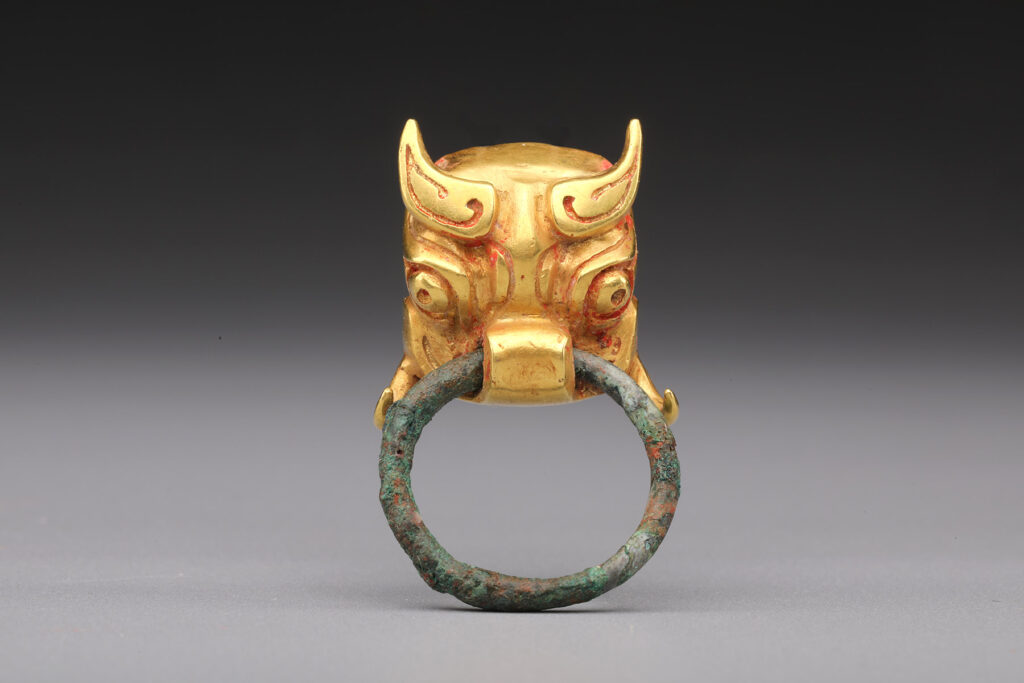
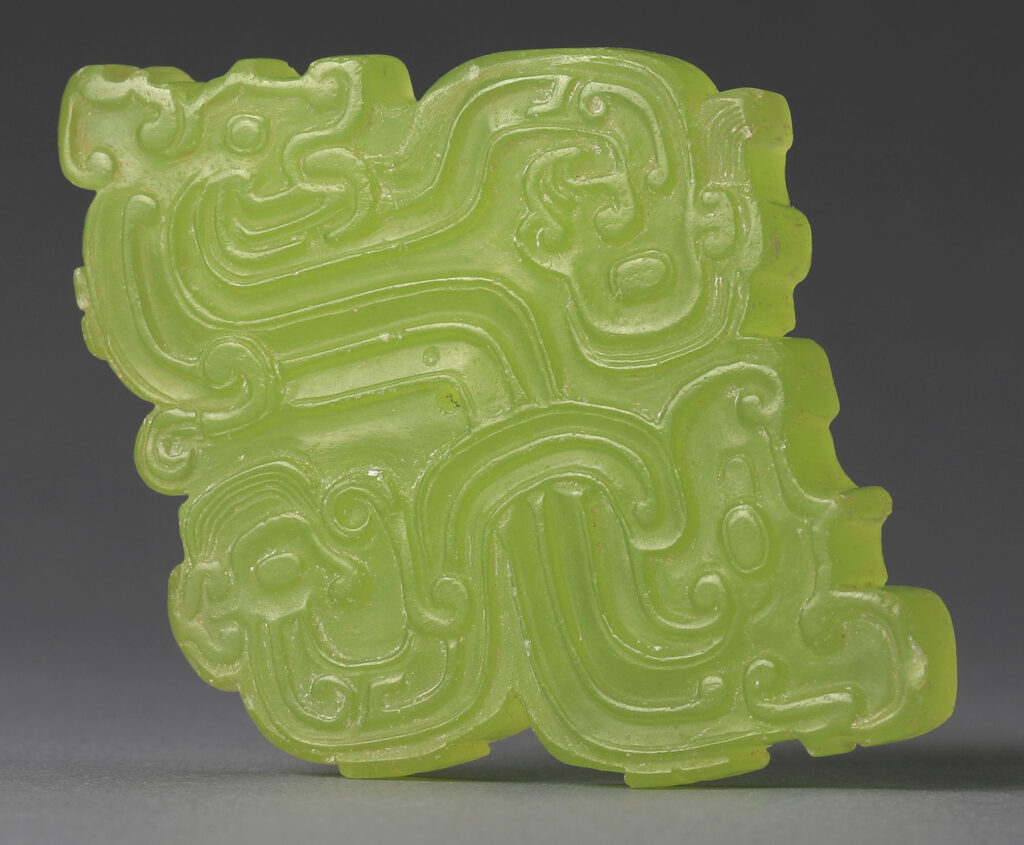
Chariot pits add another layer to the picture. In Western Zhou society, chariots were more than vehicles. They signaled rank, warfare, ceremony, and aristocratic identity. Finds from the site reportedly include jade ornaments and gold animal-mask decorations, objects that would have belonged to people far above ordinary village life.
A clearer map of Zhou power
The discovery is important because it shows how early Chinese authority worked beyond the royal court. The Zhou kings did not hold power through one capital alone. They depended on noble domains placed across key regions, each one helping to secure loyalty, land, labor, and military strength.
Changchun now offers a rare archaeological view of that system. With its settlement remains, elite graves, chariot pits, and prestige objects, the site may reveal how a noble family lived, ruled, and displayed power at the beginning of China’s dynastic age.
Cover Image Credit: China Daily