-
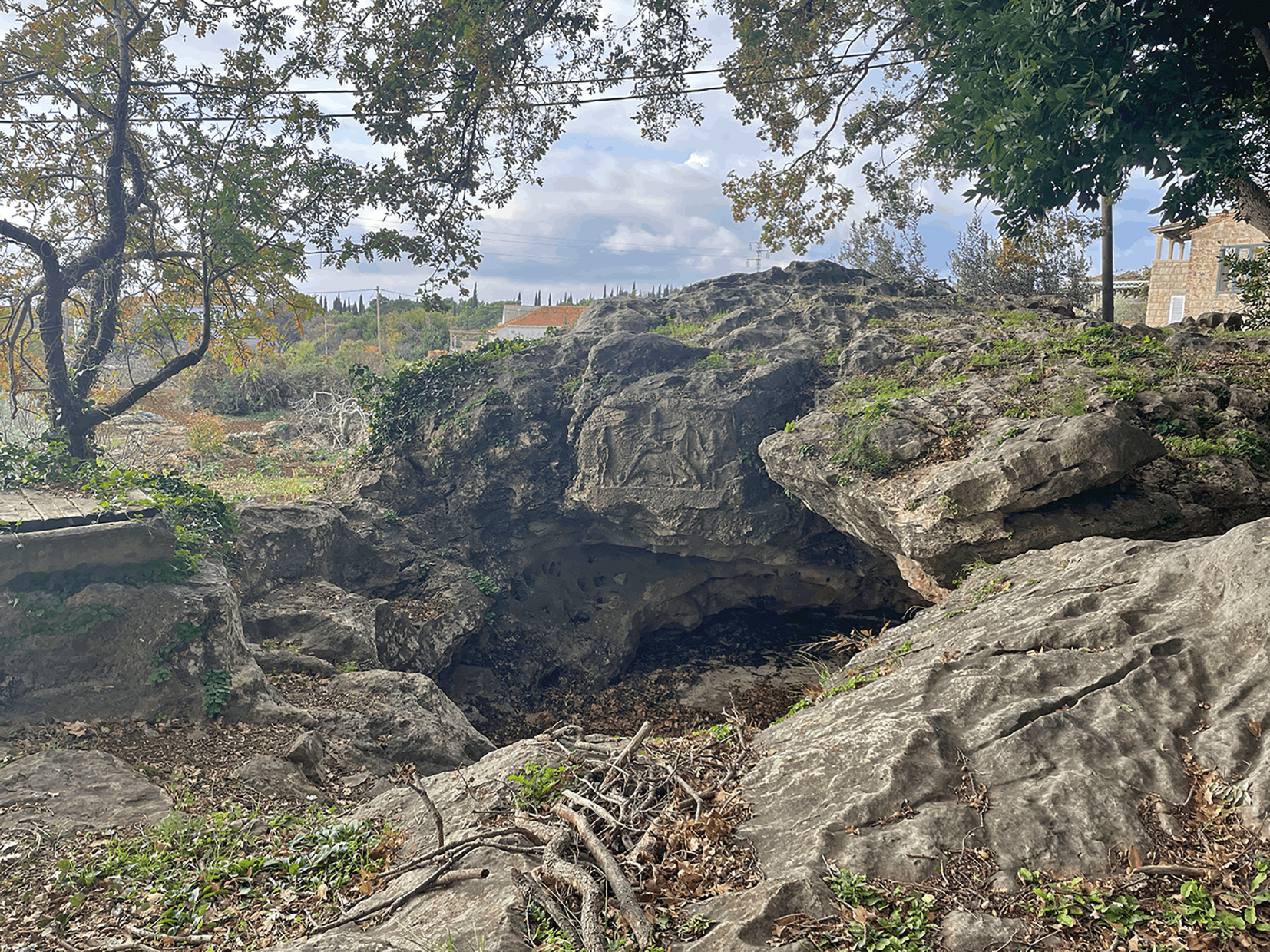
Rare Mithras Sanctuary in Croatia Suggests Romans Worshipped the God Outdoors
A rare Mithras sanctuary in Croatia is challenging one of the most familiar ideas about this Roman mystery cult. At Močići, in the hills above the ancient city of Epidaurum, the evidence does not point to a typical enclosed mithraeum. It points to a rocky outdoor gathering place shaped by a natural cave, a spring,…
-
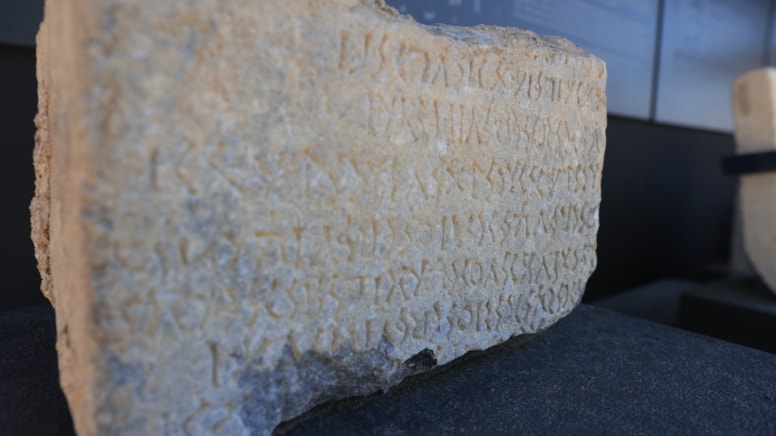
Lost Language of Ancient Anatolia Moves Closer to Decipherment as Sidetic Alphabet Expands to 31 Letters
Researchers studying Sidetic, the ancient language of Side, have expanded the known alphabet from 26 to 31 letters. The advance may seem small, but for a language preserved in only a limited number of inscriptions, five additional signs can make a major difference. Sidetic was used in and around the ancient city of Side more…
-
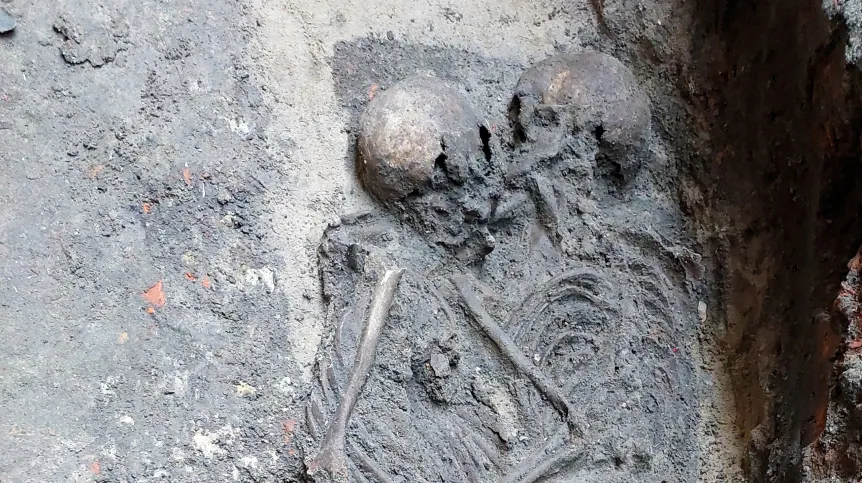
DNA Reveals Poland’s First Genetically Confirmed Same-Sex Medieval Burial
A rare same-sex medieval burial beside a cathedral wall in southern Poland is forcing archaeologists to rethink one of the oldest assumptions about people buried together: that closeness in death usually means family. In Opole, near the Cathedral of the Exaltation of the Holy Cross, researchers found the remains of two adults placed in a…
-
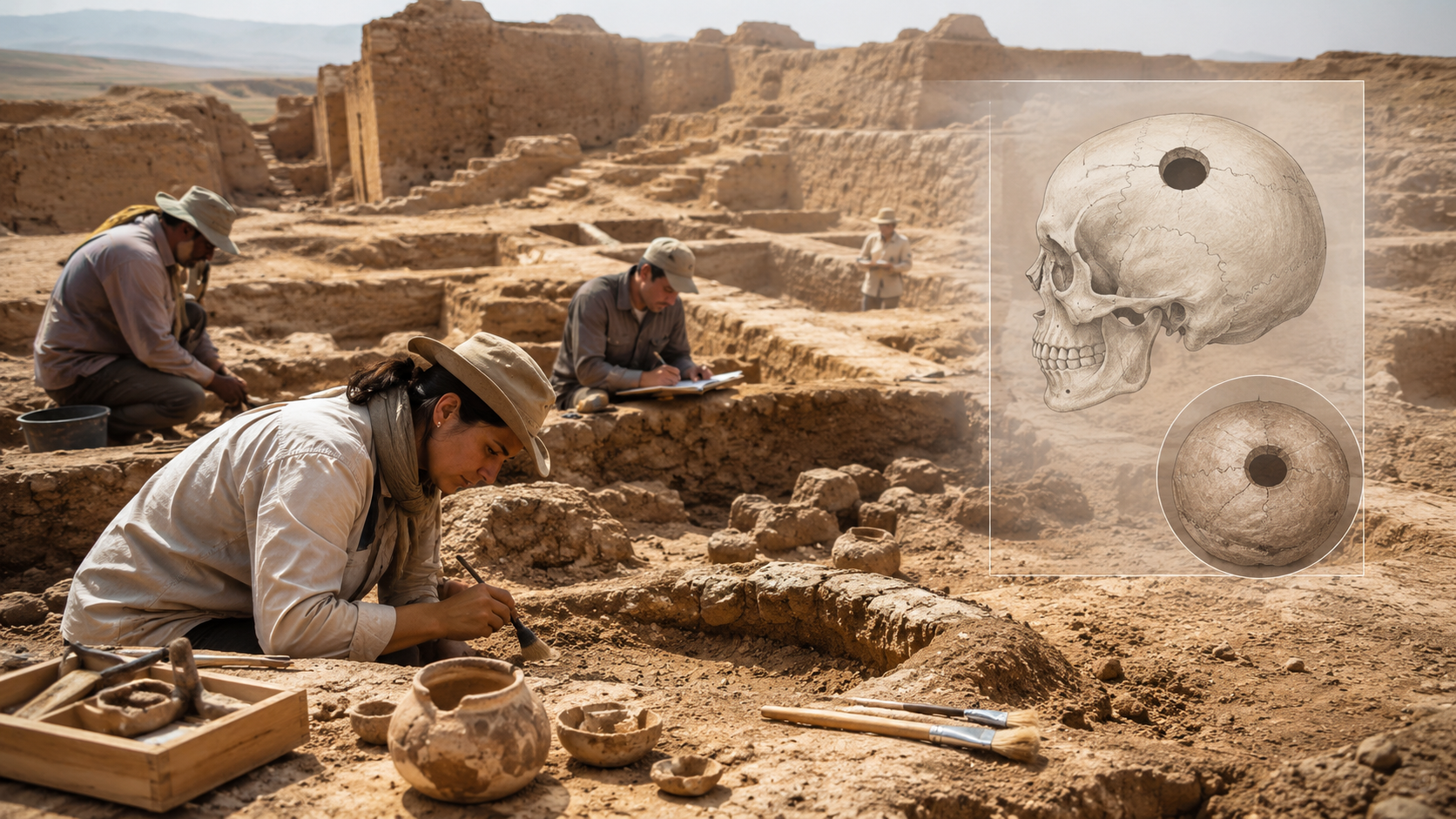
A 4,000-Year-Old Child’s Skull in Uzbekistan Reveals a Risky Bronze Age Surgery
A small grave in southern Uzbekistan has drawn archaeologists into one of the most difficult corners of Bronze Age life: illness, childhood, and the decision to cut into a human skull. At Djarkutan, a major settlement of the ancient Oxus civilization, researchers uncovered the remains of two children buried side by side. One was about…
-
Archaeologists Relocate a 2,800-Year-Old Urartian Royal Inscription in Nakhchivan
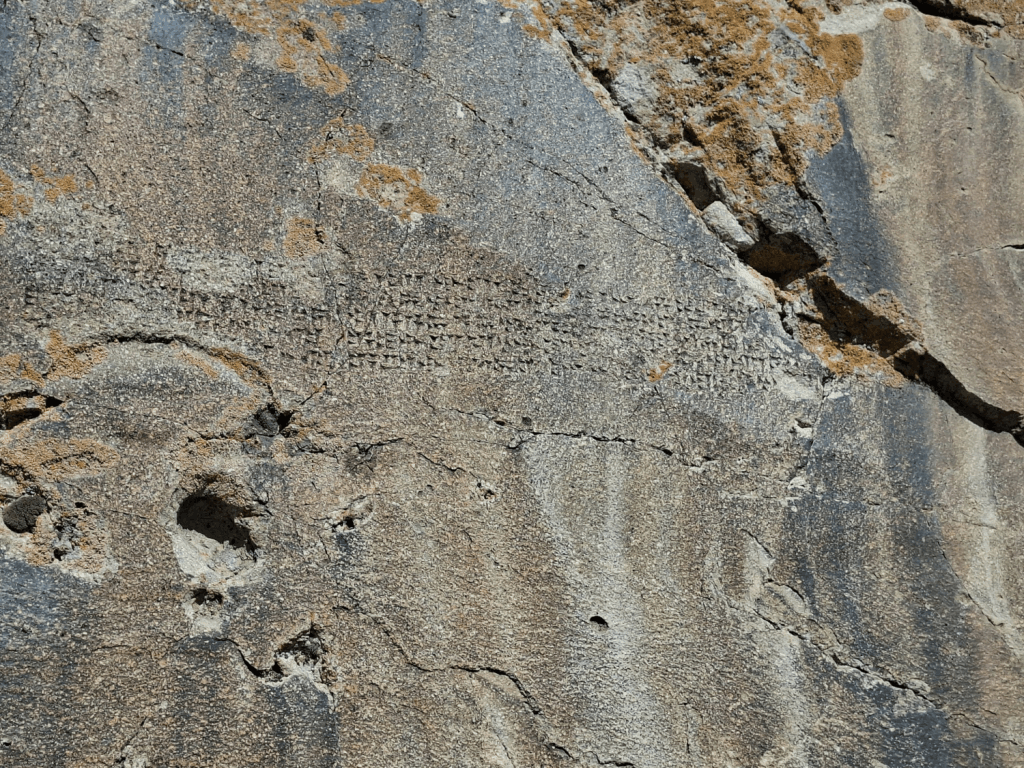
A 2,800-year-old Urartian royal inscription that had eluded researchers for decades has been relocated on a rock face in Azerbaijan’s Nakhchivan region, restoring one of the South Caucasus’s rare Iron Age cuneiform texts to its original setting. The inscription, carved in the Ilandagh area, names the Urartian rulers Ishpuini and Menua and refers to conquered…
-
A 3,000-Year-Old Mace Head in Poland: Experts Are Trying to Trace Its Origins
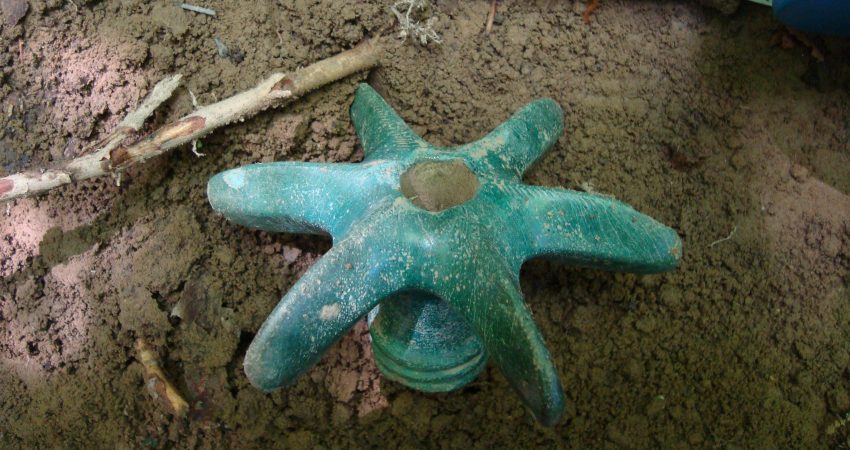
A small metal object found near Dukla in southeastern Poland has raised a question far larger than its size: how did a possible 3,000-year-old mace head, perhaps linked to the Near East, end up in this part of the Carpathian borderlands? The object was discovered during a licensed search carried out by members of the…
-
1,800-Year-Old Roman Glass Fish Found in Woman’s Grave in Poland Reveals the Luxury World of Barbarian Europe
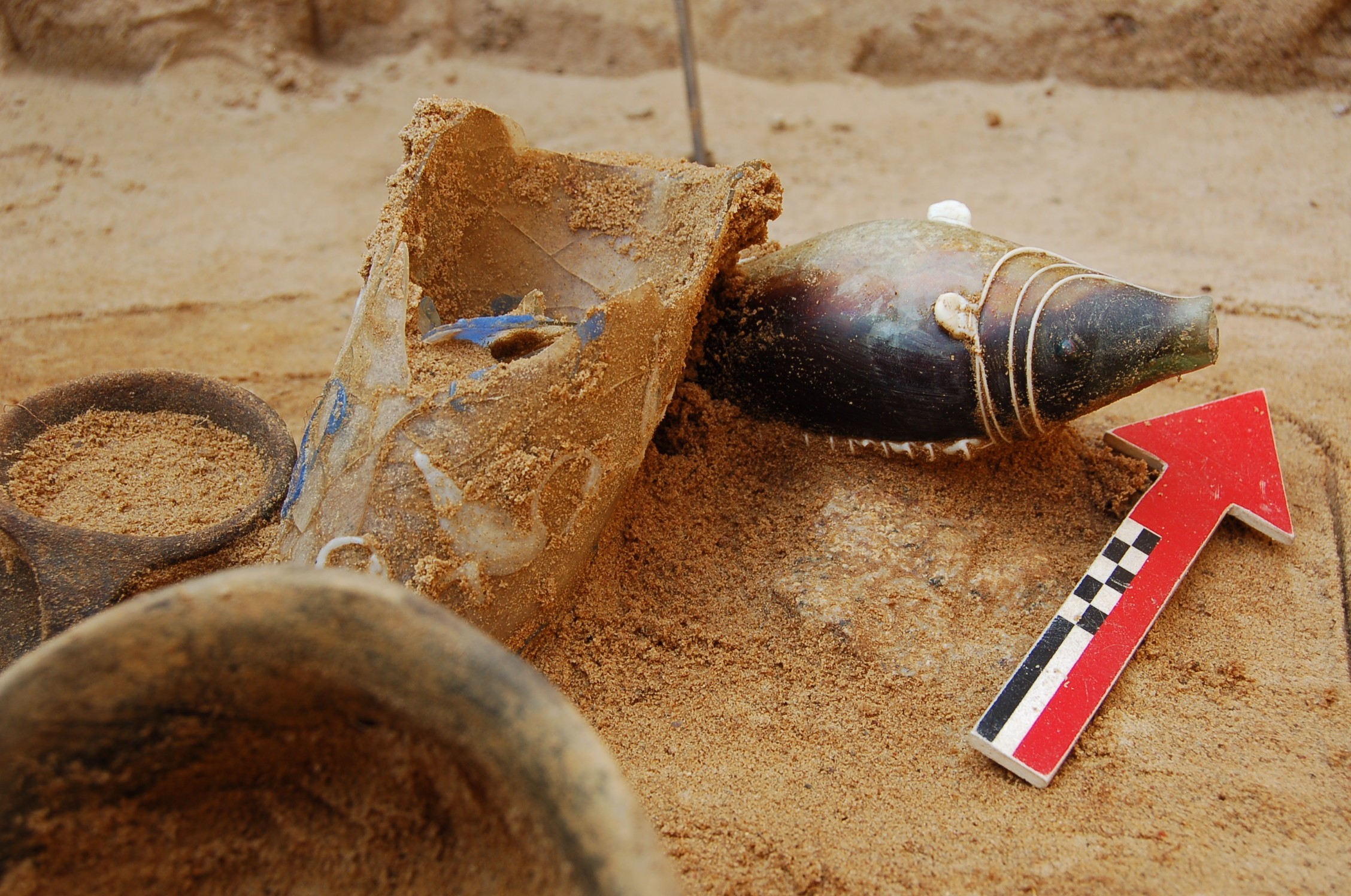
A fish-shaped Roman glass vessel found in a woman’s grave in northern Poland has become one of the most striking objects from the Czarnówko cemetery, a vast burial ground near Lębork. Dating to the late 2nd or very early 3rd century CE, the delicate vessel points to a world in which Roman luxury goods travelled…
-
Scientists Reassemble 75,000-Year-Old Neanderthal Skull Crushed Flat in Shanidar Cave
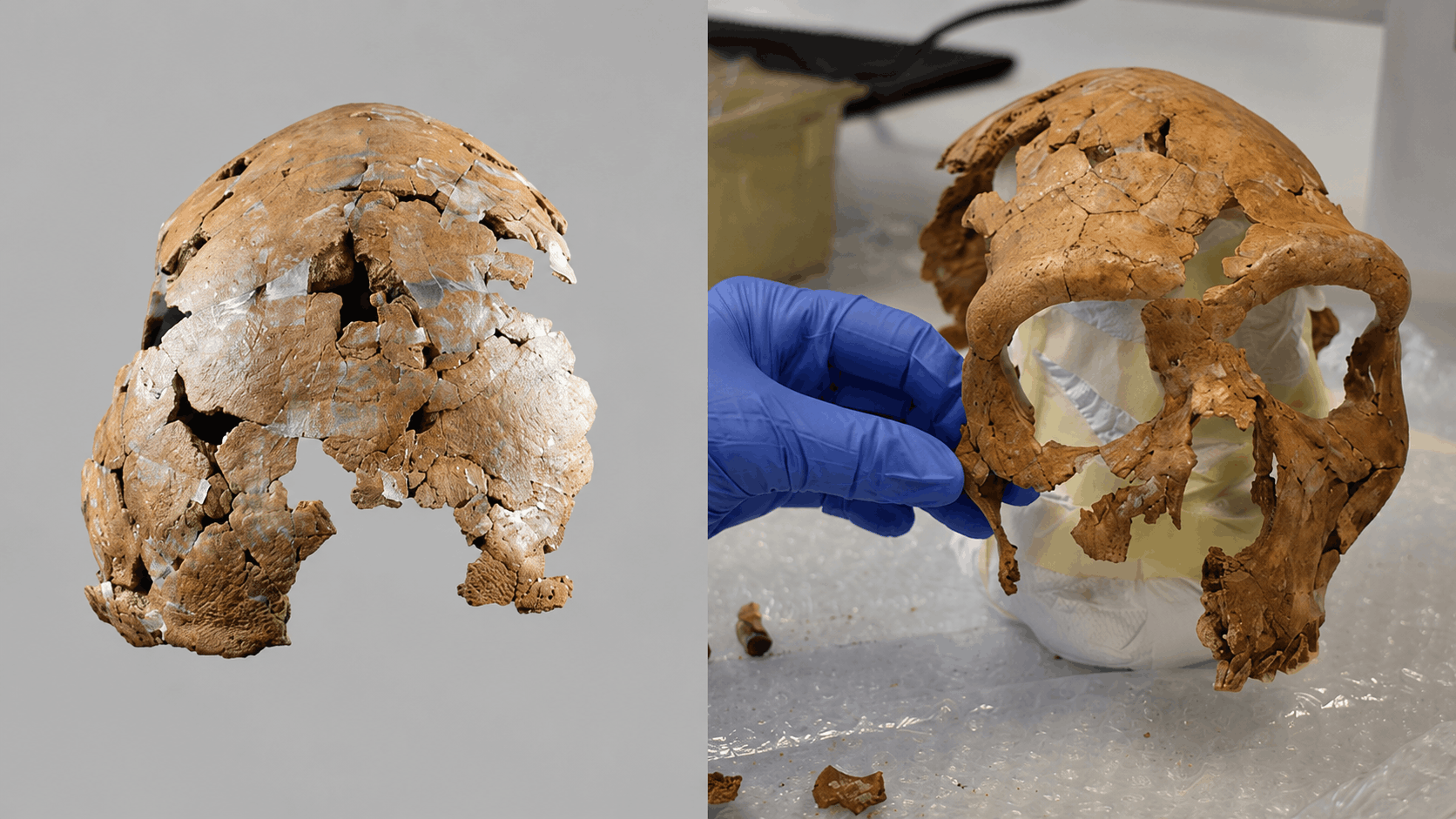
Shanidar Z Neanderthal, one of the most fragile human relatives ever recovered from Shanidar Cave in Iraqi Kurdistan, is giving scientists a rare chance to examine a 75,000-year-old body that almost did not survive excavation. The remains, found during renewed archaeological work at the famous cave, included much of the upper body of an adult…
-
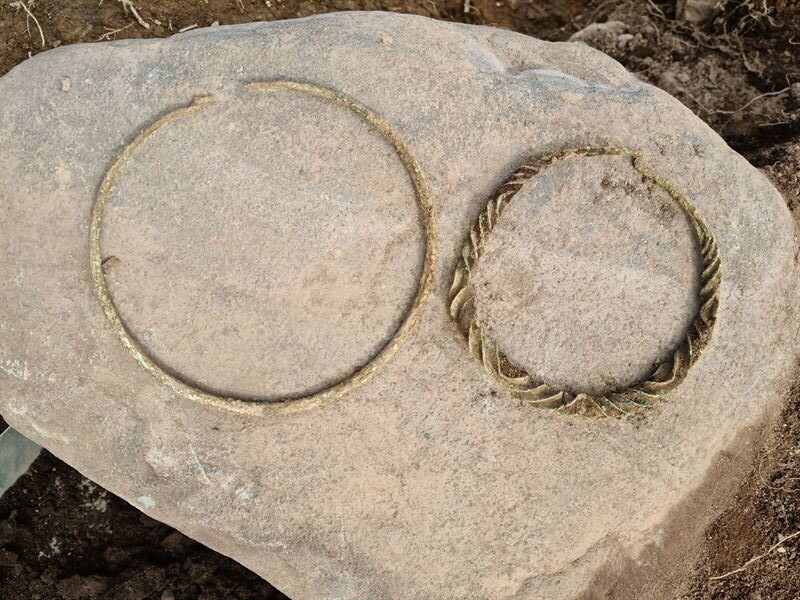
Rare 2,500-Year-Old Bronze Neck Rings Found Inside a Swedish Grave Monument
Archaeologists excavating at Marby, east of Norrköping in Sweden, have uncovered two rare bronze neck rings inside a Late Bronze Age grave monument. The ornaments, more than 2,500 years old, were found in a setting that researchers describe as highly unusual, perhaps even unique. The discovery was made during archaeological investigations ahead of planned housing…