-
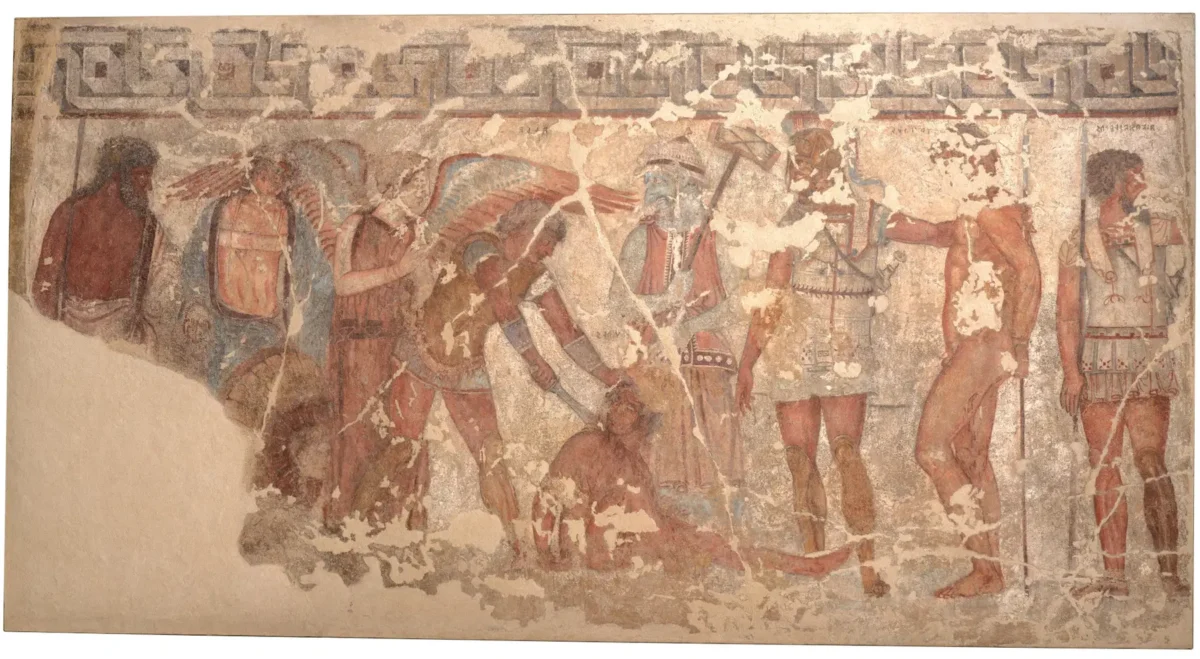
Italy Acquires the François Tomb, the Etruscan Masterpiece That Still Challenges Rome’s Story
Italy has formally acquired the François Tomb of Vulci, bringing one of the greatest surviving monuments of Etruscan painting into state ownership after more than a century of public interest. The €15 million acquisition, signed at the Ministry of Culture in Rome, places the painted tomb cycle under Italy’s national heritage system. The frescoes will…
-
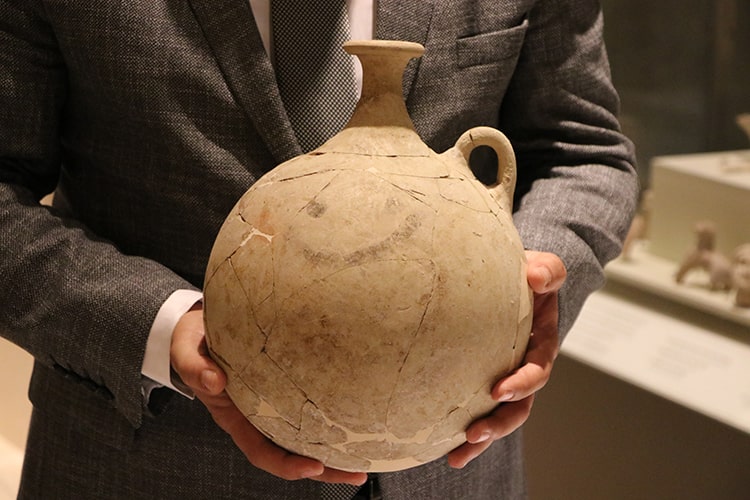
A 3,700-Year-Old Smile from Ancient Carchemish Is Going on Display in Türkiye
Long before digital emojis, someone in Bronze Age Carchemish painted a simple smiling face on a clay flask. Nearly 3,700 years later, that small object is preparing to meet visitors at Gaziantep Archaeology Museum in southeastern Türkiye. The flask comes from Karkamış, known in antiquity as Carchemish, one of the great cities of the ancient…
-
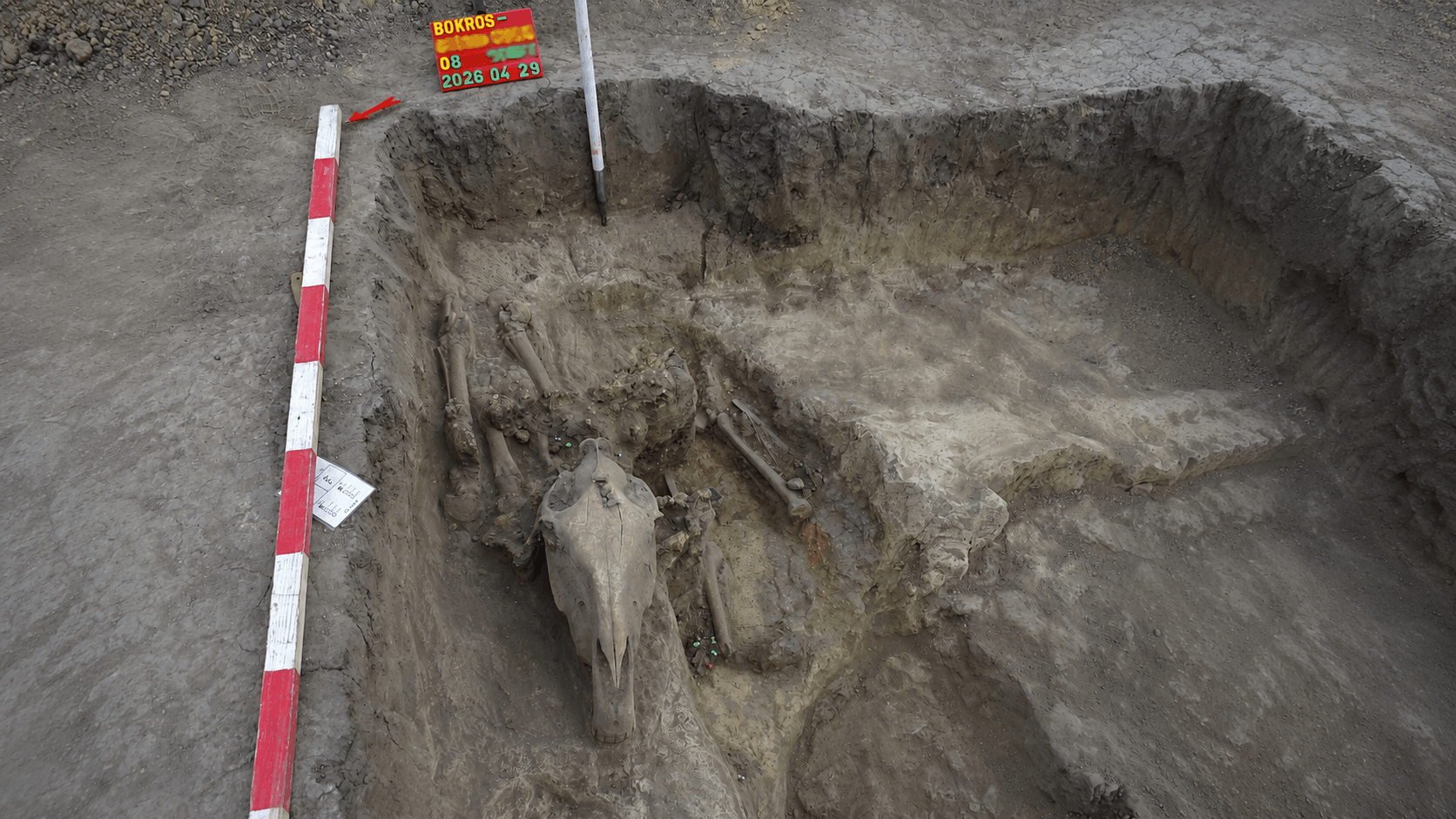
Elite Mounted Warrior Grave Linked to Early Hungarians Unearthed in Csongrád-Bokros
An elite mounted warrior grave linked to the early Hungarians has been uncovered at Csongrád-Bokros in southern Hungary, offering a rare new glimpse into the period when Hungarian groups entered and settled in the Carpathian Basin. The planned excavation was carried out in April and May by the Tari László Museum under the direction of…
-
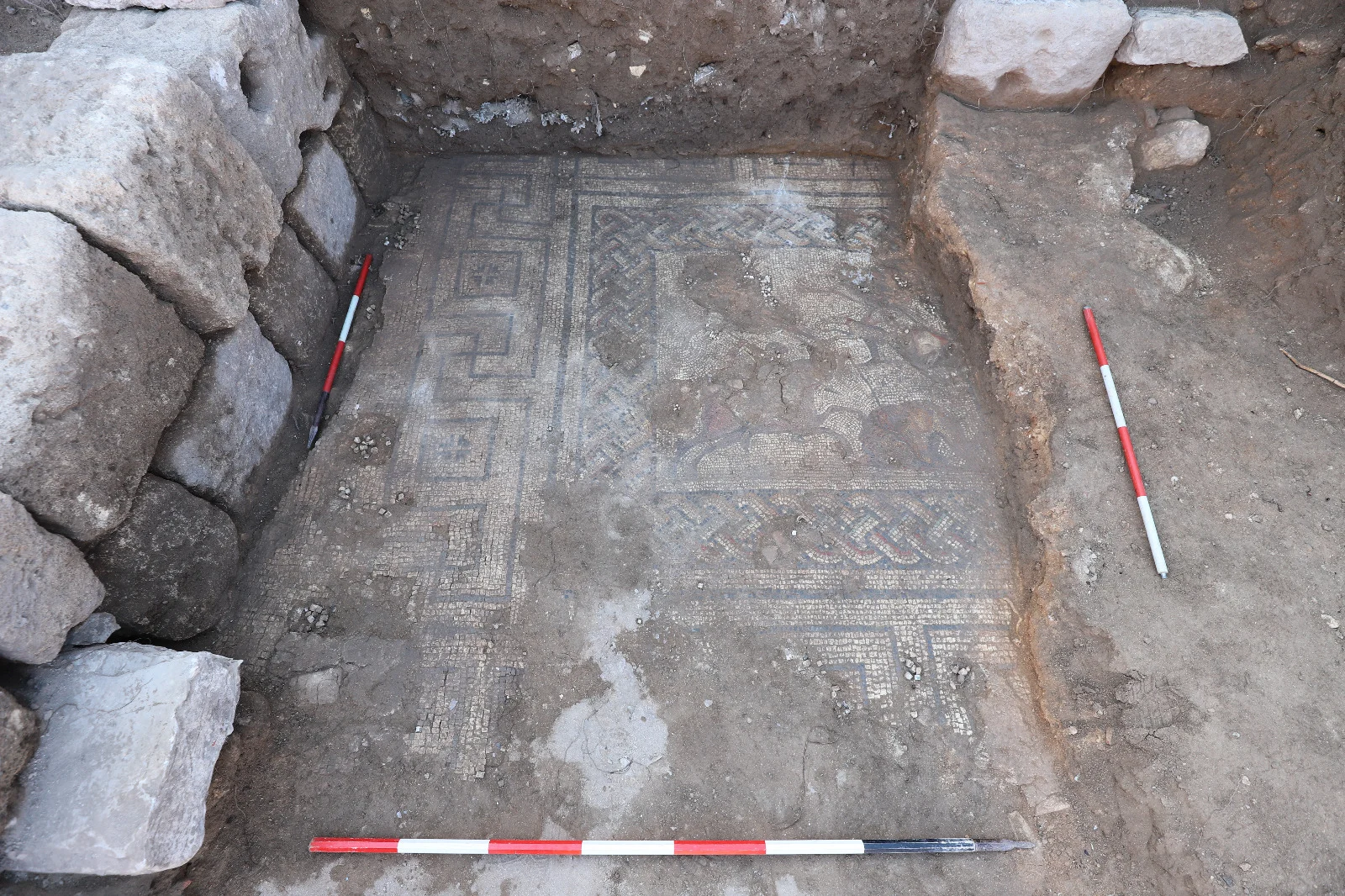
Roman Hunting Mosaic Buried for 50 Years Reemerges in Ancient Lilybaeum
A Roman hunting mosaic hidden beneath the soil for more than half a century has reemerged at Capo Boeo in Marsala, bringing one of ancient Lilybaeum’s most striking domestic artworks back into view. The mosaic floor, decorated with a dramatic venatio, or hunting scene, was first uncovered in 1972 by archaeologist Carmela Angela Di Stefano…
-
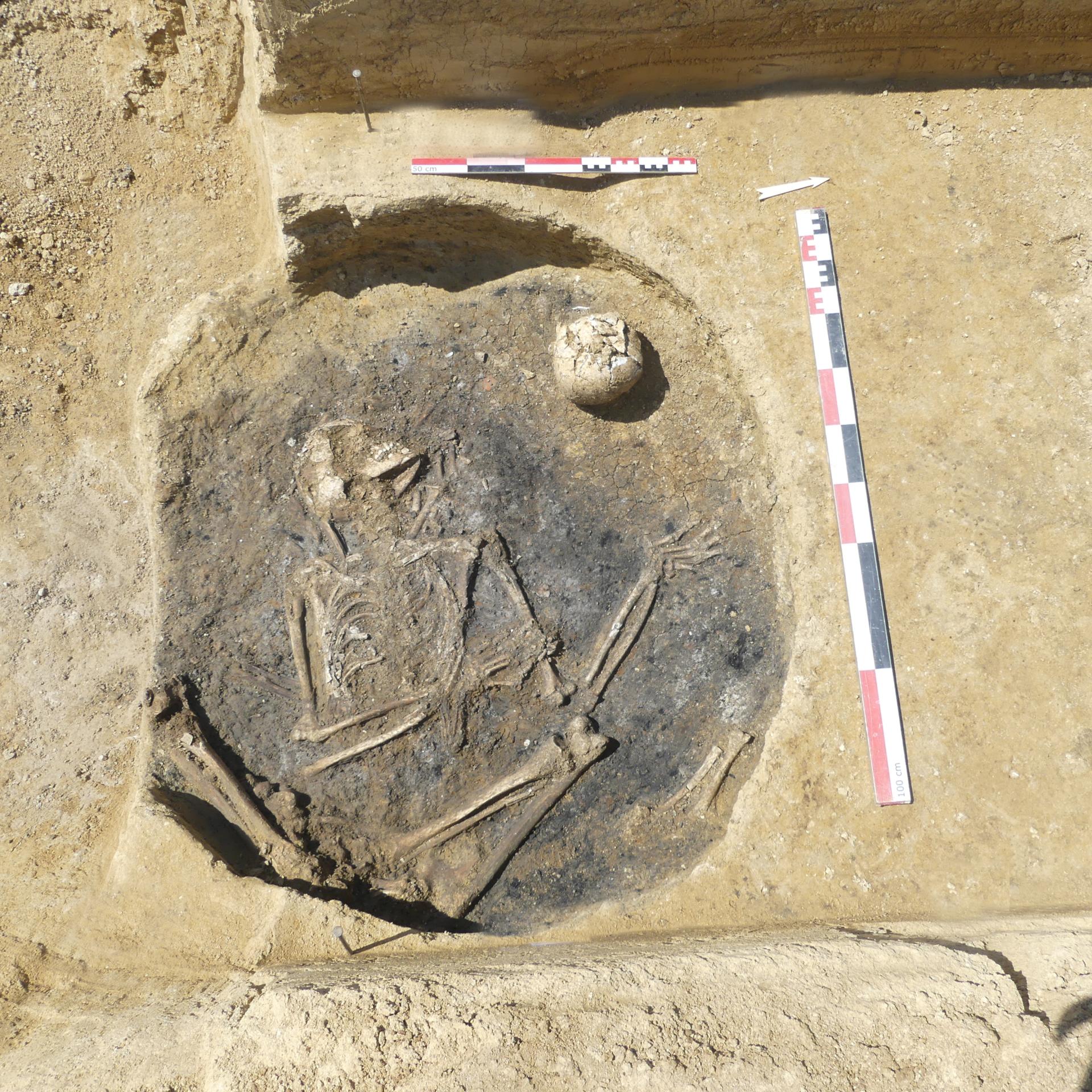
Unusual Gallic Burial in France Reveals Two Entwined Skeletons Inside a Silo
Archaeologists in eastern France have uncovered an unusual Gallic-period burial that raises new questions about how some rural communities treated the dead more than 2,400 years ago. The discovery was made during an Inrap excavation at Saint-Apollinaire, near Dijon, where researchers identified a small rural settlement dating to the beginning of the 5th century BC.…
-
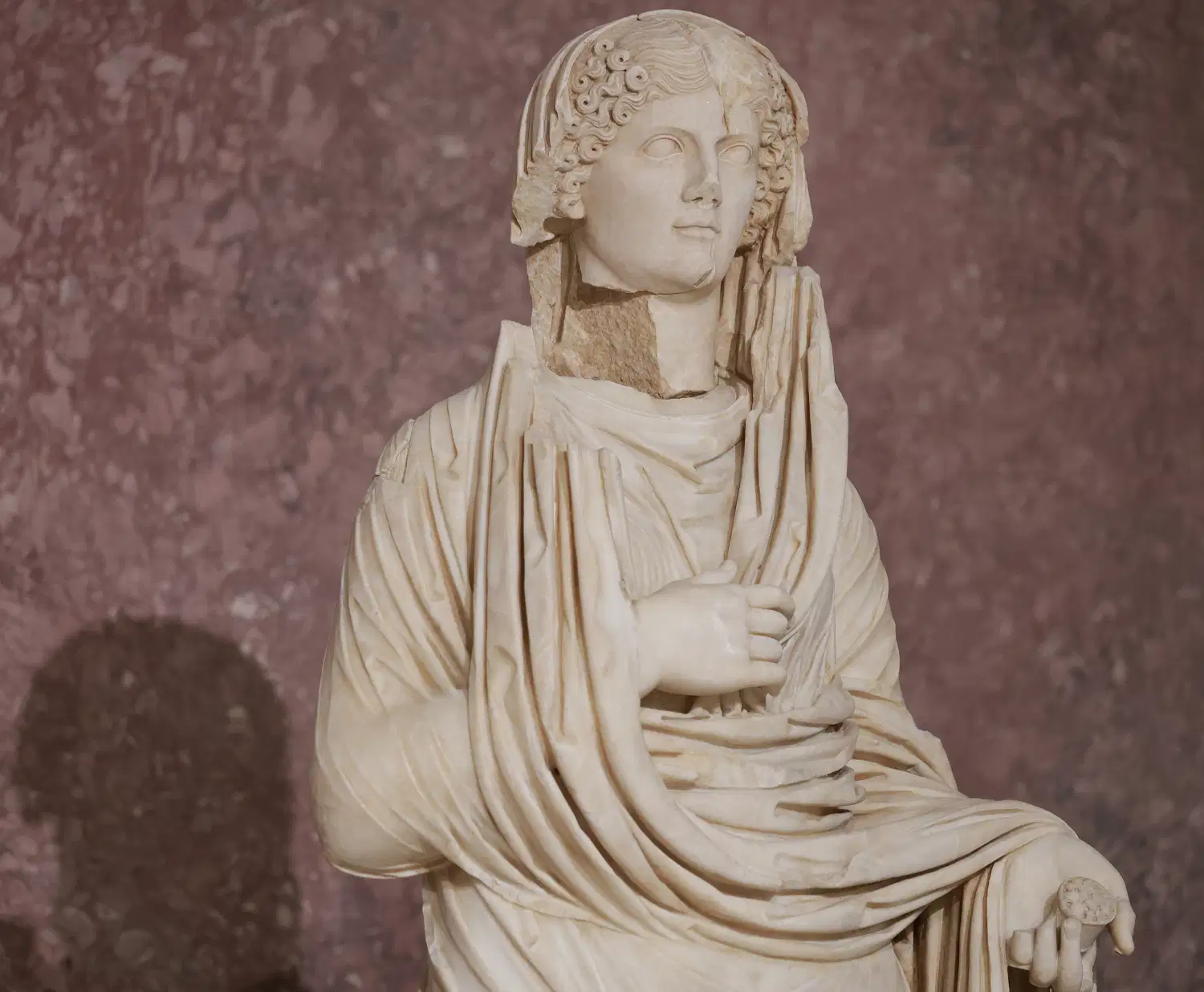
Restored Agrippina the Elder Statue Reveals New Details After Centuries of Darkened Layers
For years, the face of Agrippina the Elder had been difficult to read. Old waxes, oxidized oils, varnish and surface grime had darkened the marble, softening the details of one of the most important Roman portraits ever found at ancient Veleia. Now, after a careful restoration in Parma, the larger than life-sized statue has returned…
-
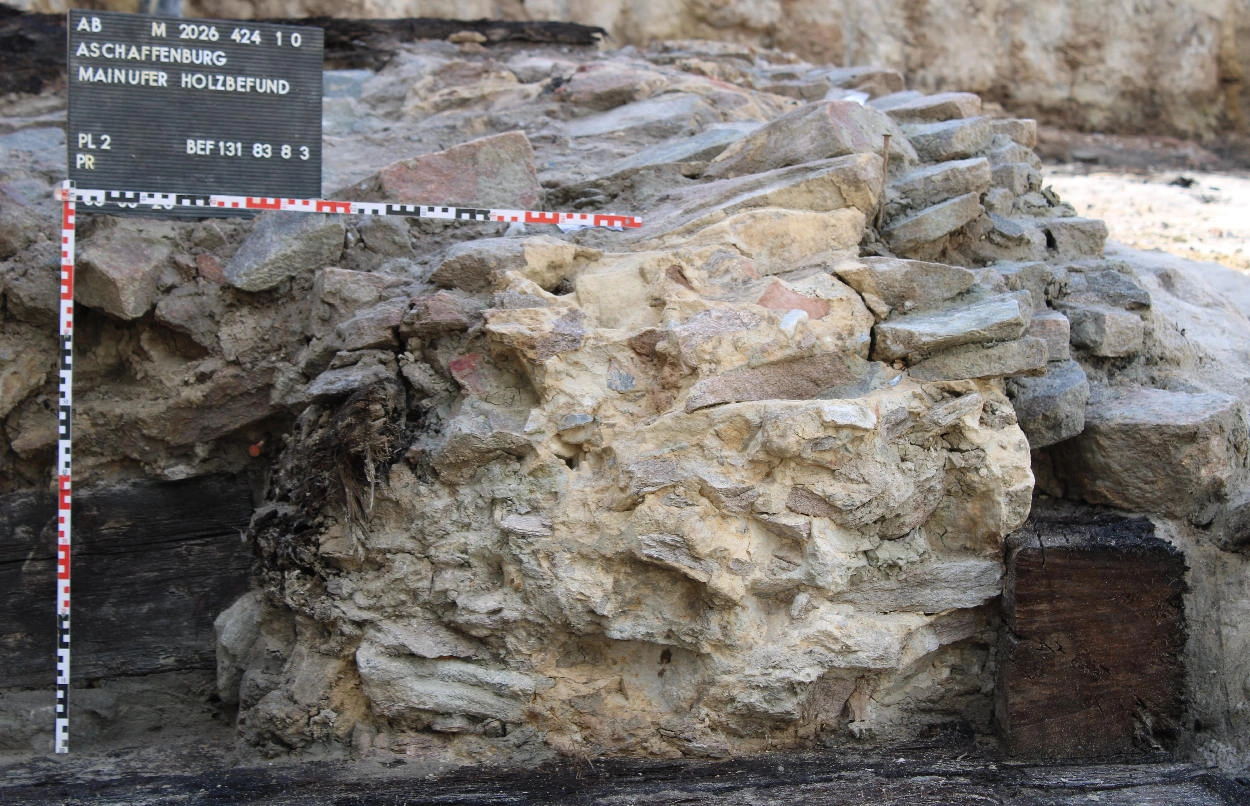
2,400-Year-Old Iron Age Structure Found Beneath German Riverbank Stuns Archaeologists
An Iron Age structure in Aschaffenburg has emerged from beneath the bank of the Main River, and its age has surprised even the archaeologists called in to examine it. The discovery was made during construction work for a rain overflow basin north of the Willigis Bridge. At first, the wooden remains seemed too well preserved…
-
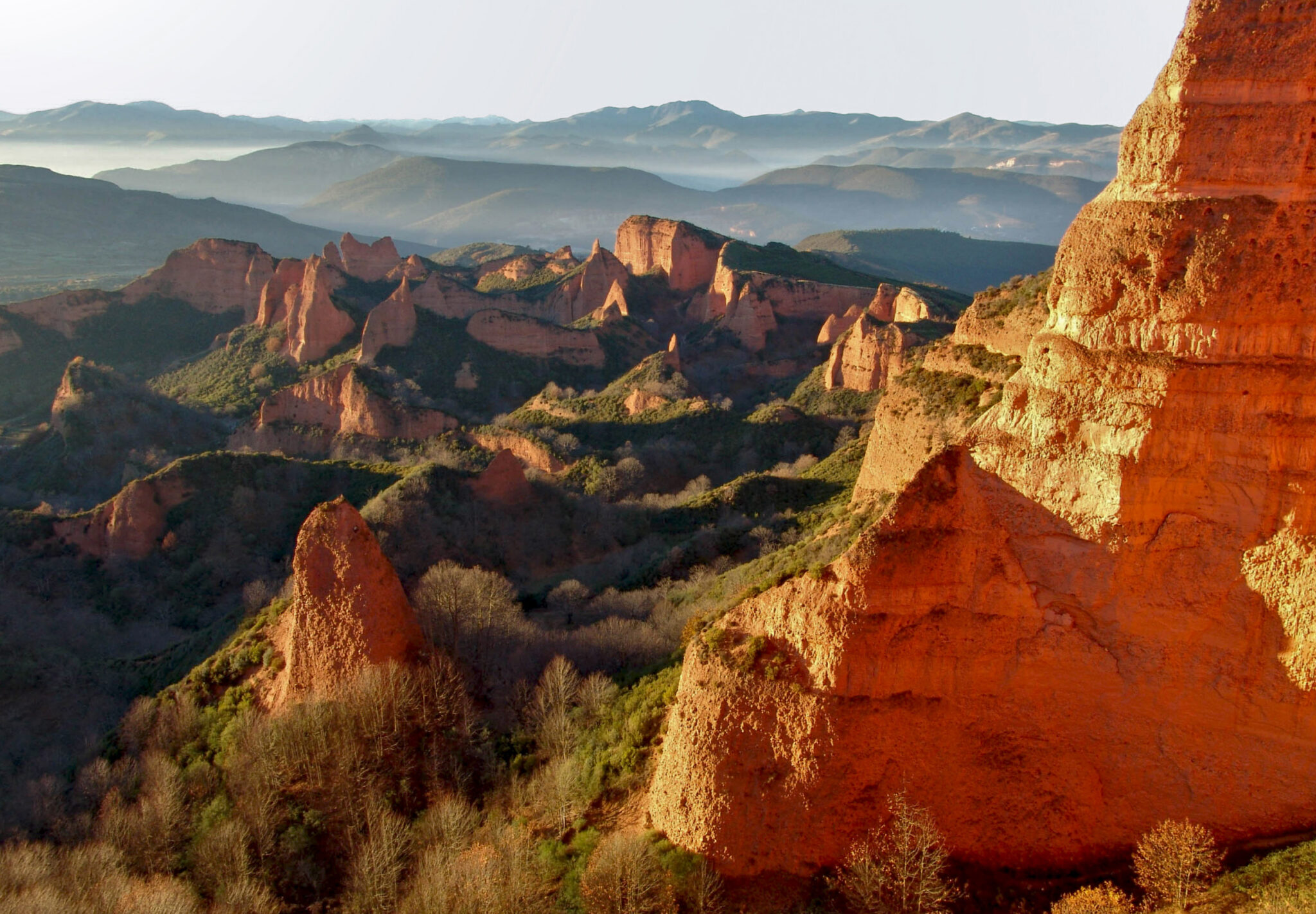
Lost Roman Gold Mines Revealed in Spain’s Pyrenees After Nearly 1,800 Years
Roman gold mines do not always reveal themselves through glittering treasure. In Spain’s Eastern Pyrenees, their traces survived in a quieter form: river terraces, carved slopes, and sediment buried inside an ancient water system that had not been dated until now. In Spain’s Eastern Pyrenees, researchers have now confirmed that such traces belong to a…
-
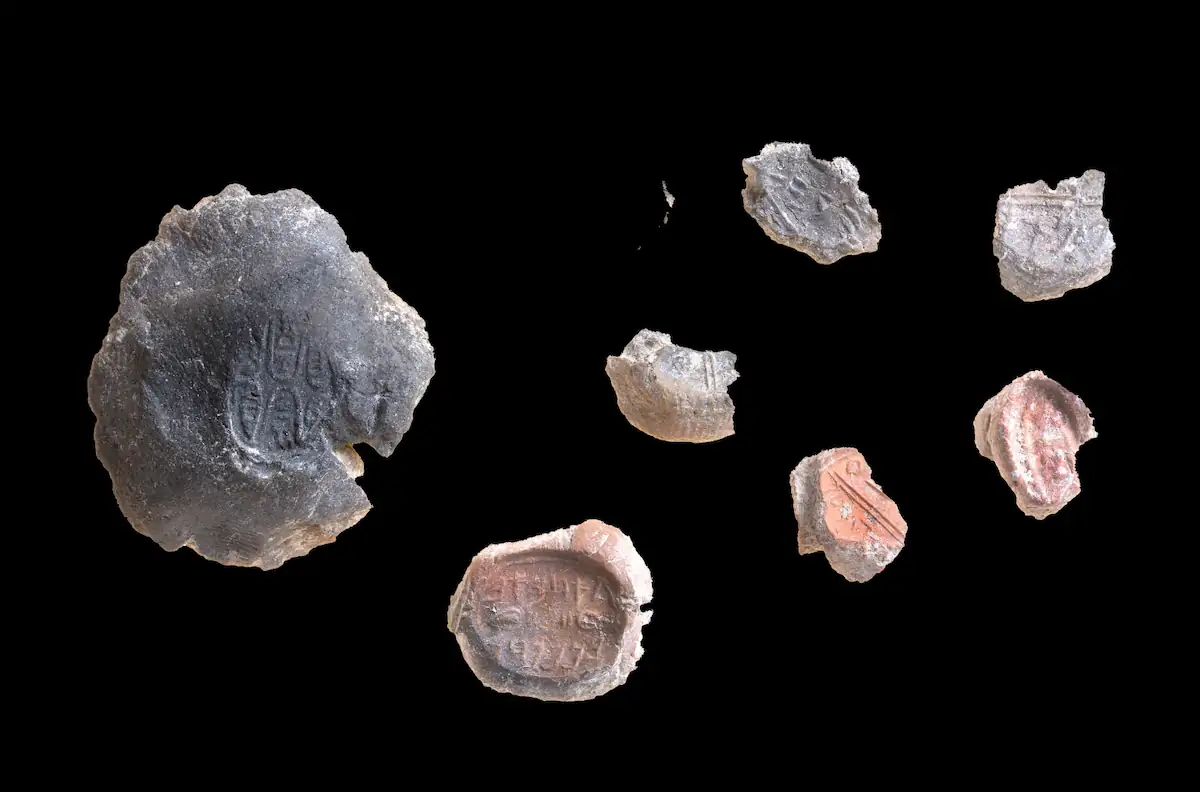
Jerusalem Researchers Look Behind Ancient Bullae to Reveal What They Once Sealed
Ancient bullae from Jerusalem are usually studied for the seal impressions on their front faces. But a new research project is turning them over. On their backs, faint traces of papyrus, cord, cloth, wood, or jars may reveal what these clay sealings once protected. That hidden side is now at the center of a new…