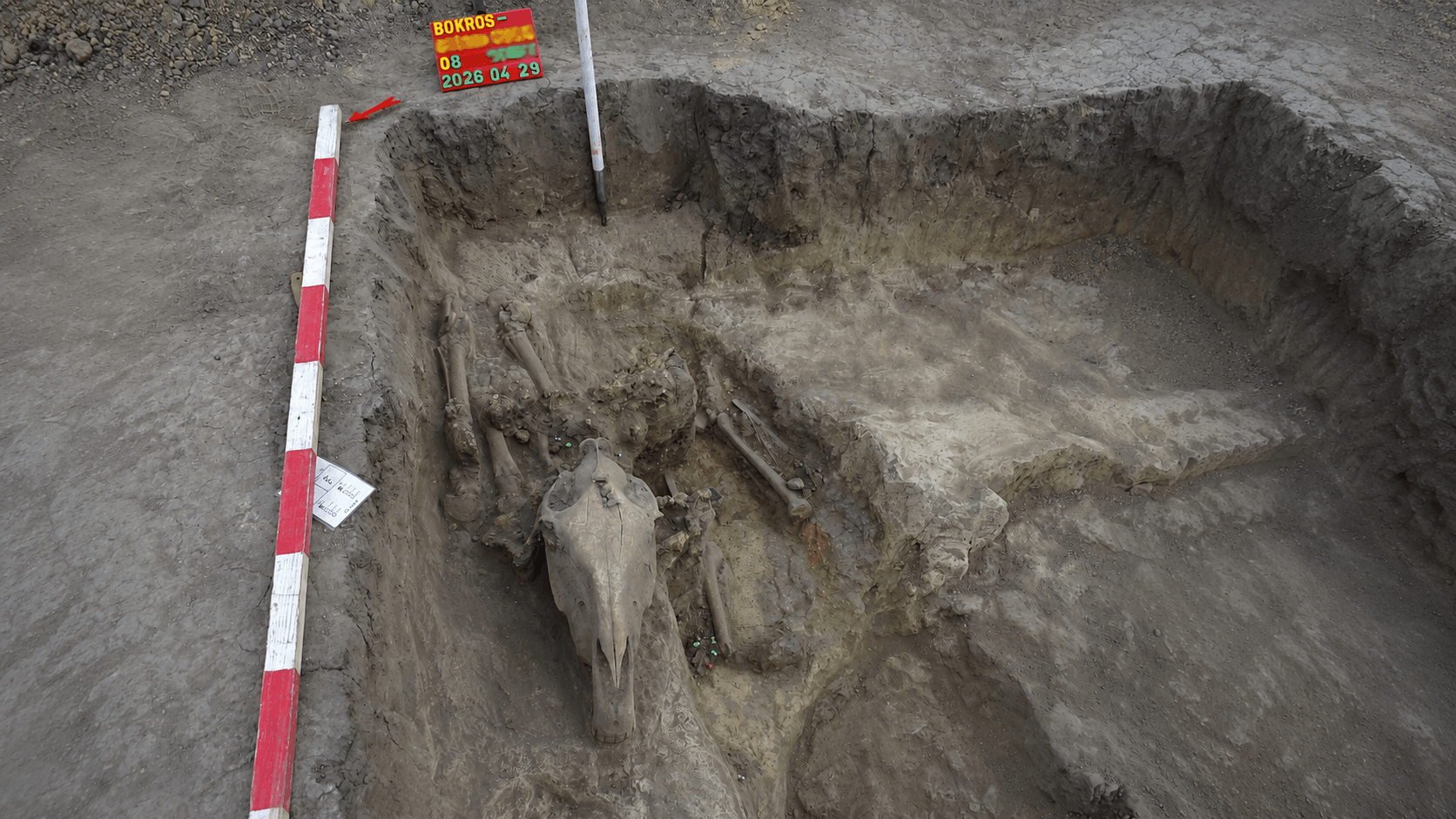
An elite mounted warrior grave linked to the early Hungarians has been uncovered at Csongrád-Bokros in southern Hungary, offering a rare new glimpse into the period when Hungarian groups entered and settled in the Carpathian Basin.
The planned excavation was carried out in April and May by the Tari László Museum under the direction of Dr. Csaba Szalontai and Martin Borsódi. According to the museum, the burial belongs to the period known in Hungarian historiography as the honfoglalás, the “conquest” or settlement of the Carpathian Basin by the Hungarians in the late 9th and early 10th centuries.
Researchers say the grave may be the earliest and most prestigious burial so far linked to the early Hungarians within the Csongrád district. Although further scientific analysis is still needed, the first observations already point to a discovery of more than local importance.
A discovery that began in a ploughed field
The first signs of the site appeared in early 2024, when two museum-affiliated metal detectorists, Lajos Lénárt and Judit Csentes, noticed archaeological finds in a ploughed field.
They were later joined by Ferenc Zsigó, a local historian from Tiszaalpár, who contributed additional objects and helped prepare and analyse distribution maps of the finds. That work proved important. In archaeology, the position and spread of objects across a landscape can be as meaningful as the objects themselves.
What began as a surface discovery soon developed into a controlled excavation. The museum’s intervention allowed the finds to be studied within a proper archaeological framework, rather than remaining isolated objects without context.
A disturbed grave with an intact story
The mounted warrior’s grave had not survived untouched. Museum specialists reported that it had been heavily disturbed when an early modern storage pit was dug into the area. Even so, part of the burial remained intact.
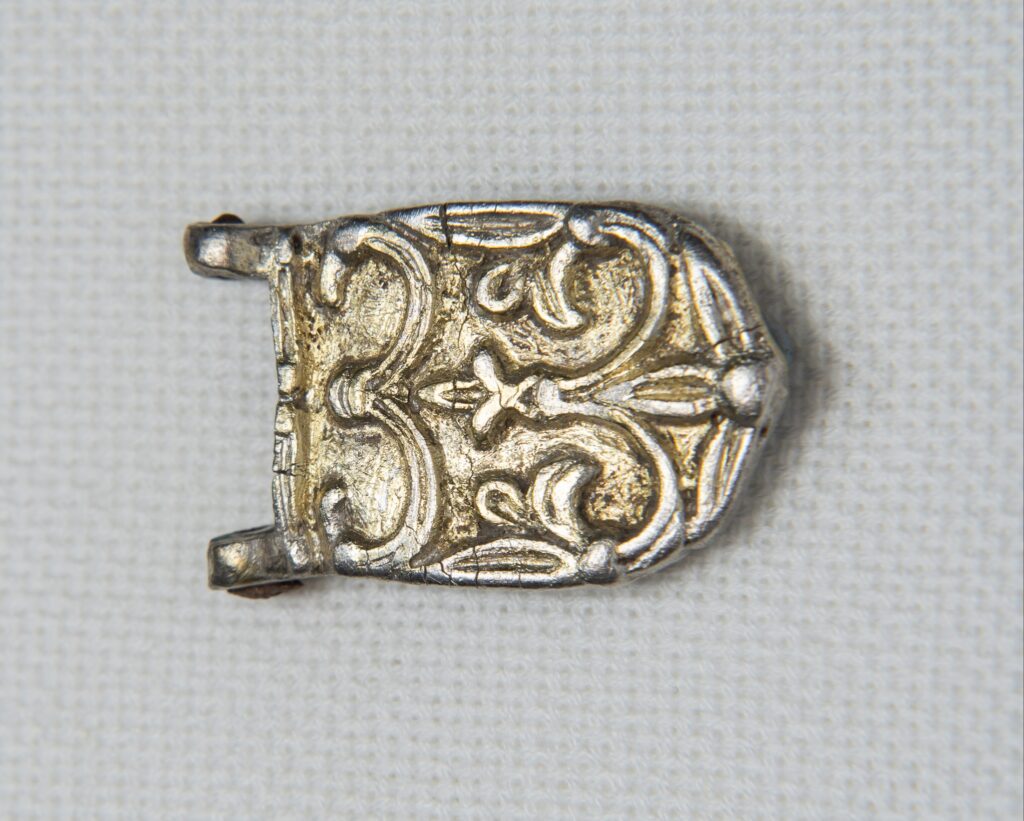
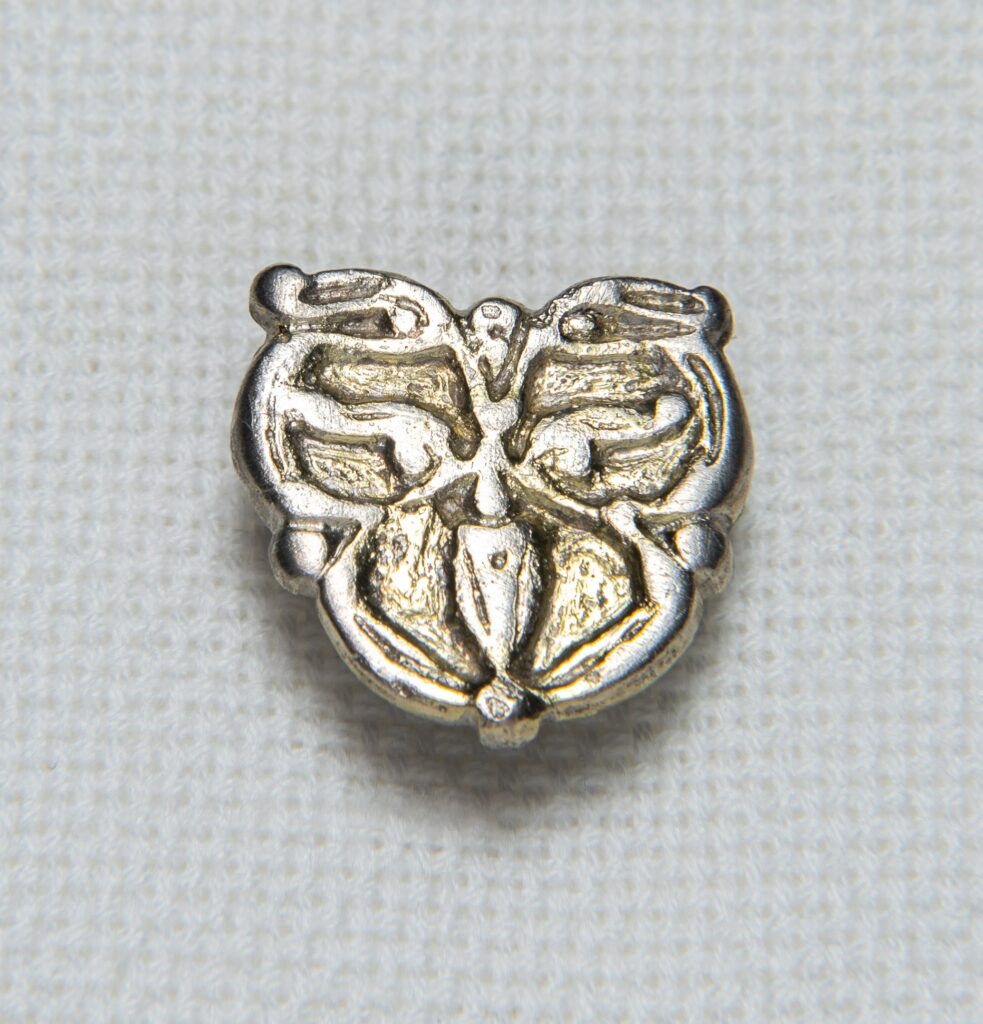
That preserved section gave archaeologists crucial information about the grave’s arrangement, burial customs and associated objects. The individual had been buried with rich grave goods, suggesting a person of elevated rank rather than an ordinary member of the community.
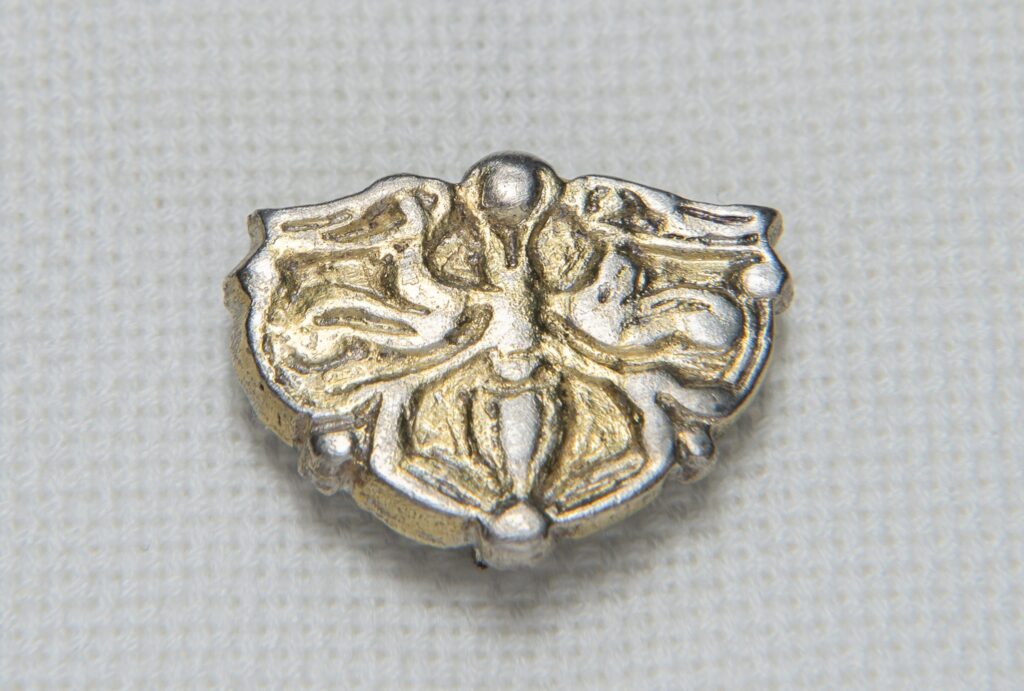
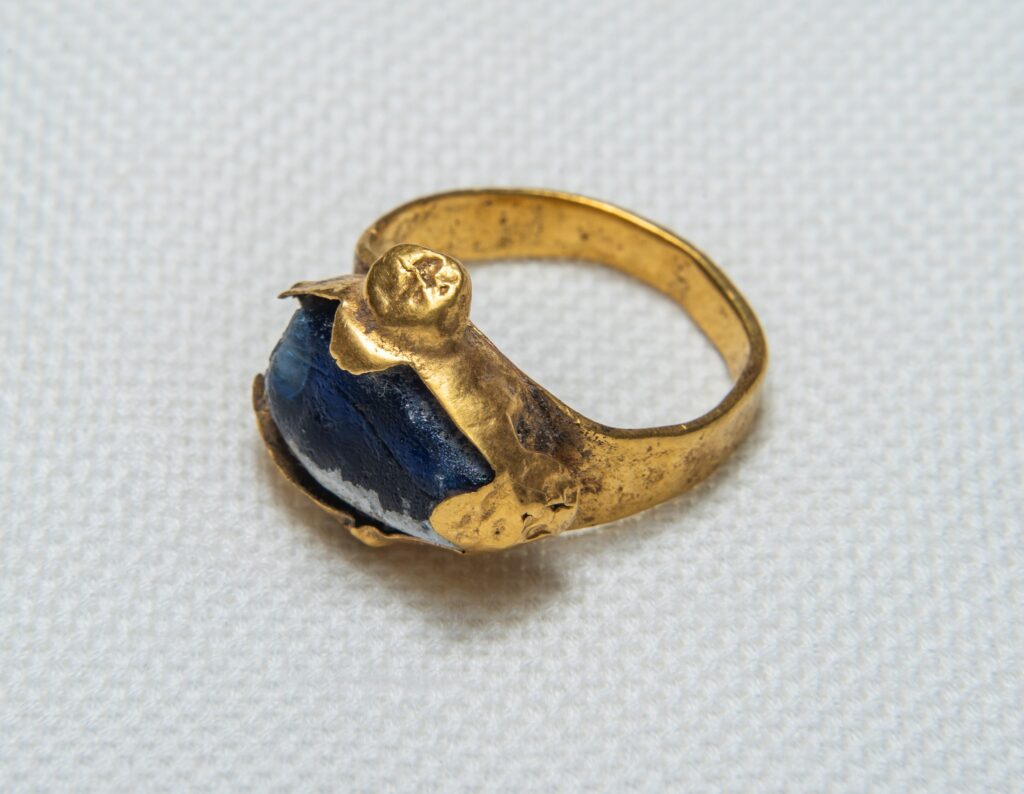
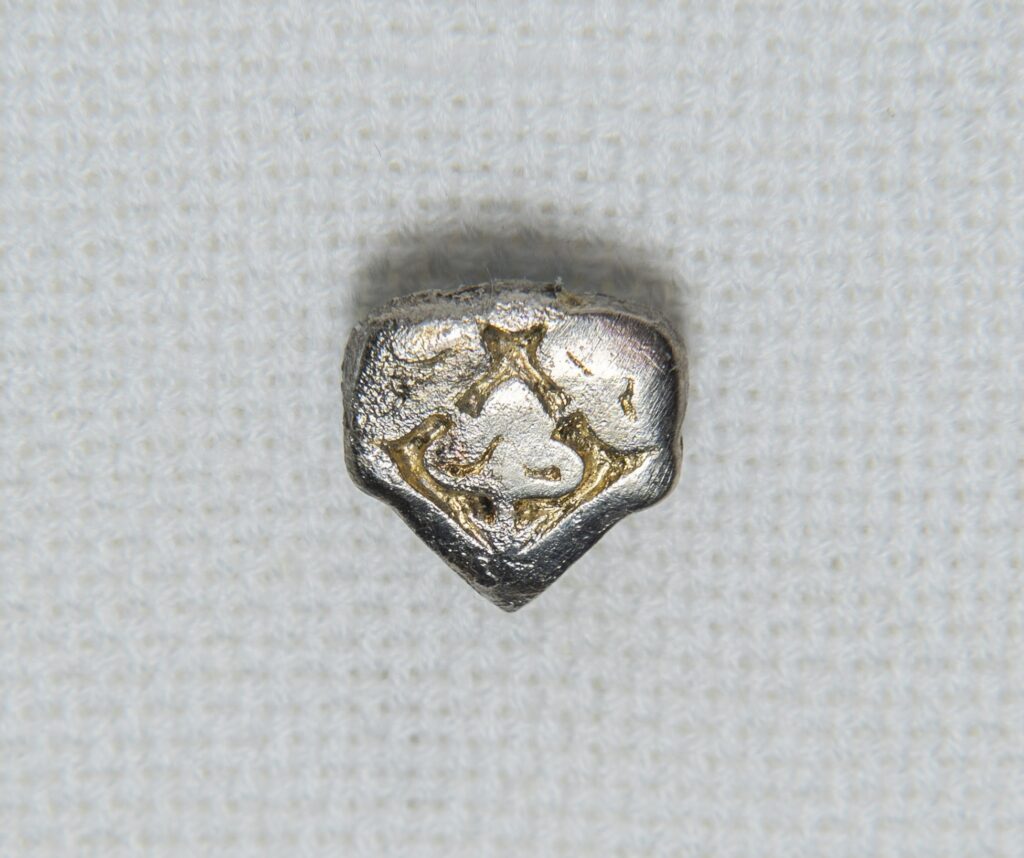
The Tari László Museum also noted the presence of several extremely rare objects, some of them thought to be of eastern origin, as well as burial features that may have few or no known parallels. The museum has not yet released a full typological list of the finds, so the exact function, origin and chronology of these objects will depend on conservation, comparison and specialist analysis.
A burial tied to the early Hungarian settlement horizon
The honfoglalás period marks one of the defining episodes in Hungarian history. During the late 9th century, Hungarian groups moved into the Carpathian Basin and gradually became a lasting political and cultural force in Central Europe.
Elite horseman burials from this horizon are especially valuable because they can reveal more than military status. They can point to social hierarchy, mobility, long-distance contacts and the material culture of early Hungarian elites.
The Csongrád-Bokros grave stands out for precisely this reason. If the first interpretations are confirmed by further research, the burial could add new evidence to discussions about the eastern connections of early Hungarian groups and their settlement patterns in the Carpathian Basin.
The site may also help refine the archaeological picture of how local landscapes were occupied, used and remembered during the first generations of Hungarian presence in the region.
Community archaeology under professional supervision
The discovery also highlights the value of controlled community archaeology. Metal detecting can damage archaeological heritage when carried out illegally or without documentation. But when volunteers work with museums, their field observations can lead to major discoveries while preserving the scientific value of the finds.
At Csongrád-Bokros, that cooperation was central. The first objects were recognised in the field by trained local collaborators. The museum then turned the findspot into a planned excavation, supported by mapping, analysis and professional recovery.
The Tari László Museum thanked Csongrád mayor Tamás Bedő for his support, as well as the volunteers and collaborators who contributed to the excavation.
The next stage will focus on the detailed study of the grave goods, burial arrangement and possible eastern parallels. For now, the Csongrád-Bokros burial already appears to be one of the most significant early Hungarian finds recently reported from the region.
Its importance lies not only in the prestige of the buried warrior, but also in what the grave may reveal about movement, identity and elite culture at a turning point in Central European history.