
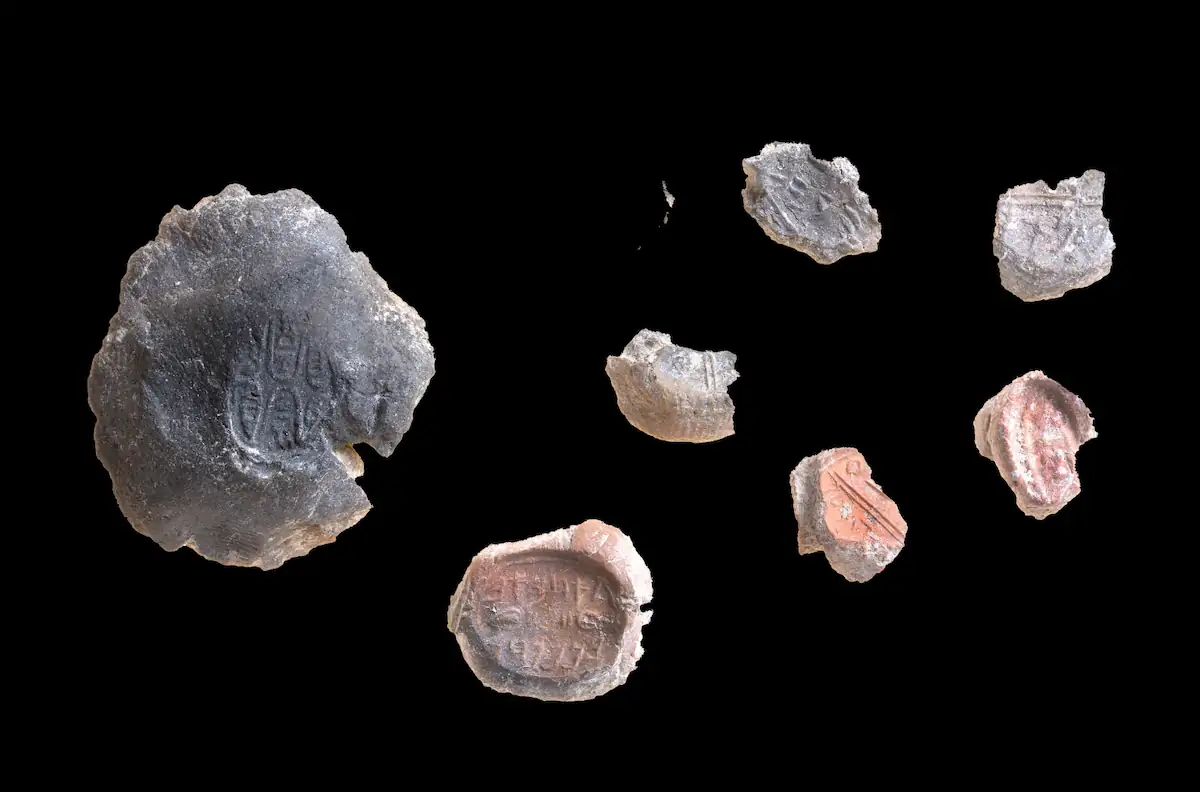
Ancient bullae from Jerusalem are usually studied for the seal impressions on their front faces. But a new research project is turning them over. On their backs, faint traces of papyrus, cord, cloth, wood, or jars may reveal what these clay sealings once protected.
That hidden side is now at the center of a new research project led by Dr. Joe Uziel and Dr. Yiftah Shalev, with support from the Israel Science Foundation. Instead of treating bullae only as objects stamped by officials or private individuals, the project asks a more physical question: what were these clay pieces actually sealing?
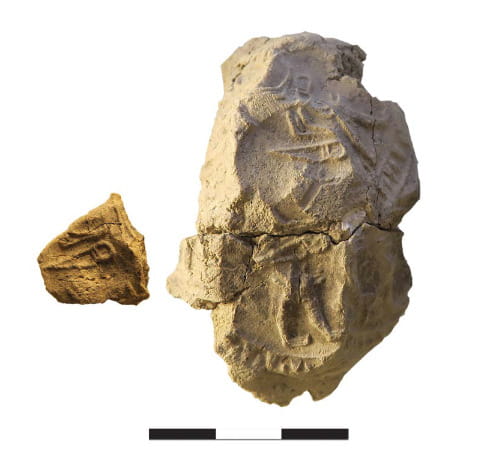
A bulla is not the seal itself. It is a small piece of clay impressed with a seal and used to close or secure a document, package, jar, bag, or another object. The seal impression on the front could identify the person or office behind the sealing. The back, however, may preserve the last trace of the object that has disappeared.
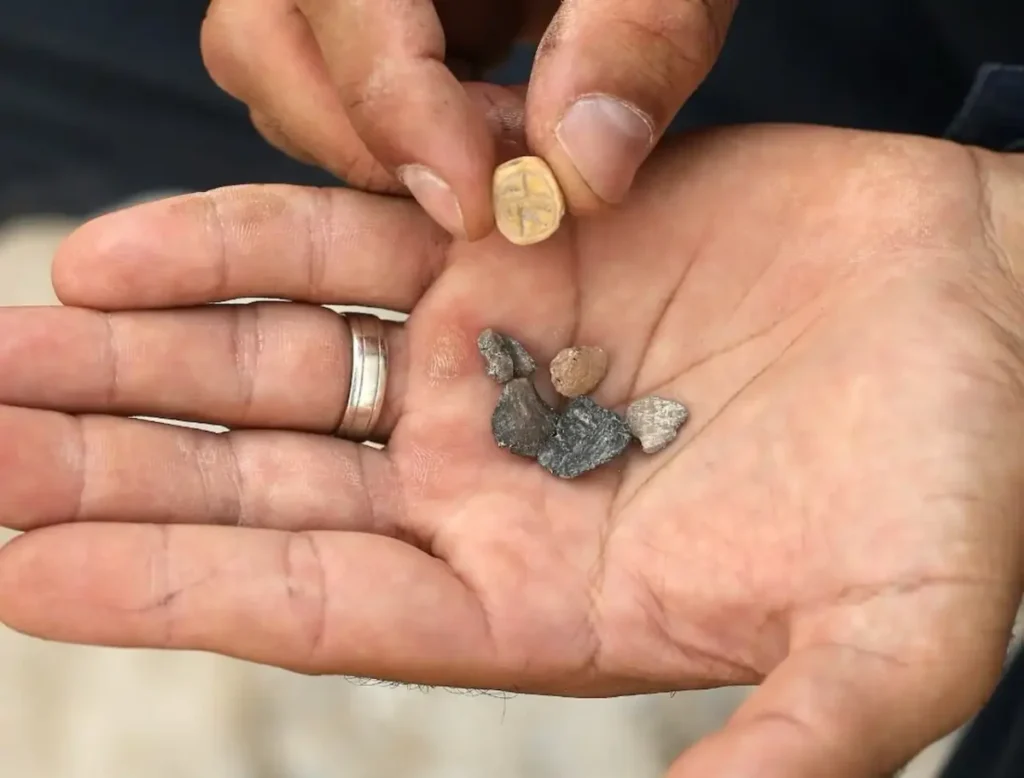
The back of the bulla
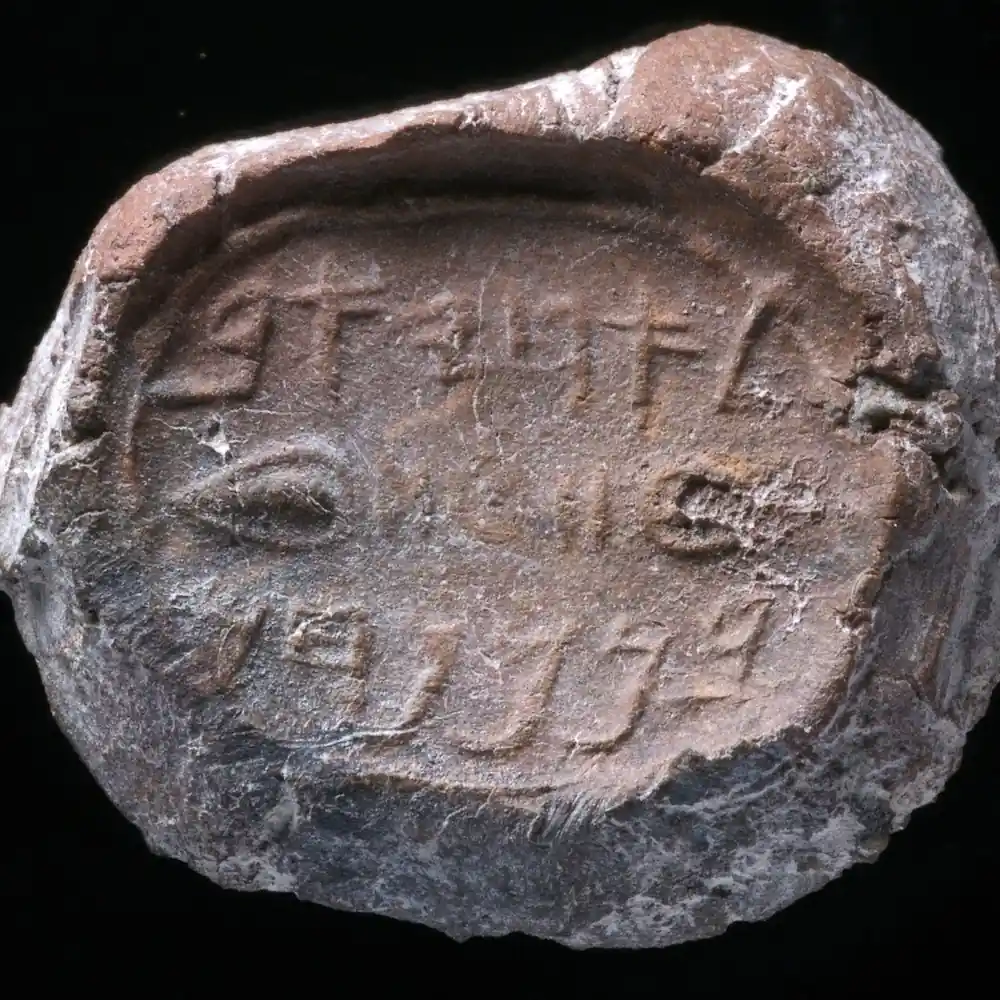
For years, bullae have usually drawn attention because of the marks on their front faces. Names, symbols, official titles, and seal designs can connect them to administration, ownership, or authority. That evidence is valuable, but it tells only part of the story.
The reverse side can be just as revealing. A papyrus document may leave fibers in the clay. A linen bag can leave a woven texture. A cord may press a narrow groove into the surface. A wooden box, jar rim, or tied bundle may leave a mark that survives long after the original material has vanished.
This is why the Jerusalem project matters. It moves the question from “who sealed this?” to “what was being sealed?” That shift may help researchers reconstruct how letters, goods, containers, and valuables moved through ancient Jerusalem.
Reading traces too small for the eye
Modern tools are making that work more precise. Through 3D scanning, researchers can examine shallow impressions, surface textures, and tiny distortions in the clay. Geochemical analysis can help identify the source of the clay and may show whether some bullae were made locally or came from elsewhere.
Fingerprints can also survive on bullae. In some cases, the clay may preserve both the mark of the person who handled it and the mark of the object it once secured. That makes each bulla more than a stamped administrative object. It becomes a small record of contact.
Many of these clay pieces survived because of destruction. Unfired clay is fragile, but fire can harden it. In ancient cities, burning buildings sometimes preserved bullae that would otherwise have crumbled. For archaeologists, those accidents of destruction can open a narrow but valuable window into daily life.
A system older than modern security
The Jerusalem research is local in focus, but the practice belongs to a much wider Near Eastern world. Across Mesopotamia, Anatolia, the Assyrian trade colonies, and the Hittite realm, seal-impressed clay pieces helped people control access to documents, containers, and goods.
Kültepe-Kanesh, near modern Kayseri in central Türkiye, offers one of the clearest Anatolian comparisons. In the early second millennium BCE, it was a major center for Assyrian merchants operating between Mesopotamia and Anatolia. Thousands of tablets, clay envelopes, and seal impressions from the site show a commercial world built on contracts, loans, shipments, partnerships, and family correspondence.
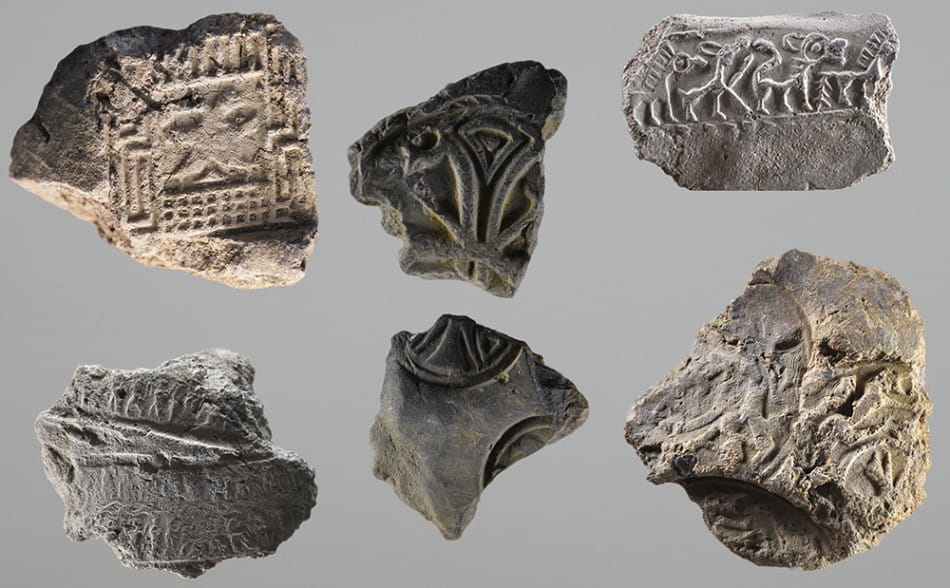
At Kültepe, written documents could be placed inside clay envelopes and sealed. If the envelope was broken, interference with the text became visible. The mechanism was simple, but the social meaning was large: trade required trust, and trust had to leave a trace.
In the Hittite world, the same broad principle served a different setting. Seal-impressed clay pieces from centers such as Hattusa and Carchemish were tied closely to administration, royal authority, and official storage. Kings, princes, officials, and institutions used sealings to mark documents and objects within a controlled bureaucratic system.
What the clay remembered
The strength of the Jerusalem project is that it does not stop at the stamped image. It treats the bulla as a point of contact between people, objects, and movement.
A name on the front may identify authority. A fiber on the back may point to a lost letter. A cord mark may suggest a tied package. A textile impression may reveal a bag. A jar rim may point to stored goods. Each trace is small, but together they can change the way archaeologists read ancient administration and everyday exchange.
The wider examples from Kültepe, Mesopotamia, and the Hittite world help place Jerusalem in a broader tradition of sealing and control. Yet the heart of the story remains the same: these bullae are being studied not only for what was pressed onto them, but for what once pressed against them.