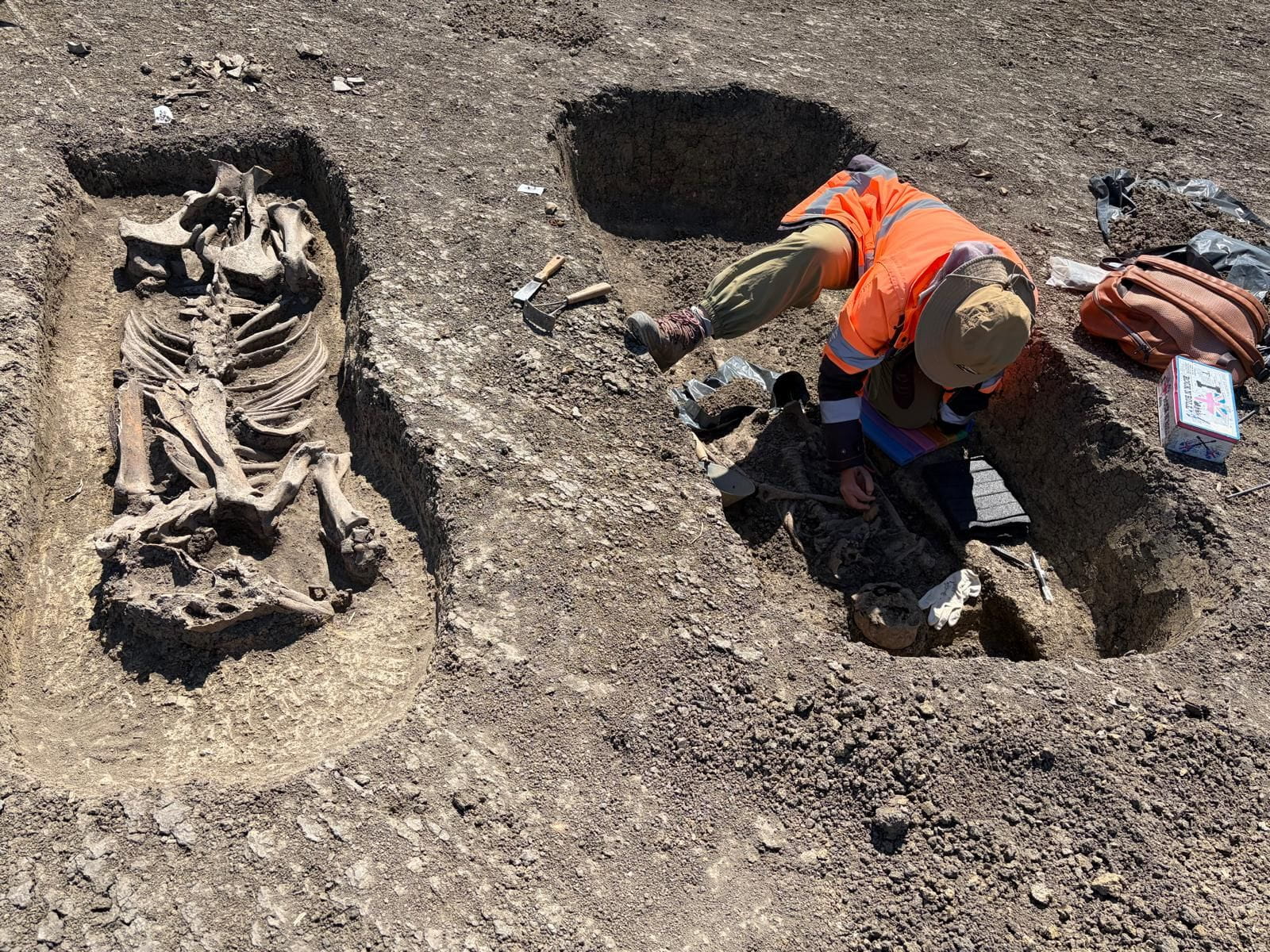
An Avar warrior grave uncovered on a modern bypass route in western Romania is offering a rare look into the world of early medieval mounted elites, where power could be buried with a horse, precious metal objects, and the memory of a warrior’s rank.
The burial was discovered during archaeological investigations on the route of the Timișoara West bypass, a major road project in Romania’s Banat region. What began as preparatory work for modern infrastructure has revealed a funerary complex dating to the 6th or 7th century CE, a period when the Avars were a major force across Central and Southeastern Europe.
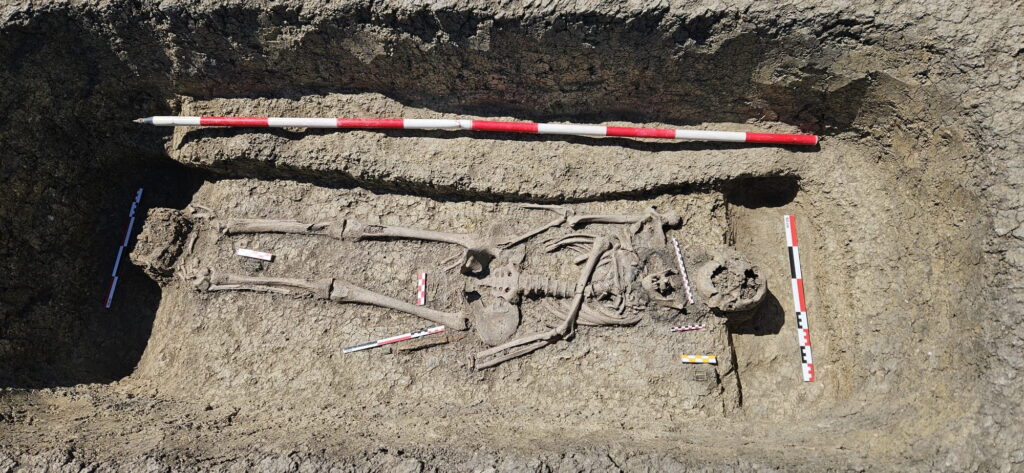
The most striking detail is the burial itself. Archaeologists identified the remains of a warrior interred together with his horse, a practice strongly associated with Avar-period military elites. The grave also contained objects made of gold, silver, and bronze, along with remains linked to riding equipment. These finds suggest that the individual held a high social position, likely connected to the mounted warrior class that shaped Avar power.
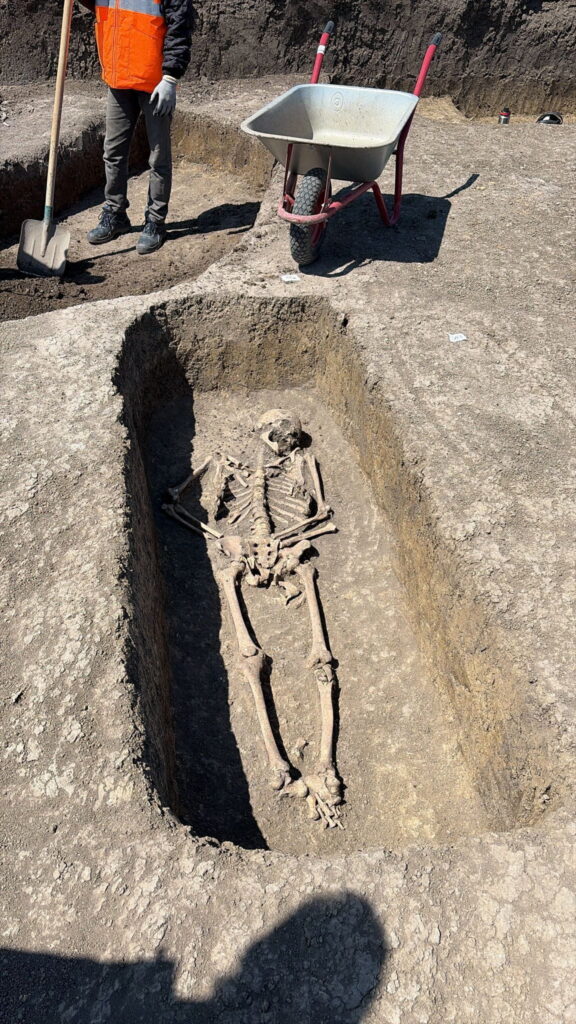
A road project cuts into the early medieval past
The discovery was made along the Timișoara West bypass route, where archaeological research is being carried out in parallel with construction works. Such investigations are required before large infrastructure projects move forward, especially in regions with long and layered histories.
In this case, the road corridor crossed a landscape that had been part of wider networks of settlement, movement, and military activity for centuries. Banat, positioned between the Carpathian Basin, the lower Danube, and the Balkans, was never a marginal zone. It stood at the edge of empires, migrations, and steppe-linked political systems.
The newly identified grave adds another layer to that history. It shows that the region was connected to the Avar world, a sphere of influence built around mobility, mounted warfare, and elite display.
The Avars and the language of horse burials
The Avars entered European history in the 6th century and established a powerful presence in the Carpathian Basin. Their influence extended across parts of Central and Eastern Europe, where they became known for their military organization, cavalry traditions, and political dominance in the centuries after the fall of the Western Roman Empire.
In Avar funerary practice, the horse could carry deep symbolic meaning. It was not merely a means of transport. For a warrior, the horse represented status, movement, military identity, and authority. To be buried with a horse was to be remembered through the image of mounted power.
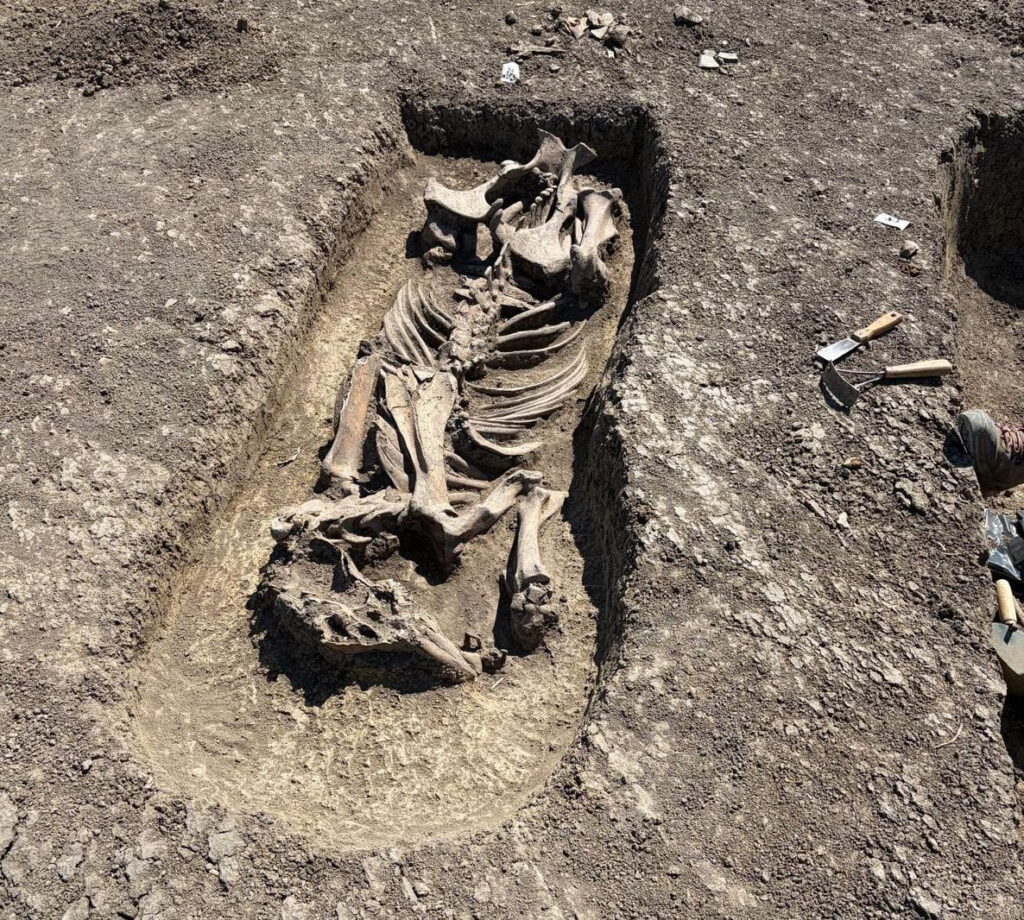
That is what makes the Timișoara burial so important. The grave does not simply contain a person from the early Middle Ages. It preserves a carefully staged statement about who that person was, or how his community wanted him to be seen in death.
The precious objects strengthen this interpretation. Gold, silver, and bronze items in a funerary context often point to social distinction. When such materials appear together with horse remains and riding equipment, they create a clearer picture of rank. This was likely not an ordinary burial, but the grave of someone whose identity was tied to military prestige.
A rare glimpse of elite life in Banat
The discovery may help researchers better understand how Avar elites moved through, occupied, or influenced the Banat region during the 6th and 7th centuries. While the full archaeological analysis has not yet been published, the reported features already place the grave among the more notable early medieval finds recently brought to light in western Romania.
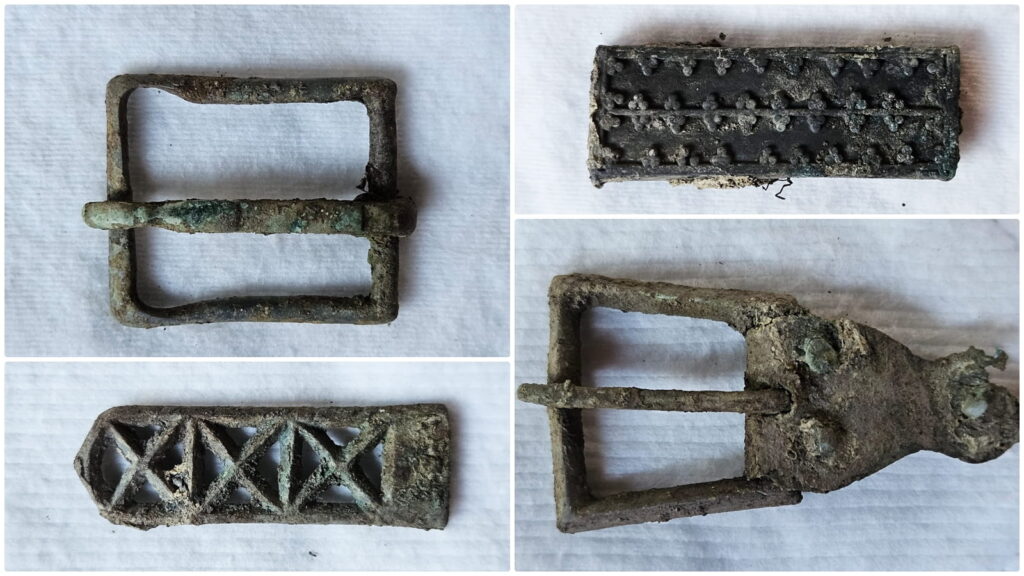
The exact details still matter. Further study may clarify the warrior’s age, health, biological profile, the arrangement of the horse burial, and the function of the metal objects. Researchers may also determine whether the grave belonged to a larger cemetery or stood as a more isolated elite burial.
For now, the find offers a powerful image: a warrior laid to rest with the animal that likely defined his life in motion. More than 1,300 years later, that image has returned through the path of a modern road.
The Timișoara West bypass discovery is a reminder that infrastructure projects do more than reshape present-day landscapes. Sometimes, they cut through older worlds still waiting beneath the soil. In Banat, one of those worlds belonged to an Avar horseman whose grave still speaks of rank, warfare, and the long reach of the steppe in early medieval Europe.
Cover Image Cedit: DRDP Timişoara