-
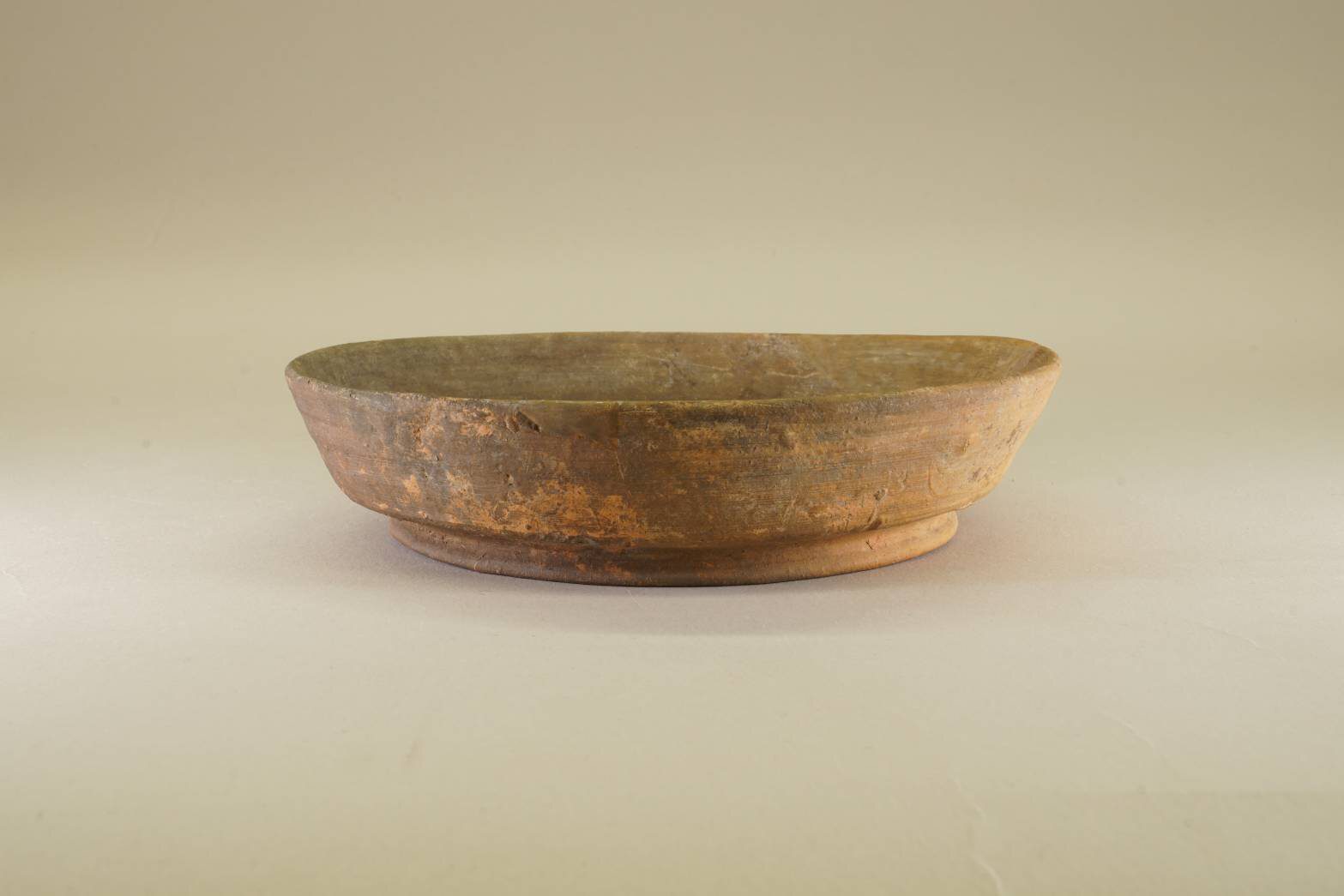
AI Learns to Read Ancient Pottery: New 3D Study Challenges How Archaeologists Classify Ceramics
Archaeologists have long relied on trained eyes to classify ancient pottery. But a new study suggests that may no longer be enough. Using 3D data and artificial intelligence, researchers have shown that machines can now identify subtle differences in ceramic forms with a level of consistency that challenges traditional methods. The findings were published in…
-
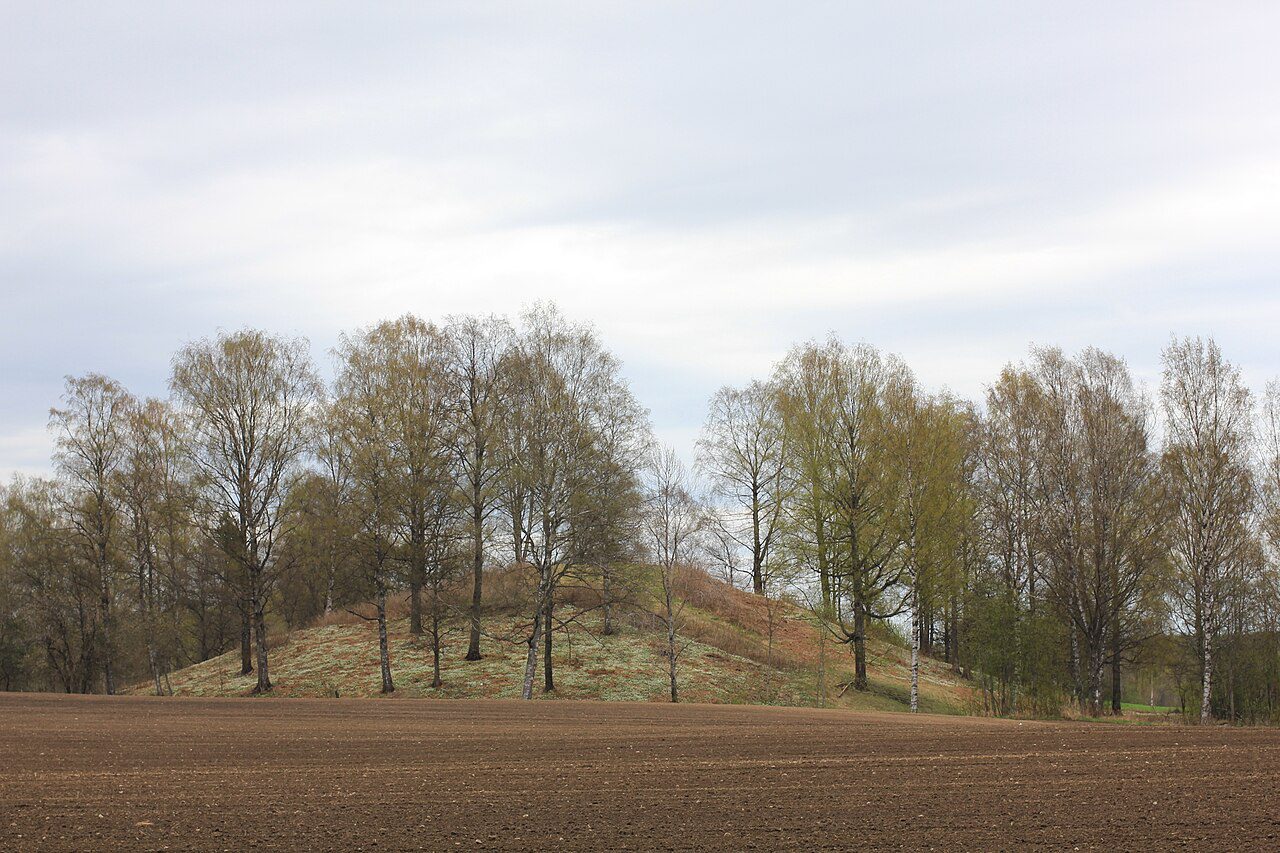
Raknehaugen May Not Be a Royal Burial After All—Study Points to Catastrophic Origin
Raknehaugen, one of the largest prehistoric mounds in Scandinavia, has long been interpreted as the burial place of a powerful Iron Age elite. Yet despite more than a century of excavation, no confirmed grave has ever been identified within the monument in Norway. A new study suggests that this enormous structure may not have been…
-
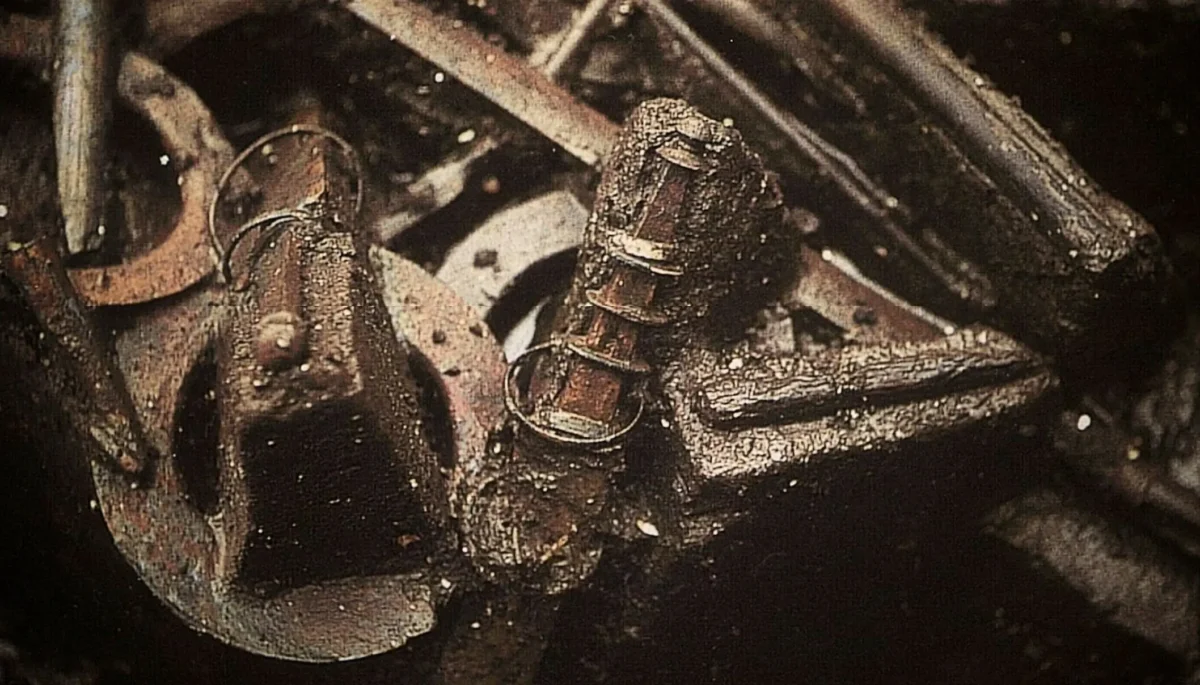
1,000-Strong Army Defeated in Denmark May Have Been Marching to Serve Rome
A dramatic reinterpretation of the Illerup Ådal battlefield is reshaping what we know about Iron Age Europe. New research suggests that a 1,000-strong Scandinavian army defeated in Denmark around AD 205 may not have been a local force at all—but a mobile warband possibly heading south to serve the Roman Empire as mercenaries. The theory,…
-
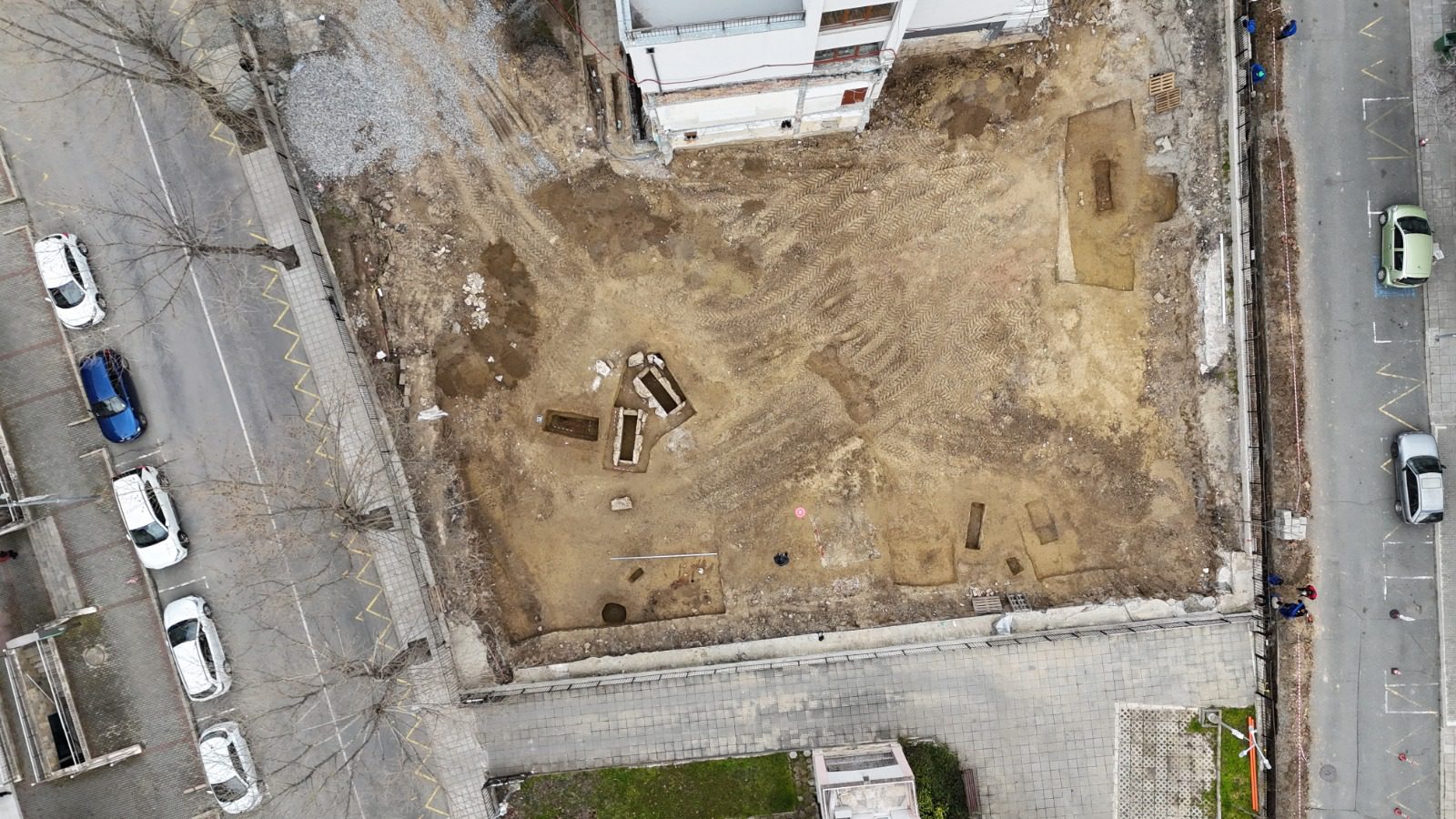
Hellenistic Tombs Unearthed in Bulgaria Reveal Rare Burial Pit and Gilded Bronze Wreath
A stretch of Bulgaria’s Black Sea coast has quietly revealed a remarkable chapter of ancient life—and death. Archaeologists working in Nessebar have uncovered a group of Hellenistic tombs dating to the 3rd–2nd centuries B.C., including an unusual stepped burial pit containing a finely crafted gilded bronze wreath. The discovery was made within the necropolis of…
-
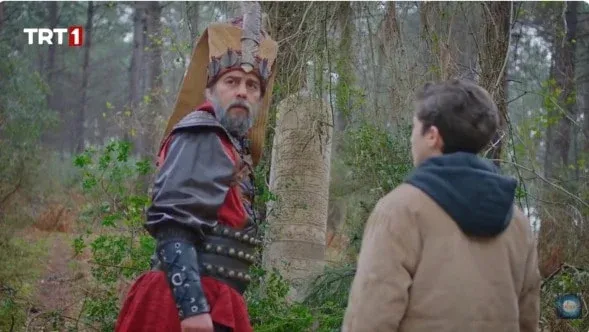
TV Prop Registered as Ottoman Artifact: Museum Case Sparks Debate in Turkey
A television prop initially identified as an Ottoman-era menzil stone has sparked debate in Turkey after it was officially registered as a cultural asset and transferred to a museum—before later being revealed as a modern production piece. According to a report published in Cumhuriyet, the object was created in 2019 for the TRT 1 children’s…
-

Archaeologists Unearth 6,000 Years of Human History in Chechnya—from Ritual Altars to Bronze Age Metal Workshops
A vast archaeological investigation in southern Russia has revealed an unexpectedly dense landscape of human activity stretching back more than 6,000 years—uncovering ritual spaces, early settlements, metal workshops, and hundreds of burials that reshape what we know about the North Caucasus. Conducted ahead of the construction of the Novogrozny–Serzhen-Yurt gas pipeline, the excavation—led by the…
-

Second Crusader Sword Discovered Off Israel Coast Five Years After First Find
Five years after uncovering a barnacle-covered Crusader sword off the coast of Israel, diver Shlomi Katzin has returned to nearly the same location—and found another. The new find is already drawing attention from archaeologists, not just for its rarity, but for what it suggests about medieval activity along the region’s shoreline. A Chance Encounter Turns…
-
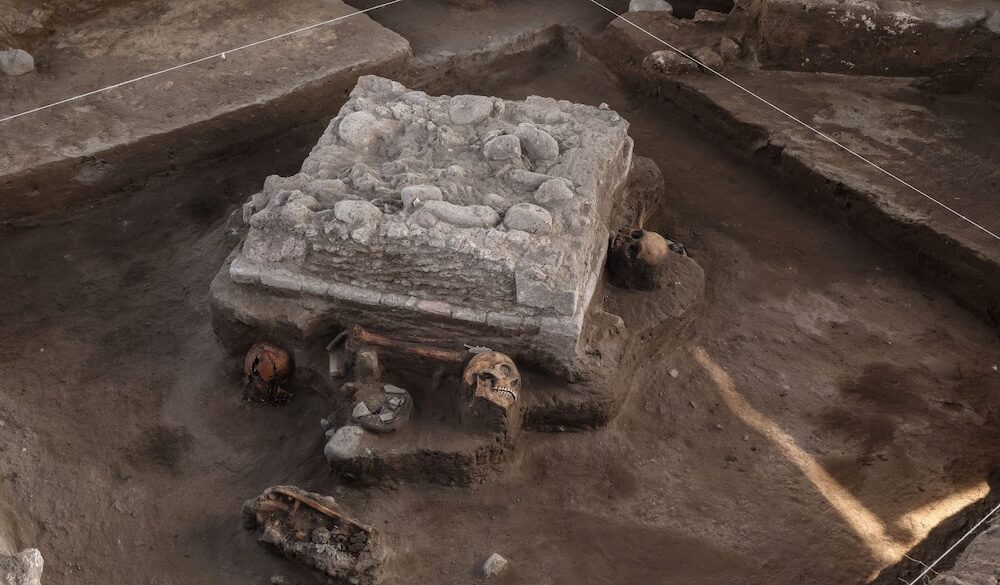
Ancient Toltec Altar With Human Remains Discovered Near Tula Ruins in Mexico
Archaeologists working near the ancient city of Tula in central Mexico have uncovered a Toltec ceremonial altar surrounded by human remains and ritual offerings, shedding new light on the religious life and urban layout of one of Mesoamerica’s most influential civilizations. The discovery emerged during salvage excavations linked to the construction of the Mexico City–Querétaro…
-

16,000-Year-Old Dogs Identified in Turkey: Ancient DNA Pushes Back Origins of Dog Domestication
Early dogs identified in Turkey are now reshaping what scientists know about dog domestication. New ancient DNA evidence from the Pınarbaşı site reveals that dogs were already living alongside humans around 16,000 years ago—thousands of years earlier than previously confirmed. The discovery, based on full genome analysis of Upper Palaeolithic remains, places central Anatolia at…