-

16,000-Year-Old Dogs Identified in Turkey: Ancient DNA Pushes Back Origins of Dog Domestication
Early dogs identified in Turkey are now reshaping what scientists know about dog domestication. New ancient DNA evidence from the Pınarbaşı site reveals that dogs were already living alongside humans around 16,000 years ago—thousands of years earlier than previously confirmed. The discovery, based on full genome analysis of Upper Palaeolithic remains, places central Anatolia at…
-
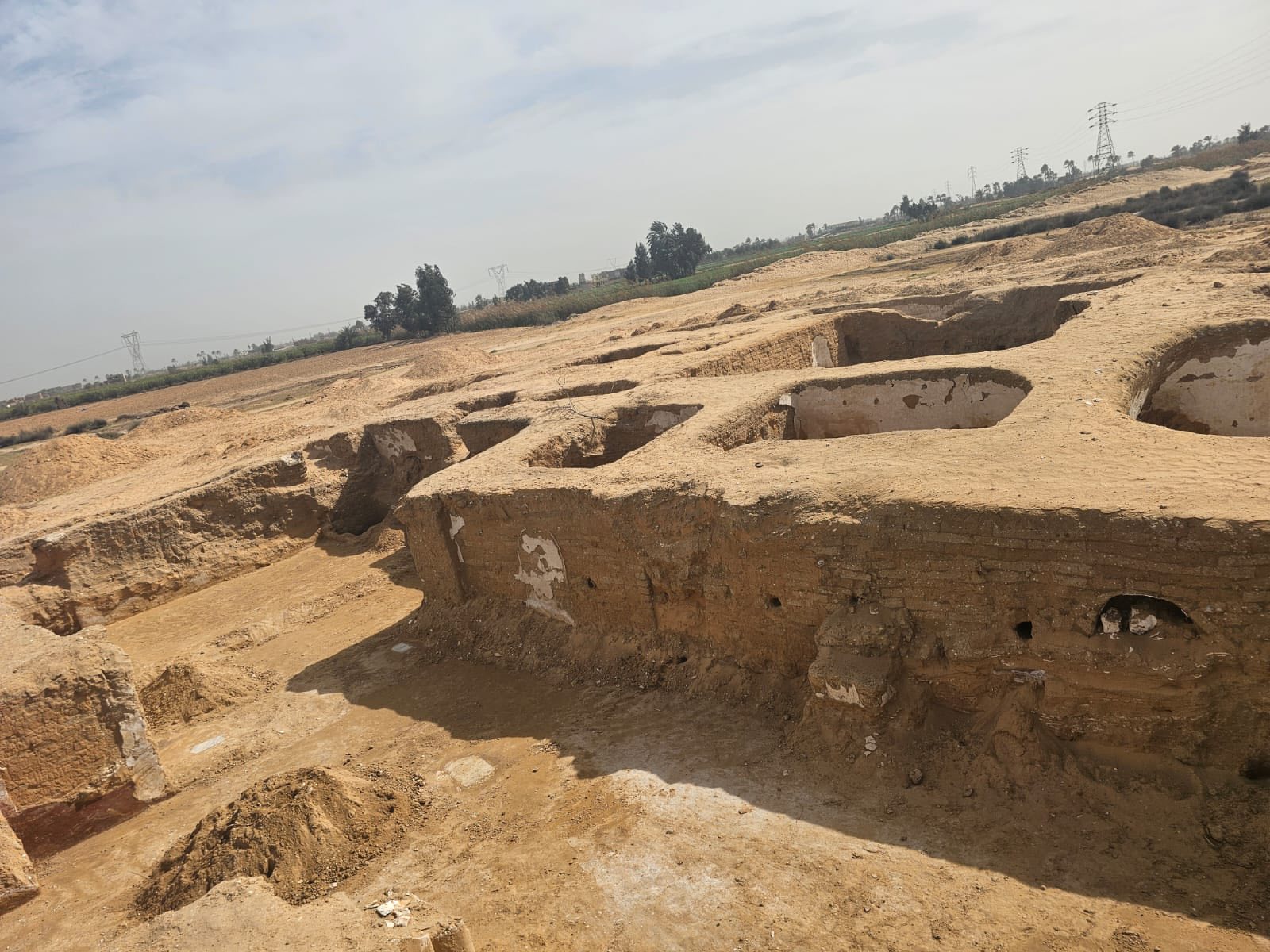
1,500-Year-Old Monastic Complex Unearthed in Egypt Highlights Al-Qalāyā’s Major Role in Early Christianity
A newly uncovered 5th-century building at Egypt’s Al-Qalāyā archaeological site is drawing renewed attention to one of the Nile Delta’s most significant early Christian centers, after officials indicated that the wider complex ranks among the largest monastic clusters in Christian history. The discovery was announced by Egypt’s Ministry of Tourism and Antiquities following excavations carried…
-
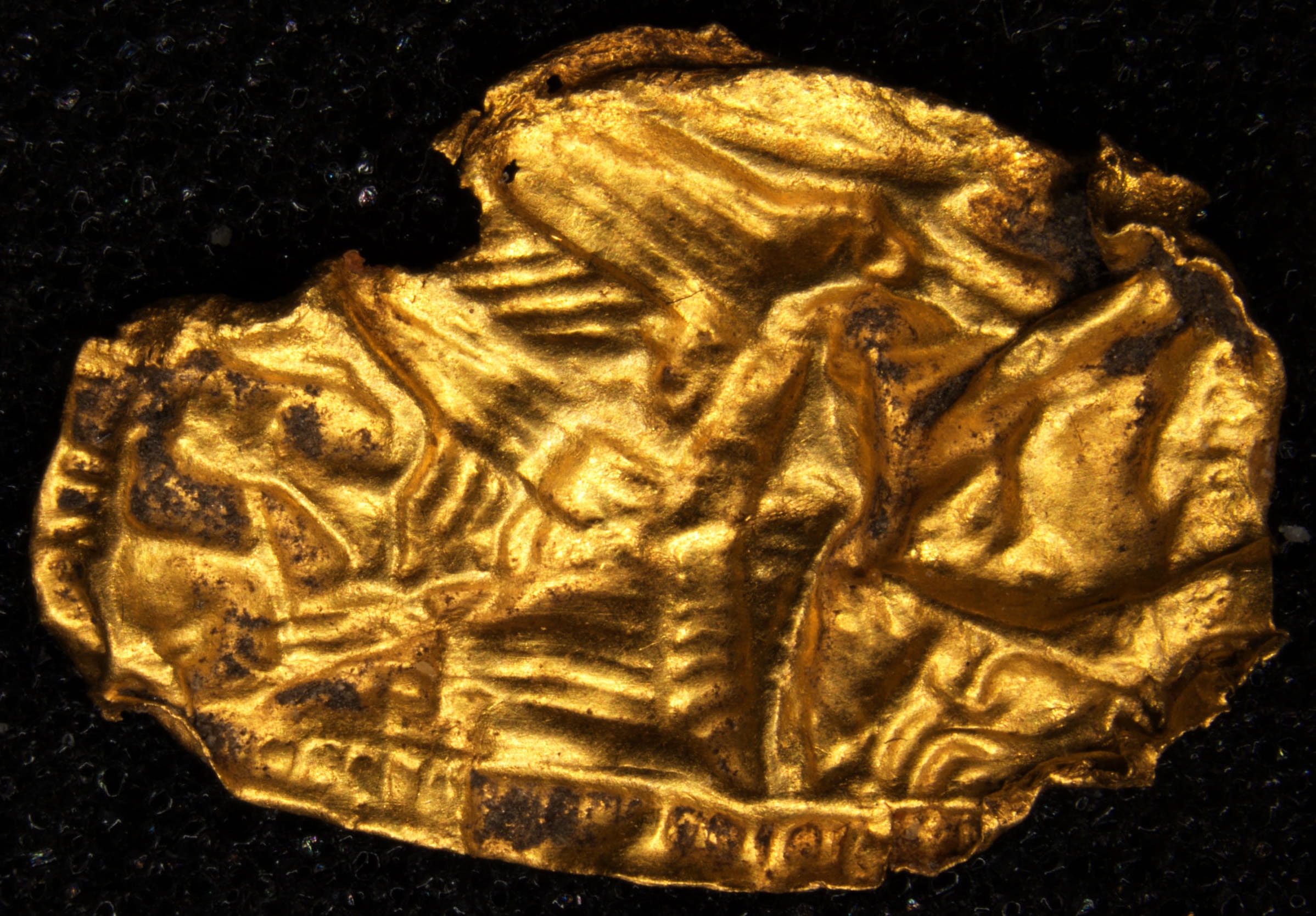
Rare Nordic Iron Age “Gold Man” Found in Norway After 127 Years
In southwestern Norway, a metal detectorist has uncovered a rare gullgubbe—a delicate gold foil stamped with the image of a man and a woman—dating to the Nordic Iron Age (c. 550–793 A.D.). Despite measuring just 1 centimeter in length, the object may offer critical clues about a forgotten ceremonial landscape. A Rare Find in Rogaland…
-
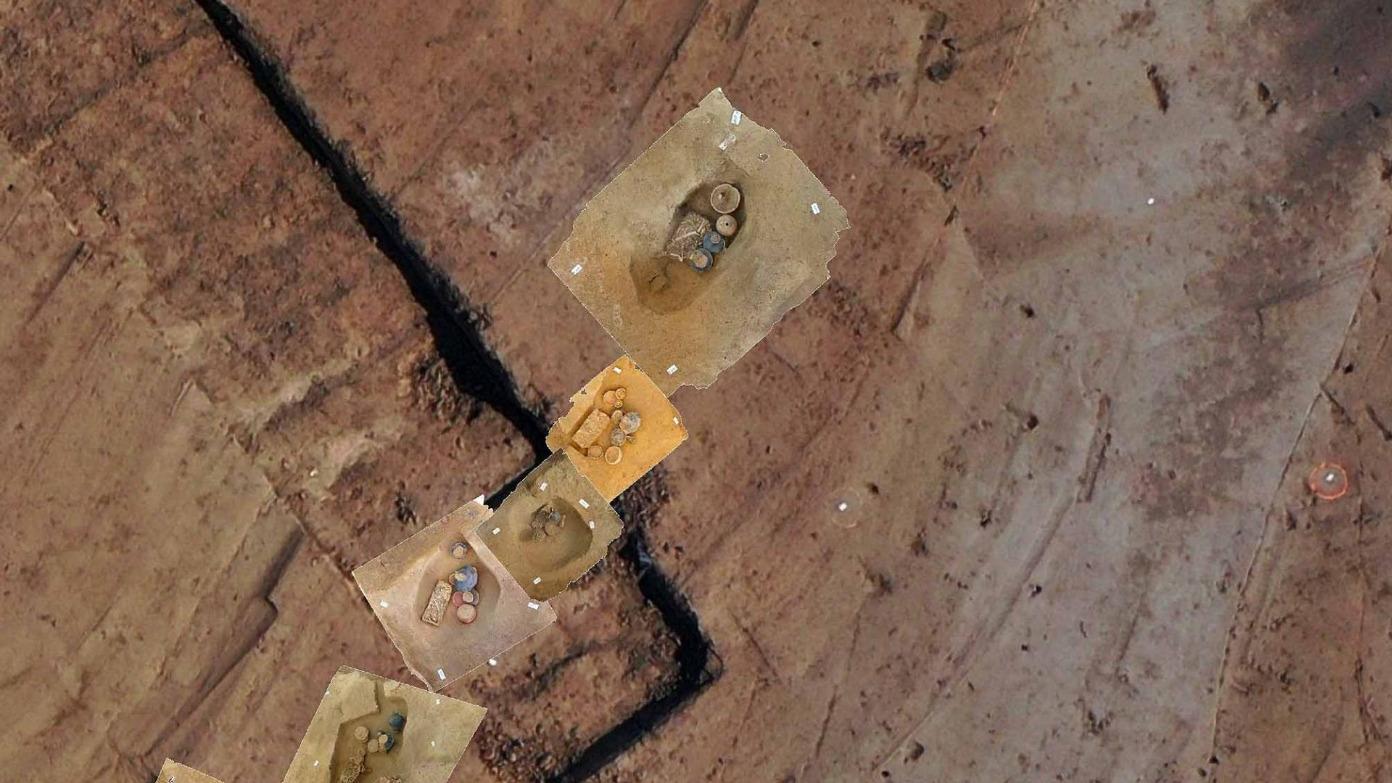
2,000-Year-Old Child’s Grave in France Reveals Terracotta Figurine of Embracing Couple
A small grave, easily overlooked among hundreds of archaeological features in northern France, has yielded one of the most quietly powerful discoveries of recent years: a terracotta figurine depicting a couple locked in an embrace, placed beside the cremated remains of a very young child. The burial, dated to the 1st century AD, was uncovered…
-
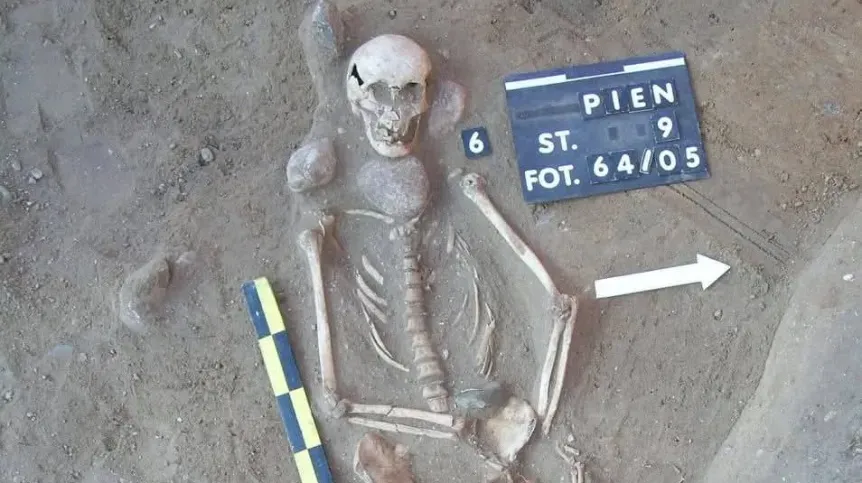
Over 100 Graves in Poland Reveal ‘Vampire Burials’—But Archaeologists Say They May Be Society’s Outcasts
In the village of Pień in northern Poland, archaeologists have uncovered more than 100 graves from a 17th-century cemetery—many of them associated with what are often described as vampire burials. Yet as research deepens, a different picture is emerging: this site may have served as a burial ground for individuals pushed to the margins of…
-
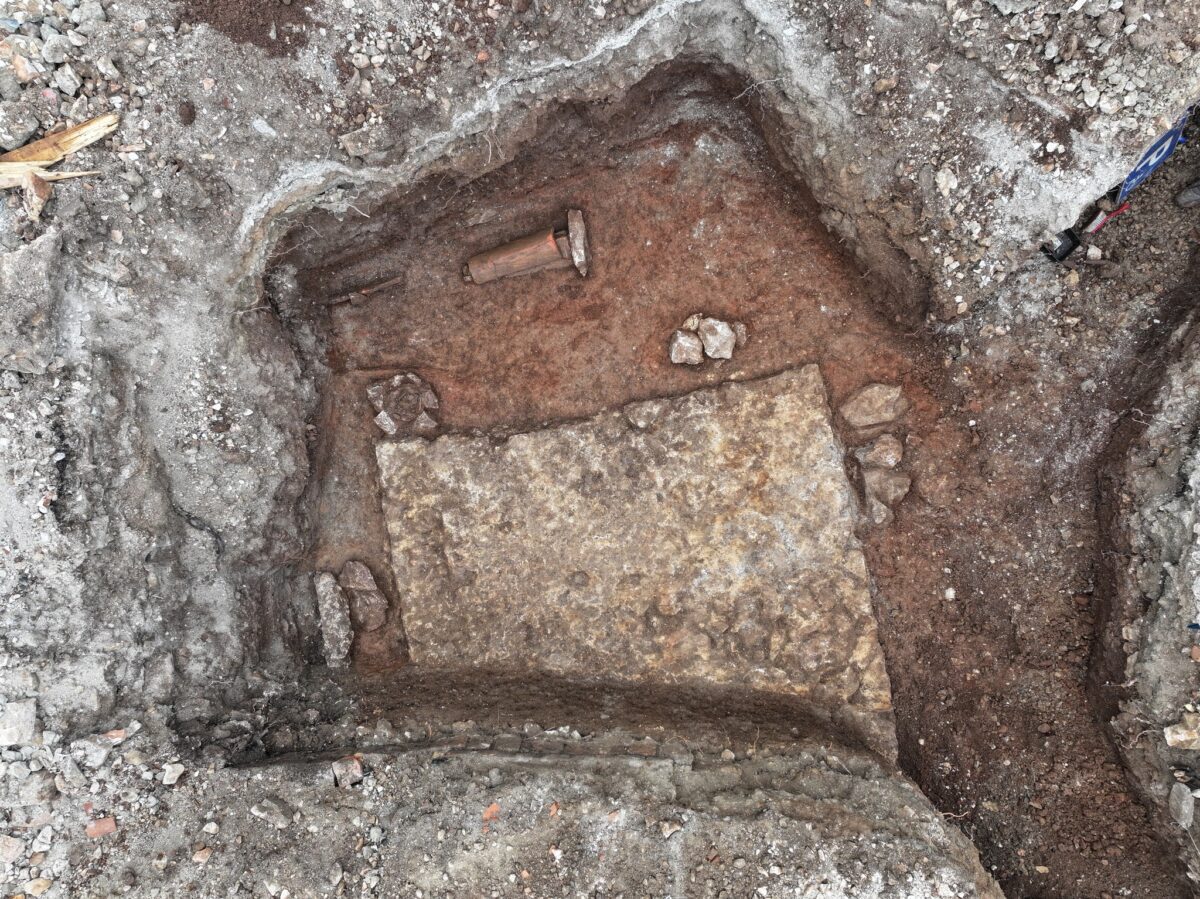
5 Centuries Beneath Zadar: Massive Roman Necropolis of Iader Confirmed in Relja
Beneath the modern streets of Zadar, a quieter story has been unfolding—one shaped not by monuments, but by generations of the dead. New excavations in the Relja district now confirm the existence of a vast Roman necropolis used continuously for nearly five centuries, directly tied to the ancient city of Iader. This is not simply…
-
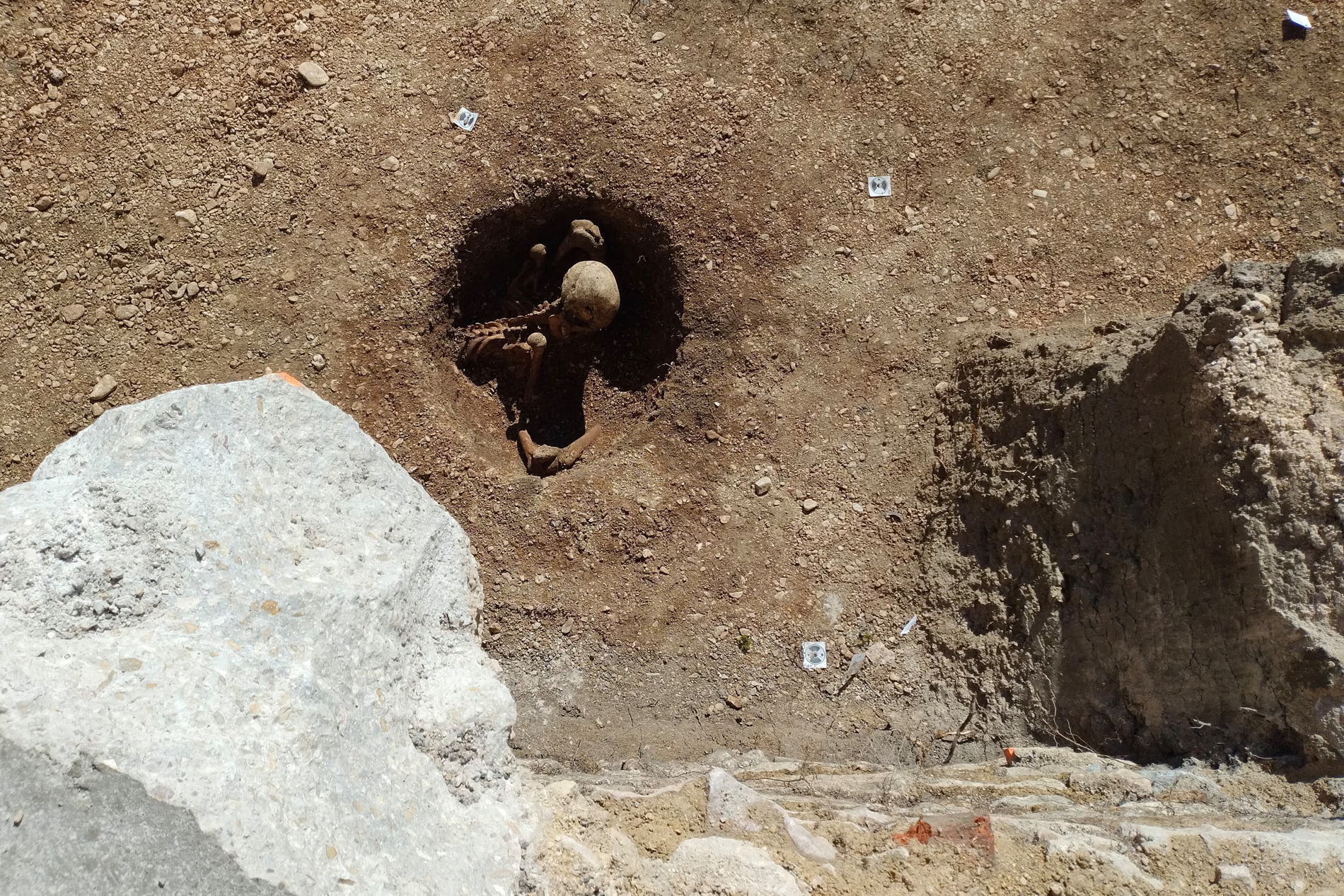
Seated Gaul Burials Discovered in Dijon Raise New Questions About Celtic Rituals
A skeleton sitting upright, hands resting calmly in its lap, was discovered beside a primary school in Dijon, eastern France—facing west after more than two millennia underground, in a case that is shedding new light on the burial practices of the ancient Gauls. The discovery, made near a playground in Dijon, is not an isolated…
-
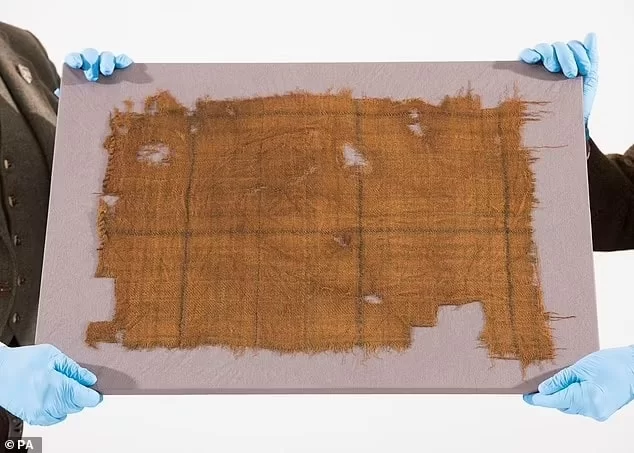
Oldest Known Tartan? 16th-Century Fabric Discovered in Scottish Highlands Bog
A faded piece of cloth, quietly preserved for decades in a peat bog in the Scottish Highlands, is now rewriting the early history of tartan. New scientific analysis suggests the fragment—first recovered in the early 1980s in Glen Affric—may represent the oldest known example of traditional tartan ever identified in Scotland. Scientific Tests Reveal Unexpected…
-
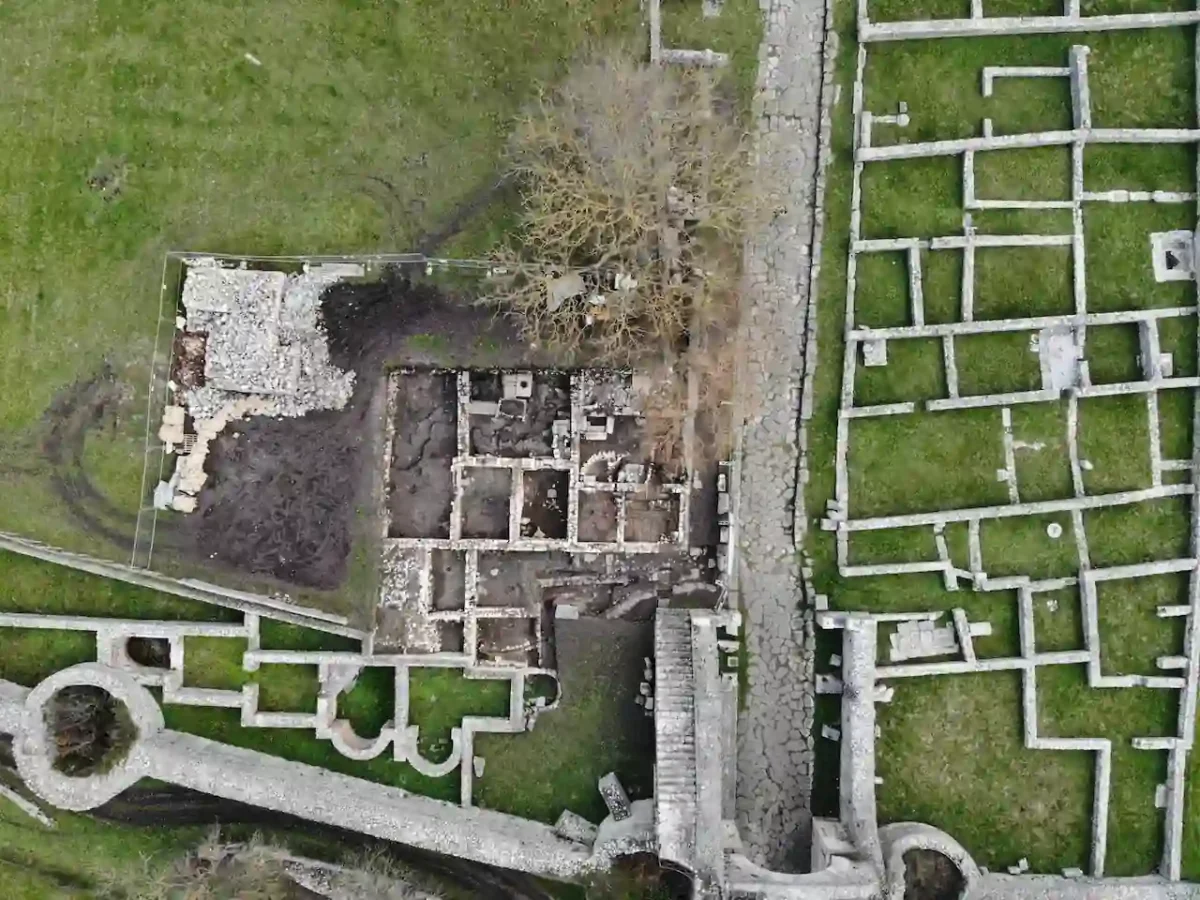
Monumental Roman House with Advanced Water System and Byzantine Coin Hoard Discovered in Ancient Saepinum
A large Roman house equipped with an advanced hot-water system—and a hidden coin hoard dating to the Byzantine era—has been uncovered in the ancient city of Saepinum in southern Italy, offering a striking new perspective on how this settlement evolved long after the peak of Roman power. The discoveries come from a new phase of…