-
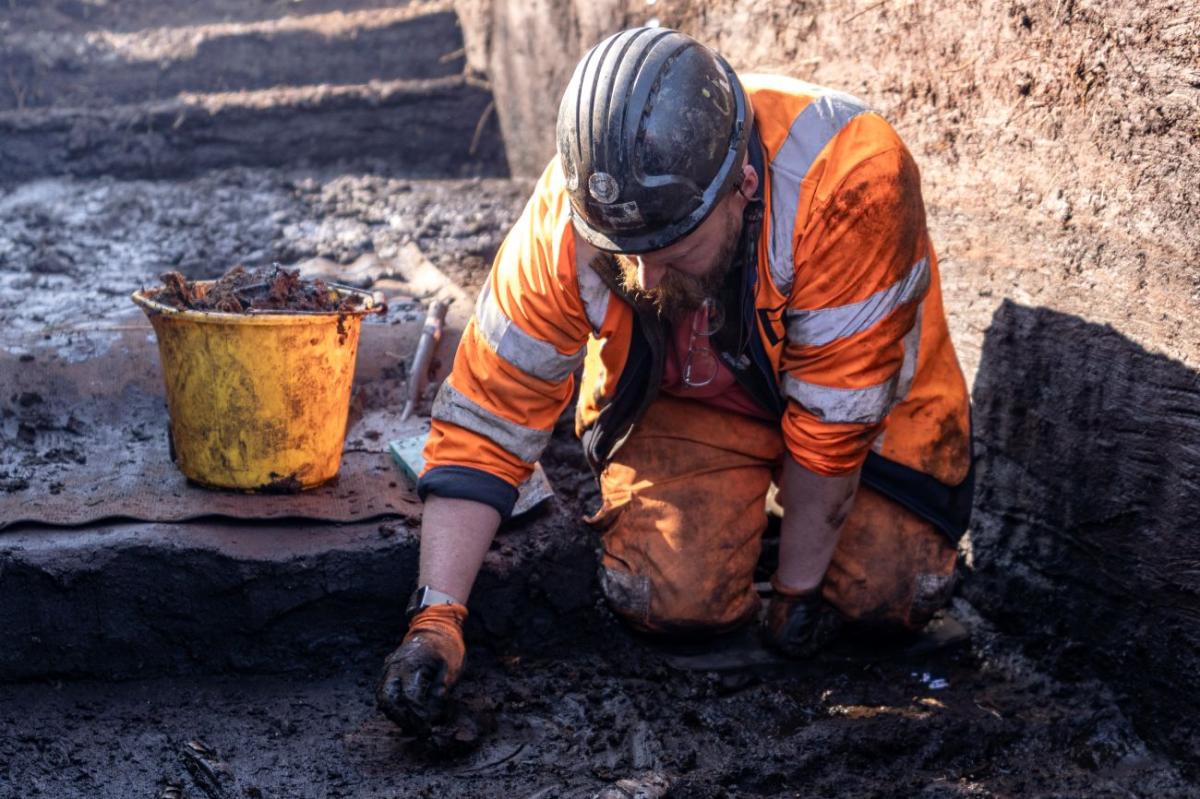
6,000-Year-Old Neolithic Trackway Discovered Beneath Somerset Peatland
A wooden pathway laid down nearly 6,000 years ago has surfaced from the peatlands of Somerset, revealing how some of Britain’s earliest farming communities moved through a landscape dominated by water and marsh. The discovery emerged during excavations at Honeygar, a site now undergoing long-term ecological restoration. Archaeologists had originally been asked to assess a…
-

5,500-Year-Old Settlement Discovered on Lake Titicaca Island, Bolivia—Rewriting Early Andean History
A windswept island rising from the waters of Lake Titicaca—long revered in Andean cosmology—has revealed a far deeper human past than anyone expected. New scientific analysis shows that people were living on Bolivia’s Island of the Sun as early as 3500 BC, pushing the timeline of settlement in the Titicaca Basin back by centuries. This…
-
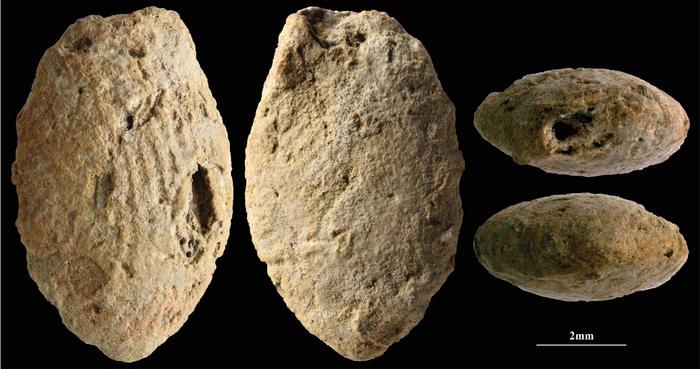
15,000 Years Ago, Children Shaped Clay in Israel—Long Before Pottery or Farming Emerged
Fifteen thousand years ago, in a landscape that had not yet seen farms, cities, or pottery, people were already shaping clay with intention. Among them were children, pressing their fingers into soft surfaces and leaving behind traces that have survived for millennia. What they created was not meant for cooking or storage, but for something…
-

Fishing Was Power: 3,200-Year-Old Greek Art Reveals Elite Status of Bronze Age Fishermen
For a long time, fishing in the Mycenaean world was treated as a peripheral activity—something practical, necessary, yet ultimately overshadowed by agriculture, animal husbandry, and the tightly controlled economies of palace centers. The absence of clear references in Linear B records seemed to reinforce that assumption, placing fishing firmly in the background of Bronze Age…
-
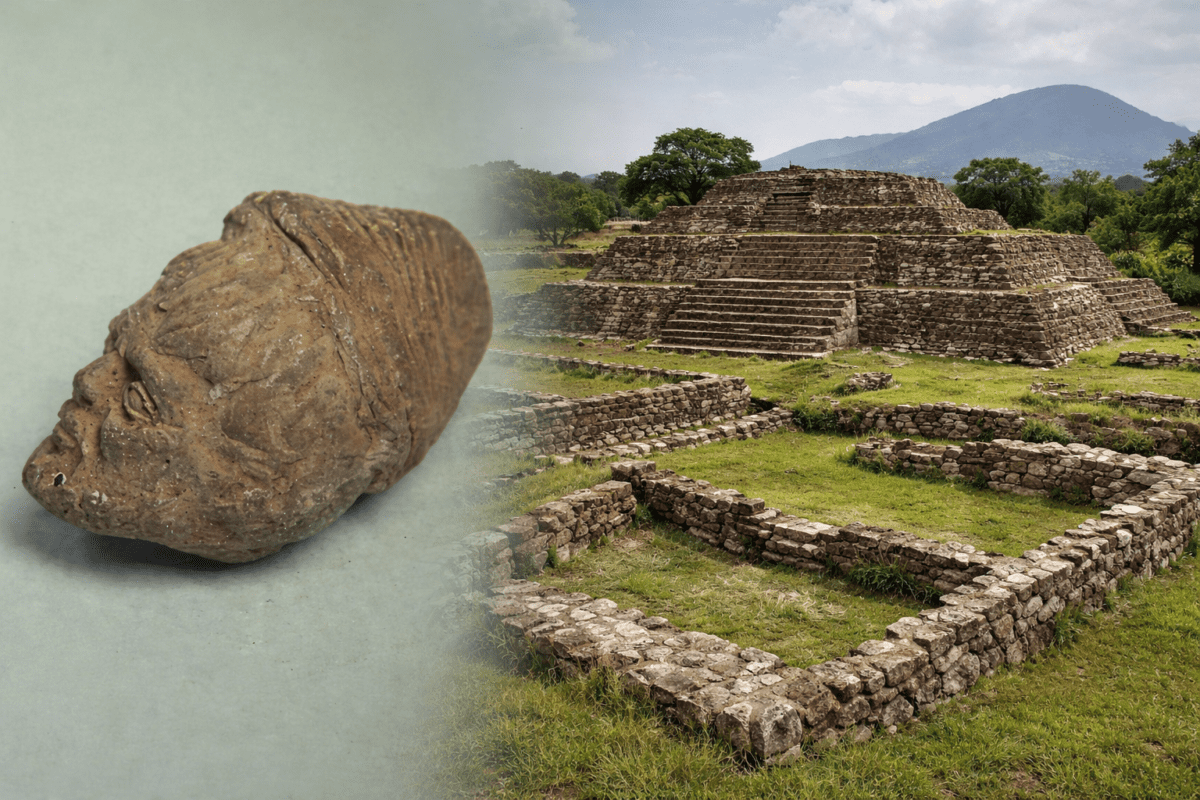
Roman-Style Head Found in Pre-Columbian Mexican Burial Still Baffles Archaeologists
In central Mexico, at an ancient site long associated with pre-Hispanic civilization, a small terracotta head continues to unsettle one of history’s most accepted timelines. Known as the Tecaxic-Calixtlahuaca Head, the artifact was discovered inside a sealed burial—and yet its features appear unmistakably foreign, even Roman. Nearly a century after its discovery, the object remains…
-
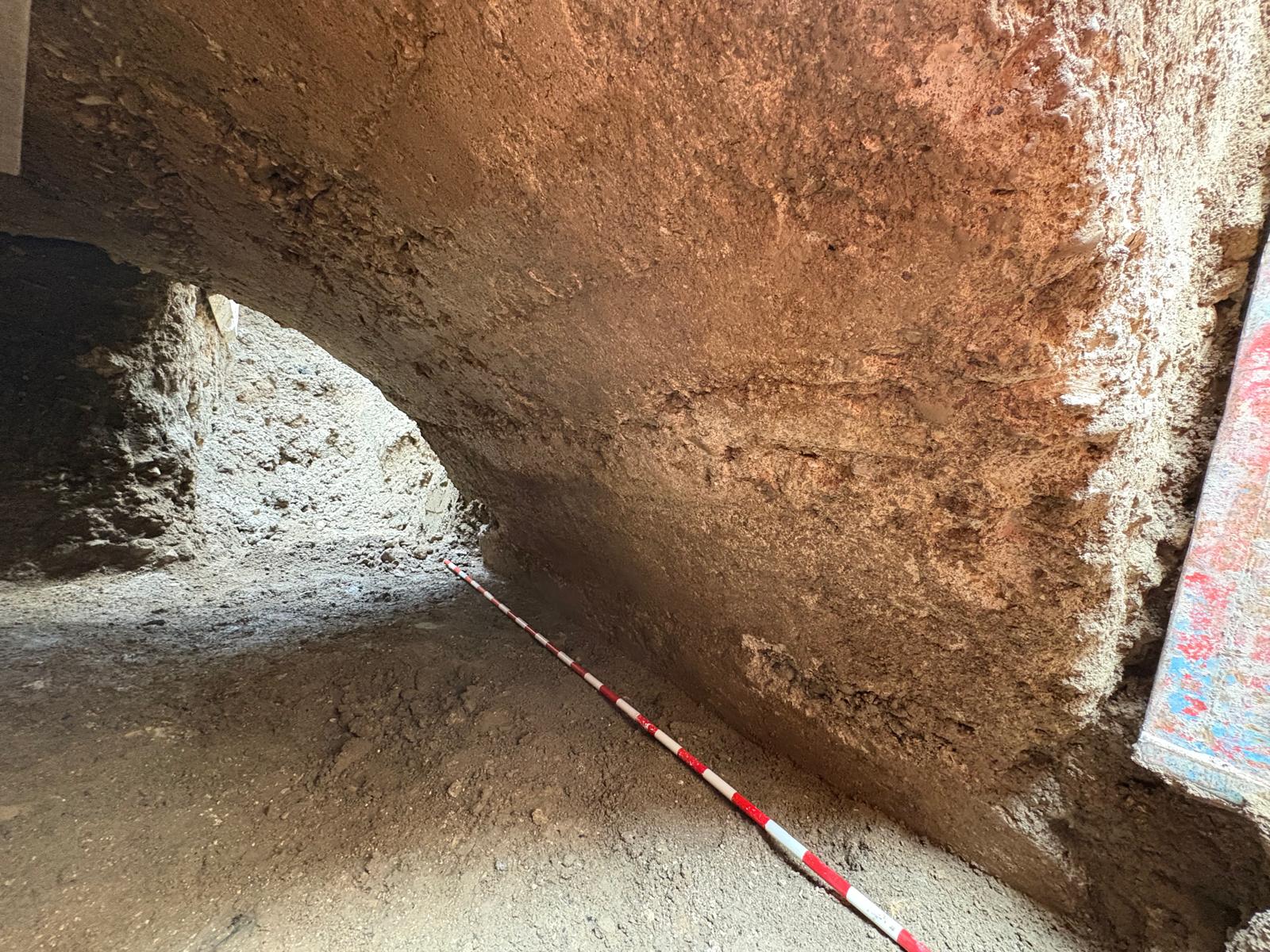
2,000-Year-Old Roman Bridge-Aqueduct Unearthed Beneath Zaragoza Streets
Beneath the busy streets of Zaragoza, a hidden piece of Roman engineering has quietly resurfaced. Archaeologists working several meters below ground level have uncovered what may be a 2,000-year-old bridge-aqueduct, offering rare physical evidence of how the ancient city of Caesaraugusta was built, organized, and supplied with water. The discovery emerged during urban renewal works…
-
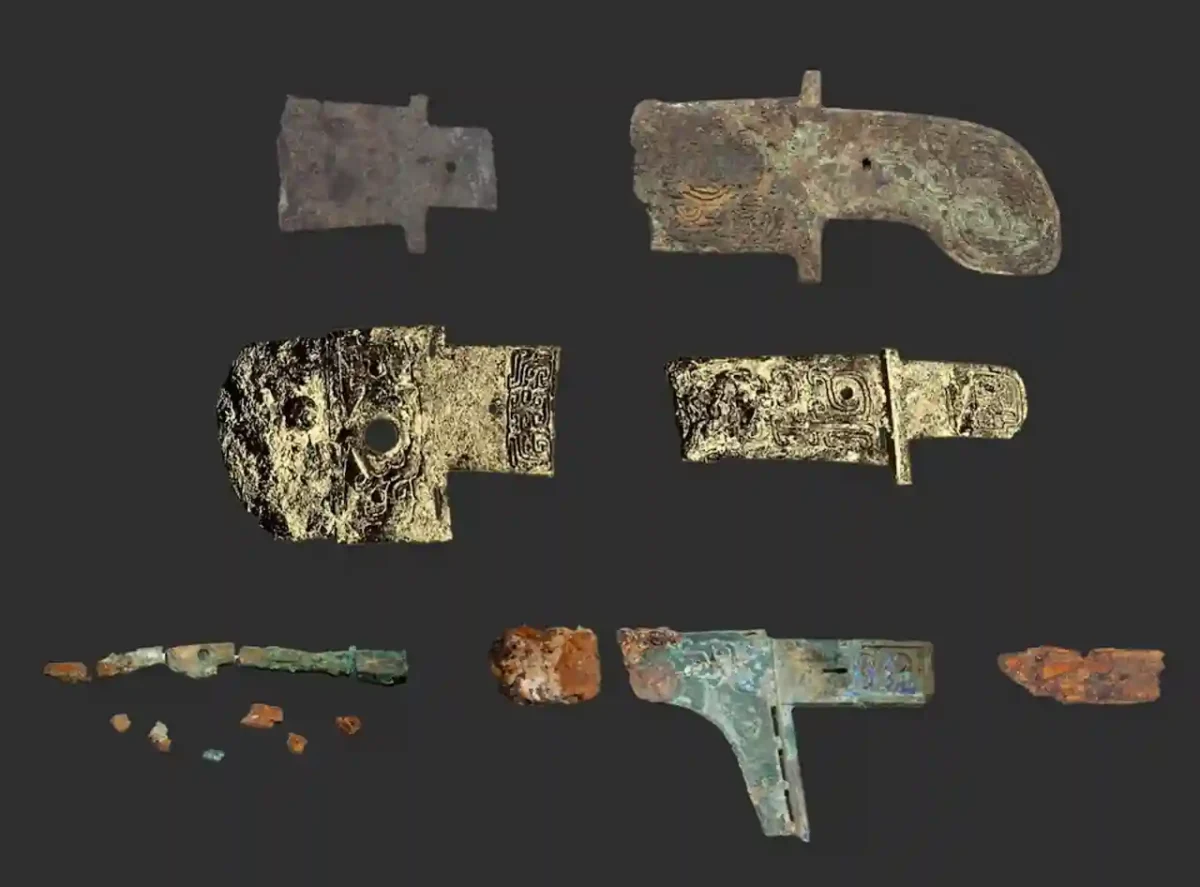
Ancient Chinese Artifact Made from Meteoric Iron Discovered at Sanxingdui
A strange iron object buried for more than three millennia at the ritual complex of Sanxingdui has now been confirmed to come from outer space. Researchers in China have identified the elongated, axe-like artifact as meteoritic iron, making it the oldest and first confirmed example of such material in southern China. The study, published in…
-
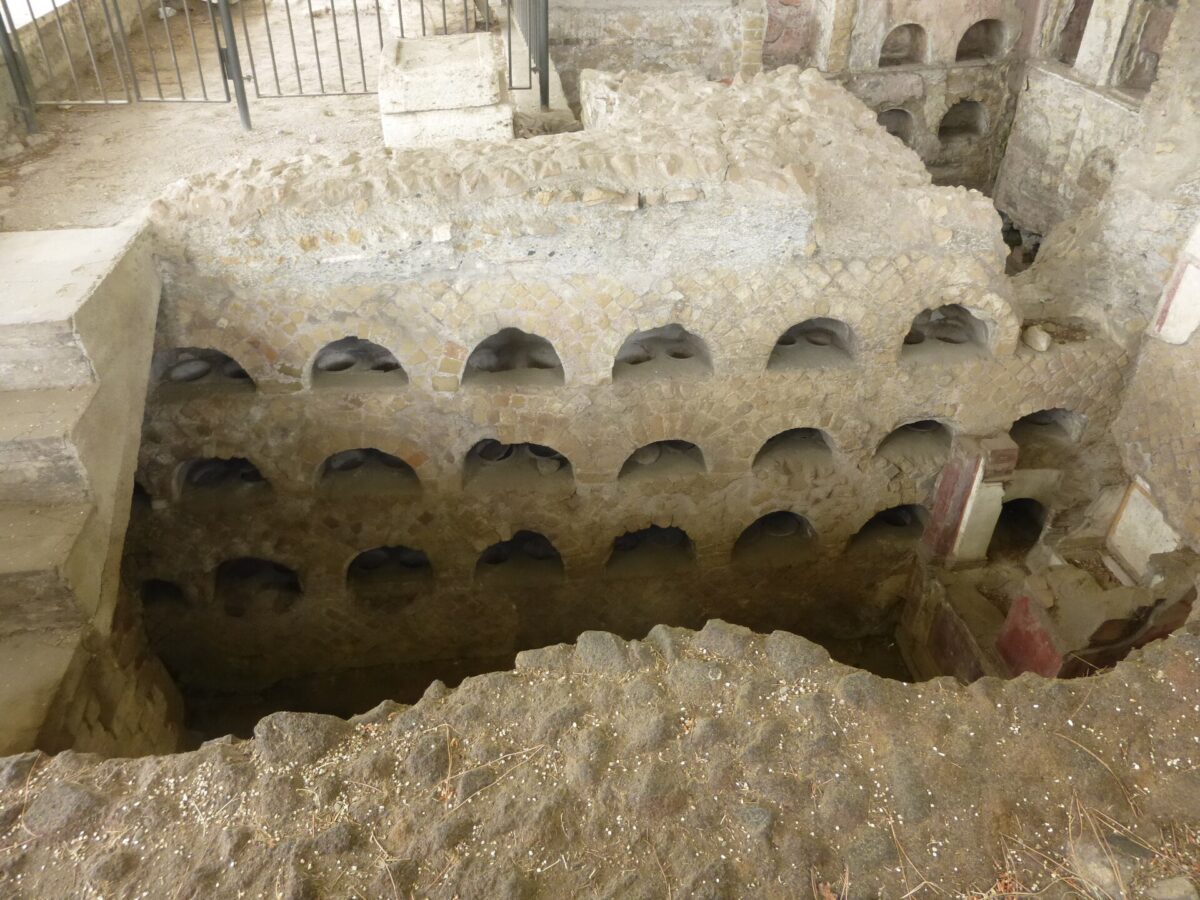
Nails on the Dead: Unusual Roman Burial Ritual Discovered in Ostiense Necropolis
A quiet section of ancient Rome is raising new questions about how the dead were treated—and feared. In the Ostiense Necropolis, archaeologists have uncovered a series of burials marked by a striking and deliberate act: nails placed on the chest of the deceased. At first glance, the detail feels unsettling. But within the logic of…
-
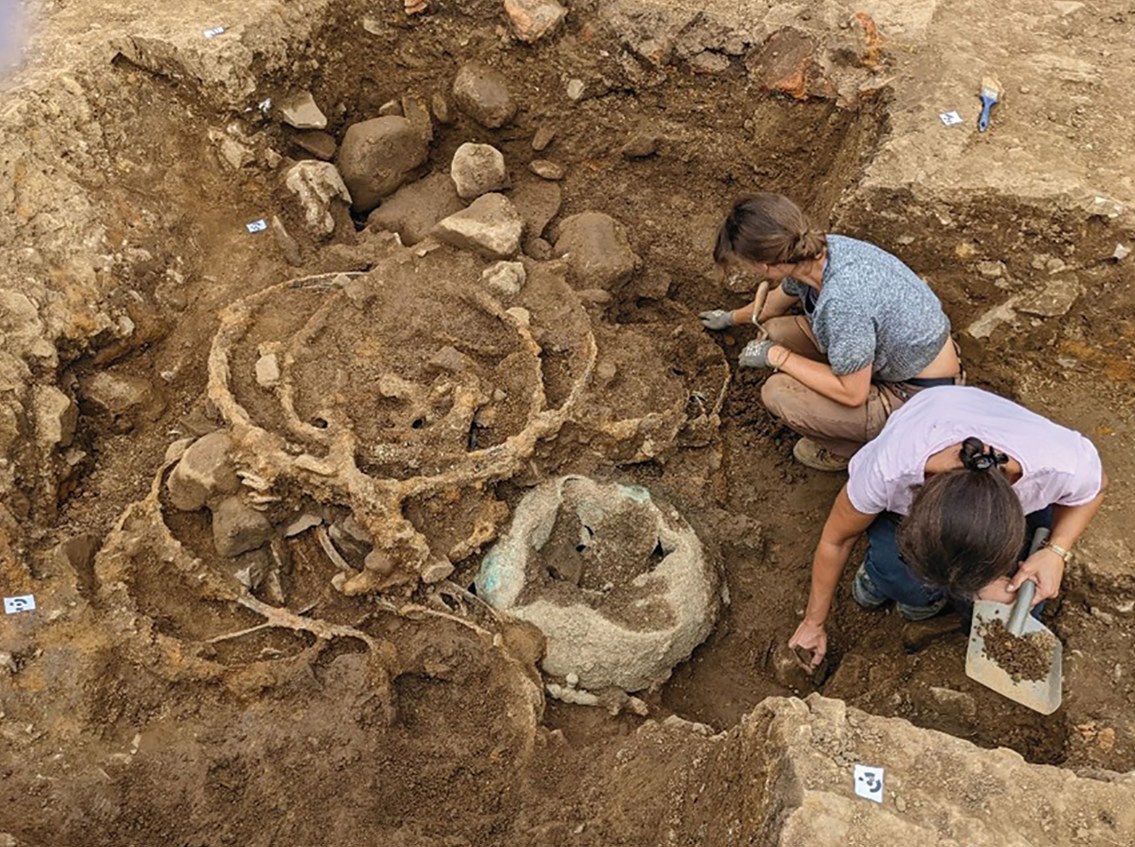
Massive Iron Age Wagon Hoard Discovered in Britain Reveals Ritual Destruction and Elite Power
An Iron Age wagon discovery in northern England is offering rare insight into ancient transport and elite power. Near the village of Melsonby, archaeologists uncovered a vast deposit of deliberately destroyed vehicles, weapons, and ceremonial objects dating back more than 2,000 years. The excavation brought to light two large hoards containing nearly 1,000 metal artifacts,…