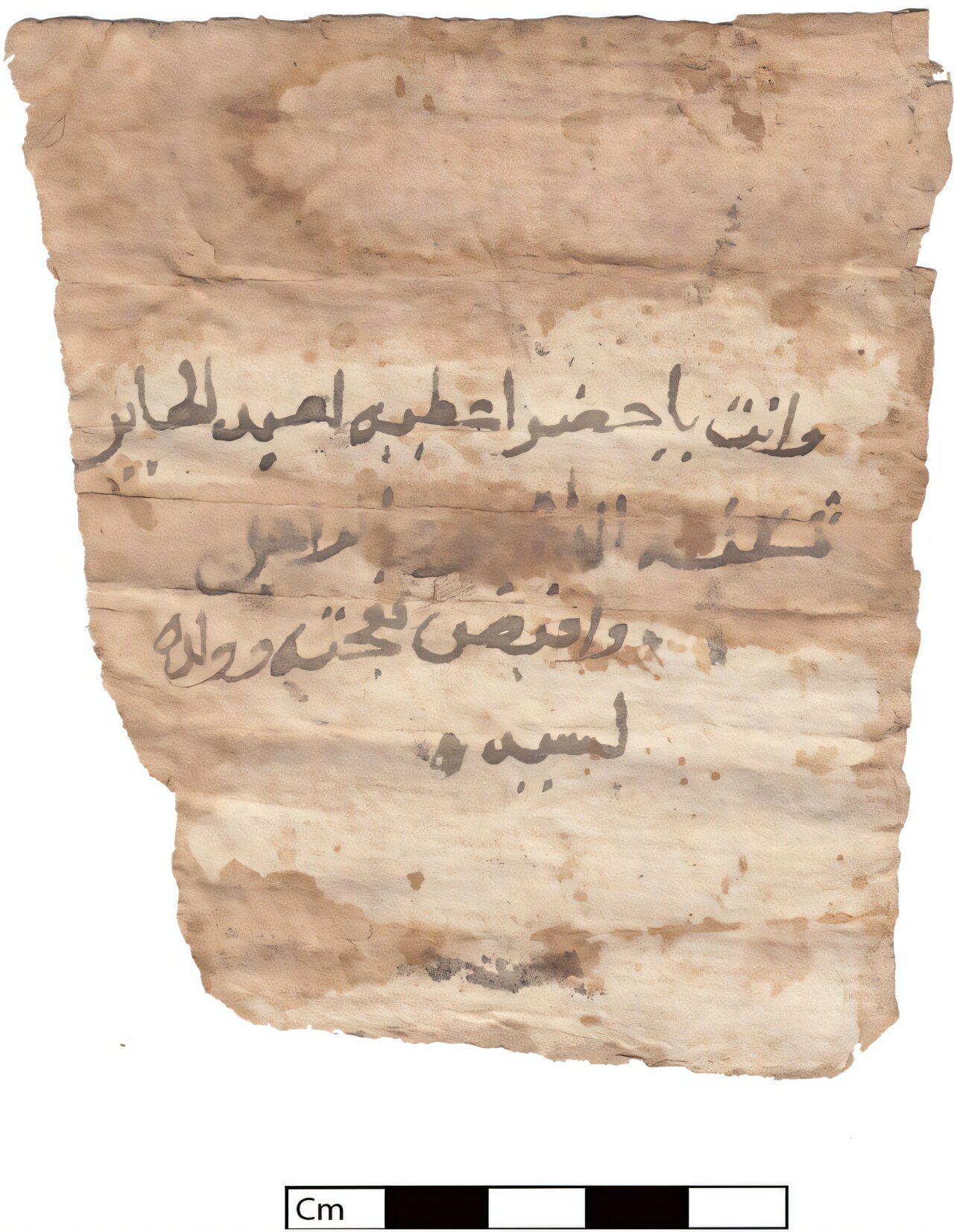
A new study published in Azania: Archaeological Research in Africa confirms the historical existence of King Qashqash, a ruler of post-medieval Dongola long regarded as semi-legendary. The evidence comes from an Arabic administrative order discovered in a 17th-century rubbish heap during excavations at Old Dongola.
A King Steps Out of Oral Tradition
Until now, Qashqash was known only from fragmentary references, including mentions in the Kitāb al-Ṭabaqāt, a 19th-century compilation of oral traditions about Sudanese holy men. His name appeared in genealogical narratives, but historians questioned whether he had truly ruled.
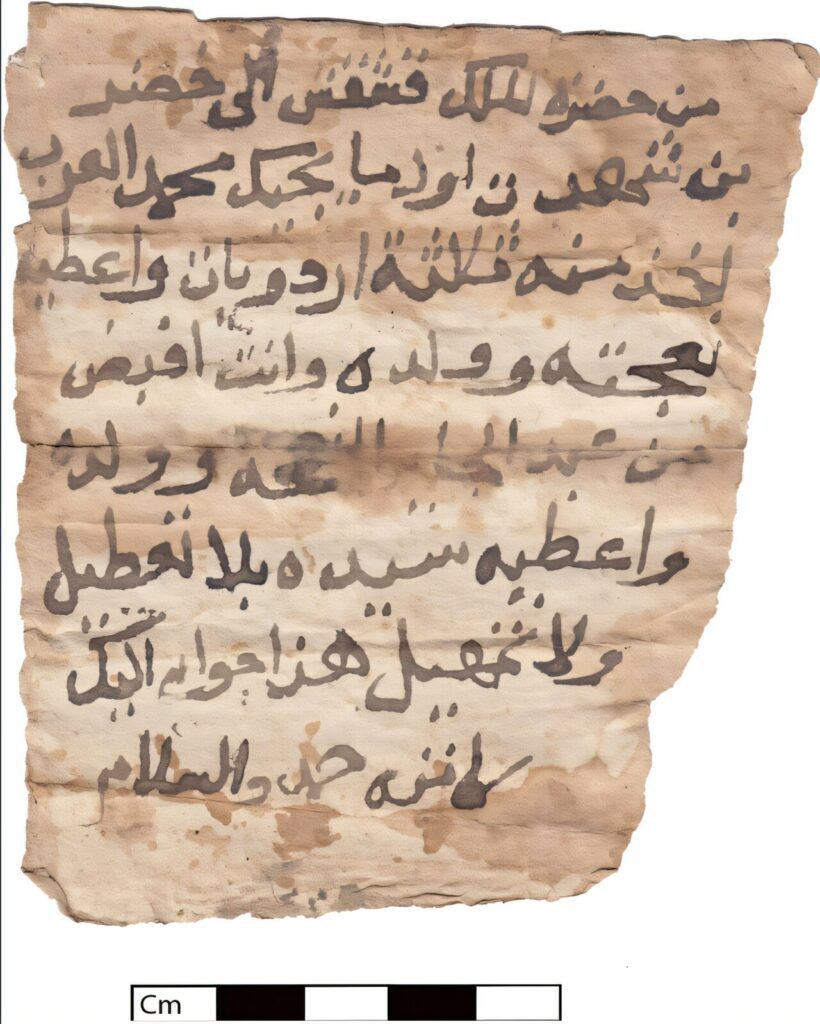
The newly uncovered document begins with a direct formula: “From King Qashqash…”
That line alone changes the conversation.
The letter, written by a scribe named Ḥamad, orders the exchange of livestock and textiles between named individuals. The order reads:
“From King Qashqash to Khiḍr son of ŠHDT/ŠHB(T?). As soon as Muḥammad al-ʿArab comes to you, take from him three ʾRDWYĀT and give him a ewe and her offspring and collect, from ʿAbd al-Jābīr, the ewe and her offspring; and give them to their master without delay. Do not hesitate! This is my letter/reply to you. His scribe Ḥamad wrote it. Greetings.
And you, Khiḍr, give to ʿAbd al-Jābīr three cotton cloths and a head (or three cotton headwear) and collect the ewe and her offspring for their master.”
On the surface, it is routine administration. In reality, it confirms that Qashqash exercised authority through written commands and maintained an organized court.
Arabization in Motion
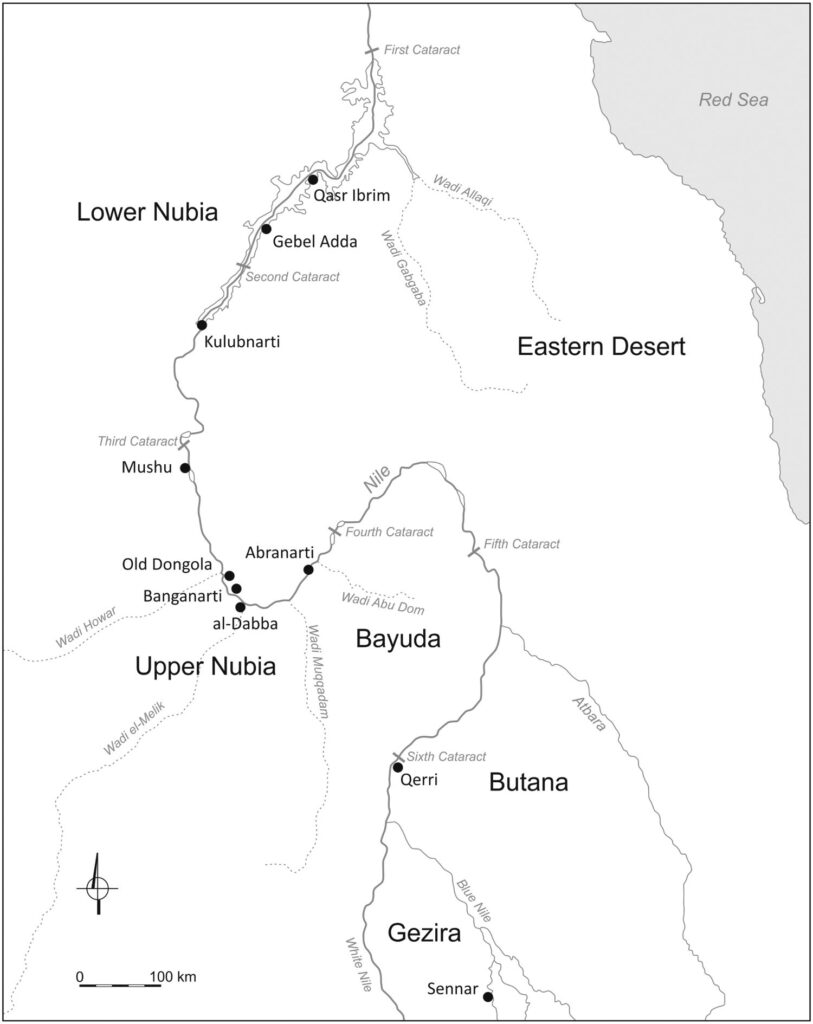
Old Dongola was once the capital of Makuria, a powerful Christian Nubian kingdom. By the mid-14th century, it entered a poorly documented phase often described as a “Dark Age.” Over the following centuries, the city shrank and gradually underwent Islamization and Arabization during the Funj period.
The language of the letter is telling. The scribe did not fully master Classical Arabic; grammatical inconsistencies and compressed lettering suggest a transition phase. Arabic had become the written language of power, but it was still adapting to local linguistic realities.
This is not evidence of sudden cultural rupture. It is evidence of gradual transformation.
Politics Through Gifts
The document references textiles, livestock, and possibly a ceremonial head covering. Such exchanges align with patterns of reciprocal gift-giving known from Funj-period Sudan, where authority operated through negotiated networks rather than rigid bureaucracy.
What survives, then, is more than a king’s name. It is a snapshot of how power moved — through cloth, animals, and carefully worded instructions.
Why This Matters
The discovery confirms Qashqash as the earliest securely attested post-medieval ruler of Dongola. It also demonstrates that even during its supposed decline, the city remained politically active and connected.
A discarded letter from a rubbish heap now bridges oral memory and archaeological evidence — reminding us that history sometimes survives in the least monumental places.
Tomasz Barański et al, The King of Nubia at work: archaeological context and text edition of a sixteenth/seventeenth-century Arabic document from Old Dongola, Azania: Archaeological Research in Africa (2026). DOI: 10.1080/0067270x.2026.2615518
Cover Image: King’s Order (Side B). Reverse side of the Arabic administrative document attributed to King Qashqash, discovered at Old Dongola and providing key evidence for post-medieval Nubian rulership. Credit: M. Rekłajtis / PCMA, in Barański et al. 2026.