-
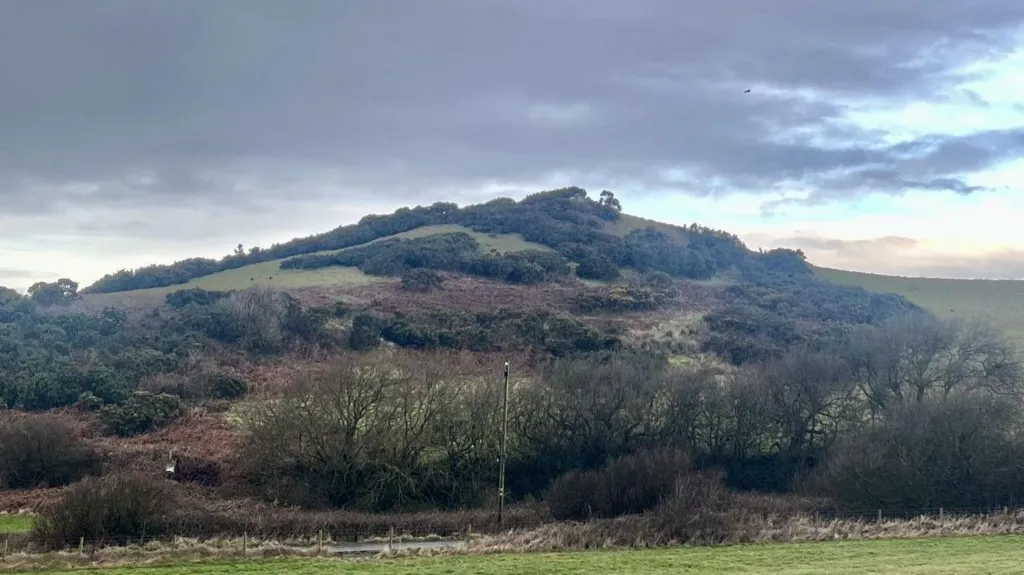
Could a Silent Hill in Cumbria Hide the Grave of a Lost Viking King?
Along England’s rugged north-west coast, a broad, grass-covered mound has long blended into the Cumbrian landscape. Now, a growing body of archaeological clues suggests it may conceal something extraordinary: a monumental Viking ship burial—possibly that of Ivar the Boneless, one of the most formidable war leaders of the early medieval world. The claim comes from…
-

A Hidden Tunnel Beneath a Neolithic Enclosure: Germany’s New Erdstall Discovery Raises Old Questions
At first glance, the discovery looked ordinary — a shallow pit cut into the southern edge of a prehistoric ditch. But as archaeologists dug deeper near the village of Reinstedt in central Germany, the ground quite literally opened into something far more enigmatic: a narrow, curving underground passage that had remained hidden for centuries. The…
-

Forgotten Cowboys of the West: How Chinese Ranch Hands Shaped Eastern Oregon
For more than a century, the American cowboy has been framed as a singular figure — white, solitary, and mythic. Archaeological research now unfolding in eastern Oregon tells a far more complex story. One in which Chinese immigrants were not outsiders on the frontier, but working cowboys, cooks, foremen, and ranch owners who helped define…
-
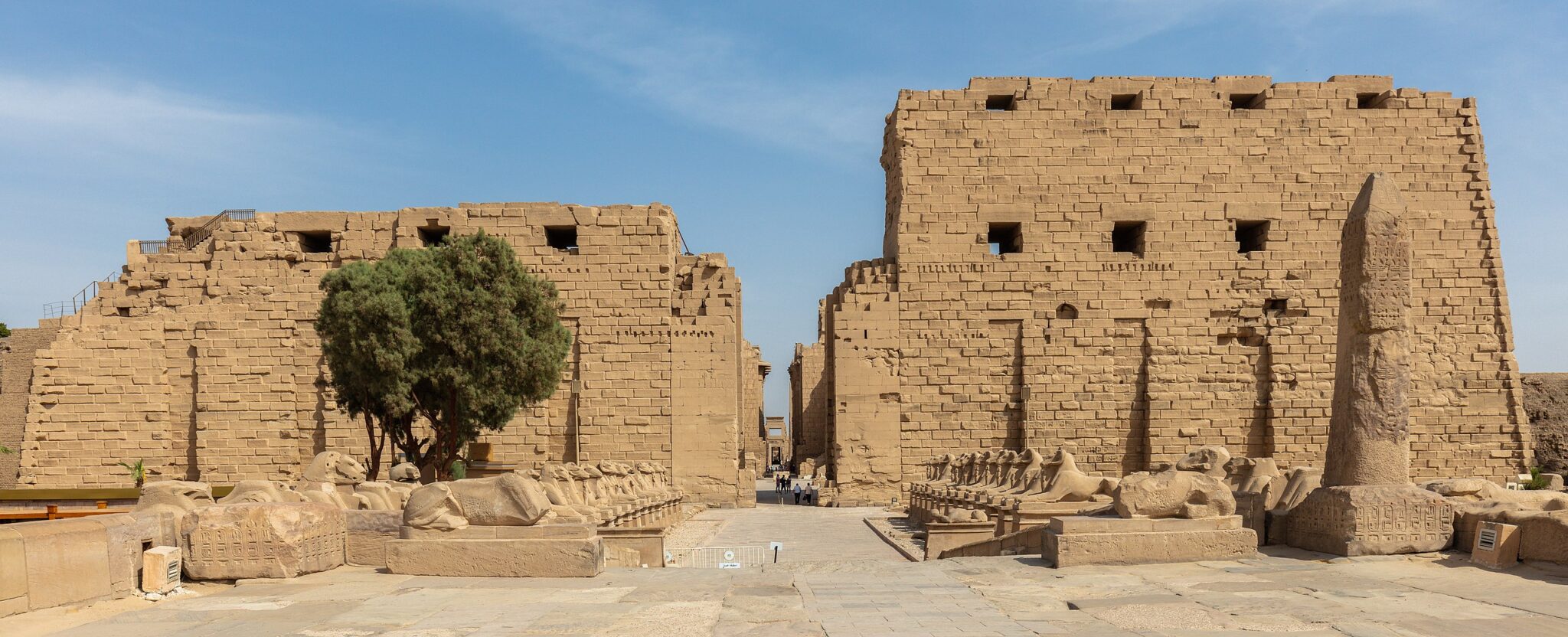
Karnak Temple May Have Been Built to Mirror an Ancient Creation Myth, New Research Suggests
For more than three millennia, Karnak has stood as the spiritual core of ancient Egypt. Now, a new scientific study suggests that its significance may run even deeper—rooted not only in theology, but in the very landscape from which it emerged. According to groundbreaking geoarchaeological research, the temple complex may have been deliberately founded on…
-

A Lost Roman City May Have Been Found in Mallorca, Ending a Centuries-Old Mystery
Archaeologists working in the heart of Mallorca believe they may finally be closing in on one of Roman Spain’s most elusive urban centers. New discoveries at the long-studied site of Son Fornés are now pointing toward the possible location of Tucis or Guium—two Roman cities recorded by ancient sources but never conclusively identified. The breakthrough…
-

Hittite Hygiene Was Far More Advanced Than We Thought, New Research Shows
For a civilisation that ruled much of Anatolia more than three millennia ago, the Hittites were far less indifferent to dirt than modern stereotypes might suggest. New research shows that cleanliness in Hittite society was not accidental, symbolic, or secondary—but carefully structured, widely practiced, and socially meaningful. A recent study published in Anatolian Studies, authored…
-
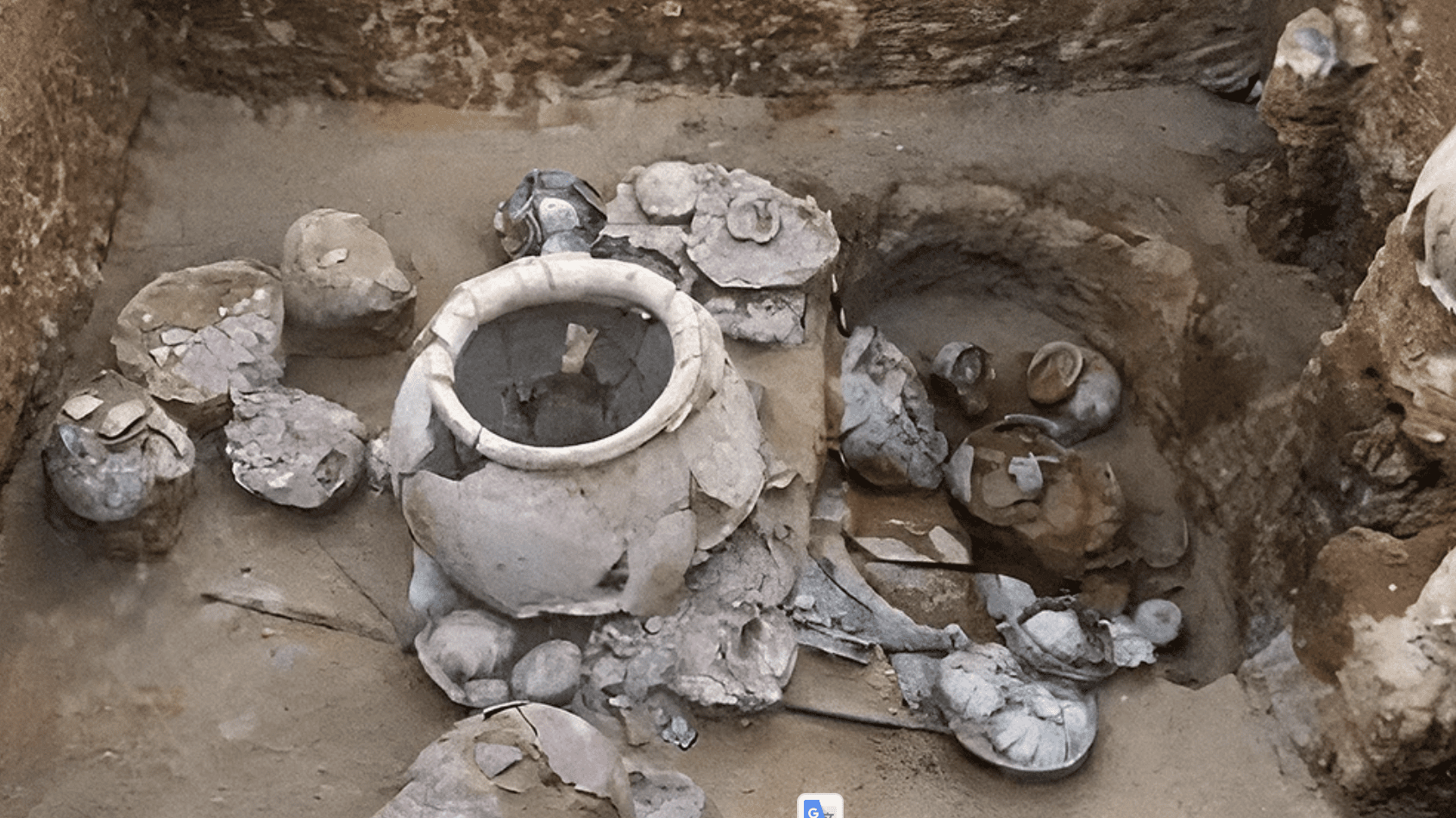
India’s Longest Iron Age Spear Unearthed in Tamil Nadu, Pointing to Early Metallurgical Mastery
In the dry soil of southern India, archaeologists have uncovered a weapon that is forcing scholars to reconsider the technological limits of the Iron Age. Excavated from a burial site in Tamil Nadu, a nearly 2.5-meter-long iron spear is now believed to be the longest Iron Age iron spear ever discovered in India—and possibly one…
-

Could the Great Pyramid Be Far Older Than We Think? New Erosion Study Reopens the Debate
A newly released study is once again pushing the Great Pyramid of Giza into the center of a long-running archaeological dispute—not about how it was built, but when. Published in January 2026, a preliminary paper by Italian engineer Alberto Donini proposes an unconventional dating model that, if correct, would place the monument far earlier than…
-

AI App Learns to Read Dinosaur Footprints—Without Knowing Their Names
At first glance, a fossilized dinosaur footprint looks deceptively simple. Three toes. A heel mark. But for paleontologists, identifying which dinosaur made which track has long been one of the field’s most stubborn puzzles. Now, a new artificial intelligence tool is offering a fresh way forward—by learning without labels. Researchers have launched DinoTracker, a free…