-

Largest Ming-Era Cannon Ever Found at Jiankou Section of the Great Wall
Archaeologists working along the Jiankou section of the Great Wall, just north of Beijing, have announced the discovery of an exceptionally large cannon dating to the late Ming Dynasty—a find that significantly deepens our understanding of how heavy artillery was deployed along China’s imperial frontier. The announcement followed a year-long excavation campaign focused on three…
-
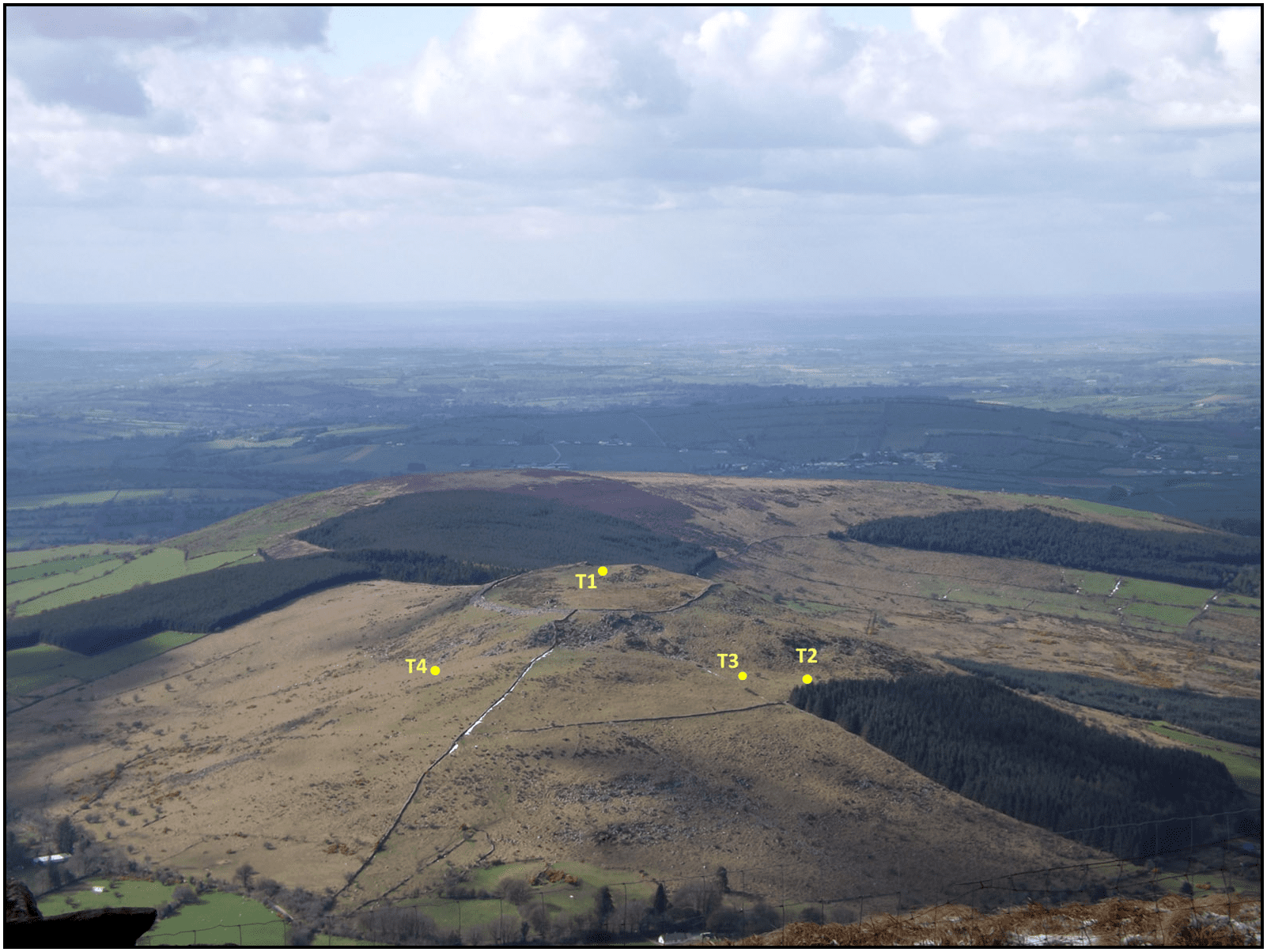
Europe’s Largest Prehistoric Hilltop Community Discovered in Ireland
For decades, archaeologists believed that prehistoric Ireland lacked large, densely populated settlements, and that such complex communities only emerged with the arrival of the Vikings in the early medieval period. New research from southern Ireland is now fundamentally challenging that long-standing view. At Brusselstown Ring, a massive hilltop enclosure in County Wicklow, researchers have identified…
-
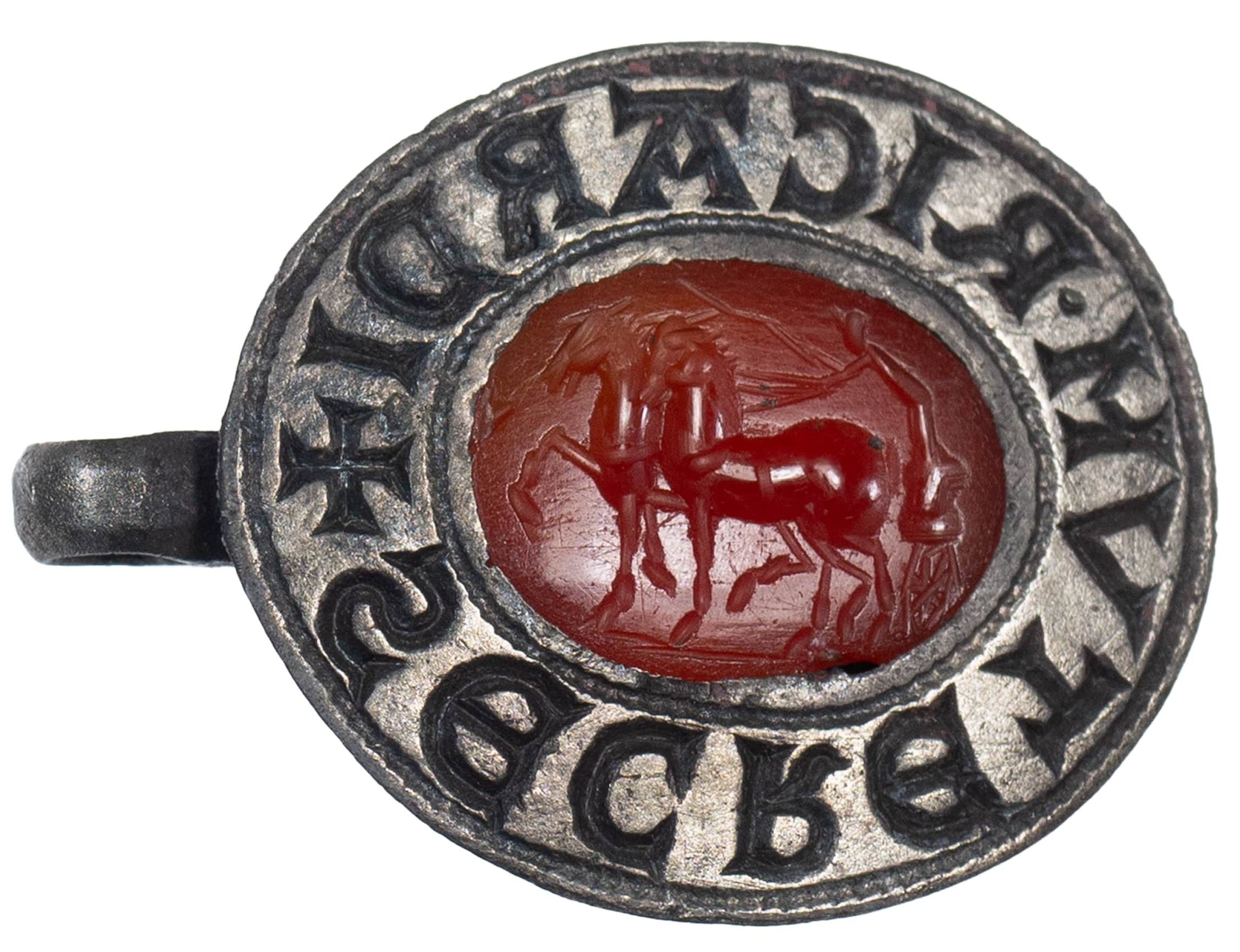
A Rare Medieval Seal with a Roman Chariot Motif Was Found in Essex
A chance metal-detecting discovery in southeastern England has brought to light an object that quietly bridges two distant worlds of European history. In rural Essex, a rare medieval silver seal has been found bearing a finely engraved Roman-era gemstone depicting a racing chariot — an image originally carved more than a thousand years before the…
-

Rare Medieval Flail Weapon Found Near the Battlefield of Grunwald in Poland
A compact iron weapon recovered from farmland in northeastern Poland is offering an unusually direct physical link to late medieval warfare. Archaeologists have confirmed that the object—a rare kiścień, or medieval flail—dates to the same era as the famous Battle of Grunwald, one of the most consequential military confrontations in European history. A Weapon Rarely…
-

Africa’s Oldest Cremation Forces a Rethink of Early Hunter-Gatherer Rituals
Archaeologists working in northern Malawi have identified what is now considered Africa’s oldest known intentional human cremation, dating to around 9,500 years ago. The discovery, reported in Science Advances, challenges long-held assumptions about the social organization, ritual life, and labor capacity of early hunter-gatherer communities. The cremation was uncovered at Hora 1, a rockshelter located…
-
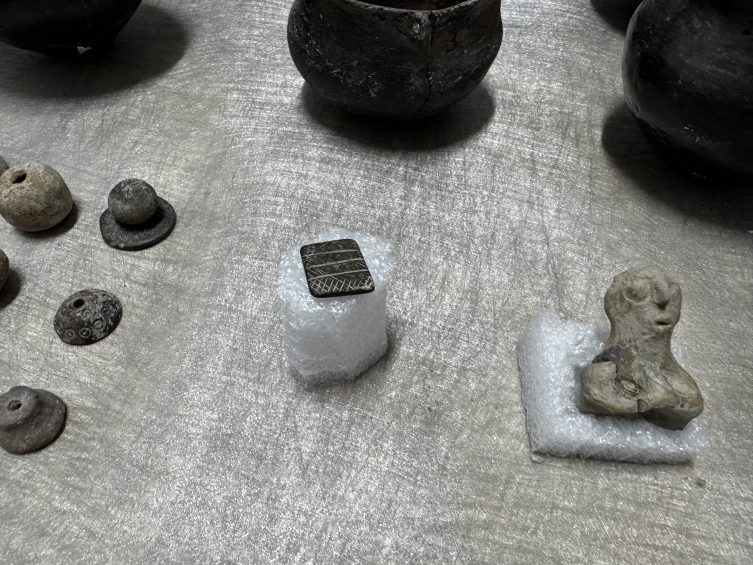
A 7,500-Year-Old Stone Seal Reveals Early Identity and Ownership in Prehistoric Anatolia
At first glance, it is a small object—unassuming, made of stone. Yet the seal recently uncovered at Tadım Höyük carries a weight far beyond its size. Dating back roughly 7,500 years, the artifact offers rare insight into how some of Anatolia’s earliest communities began to define identity, ownership, and social order long before the invention…
-
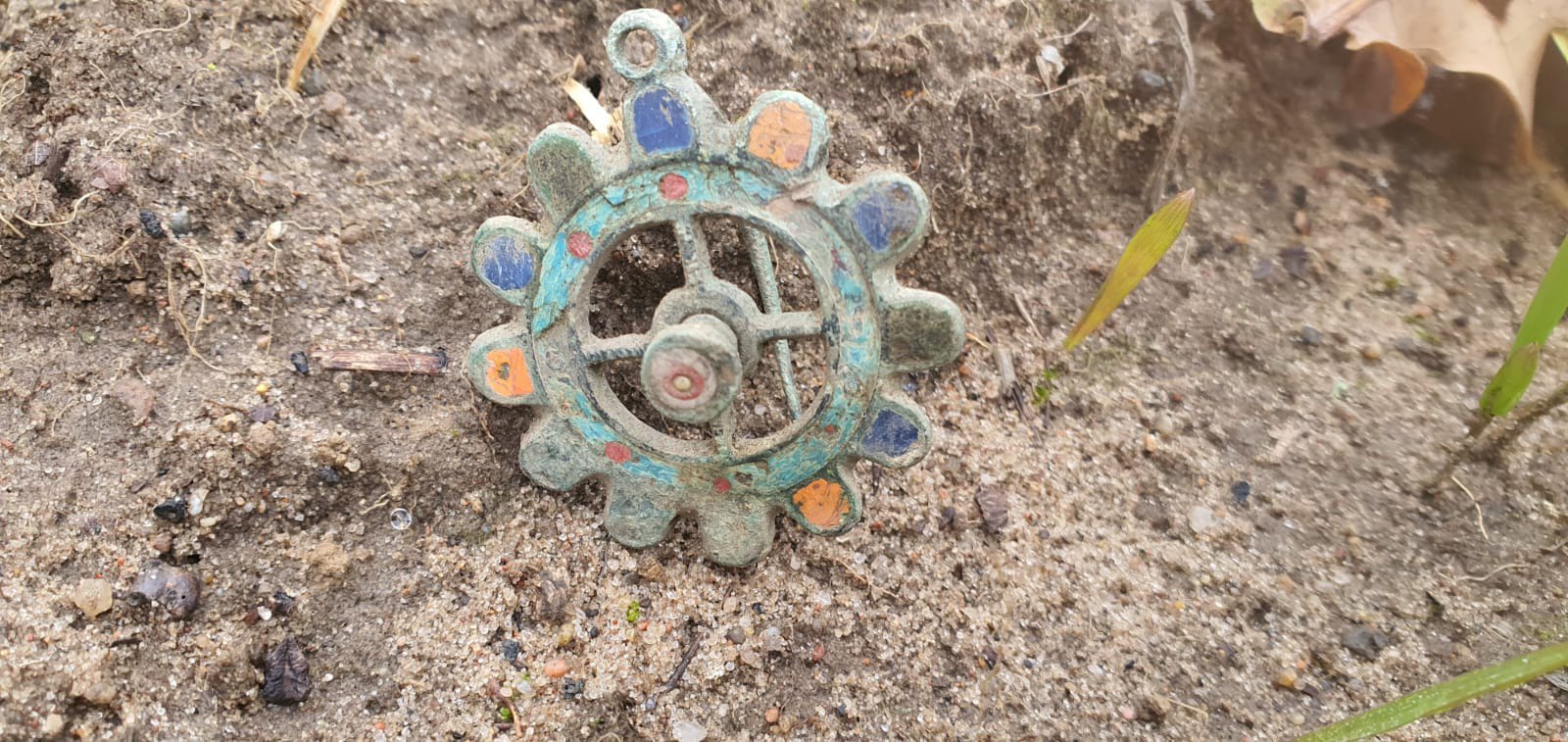
Rare 2,000-Year-Old Roman Enamelled Fibula Discovered in Poland
A rare Roman-period enamelled fibula discovered in Poland is offering new insight into cultural exchange and daily life nearly 2,000 years ago. Identified during a routine metal-detector survey near Grudziądz, the object represents only the second known example of its kind ever documented in the country. Archaeologists say the discovery reinforces growing evidence that this…
-

1,800-Year-Old Roman Head of Hermes Unearthed at Laodikeia in Western Turkey
A finely carved marble head of Hermes, dating back approximately 1,800 years, has been uncovered at the ancient city of Laodikeia, located in western Turkey near the modern city of Denizli. The discovery emerged from the eastern entrance corridor of the Bouleuterion, the city’s Roman-period council house—an architectural space closely tied to civic authority and…
-

Rare Silver Pendant Bearing Symbols of the Assyrian Goddess Ishtar Unearthed at Amos in Southwestern Anatolia
Archaeologists working at the ancient city of Amos, near modern-day Marmaris on Türkiye’s southwestern coast, have uncovered a rare silver pendant decorated with symbols associated with the Assyrian goddess Ishtar. Although modest in size, the object offers significant insight into the city’s long-distance cultural and commercial connections with the ancient Near East. A symbolic object…