-
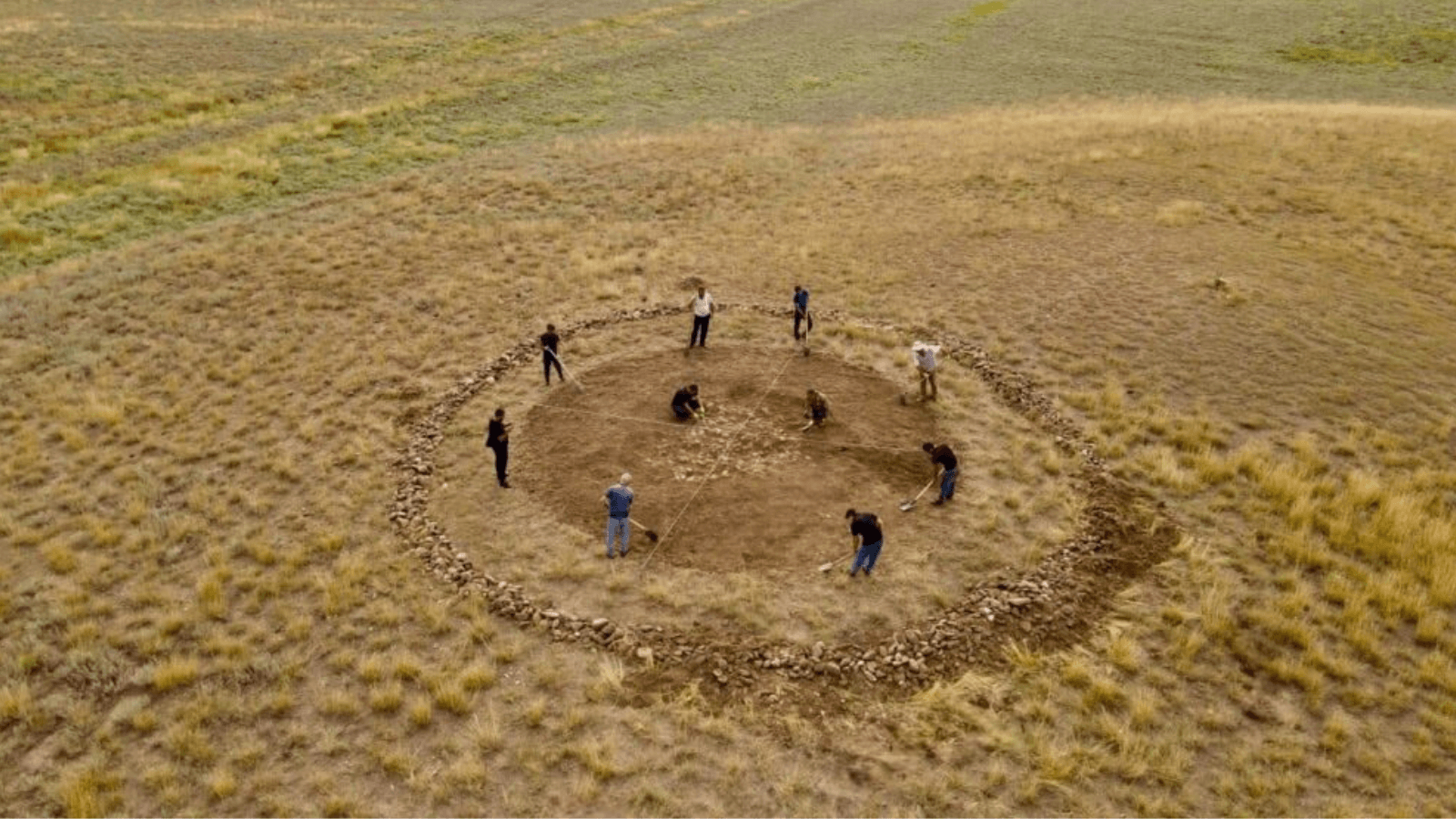
3,600-Year-Old Kurgan in Azerbaijan Reveals a Bronze Age Symbol of Power
Archaeologists excavating a 3,600-year-old kurgan in western Azerbaijan have uncovered a polished stone staff head that may once have served as an emblem of authority. A bronze dagger and finely worked arrowheads found in the same burial suggest that the person laid to rest there held an elevated military and social position. The burial, designated…
-
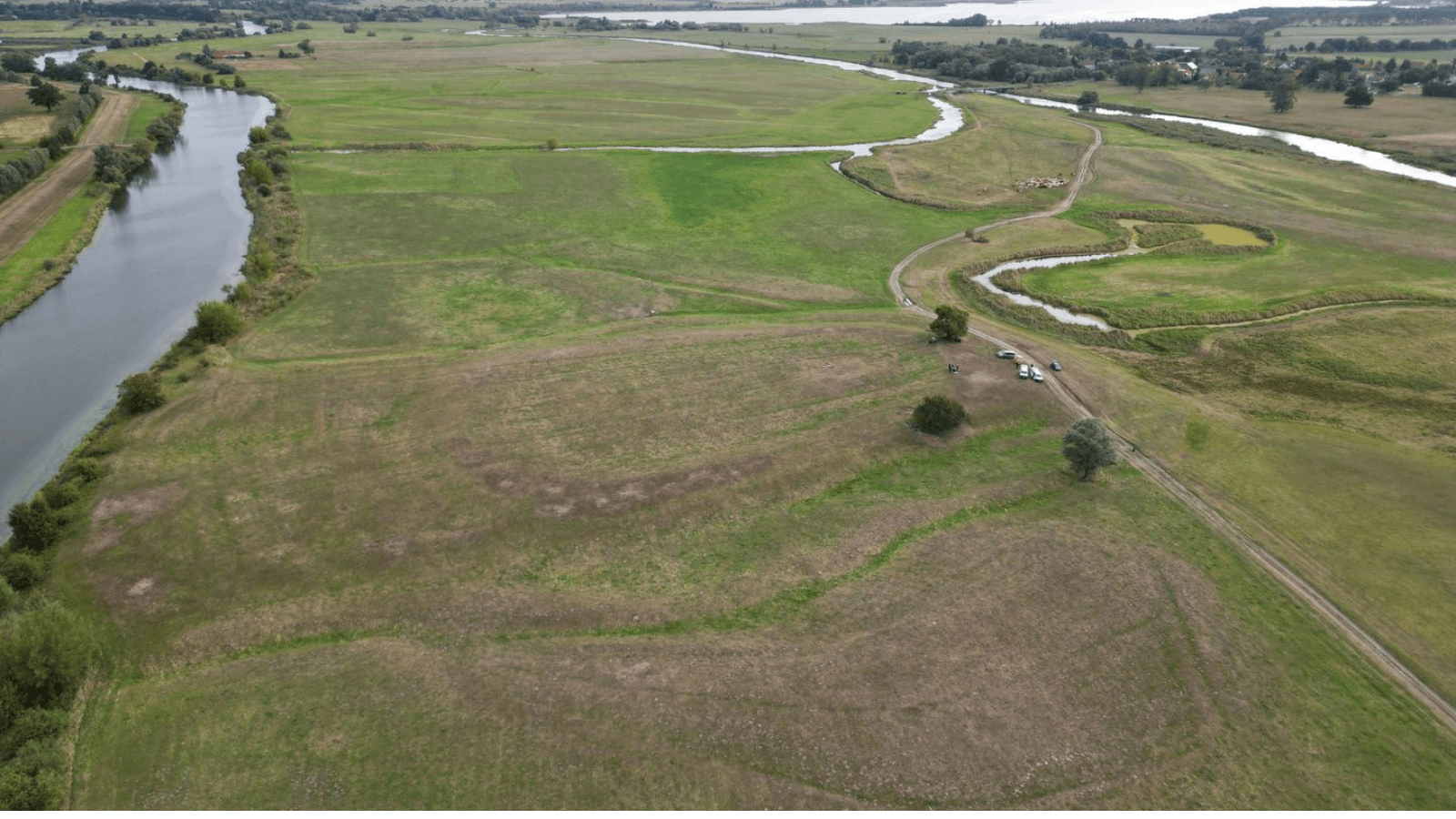
First Excavation of a Slavic Stronghold in Germany Reveals Iron Age and Neolithic Activity
The first archaeological excavation at the Pilatsch Slavic stronghold in eastern Germany has uncovered evidence that people used the site long before its medieval defenses appeared. Alongside material linked to the Slavic occupation, archaeologists recovered finds from the pre-Roman Iron Age and the Neolithic period. The discoveries were made near Gülpe in Brandenburg’s Lower Havel…
-
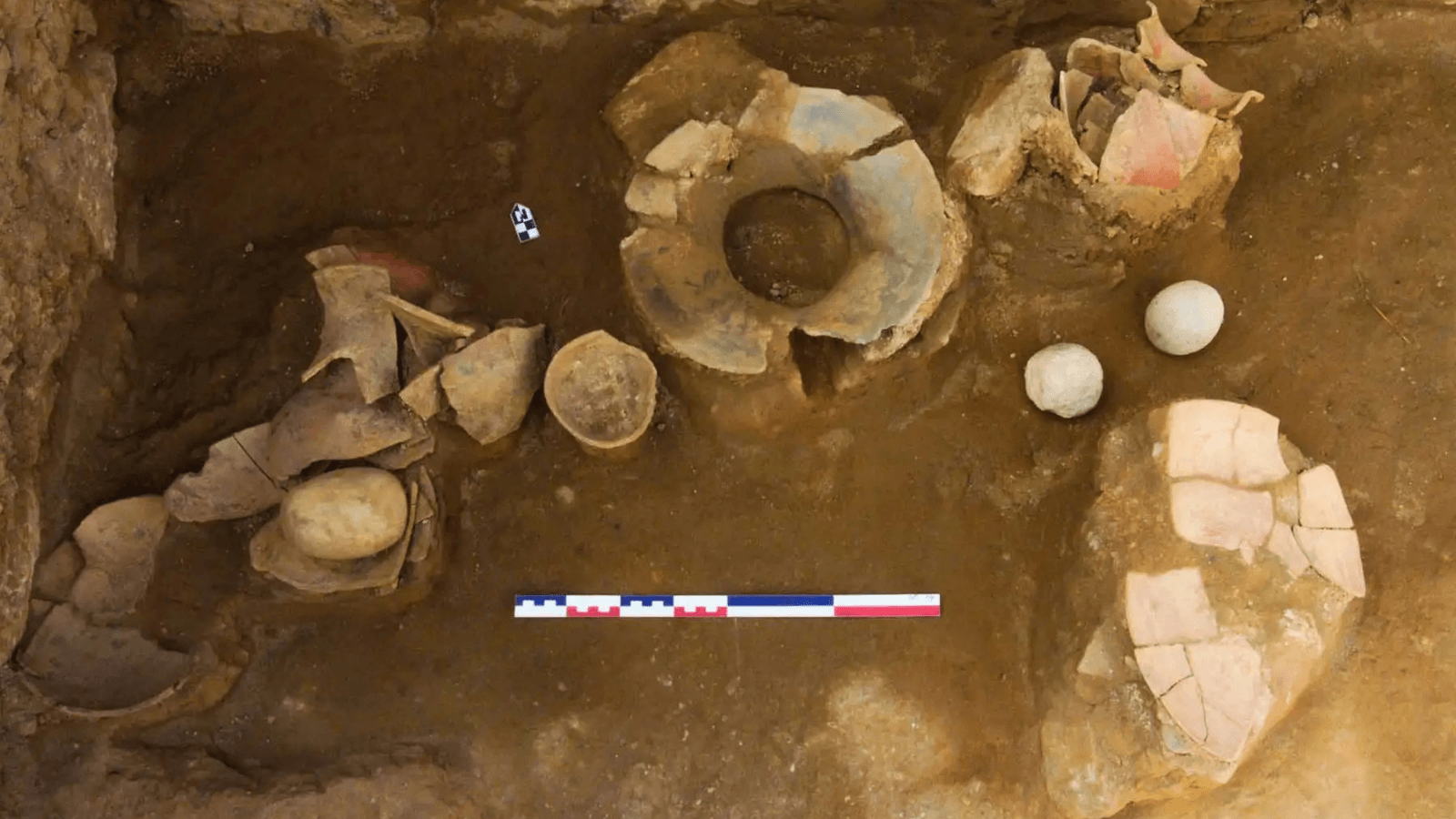
Inca Builders Sealed a Doorway with 18 Vessels and a Sacred Stone
Archaeologists excavating the Inca site of Wancasanga in northern Peru have uncovered evidence of an Inca closing ritual in which a doorway was deliberately sealed. The deposit contained 18 ceramic vessels, 11 stone implements and an upright sacred monolith. The discovery was made at Huaman Orco, a mountaintop location approximately 3,400 meters above sea level…
-
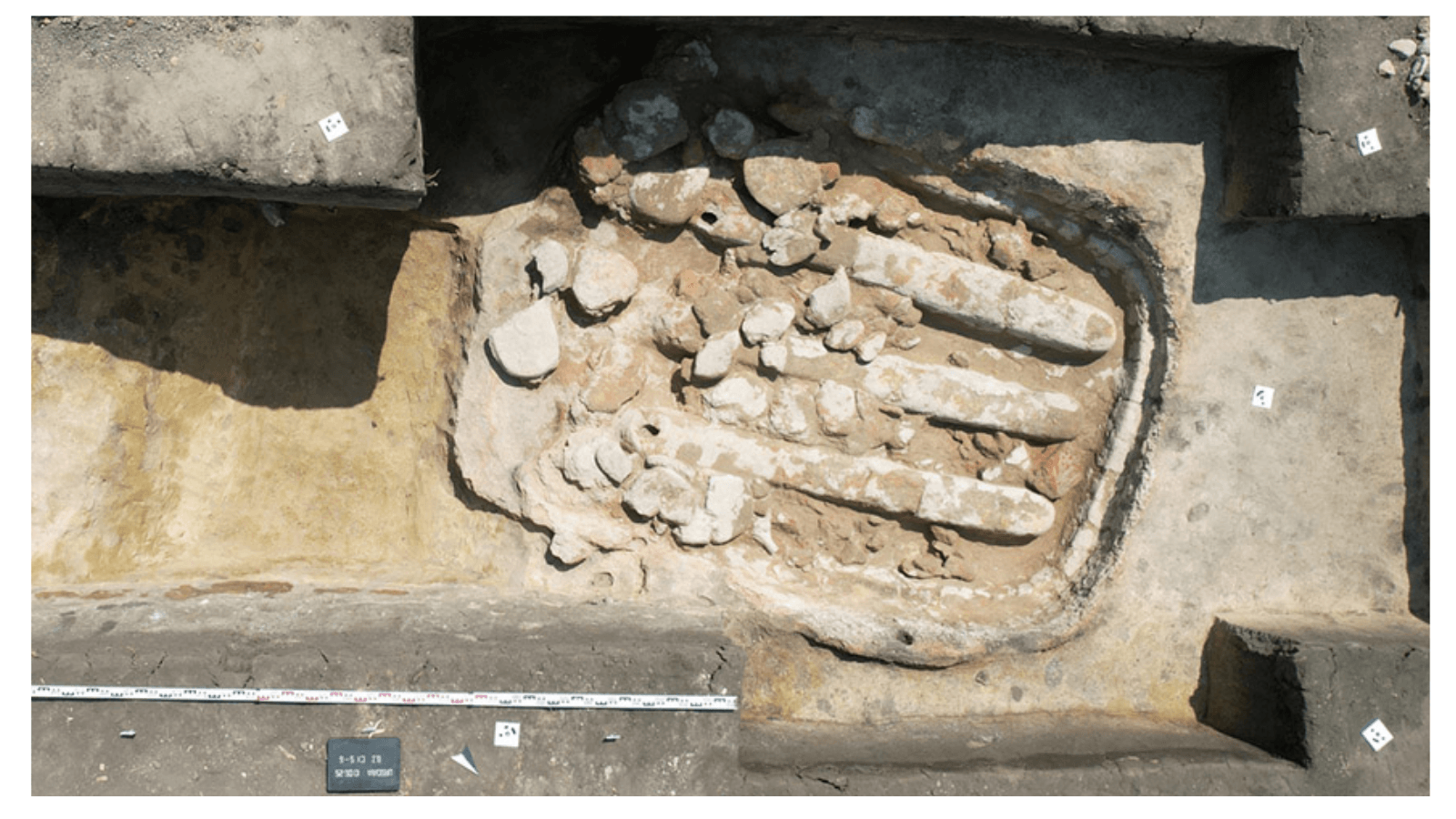
Archaeologists Unearth Giant 6,000-Year-Old Pottery Kiln in Europe
A giant 6,000-year-old pottery kiln unearthed at Ursoaia in north-eastern Romania is revealing just how large and technically sophisticated ceramic production had become in prehistoric Europe. With a working surface of about 7.5 square metres, it is the largest securely documented kiln of its type in the Cucuteni–Trypillia world. Excavated in 2025, the bicameral structure…
-
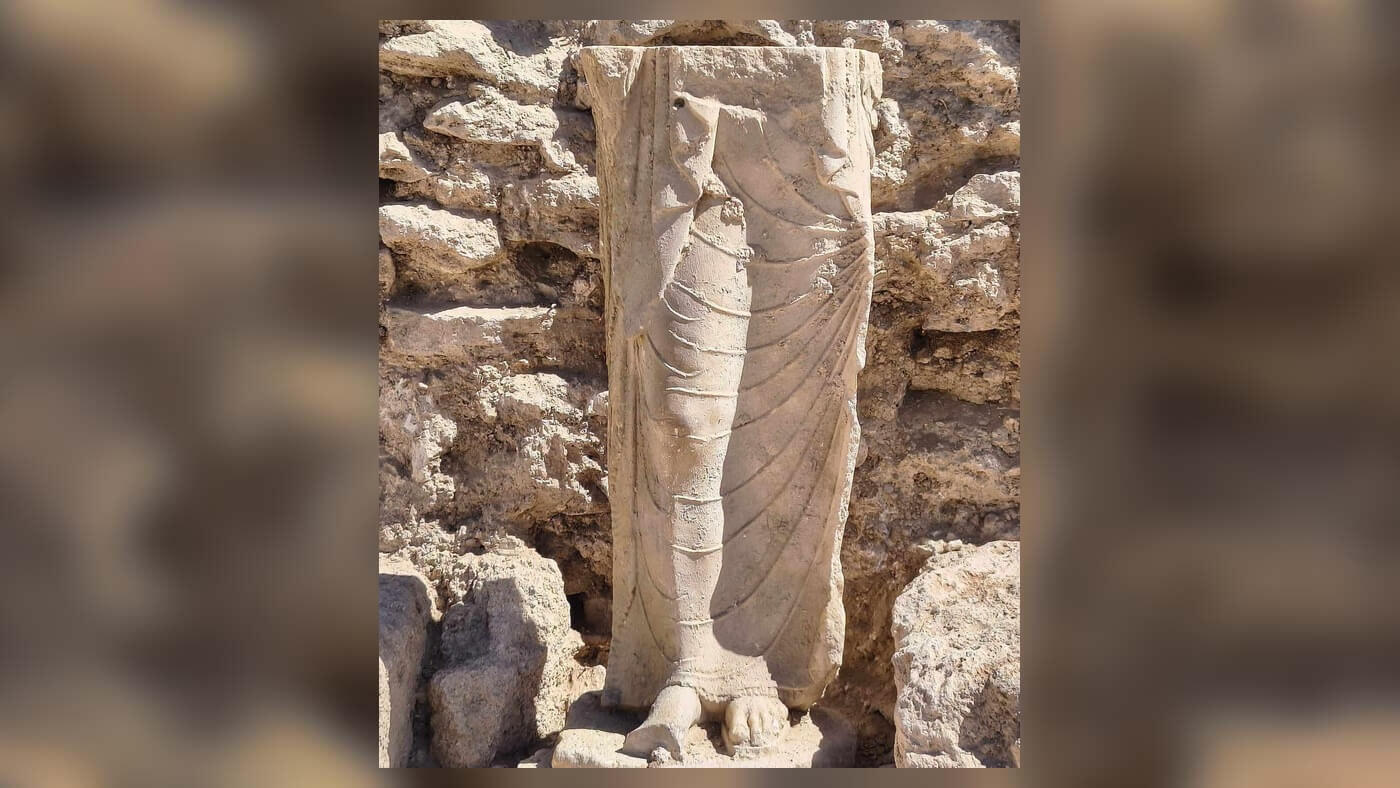
After 46 Years, Mozia’s Famous Marble Youth Has Company
A female marble statue found at Mozia in the summer of 2025 has given Sicily’s famous marble Youth an unexpected companion 46 years after his discovery. Yet the newly named “Young Woman of Mozia” emerged not from a sanctuary or grand public building, but from the working space of a large Punic pottery complex. The…
-
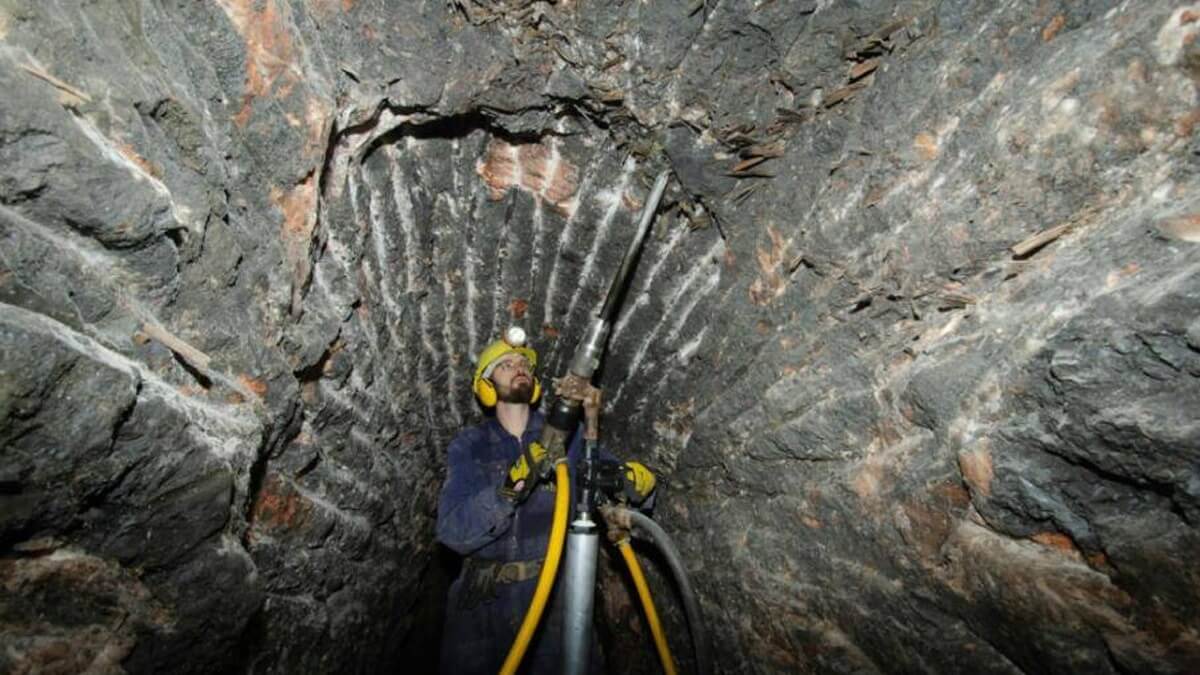
Inside Hallstatt’s Salt Mountain, Iron Age Miners Left a 300-Meter Underground Archive
Exploratory drilling in Austria’s prehistoric Hallstatt salt mine has identified an extensive Iron Age mining complex made up of enormous chambers arranged beside and above one another. Their floors preserve tools, clothing, food remains and biological traces left by miners around 2,500 years ago, effectively turning the underground workings into an archive of prehistoric labor.…
-
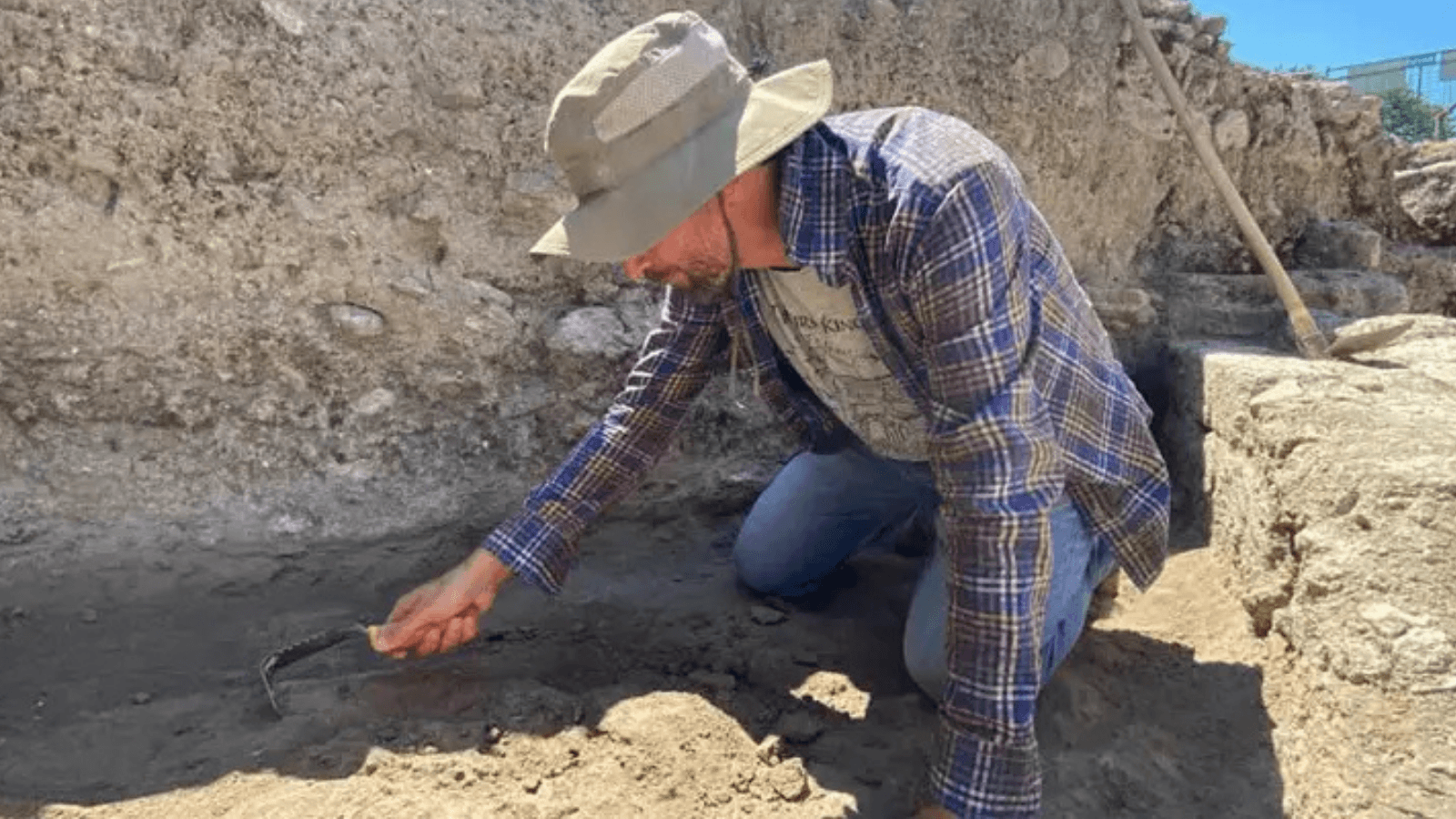
Troy’s Oldest Agora Suggests the City Returned to Life Within 90 Years
For generations, Troy’s story has centered on destruction—war, fire, earthquake and the collapse of the Bronze Age city immortalized in Homer’s Iliad. Troy’s oldest agora, a 2,800-year-old public space now emerging outside the southern gate, is revealing what happened after one of those endings. Archaeologists believe the location already served as a marketplace during the…
-
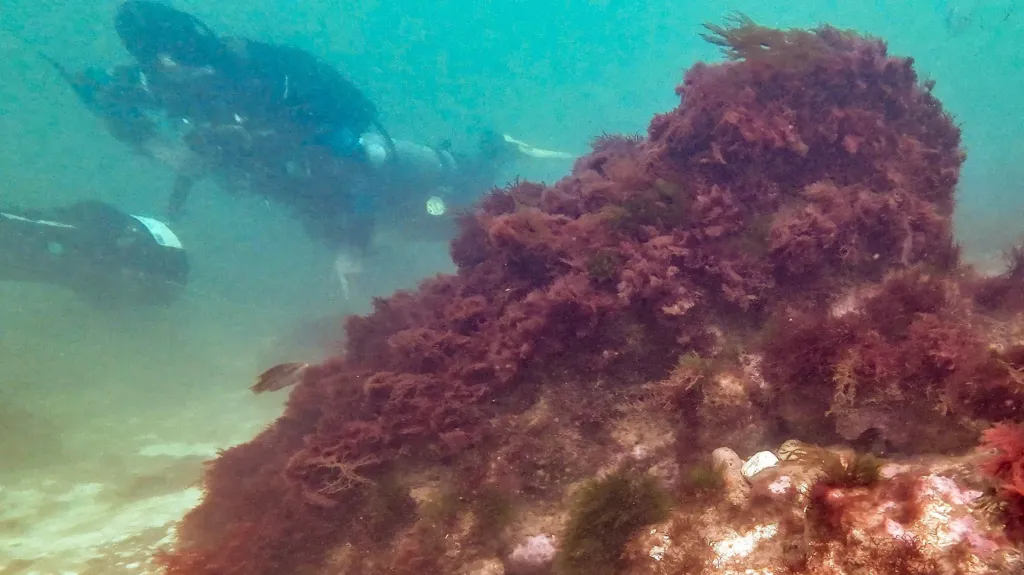
Divers Map Traces of a Medieval English Town Lost to the North Sea 700 Years Ago
Divers surveying the seabed off Cromer on England’s Norfolk coast have documented stone structures associated with the submerged medieval town of Shipden. The work may help researchers determine whether some of the remains belonged to buildings and harbor installations or formed part of an attempt to hold back the advancing North Sea. The underwater investigation…
-
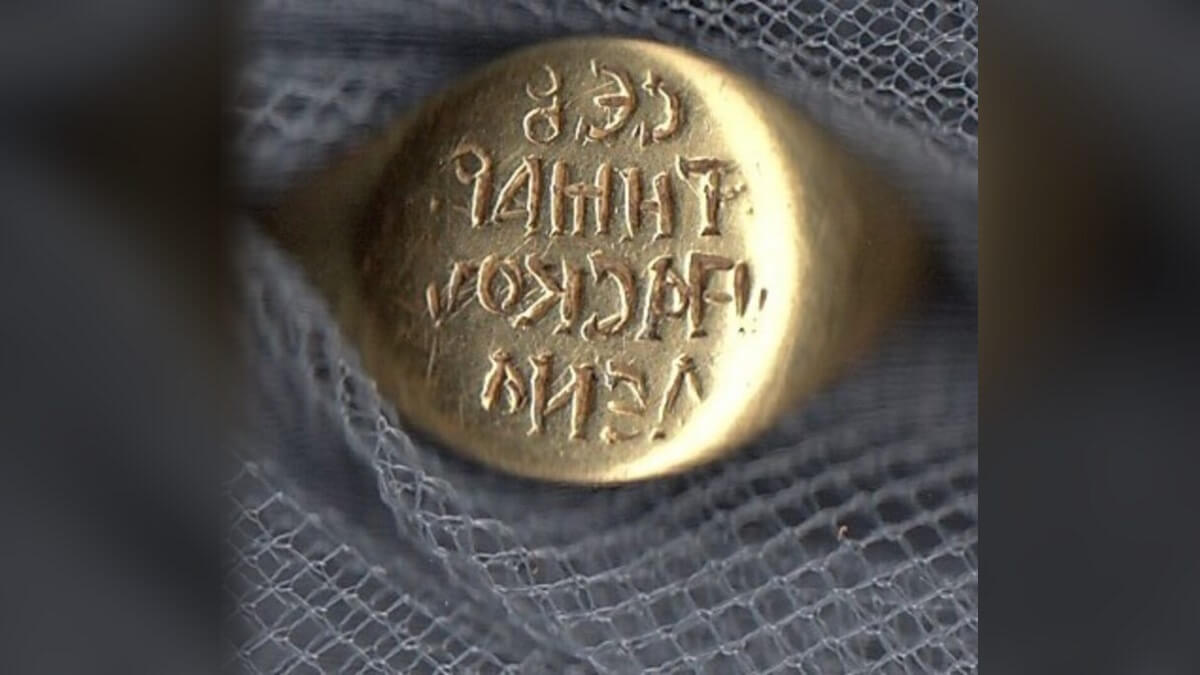
A 700-Year-Old Gold Ring from Bulgaria Carried a Byzantine Woman’s Name and Authority
A 14th-century Byzantine gold seal ring associated with southern Bulgaria preserves more than the name of an aristocratic woman. Inscribed for “sevasta Maria Skulena,” the ring was designed to authenticate documents in her name—an unusual glimpse of a woman exercising social or legal authority in the late Byzantine world. The gold ring reportedly originated near…