-

1,800-Year-Old Sword Fitting Preserves a Flash of Color at Roman Vindolanda
An enamelled Roman sword fitting has emerged from a second-century layer at Roman Vindolanda, the frontier fort near Hadrian’s Wall in northern England. Although small enough to fit in one hand, the object preserves a detail rarely associated with the popular image of the Roman army: color. The copper-alloy fitting has been identified as a…
-
Face-Down Roman Burial with Rich Grave Goods Discovered in Croatia
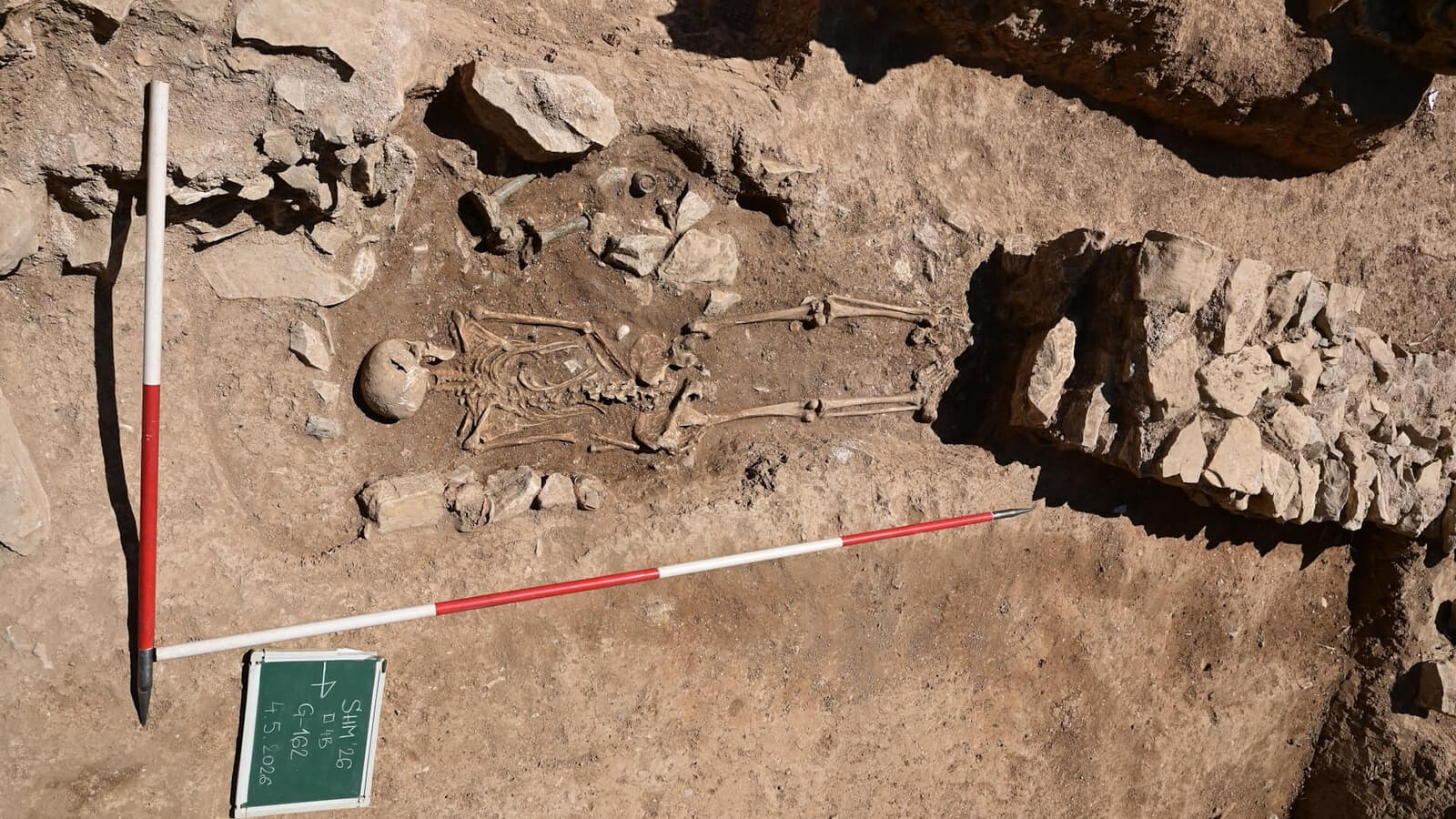
Archaeologists working in the western necropolis of ancient Salona have uncovered a face-down Roman burial in Croatia containing eleven glass and ceramic vessels and two gemstones. The unusual position of the deceased and the number of objects placed in the grave made it one of the most notable burials investigated during the 2026 excavation season.…
-
Rare Inscription Shows How Romans ‘Buried’ Lightning at Hadrian’s Villa
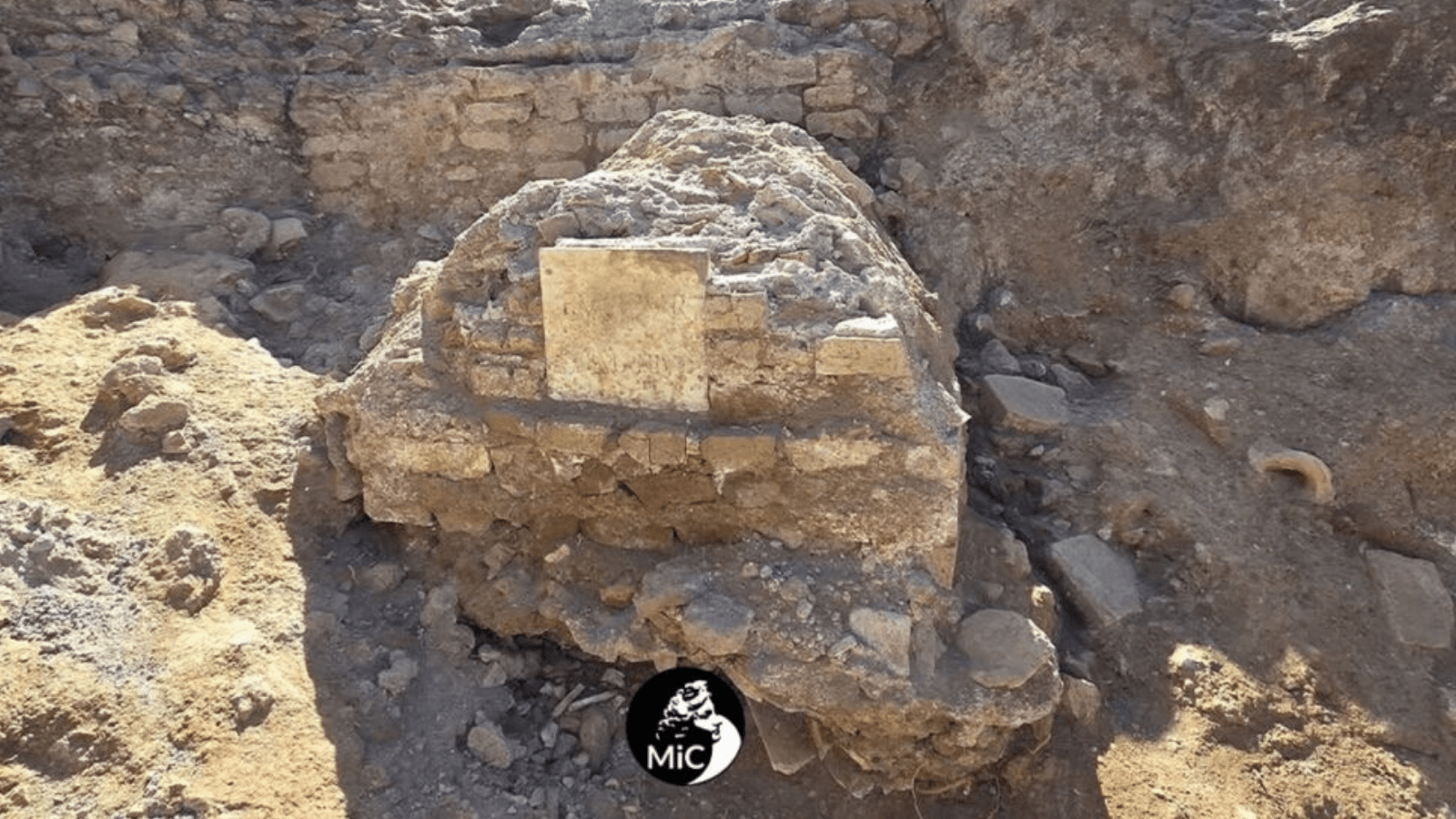
A marble inscription discovered at Hadrian’s Villa in Tivoli has revealed how Romans responded when lightning struck the imperial residence. Rather than treating the event as ordinary damage, they apparently buried its physical traces, separated the affected ground and placed it within the divine realm. Archaeologists found the inscription in the area traditionally known as…
-
Why Were Four Horses Killed and Buried With a Roman Carriage in Hungary?
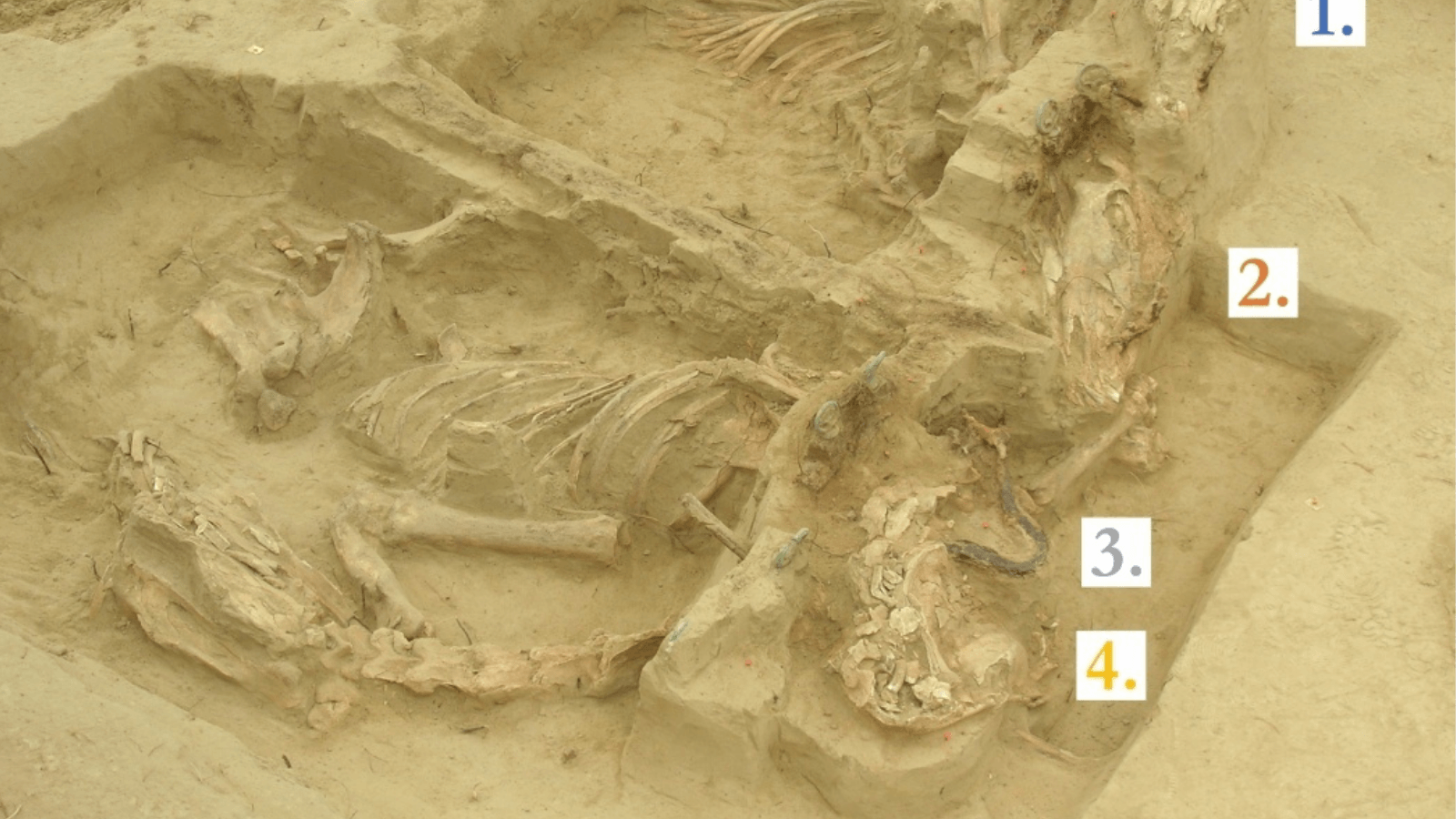
Around 1,800 years ago, a community in what is now Hungary staged an extraordinarily costly funerary ritual. Four horses were probably killed while still arranged as a team, then buried beside a four-wheeled Roman traveling carriage and four hunting dogs sacrificed during the same ceremony. Archaeologists uncovered the unusual carriage burial at Sárisáp in 2012.…
-
A Giant Trapezoidal Monument in Germany Reveals a 5,500-Year-Old Grave
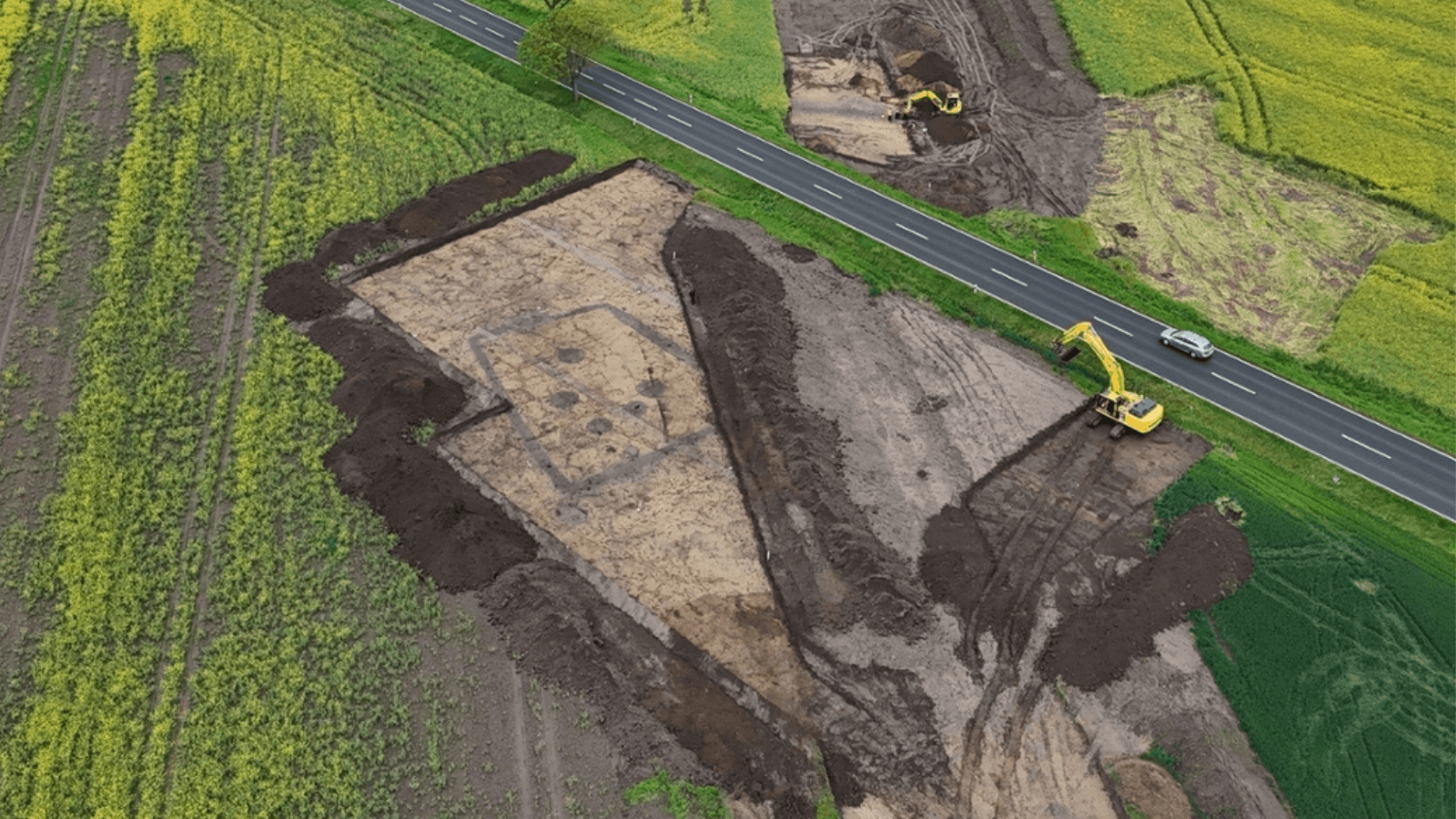
A rare Neolithic burial monument in Germany has emerged along the route of a new pipeline, revealing a vast trapezoidal structure built around a single grave more than 5,000 years ago. Archaeologists discovered the monument near Döhlen in Saxony’s Leipzig district during investigations preceding the construction of a district-heating and hydrogen pipeline between Leuna and…
-

Montana Troodon Fossils Reveal a Dinosaur With Troubled Feet
Troodon fossils from Montana have given researchers their most complete view yet of how the enigmatic dinosaur’s pelvis and hindlimbs developed from embryo to adult. The bones also reveal a curious pattern: possible foot pathologies appear unusually common among the animals examined. The study, published in PLOS ONE, focuses on specimens from the upper Two…
-
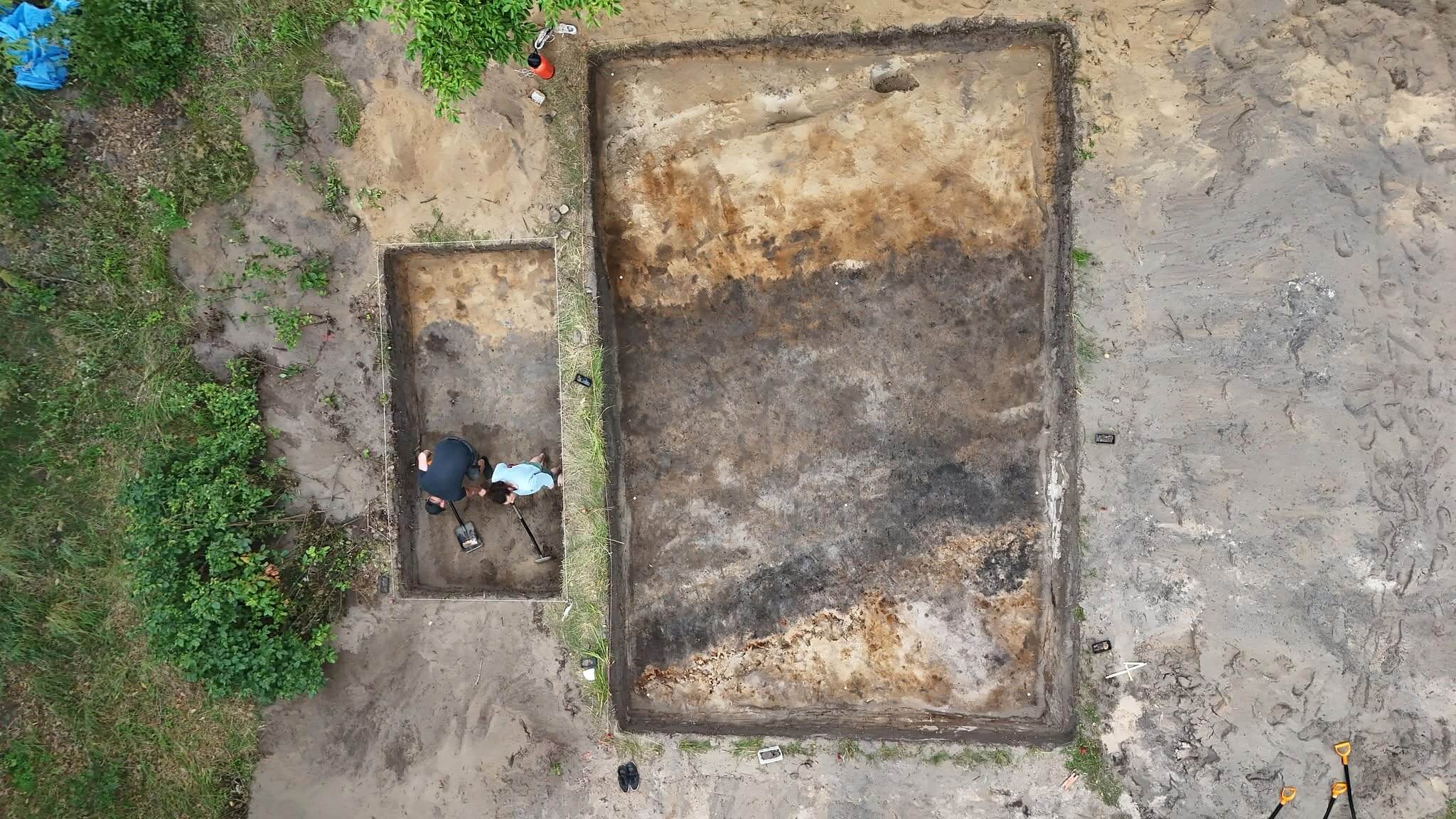
Rare 2,500-Year-Old Longhouse Discovered in Poland’s Mazovia Region
Archaeologists have discovered a rare 2,500-year-old longhouse at Łysa Góra in Poland, revealing how an Iron Age community organized its domestic space. The building represents an exceptional example of this architectural tradition in Mazovia and northeastern Poland. The discovery emerged during the 2026 excavation season near Chorzele in northern Mazovia. Researchers from the State Archaeological…
-
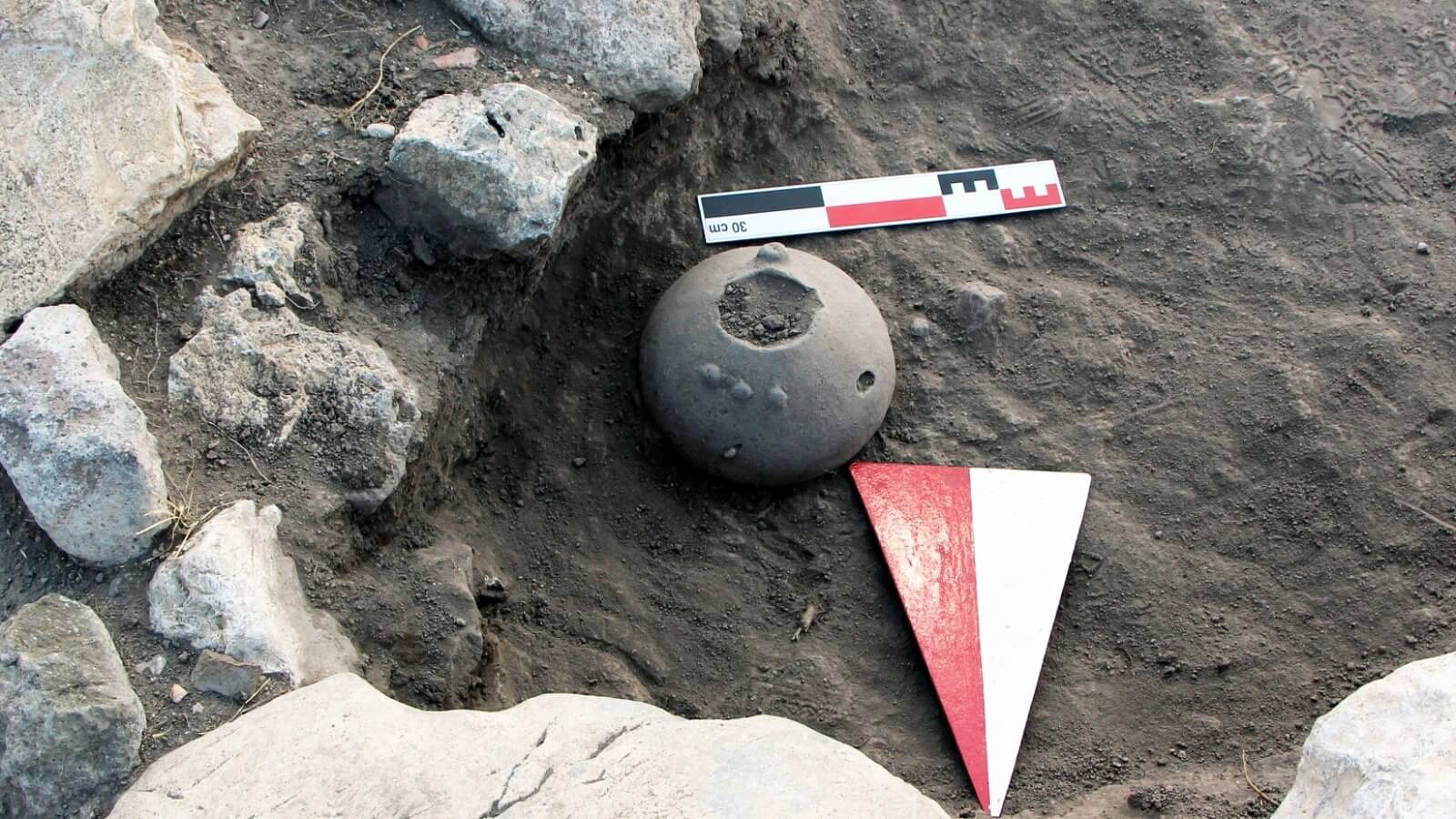
Seeds of Ankara’s Endangered Flower Found in 4,000-Year-Old Hittite Vessel
Seeds linked to Ankara’s endangered Sevgi Flower have been found inside a 4,000-year-old Hittite vessel at Külhöyük in central Türkiye. The discovery places a plant now confined to a small area south of the capital within the region’s Bronze Age landscape. Türkiye’s Ministry of Culture and Tourism described the remains as the earliest known evidence…
-

New Excavations Beneath Rome’s Baths of Trajan Reveal a Roman Port Scene
Archaeologists working beneath the Baths of Trajan in Rome have uncovered a previously unseen section of a monumental wall mosaic. The Roman port scene shows buildings arranged beside the sea, adding a coastal landscape to an artwork that may be the largest wall mosaic yet found in the Roman world. The discovery emerged during the…