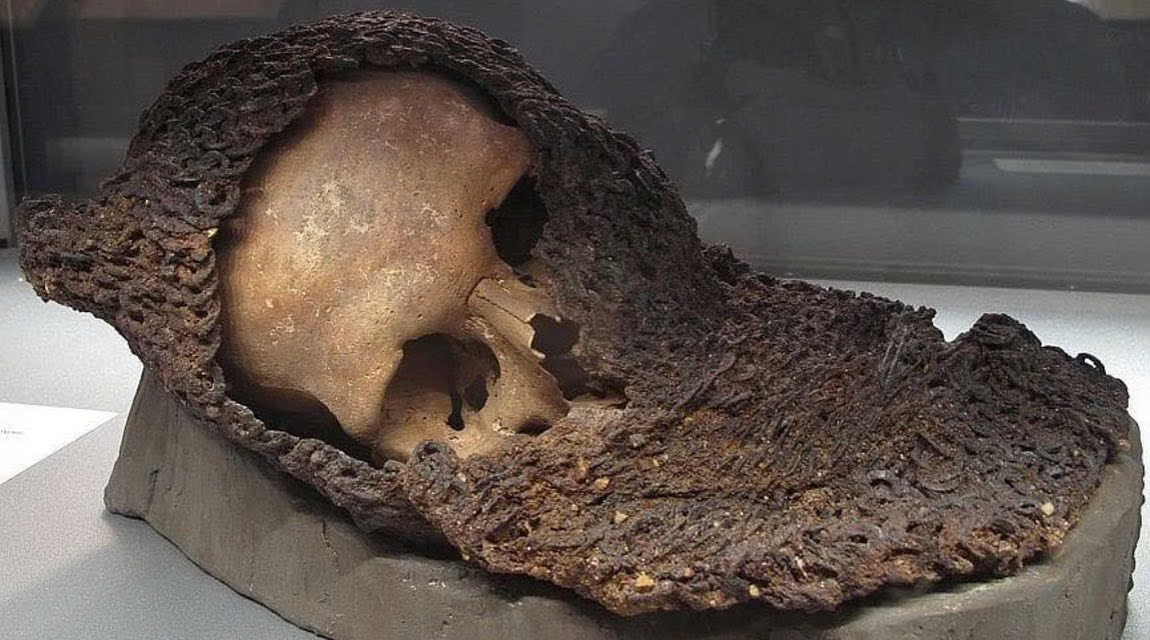
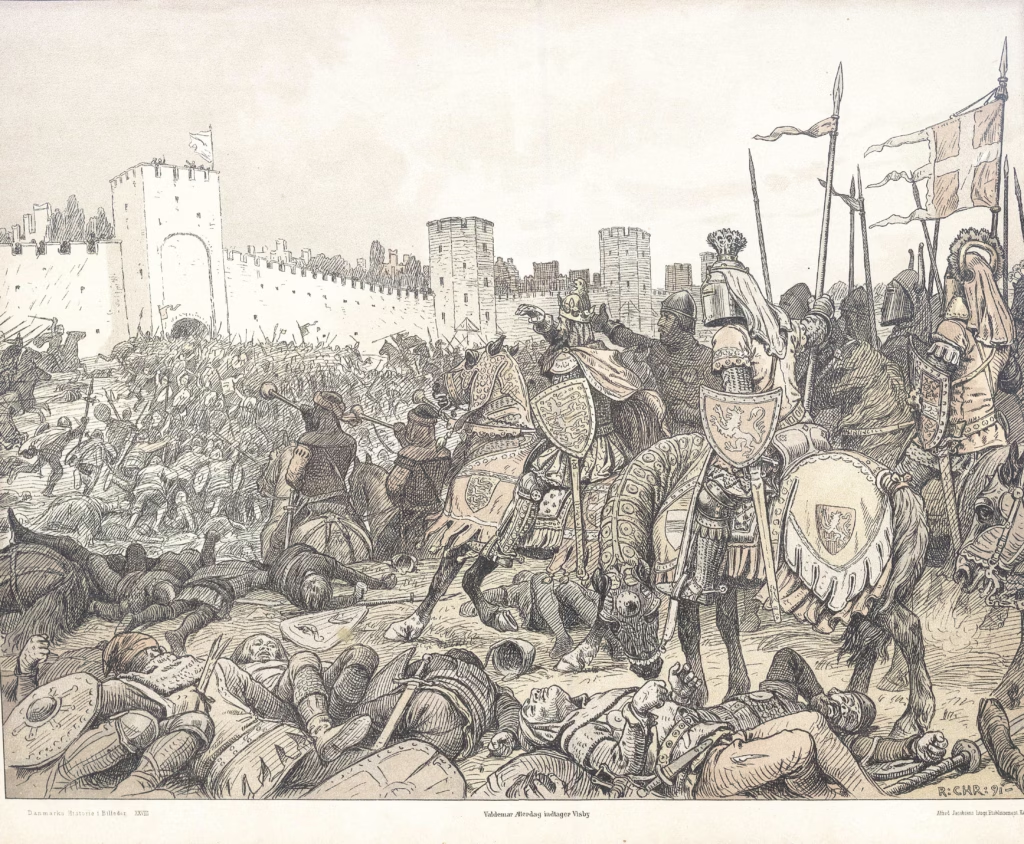
In the summer of 1361, the island of Gotland witnessed one of the most brutal and swift conflicts in Northern European history. Danish King Valdemar IV aimed to secure the strategically crucial island, which held both wealth and a key position in Hanseatic trade networks. The city of Visby, Gotland’s main hub, became the epicenter of resistance as local farmers and townspeople banded together to defend their homes.
The battle began on July 25 in the rural outskirts and quickly escalated into a devastating confrontation. Despite their determination, the local forces were overwhelmed by Valdemar’s well-equipped and disciplined army. The decisive clash occurred on July 27 at the walls of Visby, leaving the Danish forces victorious. Thousands of the fallen were buried in mass graves across the island, which today serve as stark reminders of the conflict’s scale and savagery.
Archaeological excavations of these mass graves began in 1905, led by Oscar Wilhelm Wennersten and local craftsman Nils Pettersson. Their work uncovered the first graves in the Korsbetningen area. Further excavations in 1912 and between 1928–1930 revealed approximately 1,200 skeletons. Among these finds, several skulls remained encased in chainmail, providing rare and direct evidence of medieval combat protection.

Chainmail, composed of interlinked metal rings, was a critical defense against swords and spears. Skulls still clad in chainmail allow historians and archaeologists to study the equipment and strategies of medieval warriors, as well as the harsh realities they faced in battle. Weapons and armor fragments from the graves further illuminate the tactics, daily life, and ultimate sacrifices of those who fought at Visby.
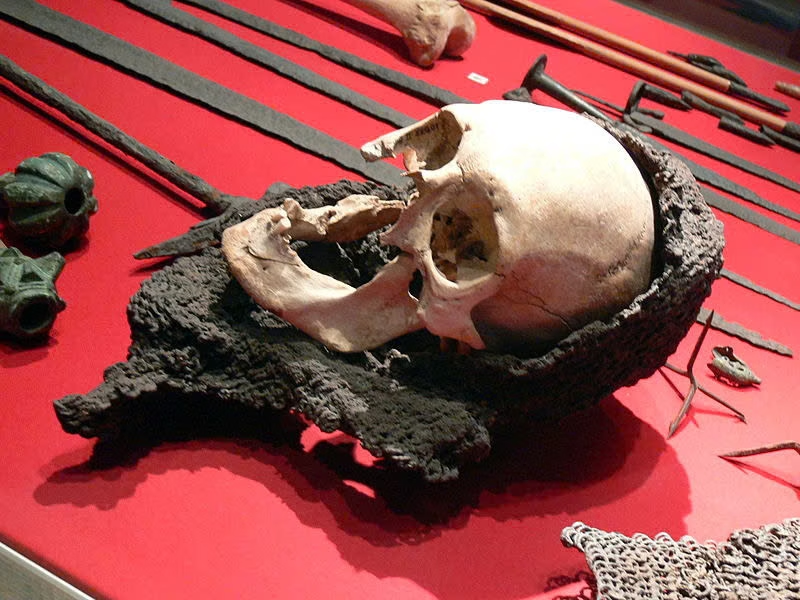
Today, these mass graves offer a living lesson in history. They connect us to the courage, resistance, and tragedy of medieval Europe, with chainmail-clad remains standing as a haunting testament to the brutality of the 1361 Visby Battle.