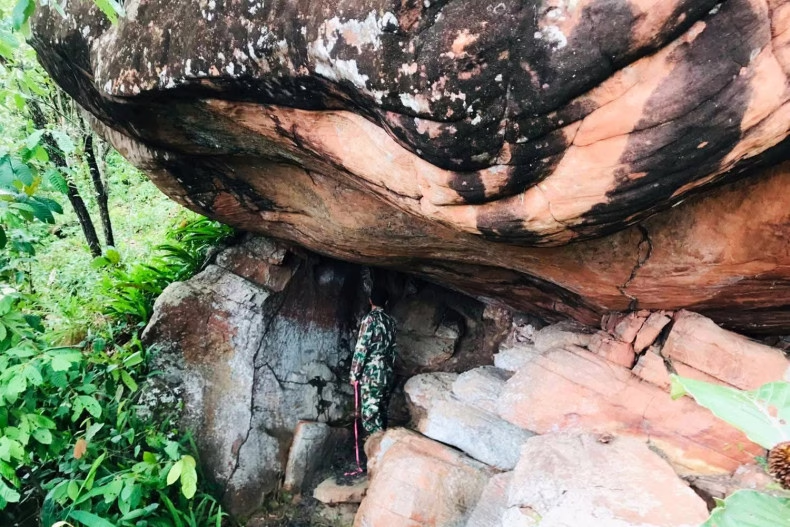
A patrol in the forests of northern Thailand has revealed a previously unknown cave that could soon join the country’s long list of significant archaeological sites. The discovery, named Tham Ta Kueng (Ta Kueng Cave), was made in the Khwae Noi watershed of Phitsanulok’s Nakhon Thai district during a three-day expedition by rangers from the Phu Khat Wild Animal Protection Area.
According to Mongkol Khamsuk, head of the protection area, the site will now undergo detailed studies by archaeologists and geologists. The Department of National Park, Wildlife and Plant Conservation hailed the discovery as “a door to a new dimension of research.”
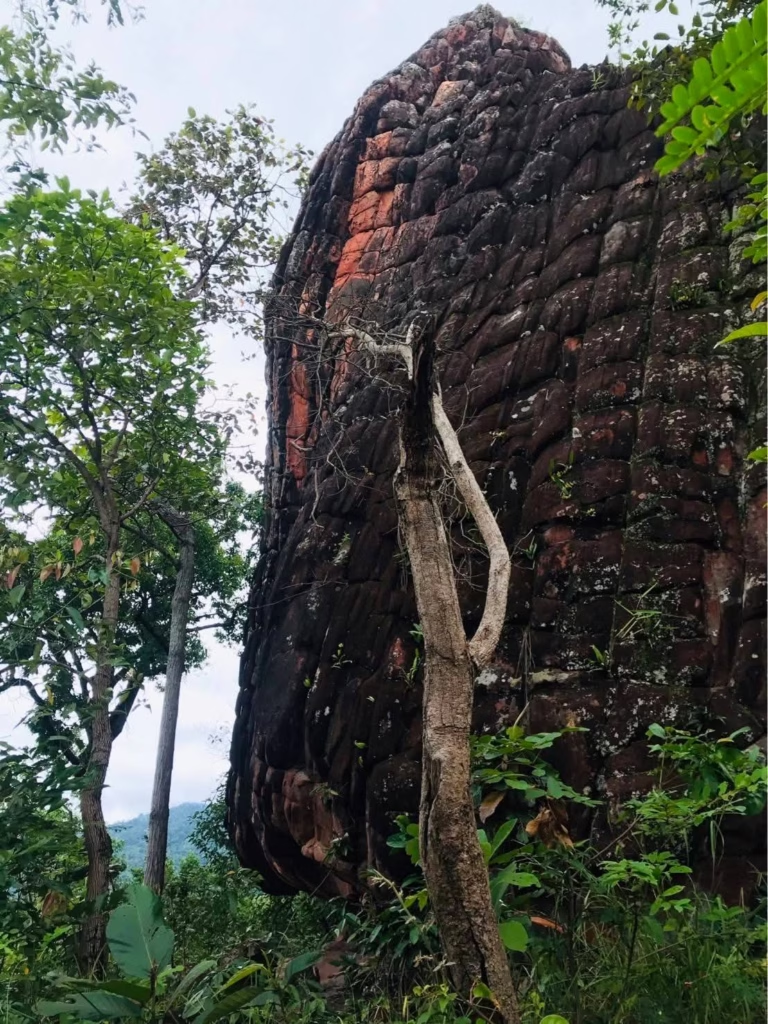
Thailand’s Rich Archaeological Landscape
Thailand has long been a focal point for archaeological research in Southeast Asia. The country is home to Ban Chiang, a UNESCO World Heritage Site considered one of the most important prehistoric settlements in the region, dating back more than 3,500 years and famous for its red-painted ceramics. In the north, discoveries at sites such as Spirit Cave and Tham Lod have shed light on early agricultural communities and cave-dwelling cultures that thrived thousands of years ago.
The newly found Tham Ta Kueng Cave may provide fresh insights into this broader prehistoric landscape. Experts suggest that unexplored caves in forested regions often contain traces of ancient habitation, rock art, or ritual activity, linking them to Southeast Asia’s deep human past.
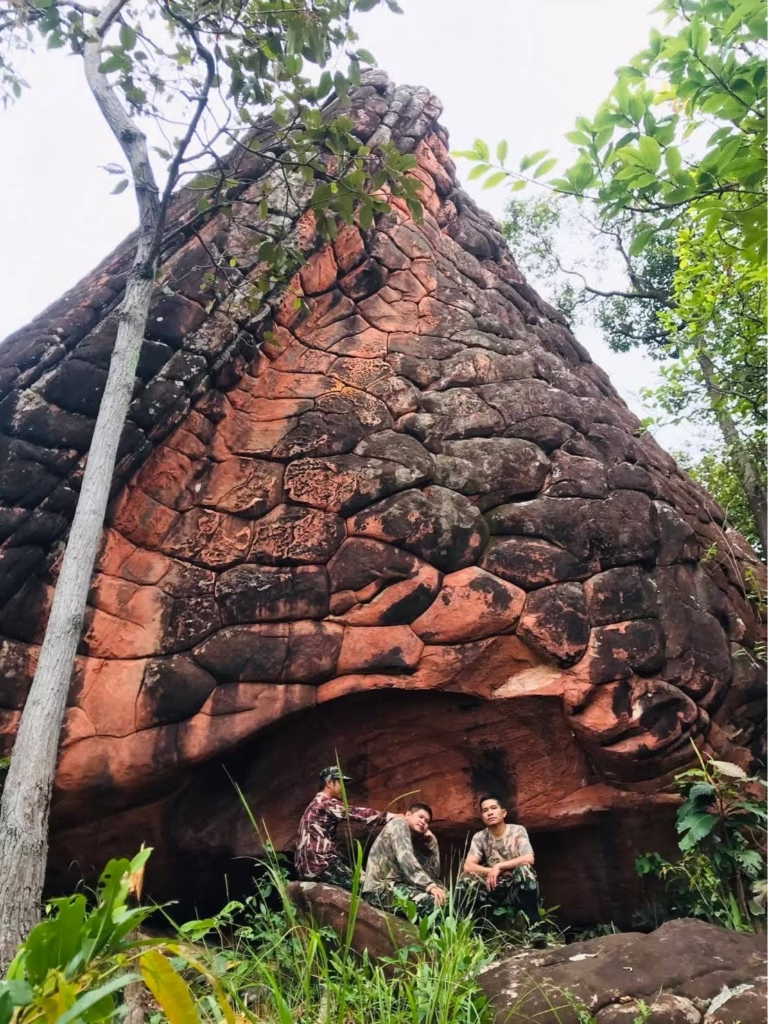
Beyond Conservation
Officials stressed that the find underscores the importance of regular forest patrols. While these missions primarily protect biodiversity and water resources, they also play an unexpected role in uncovering cultural heritage. In this case, a routine patrol turned into a discovery that could enrich both science and society.
Systematic archaeological investigations are expected to begin soon, positioning Tham Ta Kueng as a promising new site for understanding Thailand’s cultural history.