
Archaeologists in the Netherlands have discovered a helmet, a piece of armor, a burial ground, and a possible siege trench that may be connected to one of Maastricht’s major military conflicts between the 16th and 17th centuries. The finds emerged during preparations for a new school complex in a city that endured repeated sieges as European powers fought for control of the strategically important Meuse River crossing.
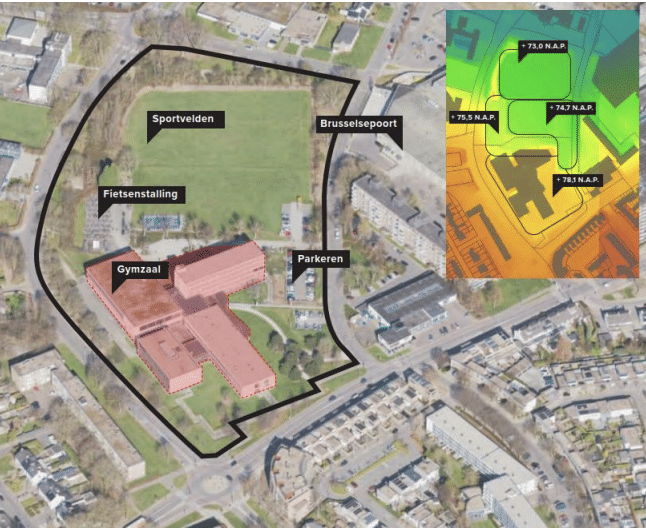
The Municipality of Maastricht announced the discoveries on November 12, 2026, following archaeological investigations at Eenhoornsingel, where construction of a new Sint-Maartenscollege building and sports hall is planned. The combination of military equipment and possible siege-related structures has prompted officials to authorize a larger excavation to determine their age, function, and historical significance.
Military Equipment and a Possible Siege Trench
During October 2026, archaeologists carried out 11 trial excavations, each covering approximately 100 square meters. The investigations examined a total of around 1,100 square meters and identified archaeological features potentially associated with one of the city’s sieges during the 1500s or 1600s.
Among the discoveries were a burial ground, a pit, historical cart tracks, and a field oven. Researchers also identified a trench that may have formed part of a siege operation, although its precise purpose remains uncertain.
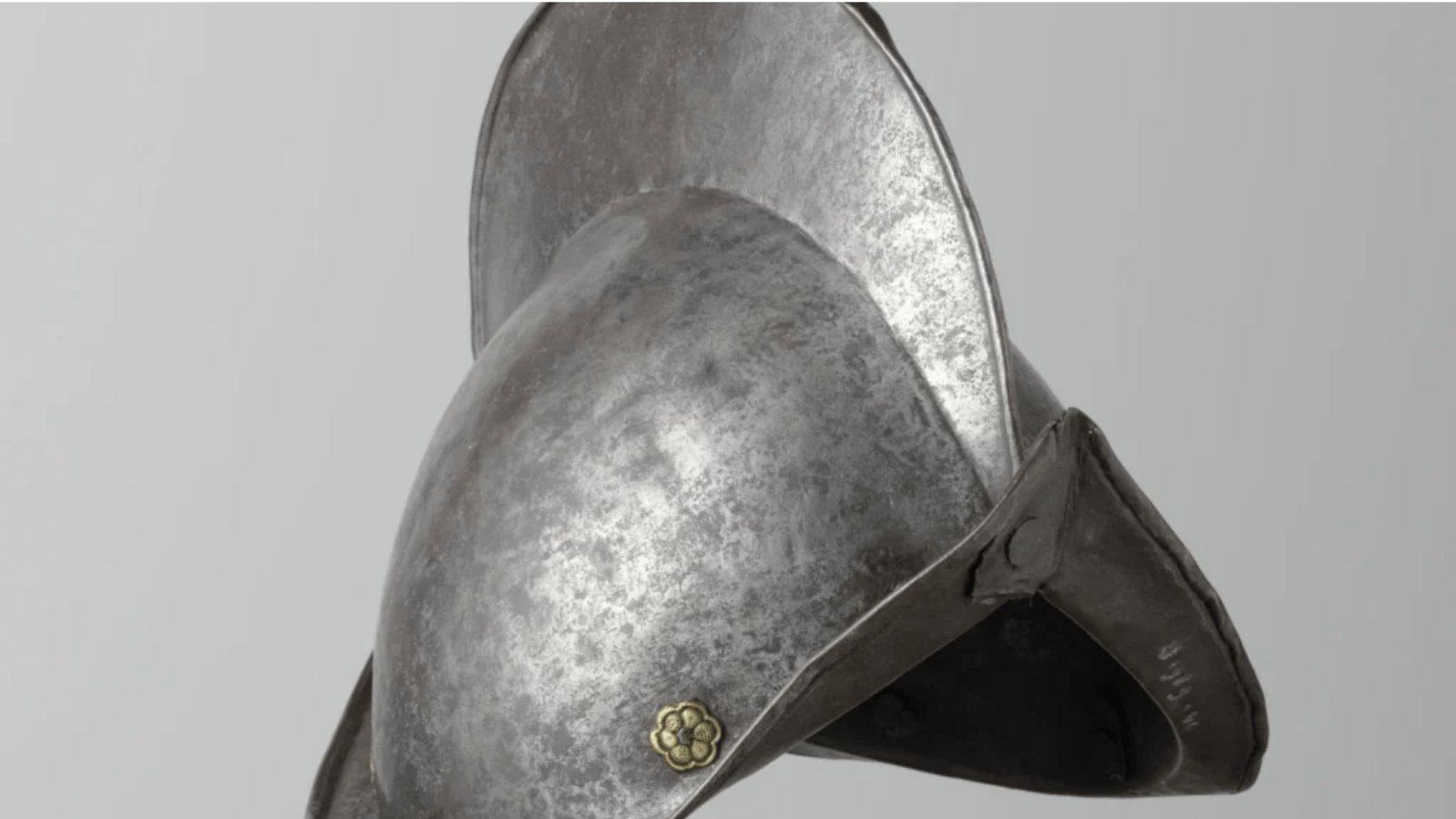
Two pieces of military equipment, a helmet and a section of armor, were recovered from the same investigation area. Their discovery provides additional evidence of military activity, but archaeologists have not yet established whether the objects and surrounding features belong to the same historical event.
The municipality has not released detailed descriptions or precise dates for the helmet and armor. The number of burials, the identities of those interred, and any potential connection between the burial ground and military casualties also remain unknown.
These unanswered questions make the next stage of excavation particularly important. Establishing the relationships between the trench, military equipment, and other archaeological features could help researchers reconstruct how people used the area during Maastricht’s turbulent military history.
A City Fought Over by European Armies
Maastricht’s location along the Meuse River made it a strategically valuable stronghold for centuries. Control of its river crossing offered military and commercial advantages, while its extensive fortifications made the city a major objective during conflicts in the Low Countries.
According to the Maastricht Museum, the city became a permanent garrison town in 1567. Its strategic position subsequently brought it into several major military campaigns.
In 1579, Spanish forces under Alexander Farnese, Duke of Parma, captured Maastricht following a prolonged siege during the Dutch Revolt. More than five decades later, in 1632, Frederick Henry, Prince of Orange, led Dutch forces in another successful siege of the city.
Maastricht faced a further major attack in 1673, when the army of France’s King Louis XIV captured the fortress during the Franco-Dutch War. The operation involved the renowned military engineer Sébastien Le Prestre de Vauban and resulted in the death of the French musketeer d’Artagnan, whose life later inspired Alexandre Dumas’s famous literary character.
Archaeological investigations elsewhere in the Low Countries have also uncovered physical traces of historical conflicts. In Belgium, dozens of medieval cannonballs discovered beneath a future civic building demonstrated how modern construction projects can expose evidence of earlier military activity.
Although these campaigns provide historical context for the latest discoveries, no evidence currently links the excavated remains to a specific siege. Archaeologists must first establish a reliable chronology before determining which conflict, if any, left the traces found at Eenhoornsingel.
Further Excavations to Investigate the Battlefield Evidence
Following the initial discoveries, Maastricht officials approved more extensive archaeological work at the construction site. The investigation is scheduled to begin in mid-November and conclude before Christmas 2026.
The expanded excavation could clarify whether the suspected trench formed part of siege operations and whether the military equipment belongs to the same period. Further examination of the burial ground may also establish whether those interred there had any connection to the city’s military past.
According to the municipality, the additional archaeological work and associated permit procedures are expected to delay the construction project by approximately two weeks. Officials nevertheless expect the overall development schedule to remain manageable unless further discoveries require additional investigation.
For Maastricht, where centuries of warfare shaped both the city and its defenses, the new finds offer an opportunity to examine the physical evidence of a historically documented period of conflict. The results of the expanded excavations may eventually establish whether the site preserves traces of one of the sieges that determined the city’s political and military future.
A historical European steel helmet from the Rijksmuseum collection in Amsterdam. The image illustrates the type of military equipment associated with early modern warfare and does not depict the helmet recently discovered in Maastricht. Credit: Rijksmuseum, Amsterdam / Public Domain.